Low Maintenance Ideas & Tips for Small Gardens
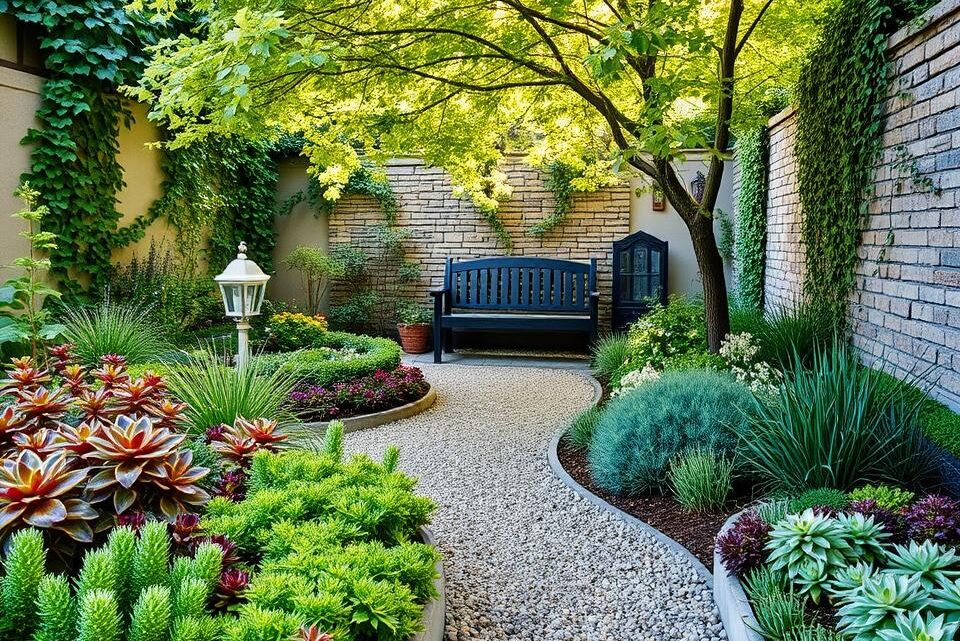
A great-looking garden doesn’t have to be hard work. With a few simple guidelines, you can create a no-fuss outdoor space that brings you joy every time you step into it.
Whether you have a tiny garden or a small patio, there are many ways to improve your outdoor area. By choosing the right plants and using effective design principles, you can create a beautiful and manageable retreat.
Inhaltsverzeichnis
Key Takeaways
- Discover practical and creative ways to reduce maintenance in your small garden.
- Learn how to maximise your outdoor space with smart design choices.
- Explore the benefits of using plants that are suitable for small gardens.
- Understand how proper planning can minimise the time and effort needed to maintain your garden.
- Create a stunning small garden that brings joy with minimal effort.
Creating a Beautiful Small Garden with Minimal Effort
The challenge of designing a small garden lies in balancing functionality with visual appeal. A well-designed small garden can be a haven, providing a peaceful retreat from the stresses of everyday life.
Understanding the Challenges of Small Garden Spaces
Small garden spaces present unique challenges, including limited planting areas and the potential for visual clutter. To overcome these challenges, it’s essential to understand the specific constraints of your garden, such as light conditions and soil quality.
By acknowledging these limitations, you can create a garden design that works with, rather than against, these factors. This thoughtful approach will help you make the most of your space.
Benefits of Low-Maintenance Garden Design
Low-maintenance garden design offers numerous benefits, including reduced time spent on upkeep and lower water and resource requirements. By focusing on structural elements that provide year-round interest and selecting plants that thrive with minimal intervention, you can enjoy your outdoor space without the burden of constant maintenance.
| Design Element | Low-Maintenance Benefit |
|---|---|
| Structural Plants | Year-round interest with minimal upkeep |
| Carefully Selected Plants | Thriving with minimal intervention |
| Efficient Irrigation | Lower water requirements |
By embracing simplicity in design and focusing on low-maintenance elements, you can create a beautiful and functional small garden that requires less work throughout the seasons.
Smart Design Principles for Low-Maintenance Small Gardens
Effective small garden design hinges on a few crucial elements that help create a sense of space and serenity. By applying some smart design principles, homeowners can transform their compact outdoor areas into beautiful and functional spaces.
Getting the Landscaping-Planting Ratio Right
A well-balanced garden design is key to a low-maintenance small garden. Experts recommend achieving a ratio of approximately 50% hardscaping (such as paving or decking) to 50% planting and furniture. This balance creates a visually appealing space that remains manageable.
Using Colour and Light to Create Illusion of Space
Colour selection plays a significant role in creating the illusion of space in small gardens. Cooler hues like blues and purples visually recede, making the garden appear larger, while warmer colours like reds and oranges should be used sparingly as accents. Additionally, incorporating reflective elements such as light-coloured paving or water features can help bounce light around the garden, creating a greater sense of spaciousness.
Dividing Your Space Effectively
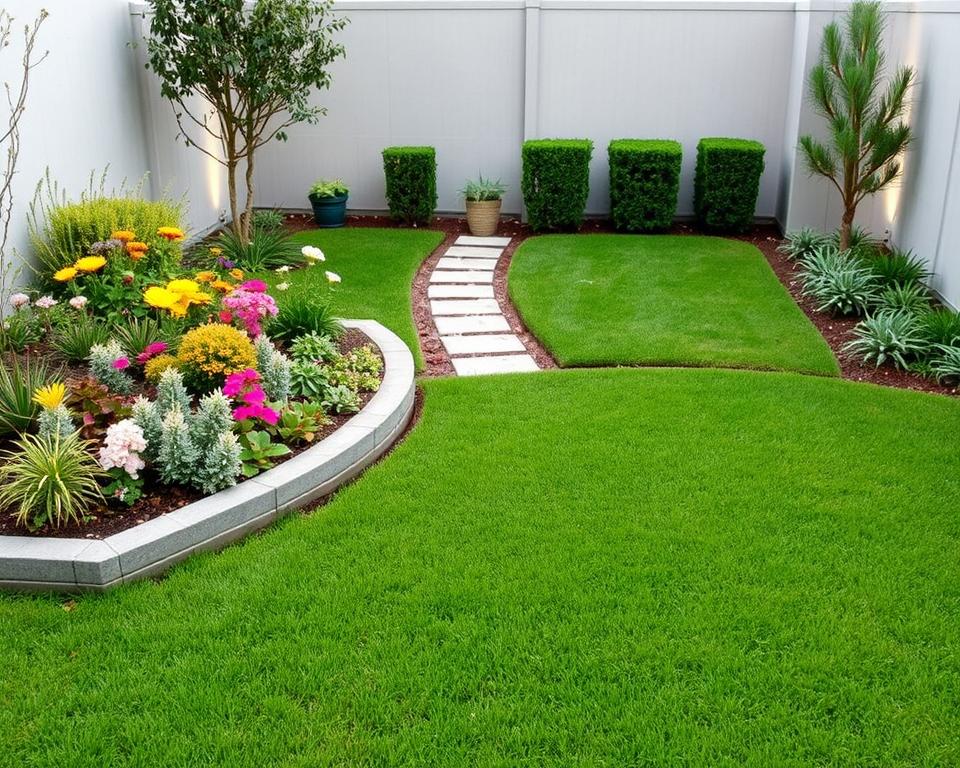
Dividing your garden into separate areas using borders, screens, or level changes can create a sense of journey and discovery, making the space feel more expansive and interesting. This strategic division prevents visitors from seeing the entire garden at once, adding to the sense of depth and visual appeal.
By implementing these design principles, homeowners can create a beautiful, low-maintenance small garden that feels larger than it is. Simplifying the design with clean lines and a limited palette of materials and plants further enhances the sense of space and serenity.
Plant Selection: The Foundation of Easy-Care Gardens
The key to a low-maintenance garden lies in selecting the right plants for your specific conditions. This fundamental principle guides the creation of a beautiful and thriving garden with minimal effort.
Selecting plants that are well-suited to your soil type, light levels, and microclimate is crucial. For instance, if you have a sunny garden with dry soil, plants like lavenders will thrive. The “right plant, right place” principle is essential for small gardens where every plant must earn its keep.
Choosing the Right Plants for Your Conditions
When choosing plants, consider those that naturally thrive in your garden’s conditions. Hardy shrubs and evergreen plants are excellent choices because they are long-lived and require less maintenance. Shrubs are particularly great as they won’t need replacing every year.
Perennials and Evergreens for Year-Round Interest
Perennials and evergreens form the backbone of easy-care gardens, providing structure and interest throughout the year. Evergreens like sedges and hellebores look good all year round and drop fewer leaves than deciduous plants, making them ideal for small gardens.
Long-Flowering Varieties for Extended Colour
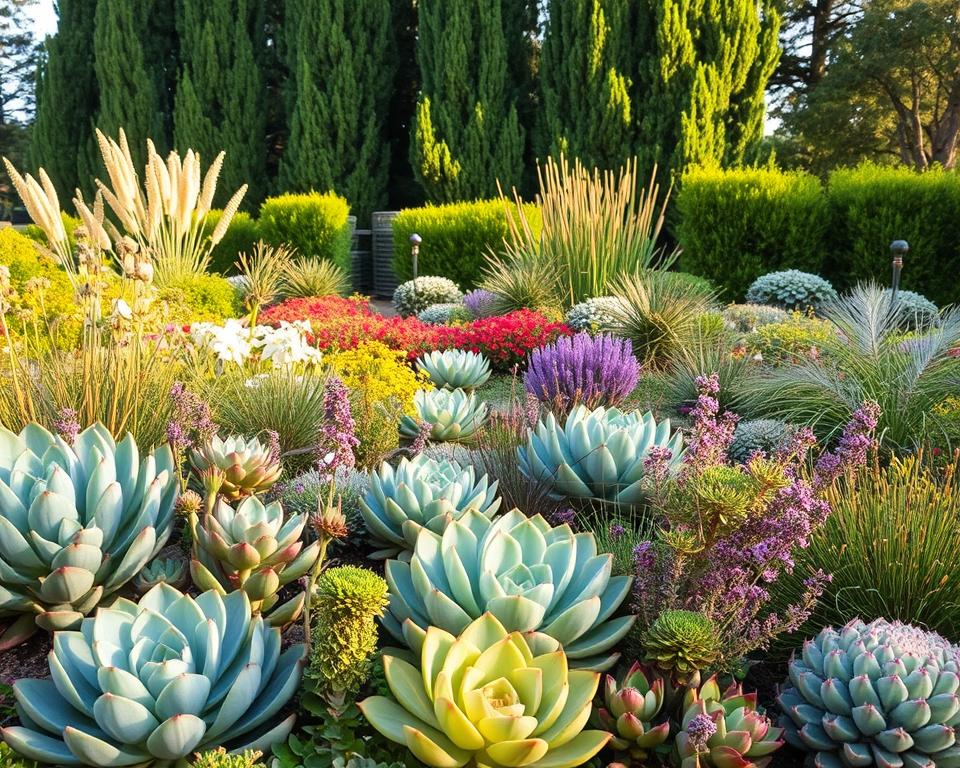
In a tiny space, it’s essential to choose plants with a long flowering season. Good options include repeat-flowering roses like Rosa ‘Flower Carpet Amber’, which flowers for eight months, and other long-flowering perennials like Erigeron karvinskianus and hardy geraniums.
Some key benefits of choosing the right plants include:
- Reduced maintenance as plants thrive in their suitable conditions.
- Extended periods of colour with long-flowering varieties.
- Year-round interest with perennials and evergreens.
- Less need for constant replanting.
- A more resilient garden that can withstand various weather conditions.
By focusing on the right plant selection, you can create a stunning and low-maintenance garden that remains attractive throughout the year.
Space-Saving Solutions for Small Gardens
Maximising space in small gardens requires creativity and a thoughtful approach to design. By incorporating multi-functional features and making the most of every available space, you can create a beautiful and functional garden.
Vertical Gardening with Climbers and Wall Plants
One effective way to save space is by using vertical gardening techniques. Climbers such as ivy, Virginia creeper, and climbing hydrangea are ideal for covering walls, fences, or even trees, thereby extending your growing area without taking up valuable ground space. These self-clinging climbers are particularly low-maintenance as they don’t require additional support structures.
Multi-Purpose Features: Combining Seating and Storage
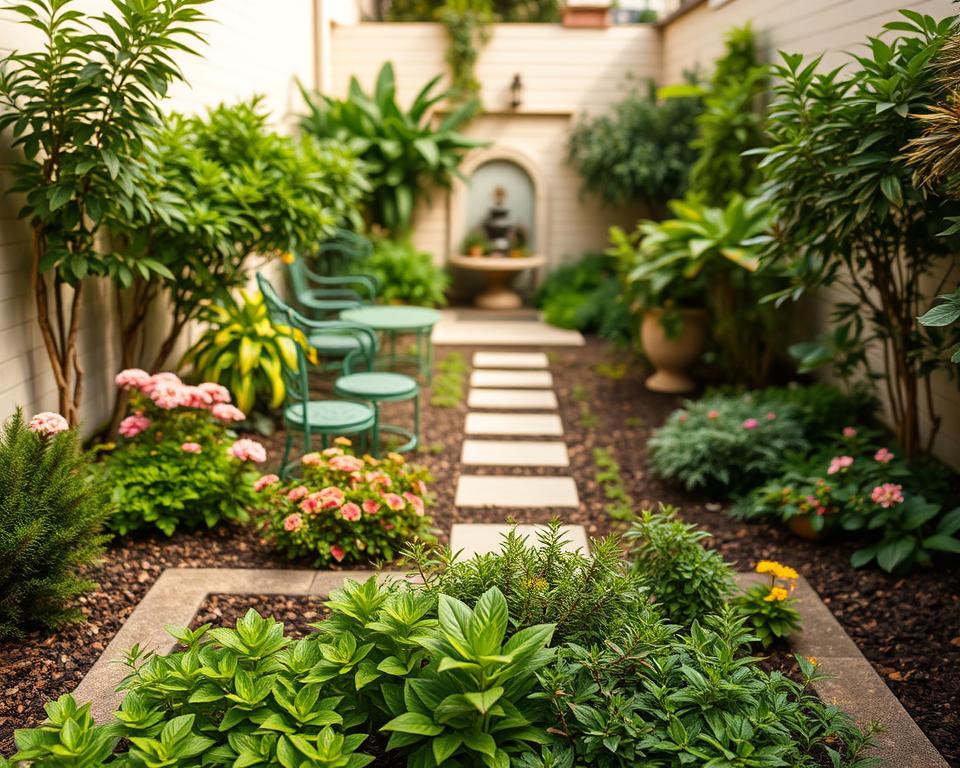
In small gardens, it’s essential to maximise the utility of every feature. Building seating that doubles as storage is a practical solution. Corner benches or seating against a boundary can help save space that would be occupied by a central table on a patio. This approach not only saves space but also adds functionality to your garden.
Making the Most of Every Corner
Transforming challenging corners and shady spots with appropriate plants like ferns, hostas, and epimediums can enhance the overall beauty of your small garden. Additionally, incorporating ornamental grasses can provide height and movement without the need for extensive maintenance.
| Space-Saving Solution | Description | Benefits |
|---|---|---|
| Vertical Gardening | Using climbers and wall plants to cover surfaces | Increases planting area, low maintenance |
| Multi-Purpose Features | Combining seating and storage | Saves space, adds functionality |
| Ornamental Grasses | Providing height and movement | Low maintenance, adds visual interest |
Low Maintenance Ideas & Tips for Small Gardens
Efficient garden design is crucial for small spaces, where every square inch counts. By adopting a few simple strategies, you can create a beautiful and low-maintenance garden that requires minimal upkeep.
Alternatives to Traditional Lawns
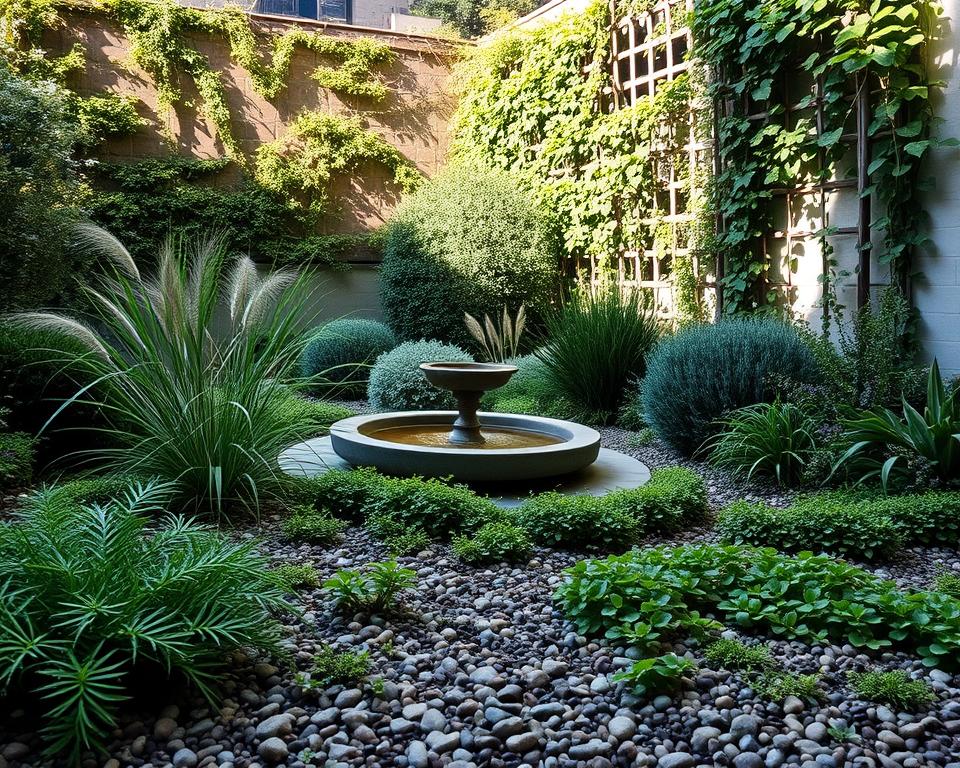
Consider replacing traditional lawns with alternatives such as gravel gardens, decorative paving, or drought-tolerant ground cover plants like thyme or chamomile. These options not only reduce maintenance but also create visually interesting spaces. For small gardens where traditional grass lawns are impractical, a meadow-style planting with ornamental grasses and wildflowers can be a low-maintenance and ecologically beneficial choice.
Using Mulches to Reduce Watering and Weeding
Applying mulch such as bark chippings, gravel, or compost around plants serves multiple low-maintenance functions: suppressing weeds, retaining soil moisture, regulating soil temperature, and improving soil structure. This simple technique can significantly reduce the need for watering and weeding, making it an essential tip for low-maintenance gardening.
Self-Clinging Climbers for Effortless Vertical Interest
Self-clinging climbers like ivy, Virginia creeper, and climbing hydrangea provide effortless vertical interest without requiring trellises or support structures. Incorporating these plants into your garden design can add beauty and texture while minimizing maintenance. Additionally, plants like lavender thrive in poor soil with minimal watering, making them ideal for busy gardeners seeking low-maintenance beauty.
By implementing these low-maintenance ideas and tips, you can enjoy a beautiful garden without the constant upkeep, allowing you to appreciate the space without the stress of high maintenance requirements.
Container Gardening for Flexibility and Ease
For those with limited garden space, container gardening offers a flexible solution. It allows individuals to create movable displays that can be rearranged seasonally or as needs change, making it ideal for rental properties or gardens with limited planting opportunities.
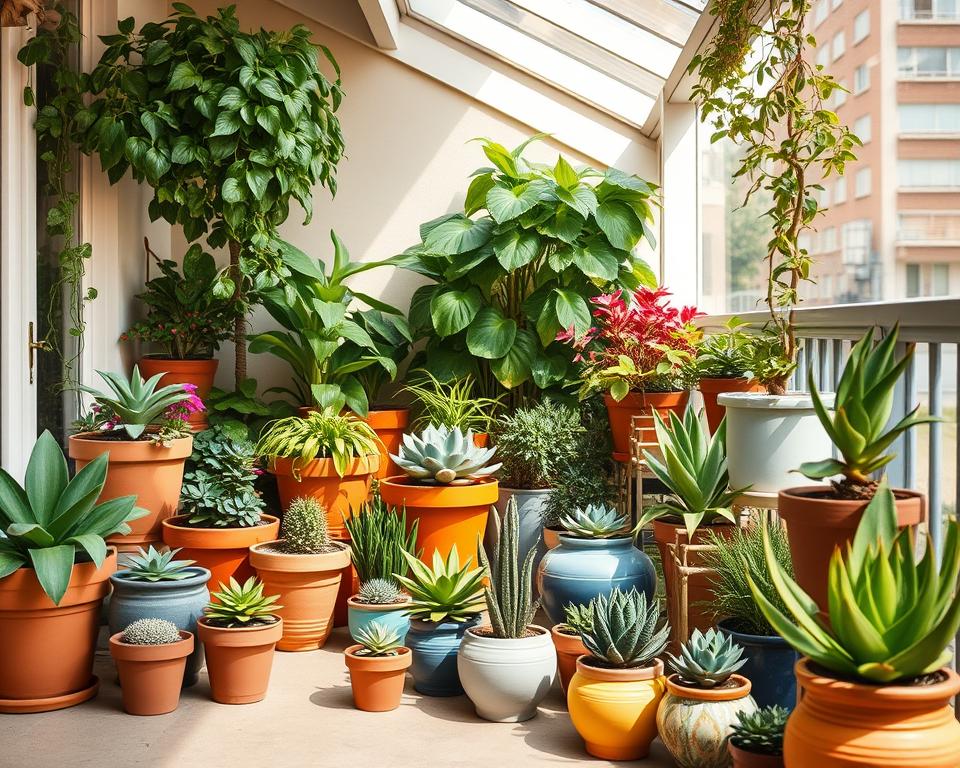
When it comes to container gardening, the size and type of containers used can significantly impact the overall maintenance and aesthetic appeal. Choosing the right containers is crucial for the health and longevity of the plants.
Choosing the Right Size and Type of Containers
Opting for larger pots where possible is advisable as they require less frequent watering and provide more stable growing conditions for plants. It’s also important to consider the weight, material, and drainage capabilities of containers. Frost-proof terracotta, composite materials, and lightweight fibreglass are popular options, each offering different benefits in terms of aesthetics, durability, and practicality.
Plant Selection for Long-Lasting Container Displays
For long-lasting container displays, selecting a combination of plants with complementary growth habits and seasonal interest is key. A structural evergreen can serve as a centrepiece, surrounded by flowering perennials and trailing plants for added texture and colour. Choosing plants that will last for more than one season or using a central plant that remains year-round and changing the underplanting with the seasons can also enhance the display.
Maintenance Tips for Container Gardens
Maintenance for container gardens can be streamlined by installing simple irrigation systems, grouping pots with similar water requirements together, and using controlled-release fertilisers that provide nutrients gradually throughout the growing season. Regular checks on the containers and plants will also help in identifying any issues early on, ensuring the garden remains healthy and vibrant.
By adopting these strategies, individuals can enjoy the benefits of container gardening, including its flexibility and ease of maintenance, making it a perfect option for small gardens.
Seasonal Considerations for Year-Round Appeal
To maintain a visually appealing garden throughout the year, it’s essential to consider the changing seasons. A well-planned garden should have elements that provide interest during every time of the year.
Structural Plants for Winter Interest
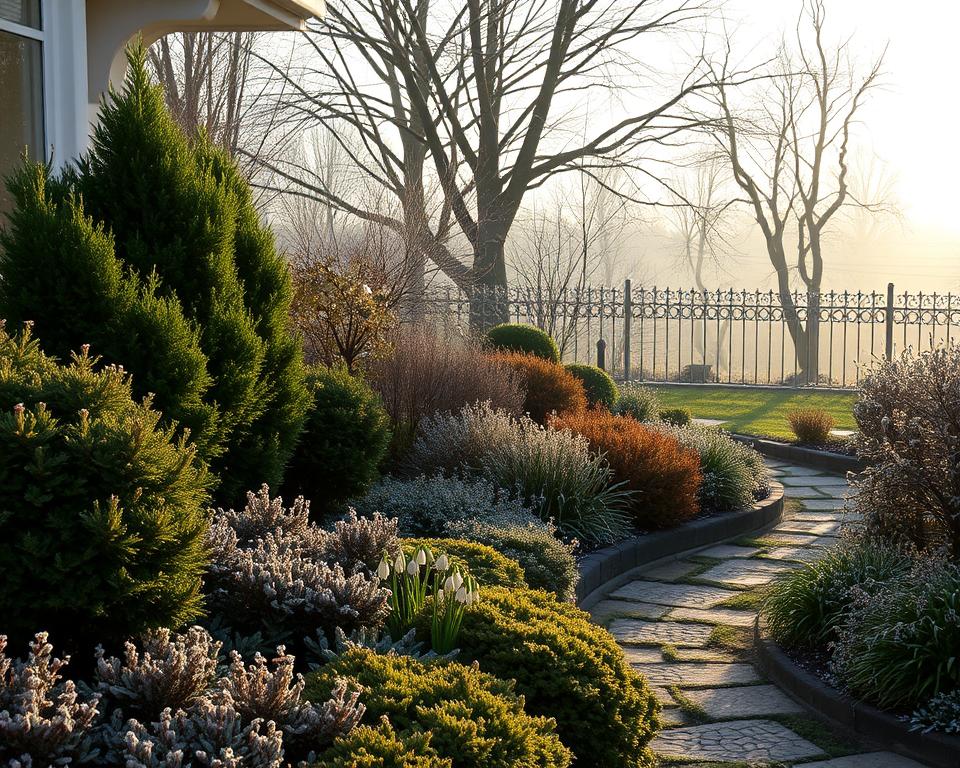
Creating winter interest is crucial for year-round garden appeal. This can be achieved through the thoughtful inclusion of structural plants with distinctive forms, interesting bark, or evergreen foliage. Examples include dogwoods with colourful stems and hellebores for winter flowers.
Effortless Spring and Summer Colour
Spring and summer colour can be achieved with minimal effort by selecting reliable perennials and bulbs that naturalise over time. These create self-sustaining displays that return year after year with little intervention, making them ideal for a low-maintenance garden.
Autumn Maintenance for a Healthy Garden
Autumn maintenance tasks such as mulching, strategic pruning, and planting spring-flowering bulbs are essential to prepare your garden for the next year. These tasks reduce work during the busy spring season and ensure your garden remains healthy and vibrant.
| Season | Key Tasks | Plant Choices |
|---|---|---|
| Winter | Pruning, planning | Dogwoods, hellebores |
| Spring | Planting, mulching | Perennials, bulbs |
| Summer | Watering, deadheading | Flowering perennials |
| Autumn | Mulching, pruning, planting bulbs | Spring-flowering bulbs |
Conclusion: Embracing the Beauty of Low-Maintenance Gardening
Embracing low-maintenance gardening is a journey towards creating a serene outdoor space. By adopting thoughtful planning, appropriate plant selection, and time-saving design features, you can create a beautiful small garden that enhances your quality of life. This approach allows you to enjoy your garden without the burden of constant upkeep, making it a haven for relaxation and recreation.
With these low-maintenance garden tips, even gardening novices can achieve stunning results with minimal time investment. The key is to work with nature, not against it, creating a sustainable and biodiverse garden that brings lasting pleasure.
FAQ
What are the best plants for a low-maintenance small garden?
Plants such as perennials, evergreens, and succulents are ideal for small gardens as they require minimal care and can thrive in a variety of conditions. Some popular choices include lavender, grasses, and flowering shrubs.
How can I reduce the amount of time spent on garden maintenance?
By incorporating mulches, using drought-tolerant plants, and implementing efficient irrigation systems, you can significantly reduce the time spent on garden maintenance. Additionally, using container gardening can also help to minimise upkeep.
What are some alternatives to traditional lawns in small gardens?
Alternatives to traditional lawns include gravel, decking, and artificial turf. These options can provide a low-maintenance and visually appealing solution for small gardens.
How can I create a beautiful small garden with minimal effort?
By focusing on smart design principles, such as dividing your space effectively and using colour and light to create the illusion of space, you can create a beautiful small garden that requires minimal maintenance.
What are some tips for maintaining container gardens?
To maintain container gardens, ensure that you water plants regularly, fertilise as needed, and prune or replace plants as necessary. Choosing the right size and type of containers can also help to reduce maintenance.
How can I create year-round interest in my small garden?
By incorporating a mix of structural plants, perennials, and seasonal flowers, you can create a garden that has interest throughout the year. Consider using evergreen plants and winter-flowering varieties to add colour and texture during the colder months.