Unlock the Benefits of Raised Bed Gardening
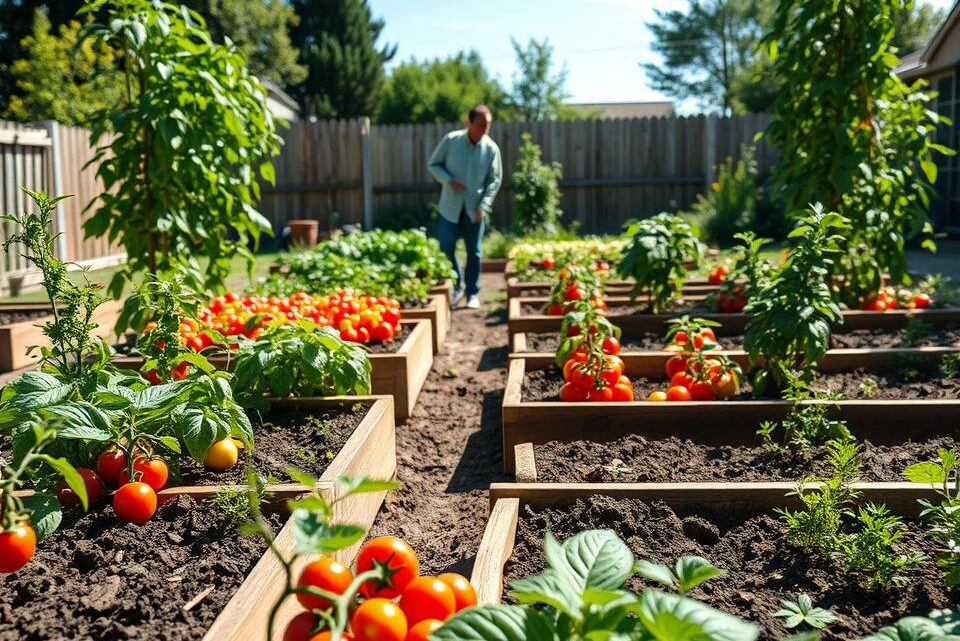
If you’re an avid gardener in the UK, you’re likely always on the lookout for ways to improve your gardening experience. Raised bed gardening is a technique that has gained popularity among UK gardeners due to its numerous benefits.
By elevating your garden beds, you can enjoy better drainage, warmer soil, and improved accessibility. This means you can start planting earlier in the season and enjoy a longer harvest period. Whether you’re a seasoned gardener or just starting out, gardening tips related to raised beds can help you maximise your yields.
Inhaltsverzeichnis
Key Takeaways
- Improved drainage and warmer soil through raised bed gardening
- Better accessibility for gardeners of all ages and abilities
- Potential for earlier planting and longer harvest periods
- Maximise your yields with effective gardening tips
- Raised bed gardening is a versatile technique for UK gardeners
What Is Raised Bed Gardening?
Raised bed gardening is a method of growing plants in elevated beds, typically made of wood, stone, or composite materials. This technique allows gardeners to control the soil quality, drainage, and accessibility, making it an attractive option for many.
Definition and Basic Concepts
Raised bed gardening involves creating beds that are higher than the surrounding soil. These beds are usually contained within a frame, which can be made from a variety of materials. The soil within these beds is often a mix specifically designed to optimize plant growth, including compost and other organic matter.
The basic concept revolves around improving soil conditions and making gardening more accessible. By elevating the bed, gardeners can avoid compaction of the soil, improve drainage, and warm the soil faster in the spring.
History and Evolution of Raised Beds
The history of raised bed gardening dates back centuries, with evidence of its use in ancient civilizations such as the Egyptians and Romans. These early gardeners recognized the benefits of controlling the soil environment to grow a variety of crops.
In modern times, raised bed gardening has evolved with new materials and techniques. The use of sustainable materials, such as recycled plastic and sustainably sourced wood, has become more prevalent. Additionally, the incorporation of irrigation systems and other technologies has made raised bed gardening more efficient and productive.
The Advantages of Raised Bed Gardening
By elevating your garden, you can enjoy a range of benefits that traditional gardening methods may not provide. Raised bed gardening has gained popularity among gardeners due to its numerous advantages, including improved soil quality, extended growing seasons, and reduced maintenance.
Improved Soil Quality and Drainage
Raised beds allow you to control the soil composition more effectively, ensuring better drainage and aeration. This is particularly beneficial in areas with heavy rainfall or poor soil quality. By using a well-balanced soil mix, you can improve soil structure and fertility, creating an ideal environment for plant growth.
A well-designed raised bed also enhances drainage, reducing the risk of waterlogged soil and root rot. This is especially important for plants that are sensitive to excessive moisture.
Extended Growing Season
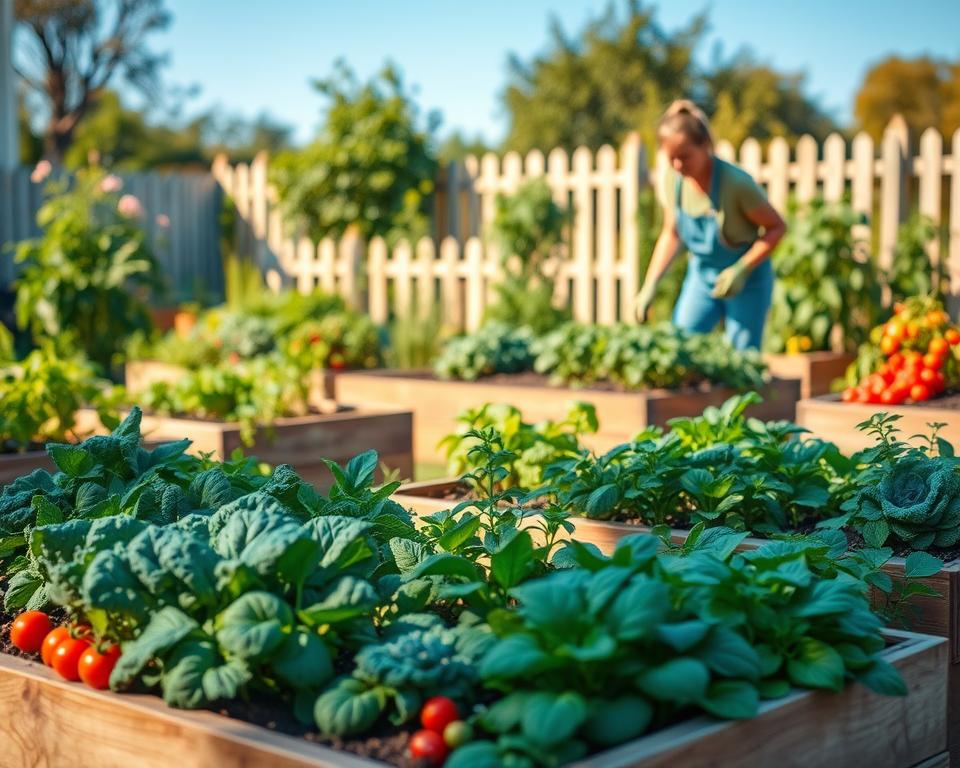
Raised beds warm up faster in the spring, allowing for an extended growing season. This is because the soil is elevated and exposed to more sunlight, warming it up quicker than in-ground gardens. As a result, you can start planting earlier in the season, giving your plants a head start.
Additionally, raised beds can be covered with cloches or row covers to protect plants from frost, further extending the growing season.
Reduced Maintenance and Weeding
Raised beds typically require less maintenance than traditional gardens. The defined boundaries of raised beds make it easier to manage weeds, and the improved drainage reduces the likelihood of weed growth. You can also use mulch or landscaping fabric to suppress weeds, making maintenance even easier.
| Advantages | Traditional Gardening | Raised Bed Gardening |
|---|---|---|
| Soil Quality Control | Limited | High |
| Drainage | Variable | Improved |
| Growing Season | Standard | Extended |
| Maintenance | High | Reduced |
Planning Your Raised Bed Garden
A well-planned raised bed garden is the foundation of a successful gardening experience. To achieve this, you need to consider several key factors that will influence the productivity and overall health of your garden.
Choosing the Perfect Location in British Gardens
When selecting a location for your raised bed, it’s crucial to choose a spot that receives adequate sunlight. Most vegetables and flowers require at least 6 hours of direct sunlight per day. Additionally, ensure the area is level and well-drained to prevent waterlogged soil. Consider the accessibility of the location to make maintenance easier.
Determining Size and Height
The size and height of your raised bed will depend on the space available and your personal preference. A typical height is between 6 to 12 inches, allowing for good drainage and root growth. For width, consider a maximum of 4 feet to enable easy access to the center without stepping into the bed. Customise the size based on the plants you intend to grow.
Layout Considerations for Maximum Efficiency
Efficient layout is vital for maximizing space and reducing maintenance. Consider a square foot gardening approach, dividing your bed into smaller sections for different plants. This method helps in planning and ensures a diverse and healthy garden. Pathways between beds should be at least 2 feet wide to allow for easy movement.
| Aspect | Consideration | Benefit |
|---|---|---|
| Location | Adequate sunlight and drainage | Healthy plant growth |
| Size and Height | Accessible width and appropriate height | Ease of maintenance and good root growth |
| Layout | Efficient spacing and pathways | Maximized space and reduced maintenance |

By carefully planning your raised bed garden, you can create a productive and enjoyable gardening experience. Consider these factors to ensure your garden thrives.
Materials for Building Raised Beds
The materials you choose for your raised bed can significantly impact its longevity and performance. When selecting materials, consider factors such as durability, maintenance, and aesthetic appeal to ensure your raised bed garden thrives.
Wood Options Available in the UK
Wood is a popular choice for raised beds due to its natural look and feel. In the UK, you can choose from various types of timber, including cedar, oak, and pine.
Pressure-Treated vs. Natural Timber
Pressure-treated timber is resistant to rot and insect damage, but it may contain chemicals that could leach into the soil. Natural timber, on the other hand, is a more sustainable option but requires more maintenance. Consider using naturally rot-resistant woods like cedar or oak for a durable and chemical-free solution.
Durability and Longevity Considerations
The durability of your raised bed depends on the type of wood and its treatment. A well-maintained wooden raised bed can last for many years. Regularly inspect your raised bed for signs of wear and tear, and apply a natural sealant if necessary.
| Wood Type | Durability | Maintenance |
|---|---|---|
| Cedar | High | Low |
| Oak | High | Medium |
| Pine | Medium | High |
Stone, Brick, and Concrete Alternatives
For a more permanent solution, consider using stone, brick, or concrete for your raised bed. These materials are durable and require minimal maintenance. However, they can be more expensive than wood and may require professional installation.

Recycled and Upcycled Materials
Using recycled or upcycled materials for your raised bed is an eco-friendly and cost-effective option. Consider repurposing old pallets, bricks, or stones to create a unique and sustainable raised bed. This approach not only reduces waste but also adds character to your garden.
By choosing the right materials for your raised bed, you can create a beautiful and thriving garden that meets your needs and complements your outdoor space.
Step-by-Step Guide to Building Your First Raised Bed
To get started with raised bed gardening, you’ll need to construct your first bed, a task that’s easier than you might think. Building a raised bed involves several straightforward steps that require some basic materials and tools.
Tools and Materials Needed
Before you begin, gather the necessary tools and materials. You’ll need wood or other materials for the frame, a saw for cutting, a drill for screwing the pieces together, and screws or nails to secure the structure. Additionally, consider using a level to ensure your bed is even and weather-resistant wood glue for extra durability.

Construction Process
The construction process involves several key steps. First, cut your materials to the desired size. Then, assemble the frame using your saw and drill.
Basic Rectangle Bed Construction
For a basic rectangle bed, start by cutting four pieces of wood to the required lengths. Assemble these pieces into a rectangular frame, using screws or nails to secure the corners. Make sure the corners are square and the frame is level.
Adding Corner Braces and Reinforcements
To add extra stability to your raised bed, consider adding corner braces. These can be metal or wooden brackets that reinforce the corners, preventing the bed from shifting over time. Additionally, you can add a layer of landscape fabric to the bottom of the bed to prevent weeds from growing up into the soil.
Adding Irrigation Systems
An efficient irrigation system is crucial for maintaining a healthy raised bed garden. Consider installing a drip irrigation system, which delivers water directly to the roots of the plants, reducing evaporation and runoff. You can also use soaker hoses as an alternative, which are easy to install and effective.
| Irrigation Method | Water Efficiency | Ease of Installation |
|---|---|---|
| Drip Irrigation | High | Moderate |
| Soaker Hoses | High | Easy |
| Hand Watering | Low | Easy |
“The best way to achieve success in raised bed gardening is to start with a well-planned irrigation system.”
By following these steps and considering your irrigation needs, you can create a thriving raised bed garden that will provide you with fresh produce for years to come.
Creating the Perfect Soil Mix for Raised Beds
A well-designed soil mix is the backbone of a thriving raised bed garden. The right blend of ingredients can significantly enhance soil quality, improve drainage, and increase nutrient availability for your plants. As you prepare your raised bed, understanding the components of a good soil mix and how to adjust them according to your needs is crucial.
Understanding Soil Components
Soil is typically composed of a mix of sand, silt, and clay, along with organic matter. Sand improves drainage, silt retains moisture, and clay provides nutrients. Organic matter, such as compost, enriches the soil with nutrients and improves its structure.
- Sand: Enhances drainage and prevents waterlogging.
- Silt: Retains moisture and supports healthy root growth.
- Clay: Rich in nutrients, clay helps retain them for plant uptake.
- Organic Matter: Adds nutrients and improves soil structure.
Recommended Soil Recipes for UK Climate
For the UK climate, a balanced soil mix is recommended. A general recipe includes:
- 40% Compost or well-rotted manure
- 20% Topsoil
- 20% Sand or grit
- 20% Other organic matter (leaf mold, peat, or coconut coir)
This mix provides good drainage, aeration, and nutrient supply. You can adjust the proportions based on the specific needs of your plants.
Adjusting pH and Nutrients
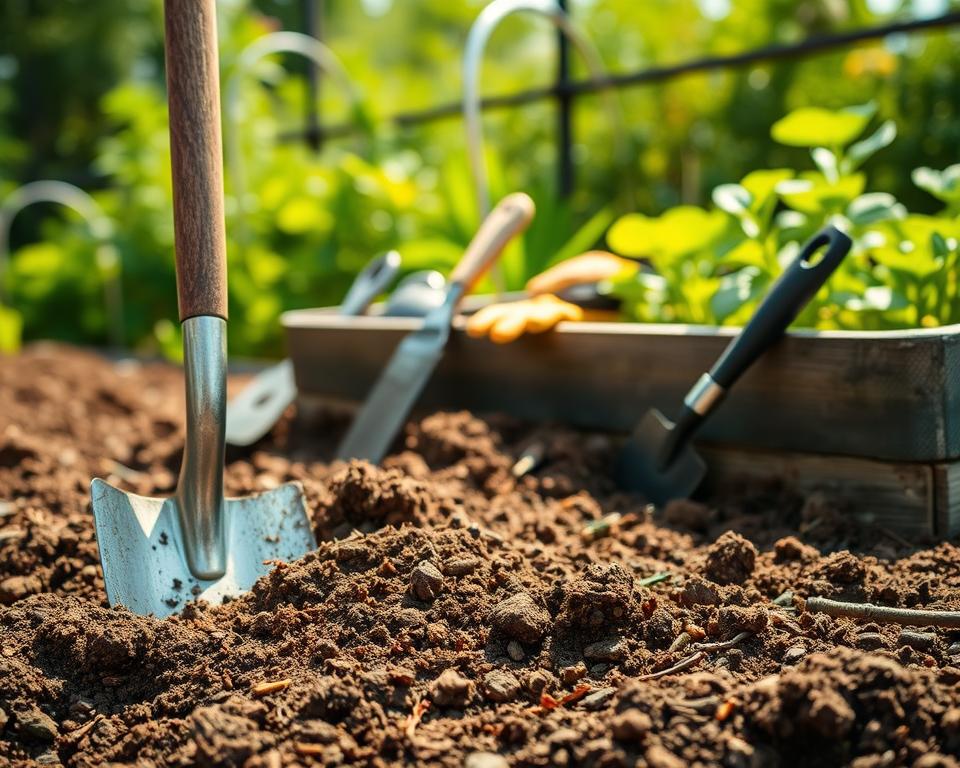
Most vegetables and herbs prefer a slightly acidic to neutral soil pH (around 6.0-7.0). You can adjust the pH by adding lime to raise it or elemental sulfur to lower it. Regularly test your soil to determine its nutrient content and pH level, making adjustments as necessary to ensure optimal growing conditions.
By following these guidelines, you can create a soil mix that supports healthy plant growth and maximizes the potential of your raised bed garden.
Best Plants for Raised Bed Gardening in the UK
To maximize your yield in a UK raised bed garden, it’s essential to choose plants that thrive in British conditions. Raised bed gardening allows for a diverse range of plants to be grown, from vegetables and herbs to flowers.
Vegetables That Thrive in British Raised Beds
Vegetables are a staple in many UK gardens. Raised beds provide excellent drainage and soil quality, making them ideal for growing a variety of vegetables.
Root Vegetables for UK Growing Conditions
Root vegetables such as carrots and beets do exceptionally well in raised beds due to the improved soil structure. These vegetables require well-draining, loose soil to grow.
Leafy Greens and Brassicas
Leafy greens like spinach and kale, along with brassicas such as broccoli and cauliflower, are well-suited to the UK climate and thrive in raised beds.
Herbs and Flowers for Companion Planting
Companion planting is a beneficial technique in raised bed gardening. Herbs like basil and mint can be planted alongside vegetables to enhance growth and deter pests. Flowers such as marigolds and nasturtiums also serve as excellent companions.
Plants to Avoid in Raised Beds
While raised beds are versatile, some plants may not be the best choice. Plants that require a lot of space or have deep taproots, such as potatoes, may not be ideal. Additionally, plants that are prone to diseases in wet conditions should be avoided.

Seasonal Planting Guide for UK Raised Bed Gardens
To make the most of your raised bed garden in the UK, it’s essential to follow a seasonal planting guide tailored to the local climate. This guide will help you understand what to plant and when, ensuring your garden remains productive throughout the year.
Spring Planting Schedule
In the UK, spring is a busy time for gardeners. As soon as the soil can be worked in late winter to early spring, you can start planting hardy vegetables like carrots and peas. Peas are one of the first crops to be planted, typically from late February. You can also start sowing lettuce, radishes, and other salad leaves.

Summer Maintenance and Succession Planting
Summer is the peak growing season, and your raised bed will require regular maintenance. Ensure you water your plants adequately, especially during dry spells. Succession planting is key during this period. For example, you can continue to sow salad leaves and radishes every few weeks to maintain a continuous harvest.
Autumn and Winter Gardening in Raised Beds
As summer fades into autumn, it’s time to prepare your raised bed for the cooler months. Plant brassicas like broccoli and kale, which thrive in the autumn. You can also plant garlic for a winter harvest. In winter, protect your soil with a layer of mulch or a cover crop to maintain soil health.
By following this seasonal planting guide, you’ll be able to enjoy a productive and thriving raised bed garden in the UK, regardless of the season.
Advanced Techniques for Raised Bed Gardening
To take your raised bed gardening to the next level, consider implementing advanced techniques. These methods can help you maximise your yield and create a more efficient and productive garden.
Square Foot Gardening Method
The Square Foot Gardening method involves dividing your raised bed into small, square sections, typically 1 foot by 1 foot. This approach allows you to grow a variety of plants in a compact space, reducing waste and increasing productivity. By using a grid system, you can plan and manage your garden more effectively.
Benefits of Square Foot Gardening:
- Maximises space
- Reduces soil compaction
- Increases crop yield
Vertical Growing in Raised Beds
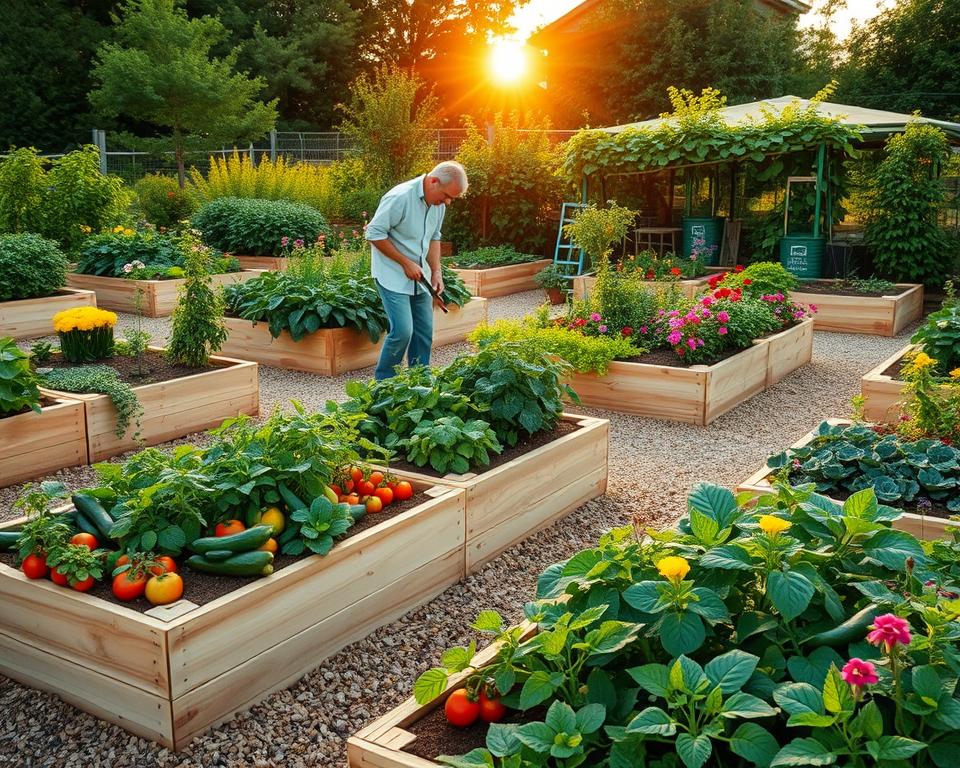
Vertical growing is another advanced technique that can be used in raised bed gardening. By incorporating trellises, arbors, or wall-mounted systems, you can grow vining plants such as peas, beans, and cucumbers upwards, making the most of your space.
Season Extension with Covers and Cloches
Season extension techniques involve using covers and cloches to protect your plants from harsh weather conditions, allowing you to extend the growing season. This can be particularly useful in the UK climate, where weather conditions can be unpredictable.
| Technique | Description | Benefits |
|---|---|---|
| Cold Frames | Structures with transparent tops that let in light and trap heat | Protects plants from frost, extends growing season |
| Cloches | Individual plant covers that trap warmth and protect from wind | Promotes healthy growth, protects from extreme weather |
| Row Covers | Lightweight fabrics that allow light and water to reach plants while keeping pests out | Reduces pest damage, retains moisture |
Maintaining Your Raised Bed Garden Throughout the Year
To keep your raised bed garden thriving, regular maintenance is crucial throughout the year. This involves a combination of proper watering, fertilising, and performing seasonal tasks to ensure your garden remains healthy and productive.
Watering Strategies for British Weather Conditions
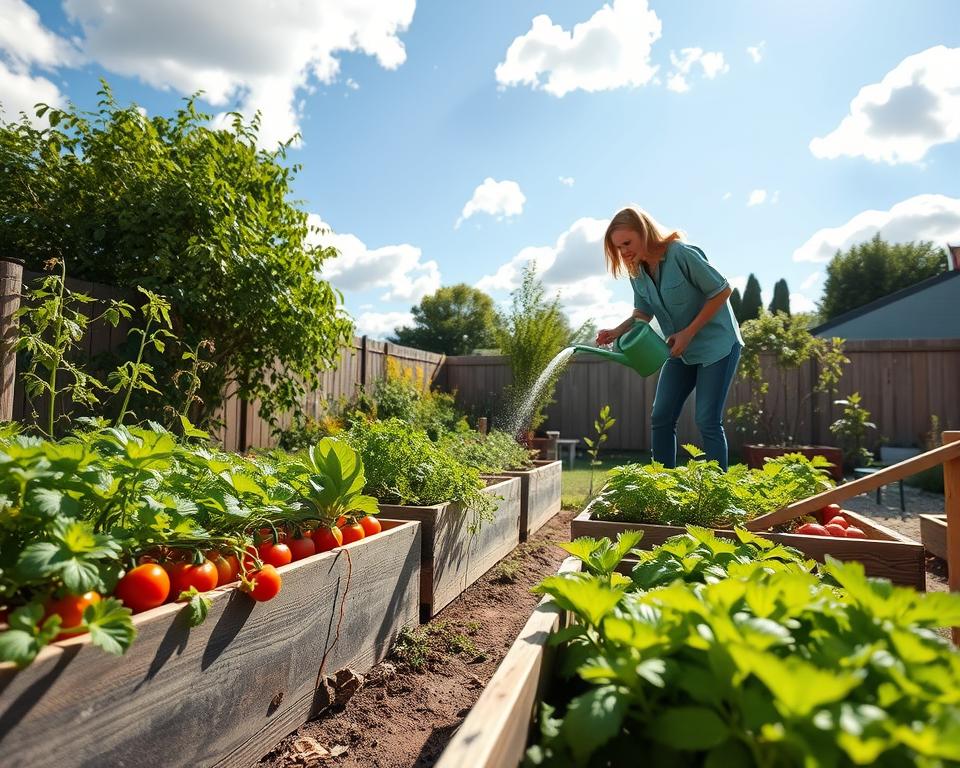
British weather can be quite unpredictable, making watering strategies crucial for your raised bed garden. During dry spells, it’s essential to water your plants deeply but infrequently to encourage deep root growth. In contrast, during wet periods, ensure your raised bed has good drainage to prevent waterlogged soil.
You can use a rainwater harvesting system to collect and store rainwater for dry days. Additionally, applying a layer of organic mulch can help retain moisture in the soil and reduce the need for frequent watering.
Fertilising and Feeding Plants
Fertilising is a critical aspect of gardening maintenance. For raised bed gardens, using a balanced, slow-release fertiliser can provide your plants with the necessary nutrients throughout the growing season. You can also incorporate compost into your soil mix to enhance its fertility and structure.
It’s also beneficial to rotate your crops to avoid depleting the soil of specific nutrients. Legumes, for example, can fix nitrogen in the soil, benefiting subsequent crops.
Seasonal Maintenance Tasks
Performing seasonal maintenance tasks is vital to keep your raised bed garden in top condition. In the spring, remove any winter debris and prepare your soil for new plantings. During the summer, keep an eye out for pests and diseases, and take action promptly if you notice any issues.
In the autumn, clear out spent plants and add organic matter to the soil. In the winter, protect your soil from erosion and extreme weather conditions by covering it with a layer of mulch or a cover crop.
By following these maintenance tips, you can enjoy a thriving and productive raised bed garden throughout the year.
Common Problems and Solutions in Raised Bed Gardening
As you embark on your raised bed gardening journey, you’ll inevitably encounter some common problems that can be easily resolved with the right strategies. Raised bed gardening, while rewarding, can present challenges such as pests, diseases, and structural issues. Understanding these problems and their solutions is key to maintaining a healthy and productive garden.
Pest Management Strategies for UK Gardens
Pests can be a significant problem in raised bed gardens. Common pests include slugs, snails, aphids, and other insects that can damage your plants. Effective pest management is crucial to prevent damage and ensure a bountiful harvest.
Dealing with Slugs and Snails
Slugs and snails are notorious pests in UK gardens. To control them, you can use organic methods such as removing debris and weeds that provide shelter, using copper tape around the raised beds, or applying organic slug pellets. Traps can also be effective, such as beer traps or boards to collect and remove them.
Controlling Aphids and Other Common Pests
Aphids are another common pest that can be controlled using companion planting, where certain plants are grown together to deter pests. Neem oil and insecticidal soap are also effective against aphids. Regularly inspecting your plants and removing infested areas can prevent the spread.
Disease Prevention and Control
Diseases can significantly impact your raised bed garden’s productivity. Prevention is key, and this can be achieved through good garden hygiene, crop rotation, and using disease-resistant varieties. Ensuring good air circulation and avoiding overwatering can also help prevent many diseases.
| Disease | Symptoms | Control Measures |
|---|---|---|
| Powdery Mildew | White powdery coating on leaves | Improve air circulation, remove infected leaves, use fungicides |
| Root Rot | Wilting, yellowing leaves, rotting roots | Avoid overwatering, improve drainage, use fungicides |
Structural Issues and Repairs
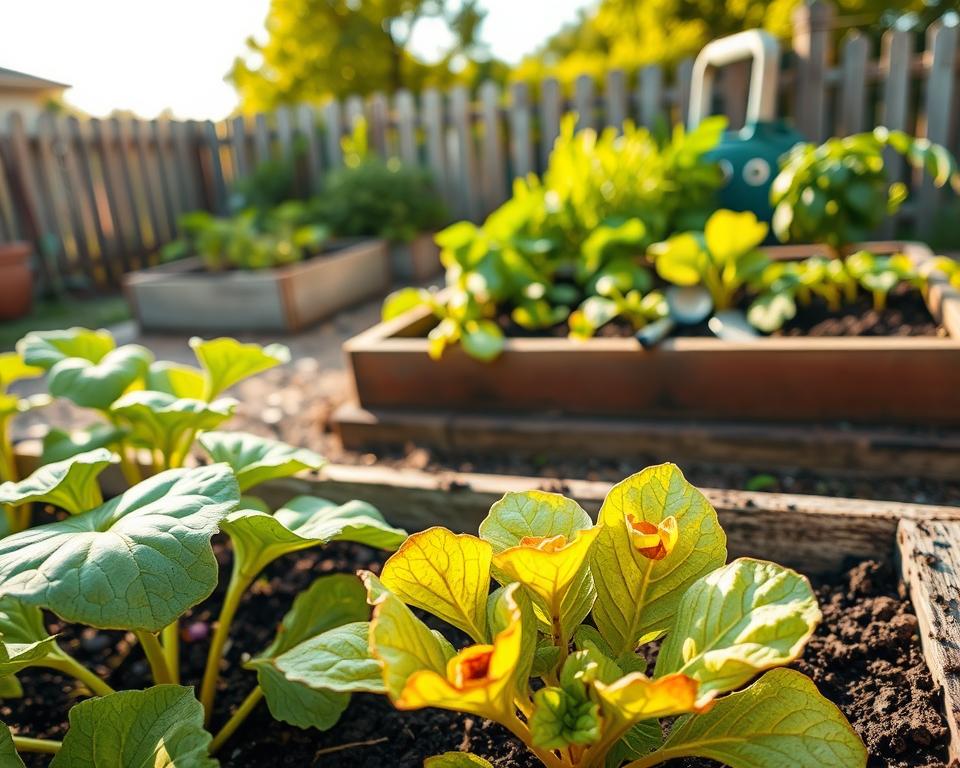
Raised beds can suffer from structural issues over time, such as rotting wood or damaged boards. Regular inspection can help identify these issues early. Replacing damaged boards and ensuring the structure remains level and secure can prevent further problems.
Cost Analysis: Is Raised Bed Gardening Worth the Investment?
To determine if raised bed gardening is worth the investment, it’s crucial to analyze both the initial and ongoing costs. Raised bed gardening offers numerous benefits, but understanding its financial implications is essential for making an informed decision.

Initial Setup Costs in the UK Market
The initial setup costs for raised bed gardening in the UK can vary widely depending on the materials chosen and the size of the garden. For instance, using high-quality wood like cedar or oak can be more expensive than using recycled materials. On average, a raised bed can cost anywhere from £50 to £200 or more, depending on its size and the materials used.
As Henry Mitchell once said, “The garden is a love song, a duet between a human being and Mother Nature.” Investing in a raised bed garden is not just about the initial cost; it’s about creating a sustainable and productive gardening space.
Long-term Savings and Benefits
While the initial setup costs may seem significant, raised bed gardening can lead to long-term savings and benefits. For example, improved soil quality and drainage can reduce the need for fertilizers and irrigation systems, saving you money over time. Additionally, raised beds can increase crop yields, providing more produce from a smaller area.
- Reduced soil erosion
- Improved crop yields
- Extended growing season
Budget-Friendly Alternatives
For those on a tight budget, there are several budget-friendly alternatives for raised bed gardening. Using recycled materials, such as old pallets or containers, can significantly reduce costs. You can also consider sharing costs with friends or family members if you’re planning a larger garden.
“The best garden is the one that is well-planned and well-maintained,” as gardening experts often say. Planning your raised bed garden carefully can help you stay within your budget while still achieving your gardening goals.
Conclusion: Embracing the Raised Bed Gardening Lifestyle
You’ve discovered the numerous benefits of raised bed gardening, from improved soil quality to reduced maintenance. As you consider adopting this gardening lifestyle, remember that it’s not just about growing plants – it’s about creating a sustainable and enjoyable outdoor space.
Raised bed gardening in the UK offers a unique opportunity to connect with nature, even in small or urban gardens. By choosing the right materials, designing your beds effectively, and selecting suitable plants, you can create a thriving garden that brings joy throughout the seasons.
As you embark on your raised bed gardening journey, consider the long-term benefits, including increased food security and a reduced environmental impact. With the right approach, you can enjoy a bountiful harvest and a beautiful garden, making the most of your outdoor space.
By embracing raised bed gardening, you’re not only enhancing your outdoor space but also adopting a lifestyle that promotes sustainability and well-being. Start planning your raised bed garden today and experience the rewards of this fulfilling gardening lifestyle.
FAQ
What are the benefits of using raised beds in my garden?
Raised beds offer several benefits, including improved soil quality and drainage, extended growing season, and reduced maintenance and weeding, making them ideal for UK gardeners.
What materials can I use to build raised beds?
You can use various materials to build raised beds, including wood, stone, brick, and recycled materials, each with its pros and cons, and the choice often depends on your budget, durability requirements, and personal preference.
How do I choose the perfect location for my raised bed garden?
To choose the perfect location, consider factors such as sunlight, accessibility, and soil quality, and ensure that your raised bed is level and well-drained, making it easier to maintain and enjoy.
What plants are suitable for raised bed gardening in the UK?
A wide range of plants thrive in raised bed gardens in the UK, including vegetables like root vegetables, leafy greens, and brassicas, as well as herbs and flowers, which can be used for companion planting.
How do I maintain my raised bed garden throughout the year?
To maintain your raised bed garden, follow a seasonal schedule that includes tasks such as watering, fertilising, and pruning, and be prepared to adapt to changing weather conditions and potential pests and diseases.
What are some common problems associated with raised bed gardening, and how can I solve them?
Common problems include pest management, disease prevention, and structural issues, which can be addressed through strategies such as using organic pest control methods, maintaining good hygiene, and inspecting your raised beds regularly.
Is raised bed gardening expensive?
While there may be initial setup costs associated with building raised beds, they can be cost-effective in the long run, as they reduce the need for external inputs like fertilizers and pesticides, and can increase crop yields.
Can I use raised beds for vertical gardening?
Yes, you can use raised beds for vertical gardening by incorporating trellises, arbors, or other supports, which can help maximize space and increase yields, making the most of your garden.
How do I ensure good drainage in my raised bed garden?
To ensure good drainage, use a well-draining soil mix, avoid overwatering, and incorporate drainage materials like gravel or broken pottery into your raised bed design, helping to prevent waterlogged soil.