Ultimate Shed Accessories Guide: Essential Storage Ideas
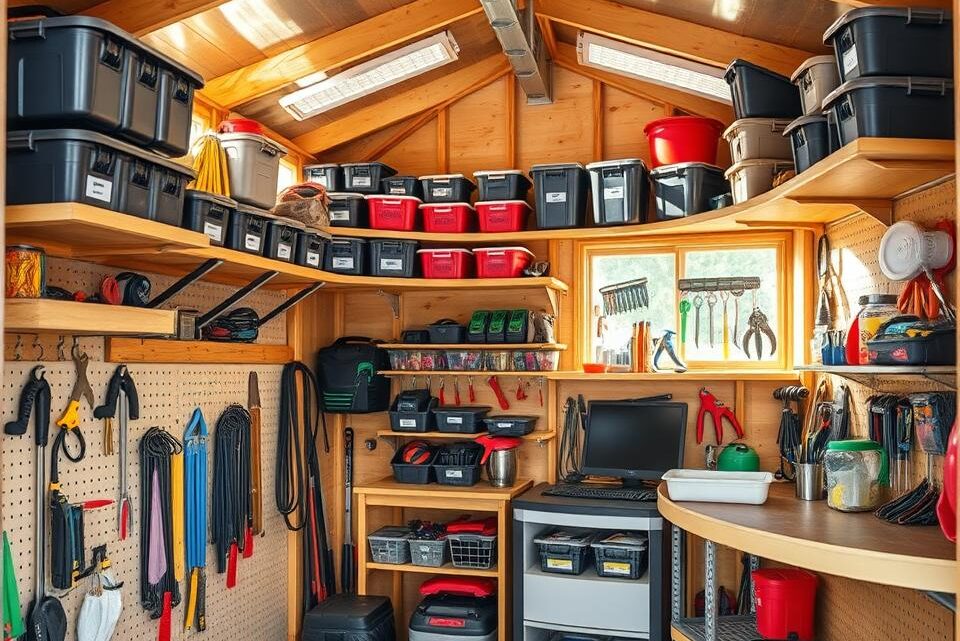
Your garden shed doesn’t have to be a chaotic mess where tools disappear into dark corners. With the right approach to shed organisation, you can transform any outdoor space into a perfectly organised haven. Whether you’re working with a compact 6×4 structure or a spacious 12×8 building, smart planning makes all the difference.
Effective storage solutions maximise every inch of available space whilst keeping your belongings easily accessible. From wall-mounted systems that utilise vertical space to clever overhead racks for seasonal items, the possibilities are endless. The key lies in understanding which accessories work best for your specific needs and budget.
This comprehensive approach covers practical, budget-friendly techniques that work brilliantly in typical UK garden sheds. You’ll discover how to create dedicated spaces for gardening equipment, tools, and everything in between. Smart organisation isn’t just about tidiness—it’s about making your outdoor workspace more efficient and enjoyable to use.
Inhaltsverzeichnis
Key Takeaways
- Transform chaotic sheds into organised storage havens using practical accessories
- Maximise vertical and overhead space with wall-mounted and ceiling storage systems
- Create dedicated zones for tools, gardening equipment, and seasonal items
- Implement budget-friendly organisation techniques suitable for UK garden sheds
- Utilise smart storage solutions that work effectively in both compact and spacious structures
- Focus on accessibility whilst maintaining maximum storage capacity
Assessing Your Shed Storage Needs
A systematic evaluation of your shed’s storage potential will save you both time and money when selecting the right garden shed accessories. This crucial first step prevents costly mistakes and ensures every storage solution works perfectly in your space.
Taking time to properly assess your needs creates a solid foundation for your organisation project. You’ll avoid purchasing items that don’t fit or serve your specific requirements.
Measuring Your Available Space
Start by measuring your shed’s length, width, and height using a tape measure. Record these dimensions carefully, noting any obstacles like windows, electrical fixtures, or structural beams.
Don’t forget to measure door openings and pathways. These measurements determine what size items you can actually fit inside your shed.
Cataloguing Your Items
Create a comprehensive list of everything currently stored in your shed. Include items you plan to store in the future, such as seasonal decorations or garden equipment.
Group similar items together and note their sizes, weights, and how often you use them. This information helps you choose appropriate shed storage systems for each category.
Identifying Problem Areas
Walk through your shed and identify spaces that aren’t working efficiently. Look for cluttered corners, items stored on the floor, and walls that could accommodate storage.
Common problem areas include unused ceiling space, awkward corners, and areas behind the door. Recognising these challenges early helps you select targeted storage solutions.
| Assessment Area | What to Measure | Key Considerations |
|---|---|---|
| Floor Space | Available walking area | Maintain clear pathways |
| Wall Space | Usable wall height and width | Avoid windows and fixtures |
| Ceiling Height | Clearance for overhead storage | Consider door swing clearance |
| Item Categories | Size, weight, frequency of use | Group similar items together |
Essential Wall Storage Solutions
The walls of your shed represent untapped potential for creating systematic storage that keeps your tools visible and within easy reach. Vertical storage maximises your available space whilst maintaining easy access to frequently used items. Whether you’re working with wooden cladding, metal panels, or brick walls, the right wall-mounted accessories can transform your shed into an organised workspace.
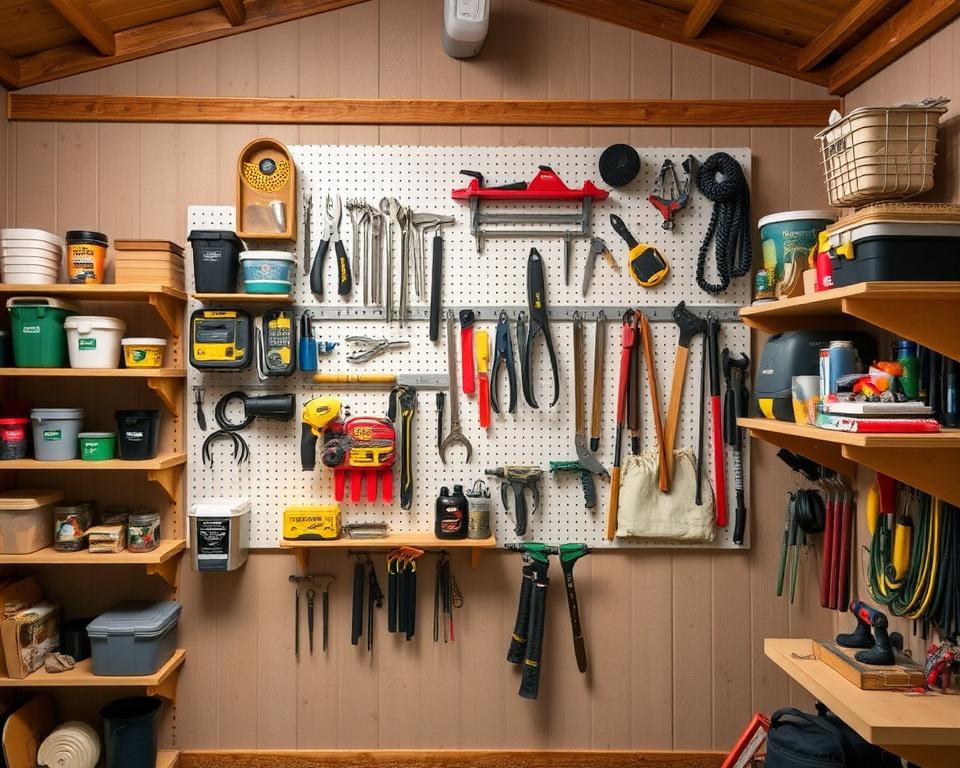
Pegboard Systems and Tool Hangers
Pegboard systems offer incredible versatility for tool storage, allowing you to customise your layout as your needs change. These perforated boards accommodate various hooks, brackets, and holders that can support everything from screwdrivers to power tools.
Installation requires securing the pegboard to wall studs for maximum weight capacity. Quality pegboard systems can hold up to 75 pounds when properly mounted, making them ideal for heavy garden tools and equipment.
Wall-Mounted Shelving Units
Shed shelving units provide robust storage for bulky items like paint tins, fertiliser bags, and seasonal decorations. Metal bracket systems offer superior strength, whilst adjustable shelving allows you to accommodate items of varying heights.
Consider the weight distribution when loading shelves. Heavier items should always go on lower shelves to maintain stability and prevent accidents.
Magnetic Tool Strips
Magnetic strips create an elegant solution for metal tool storage, keeping chisels, wrenches, and screwdrivers organised and visible. These strips work particularly well in workshop areas where you need quick access to hand tools.
Industrial-strength magnetic strips can hold up to 15 pounds per foot, making them suitable for most hand tools whilst freeing up valuable drawer space.
Maximising Floor Space with Smart Storage
Smart floor storage solutions transform cluttered sheds into organised, efficient workspaces. Your shed’s ground level serves as the foundation for creating a systematic approach to outdoor storage. By implementing the right combination of storage accessories, you can dramatically increase capacity whilst maintaining easy access to your belongings.
Floor-based storage requires careful planning to ensure smooth movement throughout your shed. The key lies in selecting versatile solutions that adapt to your changing needs throughout the seasons.
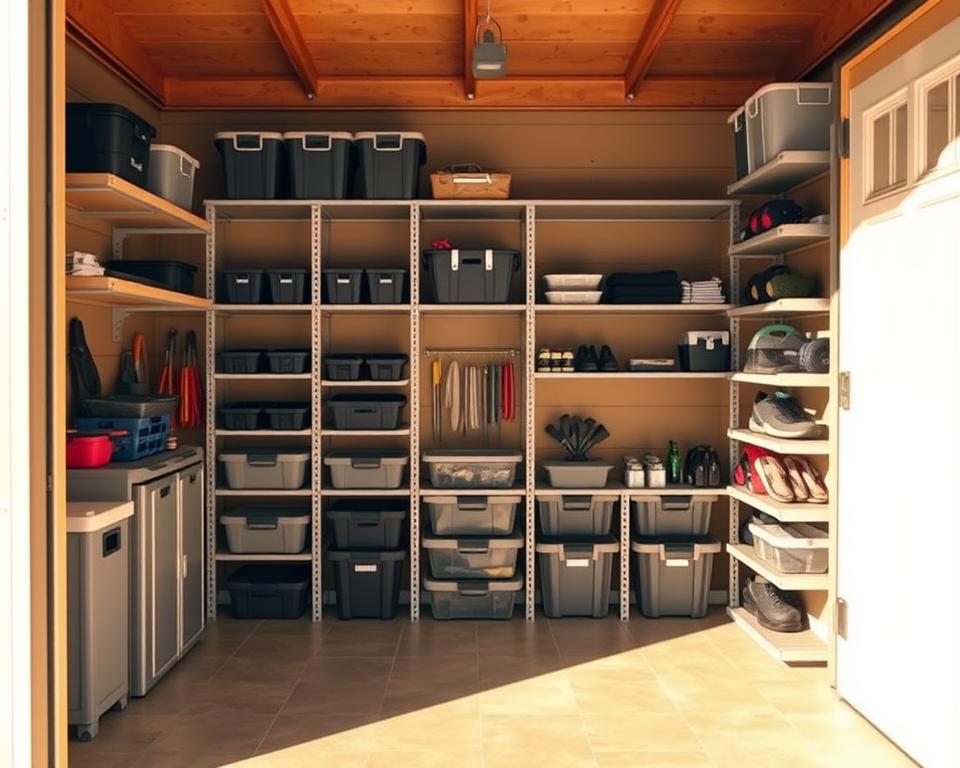
Stackable Storage Bins
Stackable bins offer incredible flexibility for seasonal organisation. These containers create vertical storage towers that maximise your shed’s height potential. Choose clear plastic bins for easy identification of contents, or opt for heavy-duty options that withstand damp conditions common in UK climates.
Label each bin clearly and stack similar items together. Seasonal decorations work perfectly in upper bins, whilst frequently used items should remain at eye level.
Rolling Tool Chests
Professional rolling tool chests bring workshop efficiency to your shed. These mobile units provide secure storage with multiple drawers for organising different tool categories. The wheels allow you to move tools directly to your work area, reducing time spent searching.
Look for models with locking mechanisms to protect valuable tools from theft and weather damage.
Modular Shelving Systems
Modular shelving adapts perfectly to your shed’s unique dimensions. These systems grow with your storage needs, allowing you to add or reconfigure sections as requirements change. Metal units resist moisture better than wood, making them ideal for garage storage ideas in humid environments.
| Storage Type | Capacity | Mobility | Weather Resistance |
|---|---|---|---|
| Stackable Bins | Medium | Portable | High |
| Rolling Tool Chests | High | Mobile | Medium |
| Modular Shelving | Very High | Fixed | High |
Overhead Storage Accessories and Ideas
Looking upwards reveals the greatest untapped potential for expanding your shed’s storage capacity. The ceiling area often provides more usable space than your walls and floor combined. Smart overhead storage accessories can double your available storage whilst keeping frequently used items easily accessible at ground level.
These elevated solutions work brilliantly for seasonal equipment, camping gear, and bulky items you don’t need daily access to. However, success depends entirely on choosing the right system for your shed’s structure and your specific storage needs.
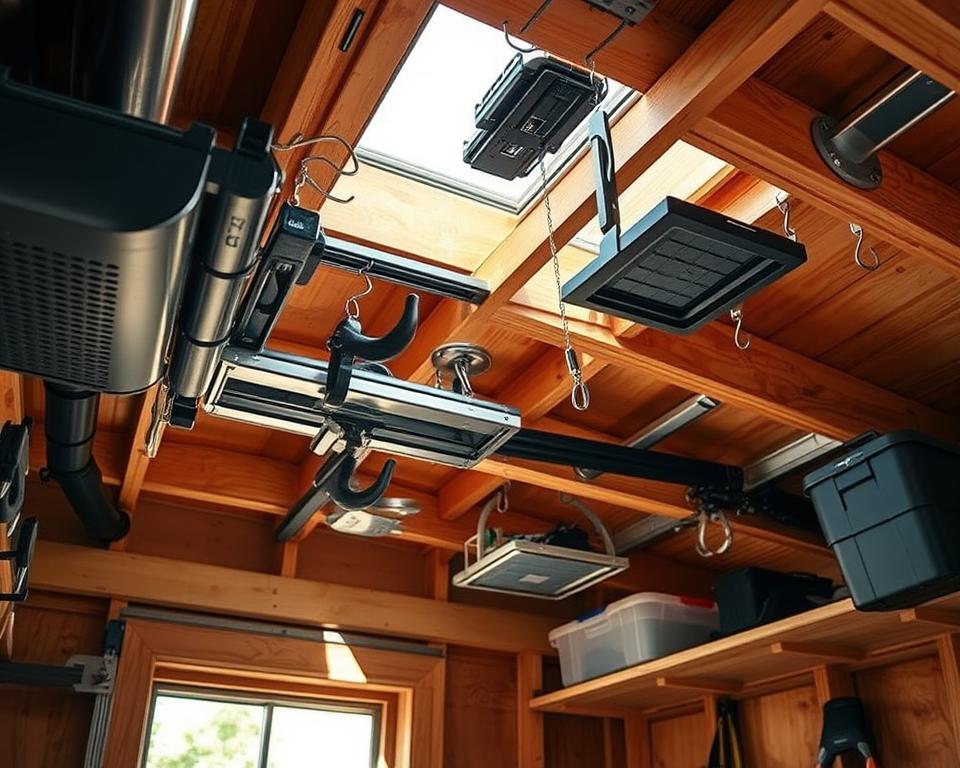
Ceiling-Mounted Platforms
Ceiling-mounted platforms offer the most substantial overhead storage solution available. These sturdy shelves attach directly to your shed’s roof joists, creating a secure upper level for heavy boxes and equipment.
Weight capacity varies significantly depending on your shed’s construction. Timber-framed sheds typically support 50-75kg per platform, whilst steel-framed structures can handle considerably more. Always check your shed manufacturer’s specifications before installation.
Position platforms away from the shed door to maintain headroom for daily activities. Leave at least 2 metres clearance for comfortable movement below.
Hanging Storage Nets
Hanging nets provide flexible storage for lightweight, bulky items like sports equipment or garden cushions. These mesh systems stretch between ceiling hooks, creating adjustable compartments that expand and contract with your storage needs.
Installation requires minimal tools and won’t stress your shed’s structure. Perfect for renters who need removable storage accessories, nets leave no permanent marks when relocated.
Choose heavy-duty cargo nets rated for at least 20kg to ensure longevity and safety.
Pulley Systems for Heavy Items
Pulley systems revolutionise access to heavy overhead storage. These mechanical aids allow you to safely raise and lower items like lawnmowers or toolboxes without ladder climbing or heavy lifting.
Modern pulley systems include safety locks and smooth-running cables that make operation effortless. Ideal for storing seasonal equipment that’s too heavy for permanent overhead placement but used infrequently enough to warrant ceiling storage.
Professional installation ensures proper weight distribution and safety compliance.
| Storage Type | Weight Capacity | Installation Difficulty | Best For |
|---|---|---|---|
| Ceiling Platforms | 50-100kg | Moderate | Heavy boxes, seasonal items |
| Hanging Nets | 15-25kg | Easy | Sports equipment, cushions |
| Pulley Systems | 75-150kg | Complex | Heavy machinery, mowers |
| Simple Hooks | 10-20kg | Easy | Lightweight tools, hoses |
Ultimate Shed Accessories Guide: Must-Have Organisers
Effective shed storage ideas begin with investing in quality organisers that maximise every square inch of available space. The right organisational accessories transform chaotic collections into streamlined systems. These essential components create designated homes for every tool whilst maintaining easy access to frequently used items.
Professional workspace organisation relies on selecting organisers that match your specific storage requirements. From compact hand tools to bulky garden equipment, each category demands tailored solutions.
Tool Organisers and Holders
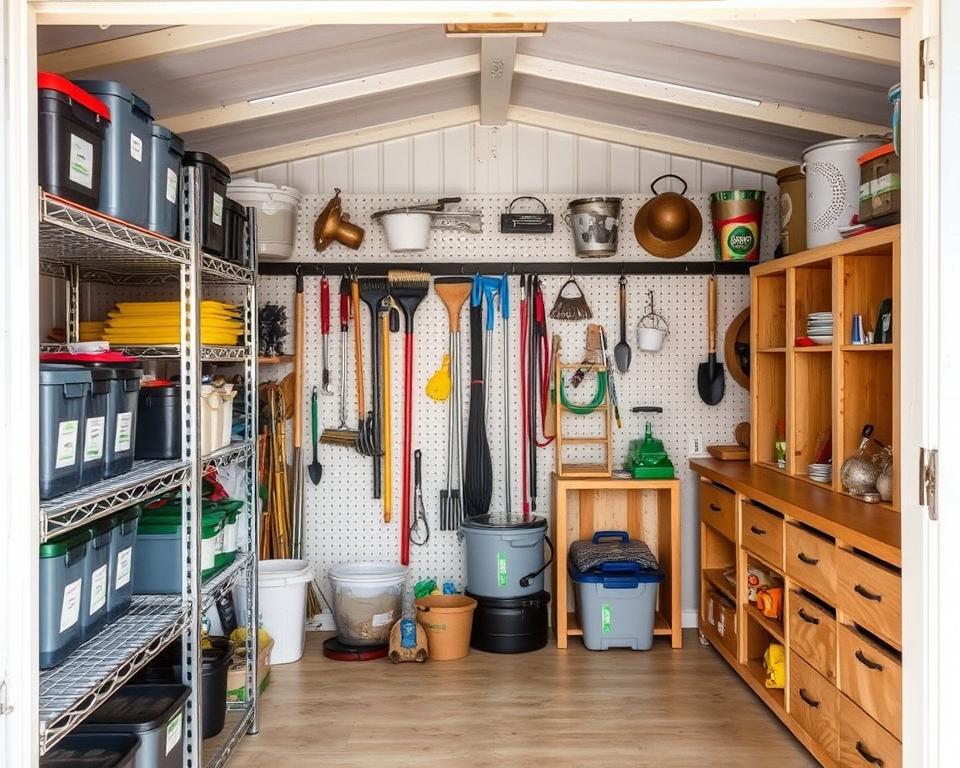
Tool organisers range from simple foam inserts to sophisticated rotating carousels. Custom foam inserts create perfect tool shapes, preventing damage and ensuring quick identification. Rotating tool carousels maximise accessibility in tight spaces, bringing tools to you rather than requiring awkward reaching.
Magnetic tool holders work brilliantly for metal tools, whilst pegboard systems accommodate various tool sizes. Consider drawer organisers for smaller hand tools and wall-mounted holders for power tools.
Small Parts Storage Solutions
Small hardware items like screws, nails, and washers require specialised storage to prevent loss. Clear compartmented boxes allow instant identification of contents. Drawer organisers with adjustable dividers adapt to different part sizes.
Wall-mounted storage systems with transparent containers keep small parts visible and accessible. Label each compartment for quick identification during projects.
Garden Equipment Racks
Garden tool storage presents unique challenges with long handles and seasonal equipment. Vertical racks maximise floor space whilst keeping tools organised. Hose reels prevent tangling and extend hose life.
Seasonal equipment racks accommodate changing storage needs throughout the year. Workspace organisation improves dramatically when garden tools have designated storage zones.
| Organiser Type | Best For | Storage Capacity | Installation |
|---|---|---|---|
| Foam Insert Trays | Hand Tools | 15-30 tools | Drawer placement |
| Rotating Carousels | Mixed Tools | 40-60 items | Countertop/shelf |
| Compartment Boxes | Small Parts | 100+ pieces | Shelf/drawer |
| Vertical Garden Racks | Long-Handle Tools | 8-12 tools | Wall-mounted |
Specialised Storage for Different Item Types
Creating specialised storage zones for different equipment types transforms chaotic sheds into organised, functional spaces. Each category of items presents unique challenges that require specific solutions. Proper tool organisation ensures safety, extends equipment life, and saves valuable time when searching for items.
Long-Handle Tool Storage
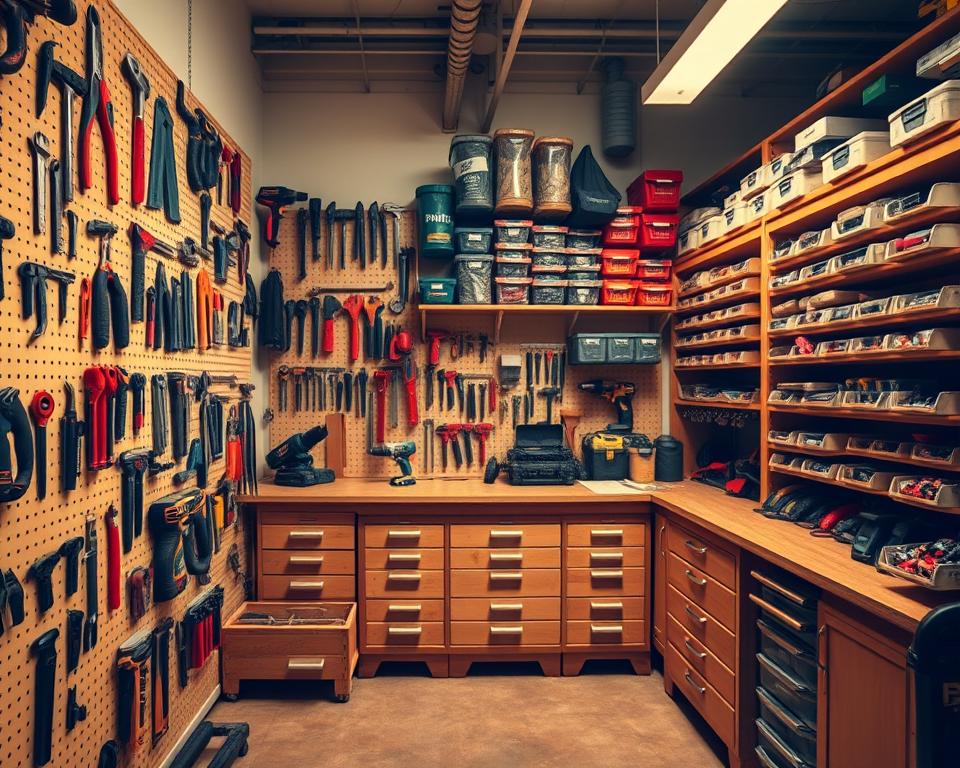
Long-handle tools like spades, rakes, and brooms need secure mounting to prevent dangerous falls. Wall-mounted rack systems work brilliantly for most sheds. These racks grip tool handles firmly whilst keeping them easily accessible.
Corner storage solutions maximise awkward spaces effectively. Spring-loaded clips hold tools securely against walls without complex installation. For smaller sheds, ceiling hooks can store long handles overhead, though this requires careful height consideration.
Chemical and Liquid Storage
UK regulations require specific safety measures for garden chemicals and fuel storage. Proper ventilation prevents dangerous fume build-up in enclosed spaces. Metal cabinets with locking mechanisms keep hazardous materials secure and separated from other items.
Different chemical types need separate storage areas. Quality shed accessories include spill-proof containers and clearly marked shelving systems. Always check expiry dates and disposal requirements for old products.
Seasonal Equipment Organisation
Seasonal items create storage challenges due to irregular use patterns. Rotation systems work wonderfully for items like Christmas decorations or summer furniture. Clear storage boxes with detailed labels make seasonal transitions effortless.
Protective covers prevent dust and moisture damage during long storage periods. Strategic shed accessories include vacuum storage bags for soft items and climate-controlled containers for delicate equipment. Regular rotation keeps frequently used items accessible whilst protecting seasonal gear.
DIY Storage Solutions on a Budget
Creating efficient storage solutions for your shed becomes affordable with clever DIY techniques and resourceful thinking. Rather than purchasing expensive commercial organisers, you can transform everyday items into practical storage systems. These budget storage solutions often work better than shop-bought alternatives because they’re tailored to your specific needs.
Repurposing Household Items
Your kitchen cupboards hold surprising storage treasures. Glass jars become perfect containers for screws, bolts, and small hardware. Simply screw the lids underneath shelves for space-saving storage that keeps contents visible.
Plastic milk bottles transform into excellent scoops for fertiliser or bird seed. Cut them at an angle to create the perfect pouring tool. Yoghurt pots work brilliantly for organising small garden accessories like plant labels or ties.
Building Custom Storage
Simple woodworking projects create storage that fits your exact requirements. A basic pegboard costs under £20 and provides endless tool storage possibilities. Plywood shelves with brackets offer customisable storage for paint tins and supplies.
Building tool racks from scrap wood ensures perfect sizing for your equipment. These DIY shed organisation projects require only basic skills and common tools you likely already own.
Upcycling Old Furniture
That old chest of drawers becomes an excellent tool storage system with minimal modification. Remove a few drawers to create spaces for larger items whilst keeping others for small parts organisation.
Discarded bookshelves work perfectly for storing paint, chemicals, and gardening supplies. Sand and repaint them to match your shed’s interior whilst creating professional-looking storage at fraction of retail cost.
Installing Your Shed Storage Accessories
Successfully setting up your shed storage system depends on having the correct tools and following proven methods. Proper shed installation ensures your accessories function safely and effectively for years to come. Whether you’re mounting simple shelves or installing complex overhead systems, the right approach makes all the difference.
Essential Equipment and Fixings
Your storage system setup requires specific tools and materials for different wall types commonly found in UK sheds. Basic hand tools include a cordless drill, spirit level, tape measure, and pencil for marking positions. You’ll also need appropriate fixings such as wall plugs, screws, and brackets designed for your shed’s construction material.
Timber sheds typically require wood screws and wall plugs, whilst metal sheds need self-drilling screws or magnetic fixtures. Quality tools provide better results and last longer, making them worthwhile investments for multiple projects.
Professional Installation Process
Begin your shed installation by marking mounting points with a spirit level to ensure everything aligns perfectly. Drill pilot holes to prevent splitting, then secure brackets using appropriate fixings. Test each mounting point before adding weight to verify stability.
| Installation Stage | Key Action | Common Mistake | Prevention Tip |
|---|---|---|---|
| Planning | Measure twice | Incorrect spacing | Use paper template |
| Marking | Check level | Crooked installation | Double-check measurements |
| Drilling | Use correct bit size | Oversized holes | Test on scrap material |
| Mounting | Secure firmly | Loose fixtures | Check weight limits |
Critical Safety Guidelines
Safety considerations are paramount during any storage system setup project. Always use stable ladders on level ground when installing overhead storage. Check weight limits for your shed’s structure before mounting heavy items.
“Proper preparation prevents poor performance” – this principle applies especially to shed installations where structural integrity matters.
Never exceed manufacturer weight recommendations, and ensure electrical safety by switching off power when working near outlets or lighting fixtures.
Creating Zones for Maximum Efficiency
Effective zoning turns an ordinary shed into a well-organised hub that supports all your projects and hobbies. A thoughtful shed layout with designated areas ensures that everything has its place whilst maintaining easy access to the items you need most. By creating efficient storage zones, you’ll transform chaotic clutter into a streamlined system that works with your natural habits and seasonal requirements.
Work Area Organisation
Your work zone forms the heart of any functional shed layout. Position your workbench near a window or install adequate lighting to create a productive environment. Keep frequently used tools within arm’s reach using wall-mounted holders or a nearby tool chest.
Consider the workflow when arranging your workspace. Place measuring tools, fasteners, and safety equipment in easily accessible spots. A small shelf above your workbench provides perfect storage for project materials and reference guides.
Seasonal Storage Zones
Seasonal items require strategic placement that changes throughout the year. Create flexible zones that can adapt to your needs. Summer equipment like garden furniture and barbecue accessories should occupy prime real estate during warm months.
Winter tools and equipment need accessible positioning during colder periods. Use clearly labelled containers and consider a rotation system. Efficient storage zones allow you to swap seasonal items without disrupting your entire organisation system.
Frequently Used vs Rarely Used Items
The golden rule of shed organisation is simple: daily tools stay close, occasional items go high or deep. Place everyday essentials at eye level and within easy reach. Items used weekly can occupy slightly less convenient spots.
Rarely used equipment belongs in overhead storage or back corners. Label everything clearly so you can find seasonal or specialty items when needed. This approach prevents clutter from accumulating in your primary work areas whilst ensuring nothing gets forgotten.
Maintaining Your Organised Shed System
Your perfectly arranged storage system won’t maintain itself – regular organisation upkeep is essential for long-term success. Even the most thoughtfully designed storage solutions can quickly become chaotic without proper maintenance routines. Establishing consistent habits from the start prevents small problems from becoming overwhelming challenges.
The key to successful long-term organisation lies in creating systems that work with your natural habits rather than against them. This means developing realistic schedules and maintenance practices that fit seamlessly into your existing routine.
Regular Decluttering Schedule
Create a seasonal decluttering calendar that aligns with natural UK weather patterns. Spring cleaning in March provides an excellent opportunity to assess winter damage and prepare for the growing season ahead. Summer reviews in July help identify tools and equipment that aren’t earning their storage space.
Autumn preparation in September focuses on winterising your shed and removing items that won’t be needed during colder months. A year-end review in December allows you to evaluate what worked well and plan improvements for the following year.
Cleaning and Maintenance Tips
Shed maintenance extends beyond simple tidying. Protect metal tools from rust by applying thin oil coats before storage, especially during Britain’s damp months. Wooden storage components benefit from annual treatment with appropriate preservatives to prevent rot and insect damage.
Keep storage containers clean and dry to prevent pest problems. Regular vacuuming removes debris that attracts unwanted visitors, whilst checking for gaps or holes prevents entry points for mice and insects.
Updating Your Storage as Needs Change
Your storage requirements will naturally evolve as hobbies develop and equipment changes. Rather than completely overhauling your system, make gradual adjustments that preserve successful elements whilst accommodating new needs.
Document what works well before making changes, and always maintain clear labelling systems when reconfiguring storage areas. This organisation upkeep approach ensures continuity whilst allowing for necessary adaptations.
Transform Your Shed Into the Perfect Storage Space
Your shed storage transformation journey starts with the right knowledge and tools. This guide has equipped you with proven strategies to turn any cluttered shed into an organised outdoor space that works efficiently.
The systematic approach we’ve covered gives you multiple pathways to success. Wall storage solutions maximise vertical space. Floor organisation keeps everything accessible. Overhead systems handle seasonal items perfectly. Each method builds upon the others to create a complete storage ecosystem.
Budget constraints don’t have to limit your progress. DIY solutions offer excellent results when combined with smart planning. Professional storage systems provide long-term durability. The choice depends on your specific needs and resources available.
Creating zones transforms how you use your space daily. Work areas become more productive. Seasonal storage stays organised year-round. Frequently used items remain within easy reach while occasional equipment stays safely stored.
Regular maintenance keeps your organised outdoor space functioning smoothly. Simple cleaning routines prevent clutter from returning. Periodic reassessment ensures your system evolves with changing needs.
Your shed storage transformation doesn’t end here. It begins with your first installation. Each storage solution you implement brings you closer to that perfectly organised space you’ve envisioned. The tools and techniques are now in your hands to create lasting change.
FAQ
How do I determine what storage accessories I need for my shed?
Start by measuring your shed’s dimensions including height, width, and depth, noting any obstacles like windows or electrical fixtures. Create a comprehensive inventory of all items you plan to store, categorising them by size, frequency of use, and storage requirements. Identify problem areas such as wasted corner spaces or cluttered floor areas. This systematic assessment ensures you invest in storage solutions that suit your specific needs rather than purchasing accessories that don’t fit your shed layout or requirements.
What are the most effective wall storage solutions for garden sheds?
Pegboard systems offer the most versatility, allowing you to hang tools of various sizes and easily reconfigure as needs change. Wall-mounted shelving units work brilliantly for heavier items like paint tins and power tools, whilst magnetic tool strips provide elegant organisation for metal tools. Choose solutions based on your shed’s construction materials – whether wooden cladding, metal panels, or concrete blocks – and always consider weight capacity when installing wall storage accessories.
How can I maximise floor space in a small shed?
Focus on stackable storage bins that create vertical storage towers whilst maintaining accessibility. Rolling tool chests provide professional organisation with mobility, allowing you to move tools where needed. Modular shelving systems offer ultimate adaptability, fitting perfectly to your shed’s dimensions. Always consider weight distribution, maintain clear pathways, and ensure frequently used items remain easily accessible whilst maximising vertical storage capacity.
Is overhead storage safe in garden sheds?
Yes, when properly installed with consideration for your shed’s structural capacity. Ceiling-mounted platforms are ideal for seasonal items and light equipment, whilst hanging storage nets work well for bulky but lightweight items. For heavier items, pulley systems provide safe access. Always check weight limits, ensure proper installation into structural elements, and avoid overloading overhead storage to maintain your shed’s integrity.
What’s the best way to organise small parts like screws and nails?
Use compartmented storage boxes with clear lids for visibility, or install wall-mounted drawer organisers for easy access. Label everything clearly and group similar items together. Consider using repurposed jars or containers with transparent sides. Magnetic strips work excellently for metal fasteners, keeping them visible and preventing loss. The key is creating a system where you can quickly identify and access small parts without rummaging through boxes.
How should I store garden chemicals and liquids safely?
Store chemicals in original containers with intact labels, ensuring proper ventilation and separation from incompatible substances. Use lockable cabinets if children have access to the shed. Keep chemicals off the ground using shelving, away from heat sources and electrical equipment. Follow UK regulations for chemical storage, including quantity limits and containment requirements. Never store chemicals in food containers or unmarked bottles.
What DIY storage solutions work well on a budget?
Repurpose household items like coffee jars for small parts storage and plastic bottles as scoops. Build custom shelving using basic plywood and brackets for solutions tailored to your space. Upcycle old furniture – chest of drawers become excellent tool storage, whilst bookchelves work perfectly for paint and supplies. These DIY approaches often outperform expensive commercial alternatives whilst being environmentally friendly.
How do I install wall storage accessories safely?
Use appropriate fixings for your wall type – wall plugs for masonry, wood screws for timber framing. Always locate wall studs or structural elements for heavy installations. Use a spirit level for accurate positioning and pre-drill holes to prevent splitting. Consider weight limits and distribute loads across multiple fixing points. When working overhead, use proper ladders and have someone assist with installation.
What’s the best way to create zones in my shed?
Designate a work area with good lighting and power access, keeping frequently used tools nearby. Create seasonal storage zones where summer and winter equipment can be rotated based on the time of year. Separate frequently used items from rarely used ones, ensuring everyday tools remain easily accessible. Use clear pathways between zones and maintain flexibility to adapt as your needs change throughout the year.
How often should I reorganise and declutter my shed?
Implement a regular decluttering schedule with seasonal reviews – spring cleaning, autumn preparation, and year-end organisation. Monthly quick tidy-ups help prevent accumulation of unnecessary items. Annual deep cleans allow you to reassess storage needs and identify items no longer serving a purpose. Regular maintenance prevents small problems from becoming major organisational challenges.
Can I adapt my storage system as my needs change?
Absolutely! Choose modular systems that can be reconfigured rather than fixed solutions. Pegboards and adjustable shelving offer excellent flexibility. As hobbies change or equipment is acquired, you can add new components or rearrange existing storage. The key is maintaining core organisational principles whilst adapting the physical layout to accommodate evolving requirements.
What storage accessories work best for long-handled garden tools?
Wall-mounted rack systems prevent tools from falling over and maximise floor space. Corner storage solutions utilise often-wasted space effectively. Spring-loaded clips or hooks work well for individual tools, whilst purpose-built garden tool organisers can accommodate multiple implements. Ensure tools are properly secured and easily accessible, with frequently used items positioned at convenient heights.