
what is the 2.5 meter garden room rule?
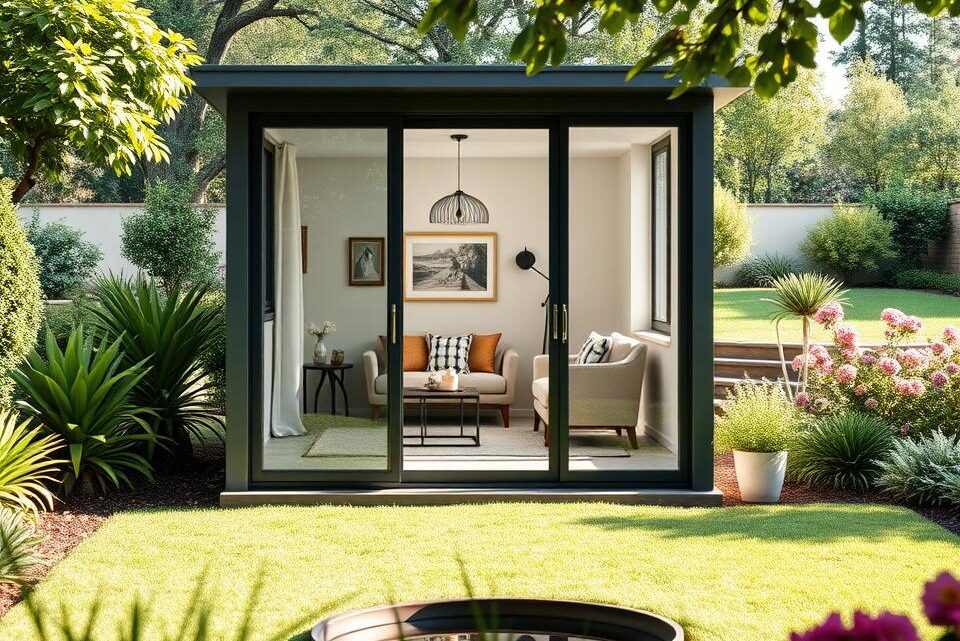
Planning to build a garden room in your back garden? You’ll need to know about the 2.5 metre rule UK property owners must follow. This essential regulation affects thousands of homeowners who want to create extra living space without the hassle of formal planning applications.
The 2.5 metre rule is one of the most important garden room height restrictions in British planning law. It applies to any outbuilding you want to construct close to your property boundaries. This includes garden offices, studios, gyms, and hobby rooms that fall under permitted development garden buildings.
Many people assume they can build whatever they like in their own gardens. But specific rules protect neighbours from overshadowing and maintain the character of residential areas. The 2.5 metre height limit helps balance your right to improve your property with your neighbours’ right to enjoy theirs.
Understanding these regulations saves time and money. Building within the rules means you won’t need garden room planning permission in most cases. This speeds up your project and reduces costs significantly.
Inhaltsverzeichnis
Key Takeaways
- The 2.5 metre rule limits outbuilding height when built within 2 metres of any boundary
- This restriction applies to garden rooms, offices, studios and other permitted development garden buildings
- Following the rule typically means no formal garden room planning permission is needed
- The height is measured from ground level to the highest point of the roof
- Breaking this rule could result in enforcement action from your local council
- Different rules may apply in conservation areas or for listed properties
Understanding Garden Room Planning Regulations in the UK
Garden rooms have become increasingly popular across the UK as homeowners seek extra space for work, relaxation or hobbies. Before constructing your garden building, it’s essential to understand the permitted development rights UK and various regulations that apply. Each region has specific rules that determine whether you need formal planning permission or can proceed under existing rights.
Overview of Permitted Development Rights
Permitted development rights allow property owners to make certain improvements without formal planning permission requirements. These rights cover single-storey garden buildings that meet specific criteria. Your garden room must not exceed certain size limits and must comply with garden building regulations regarding height, position and overall coverage of your garden space.
To qualify under permitted development, your garden building must:
- Be single storey only
- Not cover more than 50% of your garden area
- Not be forward of the principal elevation
- Meet specific height restrictions based on boundary distances
When Planning Permission is Required
You’ll need to apply for planning permission if your garden room exceeds the permitted development limits. Conservation areas, listed buildings and properties with Article 4 directions have stricter UK building laws. Planning permission becomes necessary when your structure is intended for separate living accommodation or exceeds the maximum height and size allowances.
Key Differences Between England, Scotland, Wales and Northern Ireland
Each UK nation applies slightly different rules for garden buildings:
| Region | Maximum Garden Coverage | Height Limit (2m from boundary) | Additional Requirements |
|---|---|---|---|
| England | 50% | 2.5 metres | 4m ridge height for dual-pitched roofs |
| Scotland | 50% | 2.5 metres | Stricter rules in conservation areas |
| Wales | 50% | 2.5 metres | Similar to England’s regulations |
| Northern Ireland | 50% | 2.5 metres | Must consult local council first |
Understanding these regional variations in planning permission requirements helps ensure your garden room project complies with local regulations from the start.
What is the 2.5 Metre Garden Room Rule?
The 2.5 metre height limit is one of the most important boundary distance rules for garden buildings in the UK. This specific regulation applies when you’re planning to build a garden room or similar structure close to your property boundaries. Understanding this rule helps ensure your project complies with planning regulations whilst respecting your neighbours’ rights.
Definition and Purpose of the Height Restriction
The 2.5 metre rule states that any outbuilding positioned within 2 metres of a property boundary must not exceed 2.5 metres in total height. This regulation forms part of the UK’s permitted development rights and applies to various garden structures including offices, studios, and storage buildings.
The primary purpose of this restriction is to protect neighbour privacy regulations and prevent overshadowing of adjacent properties. By limiting the height of structures near boundaries, the rule ensures that garden rooms don’t block natural light or create an oppressive feel for neighbouring gardens.

How the 2.5 Metre Height is Measured
Accurate garden room measurements are crucial for compliance. The height is measured from the highest natural ground level adjacent to the building up to the highest point of the roof. This includes any roof ridges, but excludes chimneys or flues.
For sloping sites, you must measure from the highest ground point touching the structure. This prevents builders from artificially lowering ground levels to circumvent the 2.5 metre height limit.
Why This Specific Height Limit Exists
The 2.5 metre restriction balances practical building needs with neighbour privacy regulations. This height allows for functional garden rooms whilst preventing structures that could significantly impact neighbouring properties through shadowing or visual intrusion.
Measuring Your Garden Room Height Correctly
Getting an accurate height assessment of your garden room is crucial for compliance with planning regulations. The process might seem straightforward, but small errors in measuring building height can lead to costly mistakes and potential enforcement notices from your local authority.
Start your ground level calculation from the highest natural ground point immediately adjacent to your structure. This means measuring from the original soil level, not from any decking, paving stones, or artificial platforms you may have installed. If you’ve recently landscaped your garden, you’ll need to identify where the natural ground level was before any modifications.

For roof height measurement, include every element of the structure. Measure to the absolute highest point, whether that’s the ridge line, chimney cap, or decorative finials. Even seemingly minor features like weathervanes or aerial fixings count towards the total height.
Gardens with slopes present unique challenges for accurate height assessment. You’ll need to take measurements at multiple points around the building’s perimeter. The critical measurement is always from the highest ground point to the highest roof point. Professional surveyors often use laser levels or digital theodolites for precise measurements, especially on uneven terrain.
“A difference of just a few centimetres can determine whether your garden room requires planning permission or falls within permitted development rights.”
Keep detailed records of all measurements, including photographs showing your measuring points. These documents prove invaluable if the local authority questions your calculations later.
Permitted Development Rights for Garden Rooms
Building a garden room under permitted development rights allows you to avoid the lengthy planning permission process. These rights come with specific rules that you must follow to ensure your structure remains lawful. Understanding the permitted development size limits helps you maximise your garden space whilst staying within legal boundaries.
Maximum Floor Area Allowances
The maximum floor area garden room you can build depends on several factors. Your garden room and any other outbuildings combined cannot cover more than half your garden’s total area. This calculation includes sheds, greenhouses, and any existing structures.
For buildings close to boundaries, stricter rules apply. If your garden room sits within 2 metres of any boundary, the floor area must not exceed 30 square metres. Buildings positioned further away enjoy more flexibility with their dimensions.
Distance Requirements from Boundaries
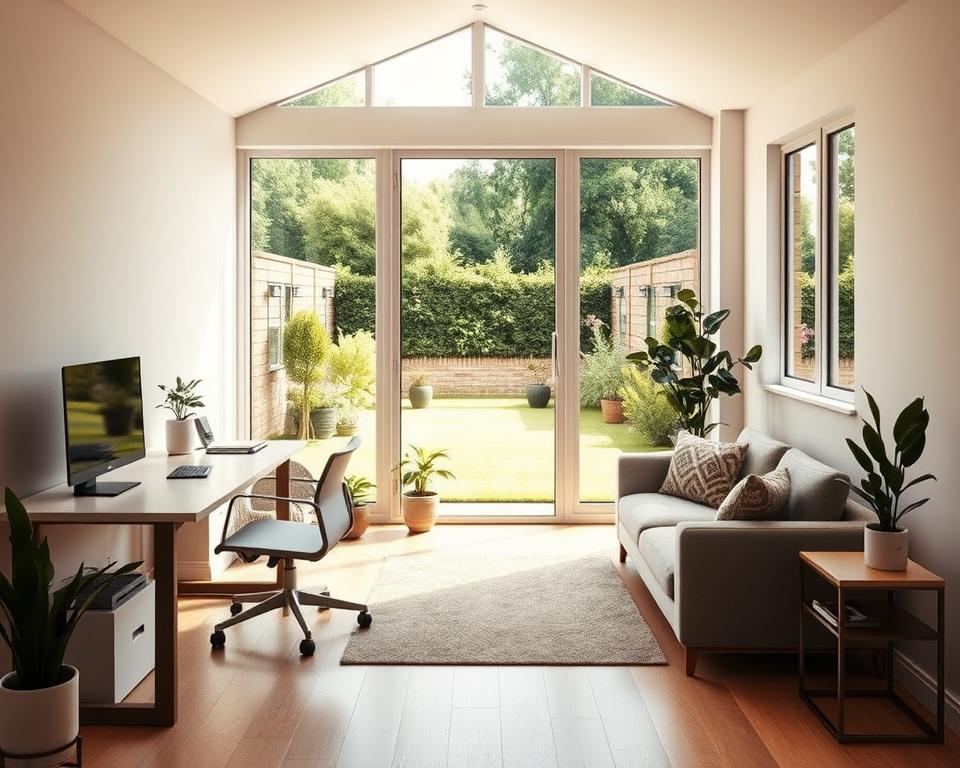
The boundary setback requirements significantly impact your garden room’s design possibilities. Buildings within 2 metres of a boundary face a maximum height restriction of 2.5 metres. This rule protects your neighbours’ privacy and prevents overshadowing.
Structures more than 2 metres from boundaries can reach 4 metres high with dual-pitched roofs or 3 metres with flat or pent roofs. Measuring from your boundary fence or wall determines which rules apply to your project.
Single Storey Building Requirements
All garden rooms built under permitted development must comply with single storey restrictions. This means no sleeping platforms, mezzanines, or upper floors. The structure cannot include balconies, verandas, or raised platforms that could overlook neighbouring properties.
These limitations ensure garden rooms remain ancillary to your main dwelling whilst respecting neighbours’ privacy and local character.
Garden Rooms Within 2 Metres of a Boundary
Building a garden room close to your property boundary requires careful attention to specific regulations. When your structure sits within 2 metres of any boundary line, stricter close-to-boundary building rules apply to ensure both safety and neighbour relations remain positive.
Maximum Eaves Height Restrictions
The eaves height limit for garden rooms near boundaries is strictly capped at 2.5 metres. This measurement runs from ground level to where your roof meets the wall. Unlike structures positioned further away, you cannot exceed this height even with different roof designs.
Garden room manufacturers like Dunster House and Green Retreats specifically design boundary-friendly models that comply with these restrictions. Their compact designs maximise internal space whilst respecting the 2.5-metre rule.
Overall Height Limitations
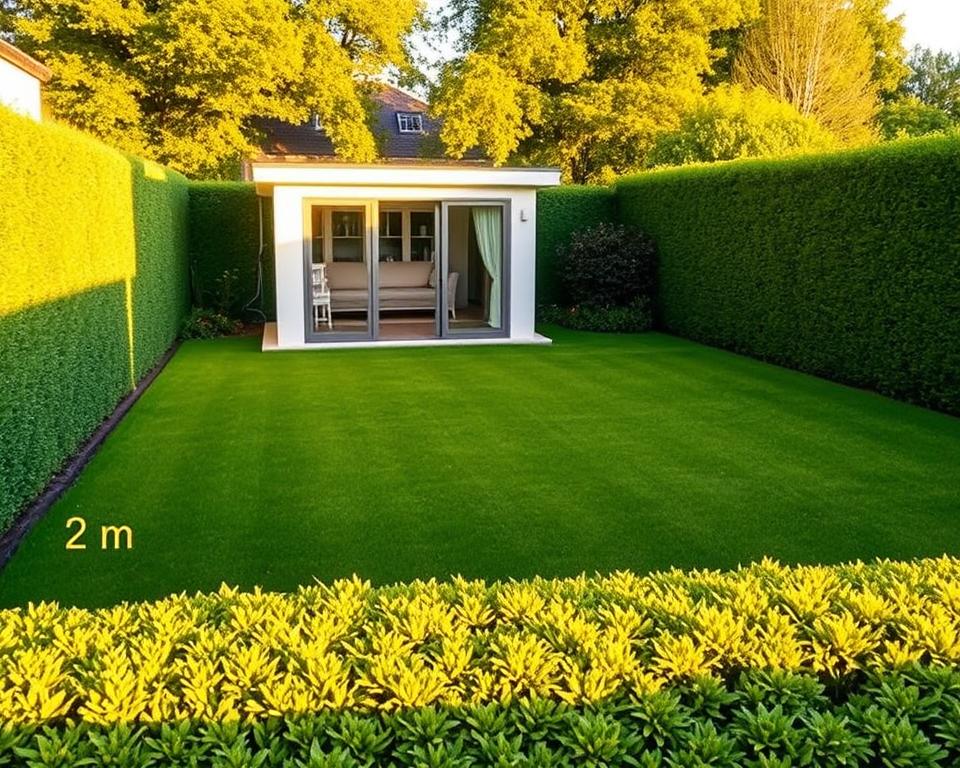
The total height restriction matches the eaves limit at 2.5 metres for any garden room within 2 metres of a boundary. This means flat-roofed designs work best for maximising internal headroom. Pitched roofs become challenging as both the eaves and ridge must stay below this threshold.
Materials and Fire Safety Considerations
Boundary fire safety regulations require specific material choices for close-to-boundary structures. Your garden room must feature substantially non-combustible materials for external walls and roofing.
Acceptable materials include:
- Brick or concrete blocks
- Metal cladding systems
- Cement fibre boards
- Fire-rated timber systems (minimum 30-minute resistance)
Windows facing boundaries often need obscured glazing to protect neighbour privacy. Fire-resistant glass may be required depending on proximity and local authority guidance.
Exceptions and Special Circumstances
Garden room planning rules aren’t always straightforward. Several important exceptions can override standard Permitted Development Rights, making it essential to check your property’s specific circumstances before building.
Properties within designated conservation area restrictions face stricter controls. Your local council imposes these limitations to preserve the area’s character and appearance. Garden structures in conservation areas often need planning permission regardless of size or height. Areas of Outstanding Natural Beauty and National Parks carry similar restrictions to protect their unique landscapes.

If you own a listed building, you’ll need listed building consent before adding any garden structure. This requirement applies even to freestanding buildings that don’t physically attach to your main property. The listing protects the entire curtilage, including gardens and outbuildings.
Article 4 directions remove permitted development rights in specific locations. Local authorities use these powers to control development in sensitive areas. You can check if your property falls under an Article 4 direction by contacting your council’s planning department or searching their website.
Certain property types lack permitted development rights entirely:
- Flats and maisonettes
- Properties in special planning zones
- Buildings with existing planning conditions
- Properties created through permitted development conversions
World Heritage Sites, such as Bath and Edinburgh’s historic centres, impose additional controls. These internationally recognised locations require careful consideration of any new structures to maintain their outstanding universal value.
Common Mistakes When Building Garden Rooms
Building a garden room can transform your outdoor space, but certain planning permission mistakes can turn your dream project into a costly nightmare. Understanding these common pitfalls helps avoid enforcement notices, demolition orders, and expensive remediation work.
Incorrect Height Measurements
One of the most frequent measurement errors occurs when homeowners measure from their decking or patio rather than the natural ground level. *The 2.5-metre rule applies from the original ground surface*, not any raised platforms you’ve installed. Forgetting to include decorative finials, weather vanes, or solar panels in your calculations can push your structure over permitted limits.
Boundary Distance Miscalculations
Boundary disputes often arise when builders assume fence lines represent legal boundaries. Your actual property line might sit several centimetres away from existing fences, making accurate surveying essential. Common miscalculations include:
- Measuring from fence posts rather than the legal boundary
- Ignoring shared ownership walls or party fences
- Failing to account for overhanging eaves when calculating distances
Overlooking Listed Building Restrictions
Building regulation failures frequently occur when homeowners don’t check their property’s listed status or conservation area designation. Even if your main house isn’t listed, the curtilage of a neighbouring listed building might extend into your garden. These oversights can result in mandatory demolition and prosecution, making pre-construction checks vital for any garden room project.
Alternative Options for Taller Garden Buildings
When your garden room design requires exceeding height limits near boundaries, several practical alternatives exist. Each option offers unique advantages whilst ensuring compliance with UK regulations.
The most straightforward approach involves relocating your structure beyond 2 metres from any boundary. This simple adjustment allows you to build up to 4 metres in height under permitted development rights, providing substantial extra headroom for your taller garden buildings.
For those committed to a specific location, pursuing full planning permission opens up greater possibilities. The planning application process typically requires:
- Detailed architectural drawings and site plans
- Neighbour consultation period of 21 days
- Decision timeframe of 8-13 weeks
- Application fee of £206 for householder applications
Creative design solutions can work within existing restrictions. Semi-sunken garden rooms utilise natural ground slopes, reducing the visible height whilst maintaining internal ceiling space. Split-level designs incorporate steps or platforms, creating varied ceiling heights without exceeding height limits.
| Option | Maximum Height | Cost Implications | Timeframe |
|---|---|---|---|
| Relocate beyond 2m | 4 metres | No additional fees | Immediate |
| Full planning permission | As approved | £206 application fee | 8-13 weeks |
| Semi-sunken design | 2.5 metres visible | Extra excavation costs | 2-4 weeks additional |
Each alternative requires careful consideration of your specific site conditions and intended use. Professional guidance ensures your chosen solution meets both your needs and regulatory requirements.
Building Regulations vs Planning Permission
Whilst planning permission focuses on the appearance and location of your garden room, building regulations approval ensures the structure is safe and energy-efficient. Many homeowners mistakenly believe that permitted development rights exempt them from building control requirements, but this isn’t always the case. Understanding when these regulations apply can save you from costly mistakes and ensure your garden room meets all safety standards.
When Building Regulations Apply
Building regulations approval becomes necessary when your garden room exceeds 15 square metres of internal floor space. If you plan to use the space for sleeping accommodation, even structures under 30 square metres require approval. These building control requirements exist to ensure structural safety, fire resistance, and proper ventilation for occupants.
Electrical and Plumbing Requirements
Any electrical work in your garden room must comply with Part P electrical safety standards. This means hiring a registered electrician who can provide the necessary certification upon completion. Key electrical considerations include:
- Safe cable routing from your main property
- Appropriate circuit protection and earthing
- Weatherproof external sockets and switches
- Emergency lighting for sleeping spaces
Insulation and Energy Efficiency Standards
Current thermal efficiency standards require garden rooms intended for regular use to meet specific U-values. These measurements determine how well your structure retains heat:
| Building Element | Required U-value (W/m²K) | Typical Insulation Thickness |
|---|---|---|
| Roof | 0.18 | 150-200mm |
| Walls | 0.28 | 100-150mm |
| Floor | 0.22 | 125-150mm |
Professional Advice and Local Authority Consultation
Getting expert guidance before building your garden room can save you time, money and potential legal issues. Professional advice ensures your project complies with all regulations whilst local authority guidance provides official confirmation of what you can build within permitted development rights.
Pre-application Planning Advice
Pre-app advice offers a valuable opportunity to discuss your garden room plans with council planners before submitting any formal applications. This service typically costs between £50 and £150, depending on your local authority. You’ll receive written feedback about your proposal, including any potential issues with height restrictions, boundary distances or design elements.
Many councils provide free duty planner services for basic enquiries. These informal consultations help clarify simple questions about permitted development rights and the 2.5 metre rule. For more detailed pre-app advice, you’ll need to submit drawings and pay the relevant fee.
Certificate of Lawful Development
A lawful development certificate provides legal confirmation that your garden room complies with permitted development rules. This document protects you against future enforcement action and proves valuable when selling your property. The certificate costs around £117 for householder applications, though fees vary between councils.
Working with Planning Consultants
Planning consultant services become particularly useful for complex projects involving boundary issues, height restrictions or properties with special designations. Professional consultants charge between £500 and £2,000 for residential projects, depending on complexity.
| Service Type | Typical Cost | What’s Included |
|---|---|---|
| Basic Consultation | £500-£800 | Initial assessment, permitted development check |
| Full Planning Support | £1,000-£1,500 | Application preparation, local authority guidance liaison |
| Complex Cases | £1,500-£2,000 | Appeals, listed buildings, conservation areas |
Experienced consultants understand local planning policies and can navigate tricky situations involving neighbouring properties or unusual site constraints. They’ll prepare professional drawings, handle correspondence with the council and ensure your lawful development certificate application has the best chance of approval.
Conclusion
The 2.5 metre rule summary reveals a carefully designed regulation that protects both property owners and their neighbours. This height restriction forms a cornerstone of UK garden building regulations, creating a fair balance between your right to develop and your neighbours’ right to enjoy their space. Understanding these rules helps you avoid costly mistakes and ensures smooth garden room compliance from start to finish.
Planning permission guidance becomes much clearer once you grasp the basic principles. The 2.5 metre height limit applies when your garden room sits within 2 metres of any boundary. Measuring correctly from ground level to the highest point saves time and prevents disputes with local authorities. Each UK nation has slight variations in their rules, making it essential to check your specific location’s requirements.
Your garden room project can proceed confidently when you follow the established guidelines. Professional advice often proves invaluable, especially for properties with unique circumstances or in conservation areas. The regulations might seem daunting at first, but they exist to create better neighbourhoods where everyone can enjoy their outdoor spaces. Taking time to understand these rules now prevents problems later and helps your garden room become a valuable addition to your property.
FAQ
What exactly is the 2.5 metre garden room rule in the UK?
The 2.5 metre garden room rule is a planning regulation that limits the maximum height of any outbuilding constructed within 2 metres of your property boundary to 2.5 metres. This includes both the eaves height and the overall height of the structure. It’s part of the Permitted Development Rights, which means you can build without formal planning permission as long as you comply with this and other specified criteria.
How do I measure the 2.5 metre height correctly for my garden room?
You must measure from the highest point of the natural ground level adjacent to your building, not from any decking or artificial platforms. The measurement extends to the very highest point of your roof, including ridge tiles, finials, or any decorative features. For sloped gardens, take measurements from multiple points around the building’s perimeter and use the highest natural ground point as your baseline.
Can I build a garden room taller than 2.5 metres if it’s away from the boundary?
Yes, if your garden room is positioned more than 2 metres from any boundary, you can build up to 4 metres high with a dual-pitched roof or 3 metres with any other roof type under Permitted Development Rights. However, the building must still be single storey and cannot exceed 50% of your total garden area.
What materials must I use for a garden room within 2 metres of a boundary?
Due to fire safety regulations, any garden room within 2 metres of a boundary must be constructed using substantially non-combustible materials. Approved options include brick, concrete blocks, metal cladding, and specially fire-rated timber systems. Standard wooden cladding alone wouldn’t meet these requirements without proper fire-resistant treatment or boarding.
Do I need Building Regulations approval for my garden room?
Building Regulations approval is typically required if your garden room’s internal floor area exceeds 15 square metres but is less than 30 square metres. If you’re planning to use it for sleeping accommodation, Building Regulations apply regardless of size. This includes meeting specific insulation standards (U-values of 0.18 W/m²K for roofs, 0.28 W/m²K for walls) and ensuring any electrical work complies with Part P regulations.
What happens if I build my garden room too high by mistake?
If your garden room exceeds the 2.5 metre height limit when within 2 metres of a boundary, your local planning authority can issue an enforcement notice requiring you to reduce the height or potentially demolish the structure. You might be able to apply for retrospective planning permission, but approval isn’t guaranteed and depends on the impact on neighbouring properties.
Are the rules different in Scotland, Wales, or Northern Ireland?
Yes, there are regional variations. Scotland generally has stricter height limits and different measurement criteria. Wales largely follows England’s rules but may have local variations. Northern Ireland has its own planning system, and you’ll need to consult with your local council for specific requirements. Conservation areas and listed building restrictions apply across all regions.
Can I get a Certificate of Lawful Development for my garden room?
Yes, you can apply for a Certificate of Lawful Development from your local planning authority, which legally confirms that your garden room complies with Permitted Development Rights. This certificate costs around £117 for a proposed development and provides protection against future planning disputes. It’s particularly valuable if you’re planning to sell your property.
What if my property is in a conservation area or near a listed building?
Properties in conservation areas, Areas of Outstanding Natural Beauty, National Parks, or near listed buildings face additional restrictions beyond the standard 2.5 metre rule. You may need specific planning permission even for smaller structures. If your property is a listed building, you’ll require Listed Building Consent for any garden structures, regardless of their size or distance from boundaries.
How much does it cost to get planning permission if I want to exceed the 2.5 metre limit?
A householder planning application in England costs £206 as of 2024. The process typically takes 8-13 weeks for a decision. You might also want to budget for professional drawings (£500-£1,500) and potentially a planning consultant (£500-£2,000) if your case is complex. Some councils offer pre-application advice services for £50-£150, which can help identify potential issues before you submit a formal application.

