What summer house size do I need? A Comprehensive Guide
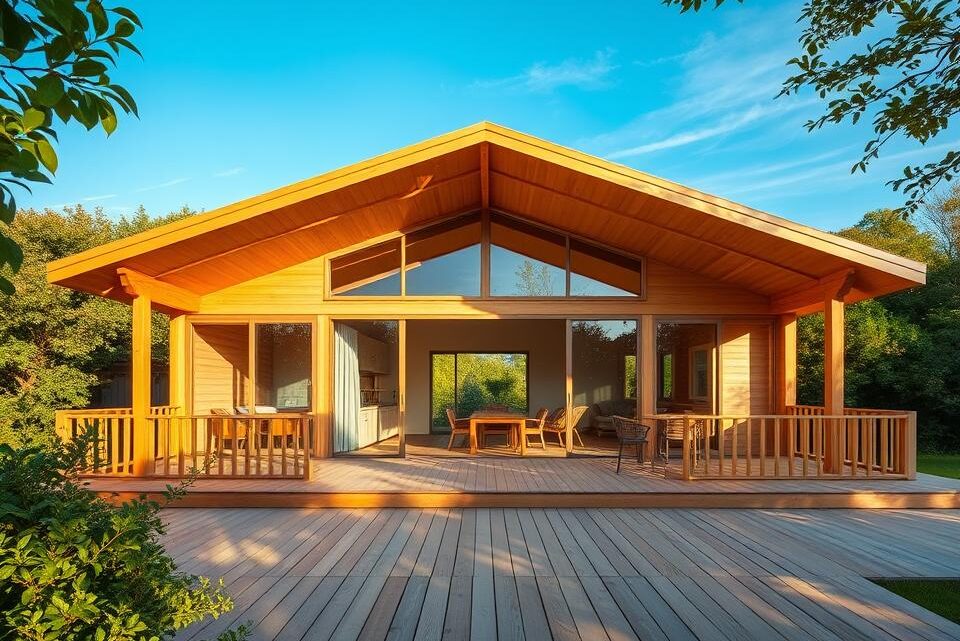
Choosing the right summerhouse for your garden can be a daunting task, especially when it comes to determining the ideal size. A summerhouse that is too small may not provide the desired functionality, while one that is too large can overwhelm the available space.
To make an informed decision, it’s essential to consider several key factors, including the available garden space, intended usage, and future requirements. By understanding how to balance aesthetic appeal with practical considerations, you can maximise the enjoyment and functionality of your outdoor space.
Inhaltsverzeichnis
Key Takeaways
- Determine the optimal summerhouse size based on your garden space and needs.
- Consider the intended usage and future requirements when choosing a summerhouse.
- Measure your garden space correctly to ensure a perfect fit.
- Balance aesthetic appeal with practical considerations when selecting a summerhouse size.
- Maximise the enjoyment and functionality of your outdoor space.
Understanding Your Summer House Needs
The first step in choosing the perfect summerhouse is assessing your garden space and intended use. A summerhouse should complement your outdoor space without dominating it. To achieve this balance, you need to carefully evaluate your garden’s dimensions and how you plan to utilise the summerhouse.
Assessing Your Available Garden Space
Proper assessment of available garden space is crucial in determining the appropriate summerhouse size. Measuring your garden accurately helps ensure the summerhouse will be proportionate to the overall space. Consider the layout and existing features of your garden to decide on the best location for your summerhouse. A corner summerhouse can be an excellent option for smaller or irregularly shaped gardens, as it can fit snugly into under-used spaces.
- Measure your garden to determine the maximum size of the summerhouse that will fit comfortably.
- Consider the location and how the summerhouse will interact with existing garden features.
Determining Your Primary Usage Requirements
When determining your primary usage requirements, consider whether the summerhouse will be used for relaxation, work, hobbies, entertainment, or a combination of these purposes. Different activities require different amounts of space; for example, a home office might need room for a desk, chair, and storage, while an entertainment area would need space for seating multiple people.
- Think about how you intend to use your summerhouse and the activities you plan to accommodate.
- Consider the furniture and equipment you will need and ensure there is sufficient space.
By carefully assessing your garden space and usage requirements, you can choose a summerhouse that meets your needs and enhances your outdoor living experience.
What Summer House Size Do I Need? Key Factors to Consider
The size of your summerhouse can significantly impact both its functionality and aesthetic appeal. When deciding on the ideal size, several key factors come into play.
Garden Size and Proportions
The relationship between your garden’s size and the summerhouse dimensions is crucial. Experts recommend that garden buildings should not exceed 50% of your total garden area. This ensures that your garden remains spacious and that the summerhouse does not overwhelm the surrounding landscape.
A larger summerhouse can provide more versatility but requires a more substantial garden space to maintain proper proportions. Consider the overall aesthetic you wish to achieve and how the summerhouse will fit within your garden’s boundaries.
Planned Location and Visibility
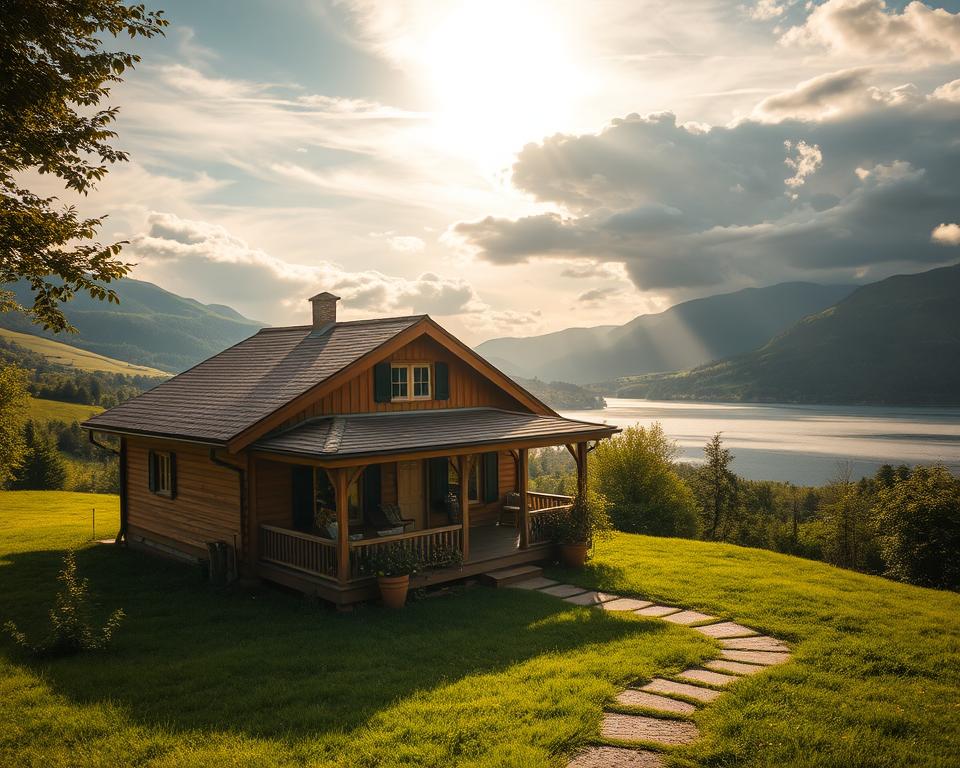
When considering the planned location of your summerhouse, think about its visibility both from your house and from neighbouring properties. You may want to position it in a way that it is visible from your home to enhance the view, but also consider privacy concerns.
The positioning within your garden can significantly impact both aesthetics and functionality. Consider how sunlight travels across your garden throughout the day and seasons when planning the location and size of your summerhouse.
Future-Proofing Your Requirements
It’s essential to future-proof your summerhouse investment by considering how your needs might evolve over time. You might start by using it as a leisure space, but you could transition to using it as a home office or a space for children and grandchildren in the future.
Selecting a summerhouse that meets your current needs while also being adaptable for future requirements will ensure that your investment remains valuable and relevant over time.
Small Summer Houses: Features and Benefits
Small summer houses are becoming increasingly popular for their functionality and aesthetic appeal in compact gardens. These structures offer homeowners the opportunity to enjoy their outdoor spaces without the need for large areas of land.
Compact Options (2-2.5m)
Compact summer houses, typically measuring between 2 to 2.5 meters in width, are designed to fit snugly into smaller gardens. Models like the Balmoral and Baltimore are exemplary of this category, with both being 2m at their widest point and featuring unique window and door configurations. These smaller summerhouses are built on an octagonal footprint, delivering a highly decorative aesthetic that enhances the garden’s visual appeal.
Some key benefits of compact summer houses include their space-saving design, affordability, and ease of maintenance. They often incorporate features like sliding doors to maximize internal space, making them ideal for small gardens.
Corner Summer Houses for Space Efficiency
Corner summer houses represent a highly efficient use of garden space, particularly in irregularly shaped gardens. The Newhaven model, measuring 2.2m, is a prime example, fitting seamlessly into corner spaces that might otherwise be wasted. The BillyOh Picton Corner Summerhouse, with its pentagonal design, is another excellent option, utilizing the often-neglected corner areas of gardens.
| Model | Width | Key Features |
|---|---|---|
| Balmoral | 2m | Octagonal footprint, unique window and door design |
| Newhaven | 2.2m | Fits into irregularly shaped sites, corner design |
| BillyOh Picton Corner | Pentagonal design | Utilizes corner spaces efficiently, sliding doors |

These corner summer houses not only save space but also add a unique architectural element to the garden, making them a stylish and practical choice for homeowners with limited garden space.
Medium-Sized Summer Houses: Finding the Balance
Medium-sized summerhouses offer the perfect blend of space and garden integration. These structures are designed to provide ample room for various activities without overwhelming the landscape.
Mid-Range Options (2.5-3.5m)
Mid-range summerhouses, typically measuring between 2.5 to 3.5 meters in width, are highly versatile. Models like the 2.4m or 3.0m Burghley summerhouse exemplify this category, offering generous space for entertaining or pursuing hobbies like crafting, painting, and drawing. The Burghley model, with its octagonal shape, is particularly noteworthy for its spacious interior.
Alternatively, the 3.0m Newhaven model can be positioned in an under-used corner of the garden to maximize outdoor space utilization. These mid-range options are characterized by larger floor plans, often up to 3-4 meters wide, and more log cabin options with opening windows.
Versatile Usage Possibilities
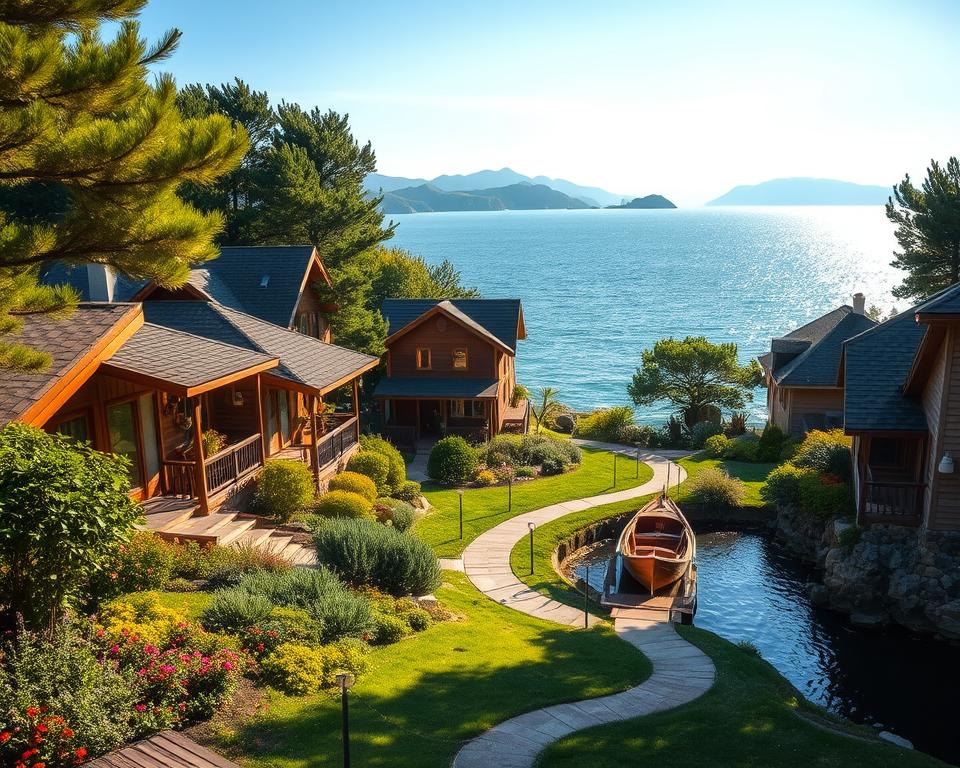
The versatility of medium-sized summerhouses makes them highly sought after. They can accommodate multiple usage scenarios, from casual entertaining to dedicated hobby spaces or home offices. With the ability to comfortably fit 4-6 people, these summerhouses are perfect for families or those who enjoy hosting small gatherings.
- Sufficient space for multiple uses without overwhelming the garden
- More substantial construction elements compared to smaller models
- Options for upgraded insulation and glazing
- Extensive design options to suit various tastes and garden styles
- Best value proposition, offering more usable space than small models without the premium cost of larger buildings
By choosing a medium-sized summerhouse, homeowners can enjoy a multi-purpose garden room that enhances their outdoor living experience.
Large Summer Houses: Maximising Your Outdoor Living
With generous proportions, large summer houses transform garden spaces into vibrant living areas. These expansive structures offer homeowners the opportunity to create a seamless transition between their indoor and outdoor spaces.
Spacious Designs (3.5m+)
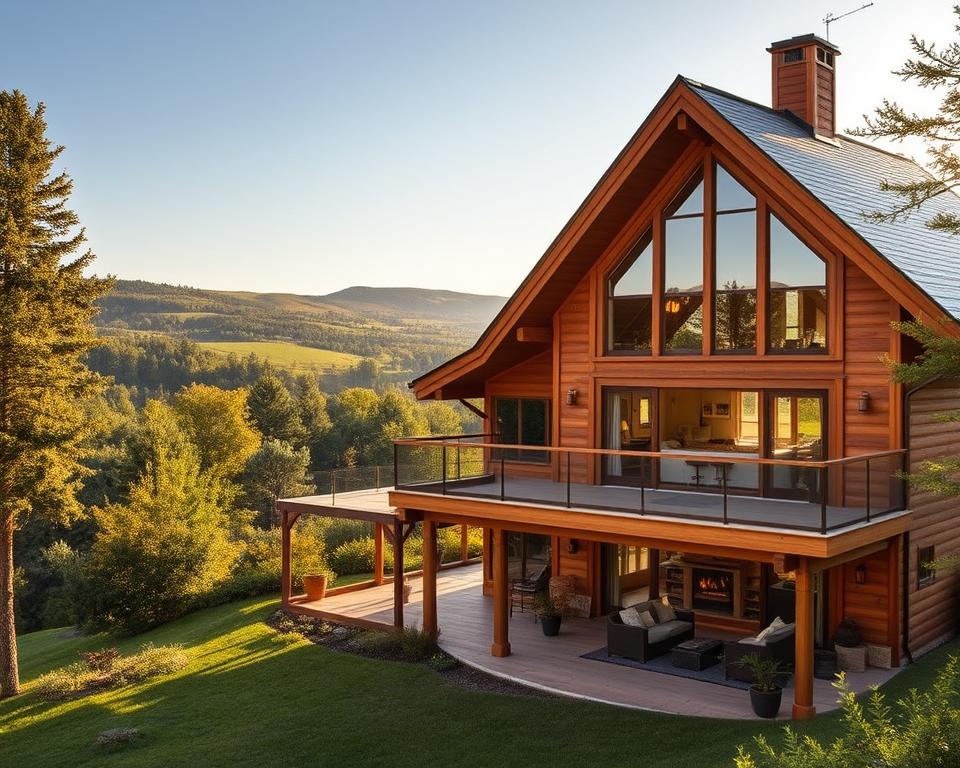
Large summerhouses, such as the octagonal Burghley model at 3.6m and the Scotts’ Sun Ray Garden Room available in sizes up to 4.4m, provide ample space for furniture and entertaining. These spacious designs allow homeowners to fully utilise their garden, creating an extension of their home.
Entertainment and Multi-Purpose Potential
The generous dimensions of large summerhouses enable various configurations, from dedicated entertainment zones to multi-functional spaces. They can accommodate 8+ people, making them ideal for garden parties or family gatherings. Additionally, these summerhouses can serve as a home office, studio, or hobby room, adapting to changing family needs.
- Large summerhouses transform garden spaces into genuine outdoor living areas.
- They offer unlimited potential for customisation and multi-purpose use.
- The spacious interiors allow for proper furniture arrangements and entertainment systems.
- These summerhouses can significantly increase property value when well-designed.
Summer House Styles and Their Impact on Size Requirements
The architectural style of your summerhouse plays a pivotal role in determining its size, influencing both internal space and external appearance. Different styles not only affect how spacious the summerhouse feels but also its overall aesthetic within the garden.
Traditional vs Contemporary Designs
Traditional summerhouses are characterised by their classic appeal, often featuring an apex roof and Georgian-style windows with ornate details. In contrast, contemporary designs boast minimalist aesthetics with large, unobstructed windows and open-plan interiors. The choice between these styles significantly impacts size requirements, as traditional designs may need larger dimensions to achieve the same sense of space as contemporary models.
Roof Types and Their Spatial Implications
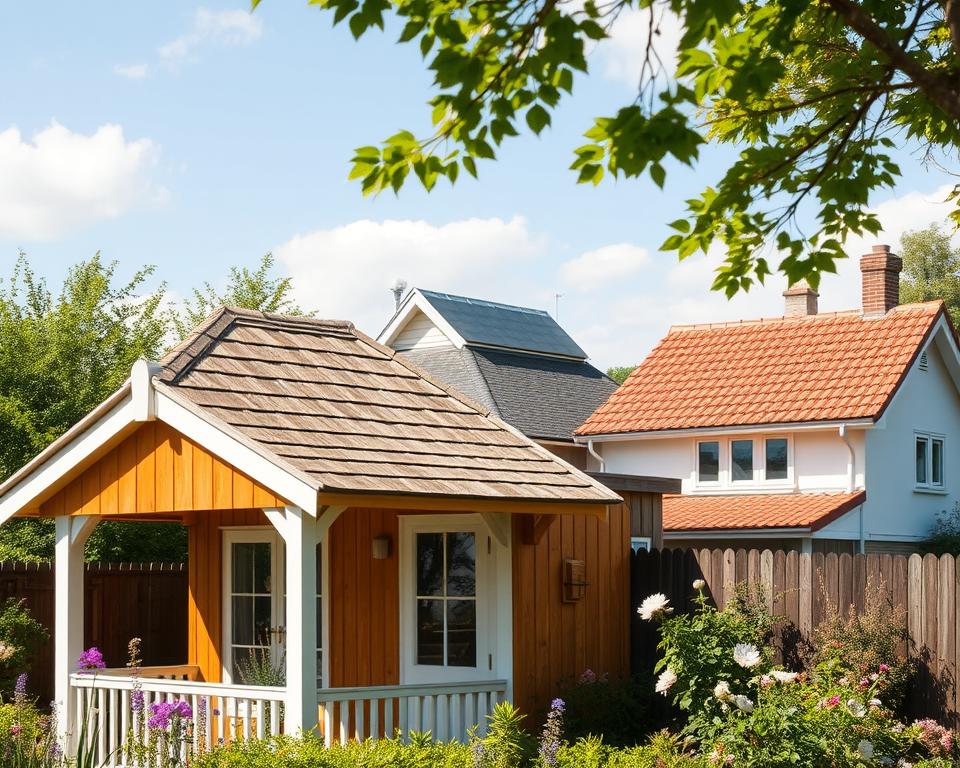
The type of roof on your summerhouse affects both its aesthetic appeal and internal space. An apex roof provides more headroom and storage space, making it ideal for those seeking a classic look. On the other hand, a pent roof offers a more modern appearance but with less internal height. Understanding these implications is crucial for selecting a roof type that meets your needs.
Window and Door Configurations
Window and door configurations directly influence how spacious a summerhouse feels. Larger glazed areas in contemporary designs create a sense of openness, potentially reducing the size needed for the same functionality. In contrast, traditional summerhouses with smaller, divided windows may require larger overall dimensions to achieve a similar feel.
| Design Element | Traditional | Contemporary |
|---|---|---|
| Roof Type | Apex Roof | Pent Roof |
| Windows | Smaller, divided | Large, unobstructed |
| Cladding | Thicker log cabin-style | Thinner tongue and groove |
By understanding how different design elements impact spatial perception, you can choose a summerhouse that feels spacious without necessarily requiring larger external dimensions.
Practical Considerations for Your Summer House Size
Before finalizing your summerhouse size, it’s crucial to consider several key factors that can affect its installation and longevity. These practical considerations will ensure that your summerhouse is not only the right size but also compliant with regulations and well-integrated into your garden.
Planning Permission Requirements
Understanding planning permission requirements is essential before deciding on your summerhouse size. While most summerhouses fall under permitted development rights, larger structures or those in specific areas like conservation zones may require formal planning permission. It’s vital to check if your summerhouse complies with the regulations to avoid any legal issues. Typically, a summerhouse is considered a permitted development if it doesn’t exceed 50% of the total garden area and adheres to specific height and boundary restrictions.
Key points to consider:
- Check if your property is in a conservation area or if it’s a listed building.
- Ensure your summerhouse doesn’t exceed the allowed height and boundary limits.
- Verify that the summerhouse doesn’t occupy more than 50% of the garden area.
Base Size and Preparation
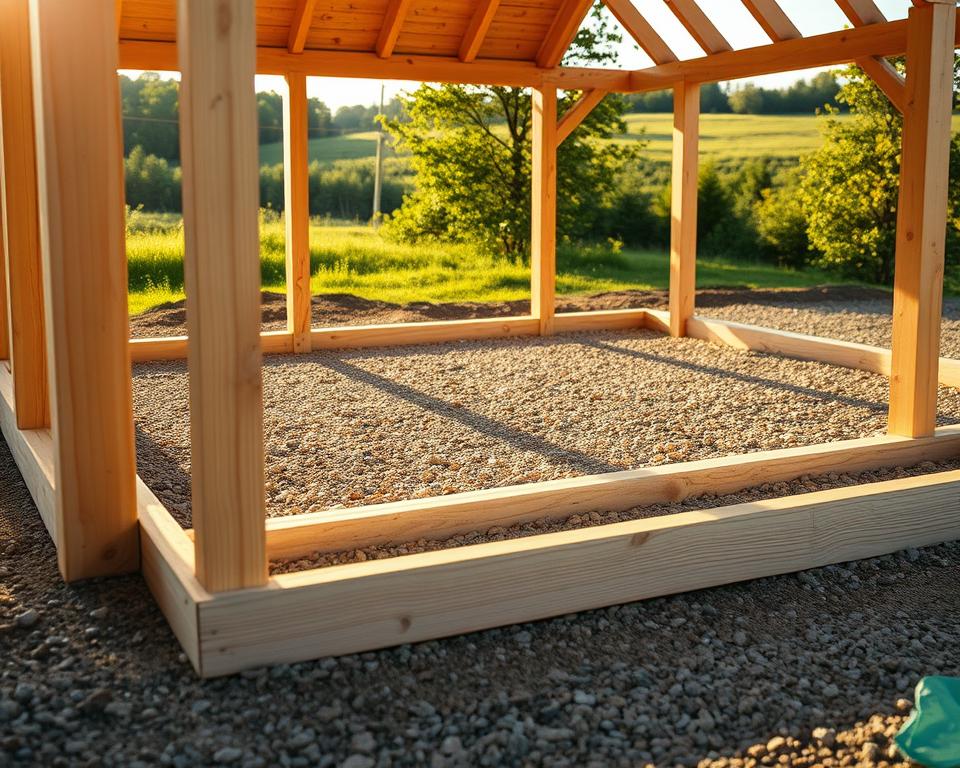
The base preparation is a critical factor that directly impacts the longevity of your summerhouse. The base must be level, solid, and slightly larger than the building footprint to ensure stability and proper drainage. Common materials for the base include concrete slabs, paving slabs, and timber bearers, each with its own implications for installation complexity and durability.
It’s essential to confirm the exact dimensions of your summerhouse with the supplier, as different manufacturers may quote sizes differently. The technical section of the product page usually contains the precise measurements.
Access and Installation Considerations
Access considerations are often overlooked but can significantly impact your size options. All components of the summerhouse must be transportable through your existing garden access points. Larger summerhouses may require professional assembly and potentially special equipment for moving heavy components. It’s also crucial to plan the relationship between the summerhouse base and surrounding garden features to manage drainage effectively and prevent water damage.
Important access considerations:
- Ensure that all components can be transported through your garden gates and paths.
- Consider the need for professional assembly for larger summerhouses.
- Plan for adequate drainage around the summerhouse base.
Year-Round Usage: Size Implications
When considering a summerhouse for year-round use, it’s essential to think about the implications of size on functionality and comfort. A well-designed summerhouse can be a valuable addition to your garden, providing a cozy retreat in winter and a sunny haven in summer.
Insulation and Heating Requirements
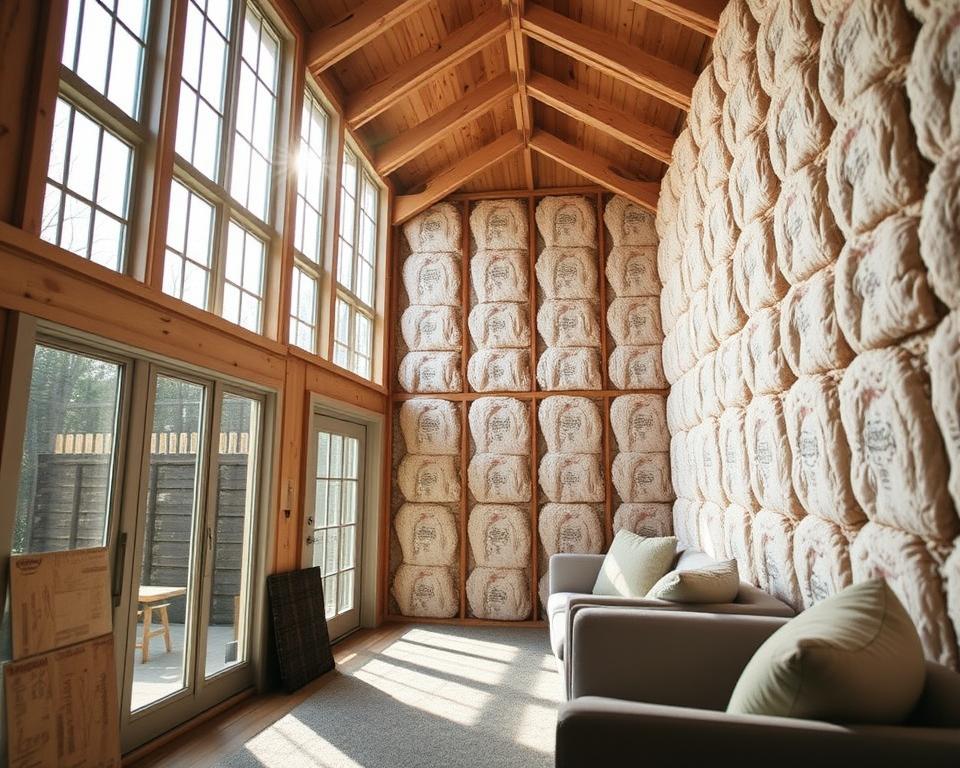
Proper insulation is crucial for maintaining a comfortable temperature inside the summerhouse throughout the year. Insulated summerhouses, like the BillyOh Outpost, come with high-performance multi-foil insulation that helps regulate the temperature, keeping it warm in winter and cool in summer. The type of heating system installed can also significantly impact the usability of the summerhouse during colder months.
| Heating Option | Usage | Cost Efficiency |
|---|---|---|
| Simple Electric Heater | Occasional Use | Moderate |
| Underfloor Heating | Daily Occupation | High |
Storage Needs in Different Seasons
The size of your summerhouse will also be influenced by your storage needs across different seasons. For instance, summer furniture, garden equipment, and holiday decorations all require space when not in use. Pressure-treated timber is particularly beneficial for year-round summerhouses as it provides enhanced protection against the elements.
By carefully considering the size, insulation, and storage needs of your summerhouse, you can create a versatile and comfortable space that enhances your garden and extends your outdoor living possibilities throughout the year.
Making Your Final Decision: A Checklist
To make an informed decision about your summerhouse size, consider the comprehensive checklist provided below.
When selecting the idealsummerhousesize, it’s crucial to consider the proportion of yourgardenspace that the building will occupy. Experts recommend that it should not exceed 50% of your totalgarden area. Evaluate your primary usage requirements and how they translate to space needs, as different activities require different minimum dimensions.
Consider the style of summerhouse you prefer, as traditional, contemporary, log cabin, and corner designs all have different spatial implications. The roof design is also critical; apex roof designs provide more headroom but require more overall height, while pent roofs offer a more modern look.
Assess the cladding thickness and type, as this affects both the external dimensions and the usable internal space of your summerhouse. Don’t forget to account for door swing space, window opening clearance, and access paths around the building when planning your summerhouse size.
Consider future needs and potential changes in how you might use the space over time. Investing in a slightly larger model may provide valuable flexibility. Review planning permission requirements for your chosen size to ensure compliance with local regulations before making your final decision.
By carefully evaluating these factors and using the checklist, you can confidently choose the perfectsummerhousesize for yourgarden, ensuring a harmonious and functional outdoor space.
FAQ
Do I need planning permission for my garden building?
In most cases, garden buildings are considered permitted development, but it’s essential to check with your local authority to determine if your project requires planning permission, especially if you’re planning a large structure or one that’s near a boundary.
What type of base is required for a summer house?
A level base is crucial for a summer house. You can use paving slabs or a concrete base. Ensure the base is level and secure to prevent any structural issues with your summer house.
How do I choose the right insulation for my summer house?
The type of insulation needed depends on how you plan to use your summer house. If you intend to use it year-round, consider installing high-quality insulation to maintain a comfortable temperature. You can choose from various insulation materials, such as foam board or fibreglass.
What are the benefits of a corner summer house?
Corner summer houses are ideal for smaller gardens, as they make efficient use of space. They can also be a stylish addition to your garden, creating a unique focal point.
How do I ensure my summer house is durable and long-lasting?
To ensure durability, choose a summer house made from high-quality, pressure-treated timber. Regular maintenance, such as reapplying a wood finish, will also help extend its lifespan.
Can I use my summer house throughout the year?
Yes, with proper insulation and heating, you can use your summer house year-round. Consider installing a heating system, such as a log burner or electric heater, to maintain a comfortable temperature.
What are the different roof types available for summer houses?
Apex roofs are a popular choice, as they allow snow to slide off easily and provide additional headroom. Other options include pent roofs and flat roofs, each with their own benefits and spatial implications.
How do I prepare my garden for a summer house installation?
Before installation, ensure the area is clear of debris and vegetation. Check for any underground utilities and level the ground to create a stable base for your summer house.