Wooden Summerhouse as an Office: Design and Tips

Transforming a wooden summerhouse into a functional home office is an attractive idea for those looking to create a dedicated workspace within their garden. This conversion not only adds value to your property but also provides a serene and inspiring environment to work.
You can utilise your garden office for various purposes, from a quiet study area to a creative studio. The key to a successful summerhouse conversion lies in careful planning and design.
By thoughtfully converting your summerhouse, you can enjoy a peaceful and productive workspace that enhances your work-life balance.
Inhaltsverzeichnis
Key Takeaways
- Converting a wooden summerhouse into an office can increase your property’s value.
- A garden office provides a serene environment, ideal for productivity.
- Careful planning is crucial for a successful summerhouse conversion.
- You can customise your office to suit various needs, from a study area to a creative studio.
- A well-designed garden office can enhance your work-life balance.
The Rise of Garden Offices in the UK
With the rise of remote working, garden offices have emerged as a sought-after solution in the UK. The flexibility to work from home, coupled with the need for a dedicated workspace, has driven this trend.
The Shift to Remote Working
The shift towards remote working has been a significant factor in the growing popularity of garden offices. As more people work from home, the need for a dedicated, distraction-free workspace has become increasingly important. A garden office provides an ideal solution, offering a quiet and productive environment.
Why Wooden Summerhouses Make Ideal Home Offices
Wooden summerhouses are particularly well-suited for conversion into home offices. They offer a natural, calming environment that can enhance productivity. Moreover, wooden structures can be easily insulated and equipped with necessary amenities to create a comfortable working space.
| Benefits of Garden Offices | Features of Wooden Summerhouses |
|---|---|
| Quiet and distraction-free environment | Natural and calming ambiance |
| Separation from home life | Easy to insulate and equip |
| Potential increase in property value | Aesthetic appeal |
Garden offices, particularly those constructed from wood, are becoming an integral part of the modern UK homeowner’s workspace solution. As the trend continues, it’s likely that we’ll see even more innovative designs and features tailored to remote working needs.
Benefits of Converting a Wooden Summerhouse into an Office
Turning a wooden summerhouse into an office space is a great way to separate work from home life. This separation is crucial for maintaining a healthy work-life balance, especially when working from home.
Separation of Work and Home Life
Having a dedicated workspace outside the main house helps to create a clear boundary between work and personal life. This can improve productivity and reduce the likelihood of work creeping into personal time.
Connection with Nature
Working in a garden office surrounded by nature can have numerous benefits for mental health and well-being. Studies have shown that being in nature can reduce stress levels and improve overall mood.
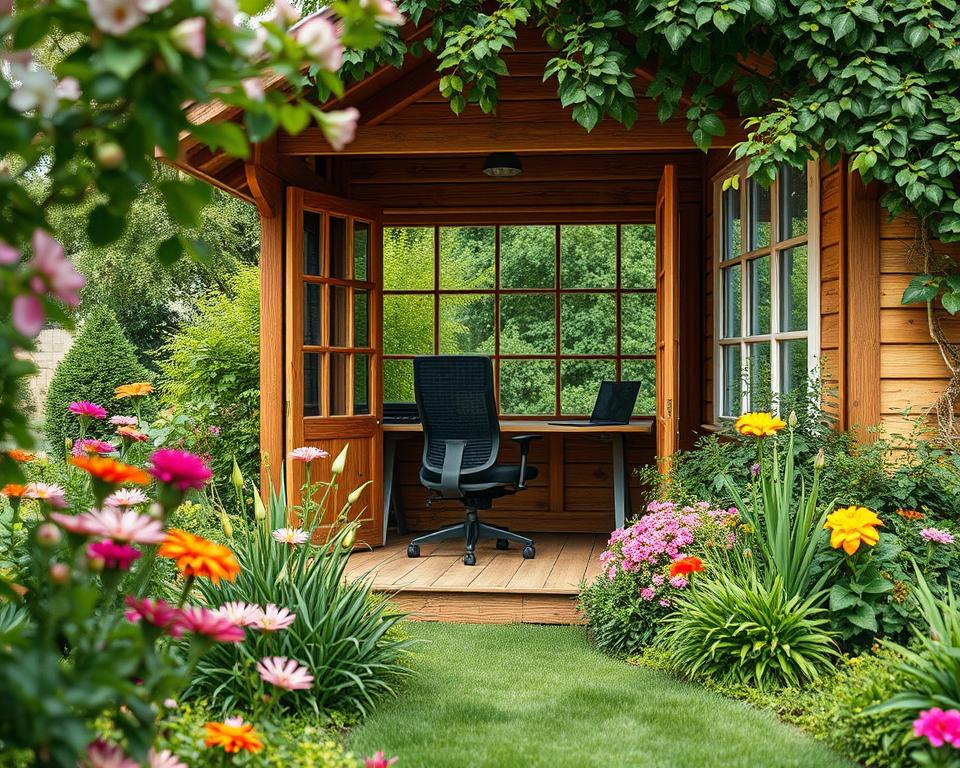
Cost-Effectiveness Compared to Home Extensions
Converting a wooden summerhouse into an office is often more cost-effective than extending your home. It eliminates the need for major construction work, saving on costs associated with building materials and labor.
Potential Increase in Property Value
A well-designed and well-maintained garden office can increase your property’s value. It adds an extra feature that can be attractive to potential buyers if you decide to sell your property in the future.
| Benefit | Description |
|---|---|
| Separation of Work and Home Life | Improves productivity and work-life balance |
| Connection with Nature | Reduces stress and improves mental well-being |
| Cost-Effectiveness | Saves on construction costs compared to home extensions |
| Potential Increase in Property Value | Attracts potential buyers and adds property value |
Planning Considerations Before You Begin
To successfully transform your wooden summerhouse into a home office, you must first navigate the necessary planning permissions and regulations. This step is crucial to ensure your project complies with UK laws and avoids potential legal issues down the line.

UK Planning Permission Requirements
In the UK, certain garden buildings, including summerhouses intended for use as offices, may require planning permission. Generally, if your summerhouse is to be used for a purpose incidental to the enjoyment of your home, and it doesn’t exceed certain size limits, you might not need permission. However, it’s essential to check with your local planning authority to confirm.
Size and Location Restrictions
The size and location of your summerhouse are critical factors in determining whether you need planning permission. For example, if your summerhouse is within 2 metres of a boundary and over 2.5 metres tall, you may need permission. Similarly, if it exceeds certain height limits or covers more than half of your garden, you might require approval.
Building Regulations to Consider
Beyond planning permission, you’ll need to comply with building regulations, which cover aspects such as structural integrity, fire safety, and energy efficiency. Specific considerations include:
Height Limitations
The height of your summerhouse is a critical factor. Taller structures may require additional permissions or need to adhere to specific building codes.
Distance from Boundaries
How close your summerhouse is to your property boundaries can also impact the permissions required. Structures too close to boundaries may need special consideration or approval.
By understanding and adhering to these planning considerations, you can ensure your wooden summerhouse office conversion is both successful and compliant with UK regulations.
Selecting the Right Wooden Summerhouse for Your Office Needs
The journey to creating an ideal garden office begins with selecting the right wooden summerhouse. This decision is crucial as it lays the foundation for a productive workspace that complements your garden setting.
Size and Layout Options
When considering size, think about the available space in your garden and how you intend to use the summerhouse. A larger summerhouse offers more flexibility in terms of layout, allowing for separate areas for work and relaxation. Measure your garden space carefully to determine the maximum size of the summerhouse you can accommodate.
| Size | Ideal Use | Space Requirement |
|---|---|---|
| Small (6×6 ft) | Ideal for a compact workspace or reading nook | Requires minimal garden space |
| Medium (8×8 ft) | Suitable for a standard office or studio | Needs a moderate amount of garden space |
| Large (10×12 ft) | Perfect for a spacious office or multipurpose room | Requires significant garden space |
Wood Types and Quality Considerations
The type of wood used can significantly impact the durability and aesthetic appeal of your summerhouse. Hardwoods like oak and cedar are popular for their durability and resistance to rot and insect damage.
Window Placement for Natural Light
Strategic window placement is essential for maximizing natural light. Consider placing windows on multiple sides to ensure your workspace is well-lit throughout the day.
Door Options and Accessibility
The door’s location and design can affect the functionality of your summerhouse office. Ensure that the door is accessible and consider adding a porch or step for convenience.
By carefully evaluating these factors, you can select a wooden summerhouse that not only meets your office needs but also enhances your garden’s beauty.
Foundation and Base Requirements
A sturdy base is essential for your garden office to ensure stability and longevity. The type of foundation you choose will depend on several factors, including the size of your wooden summerhouse, the terrain of your garden, and your budget.
Concrete Base Options
A concrete base is a popular choice for garden offices due to its durability and ability to provide a level surface. To lay a concrete base, you’ll need to prepare the ground by clearing it of debris and vegetation, then lay a layer of compacted hardcore before pouring the concrete. This method is relatively cost-effective and can be DIY-friendly with the right guidance.
Timber Deck Foundations
Timber deck foundations offer a more flexible and potentially quicker alternative to a concrete base. They can be particularly suitable for gardens with uneven terrain. A timber deck foundation involves constructing a frame using treated timber, which is then covered with decking boards. This option allows for good drainage and can be adjusted to accommodate sloping gardens.
Ensuring Proper Drainage
Regardless of the foundation type you choose, ensuring proper drainage is crucial to prevent water accumulation around your summerhouse office. This can be achieved by laying drainage channels or ensuring the base is slightly sloping away from the structure. Proper drainage will help protect your investment by preventing water damage.
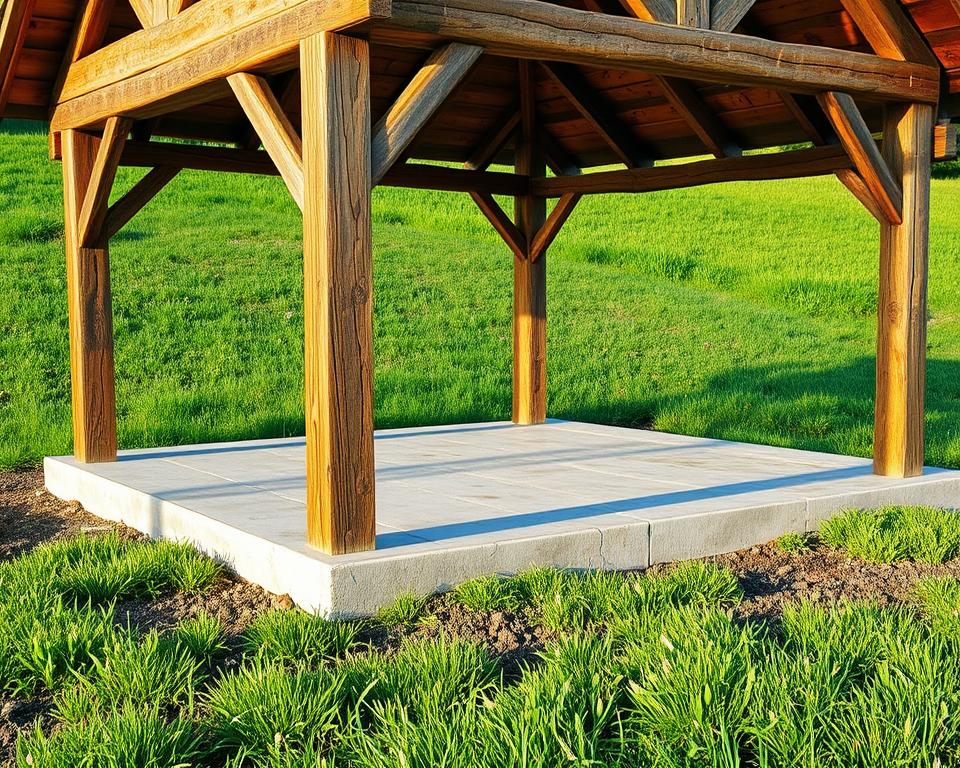
By carefully selecting and installing the right foundation for your wooden summerhouse office, you can ensure it remains a comfortable and productive workspace for years to come.
Essential Insulation for Year-Round Use
Effective insulation is the backbone of a comfortable and functional wooden summerhouse office. To ensure your garden office remains productive throughout the year, it’s crucial to consider various insulation options.
Wall Insulation Options
Wall insulation is a critical factor in maintaining a stable temperature within your wooden summerhouse. You can choose from several materials, including fiberglass batts, sheep’s wool, and rigid foam boards. Fiberglass batts are a cost-effective and easy-to-install option, while sheep’s wool offers a natural, eco-friendly alternative with excellent thermal properties.
| Insulation Material | Thermal Performance | Cost |
|---|---|---|
| Fiberglass Batts | Good | Low |
| Sheep’s Wool | Excellent | Medium |
| Rigid Foam Boards | Excellent | High |
Floor Insulation Techniques
Floor insulation is equally important to prevent heat loss through the floor. Techniques include installing underfloor insulation or using insulated floor panels. Ensuring the floor is level and dry before installing insulation is vital for optimal performance.
Roof Insulation Solutions
The roof is another area where significant heat loss can occur. Loft insulation or rigid insulation boards can be used to minimize this loss. Properly insulating the roof will help maintain a consistent temperature inside the summerhouse.
Double Glazing Considerations
Double glazing is a highly effective method for reducing heat loss through windows. It involves installing two panes of glass with a gap between them, significantly improving thermal efficiency. When selecting double glazing options, consider factors such as the frame material, glass type, and the spacer system to optimize performance.
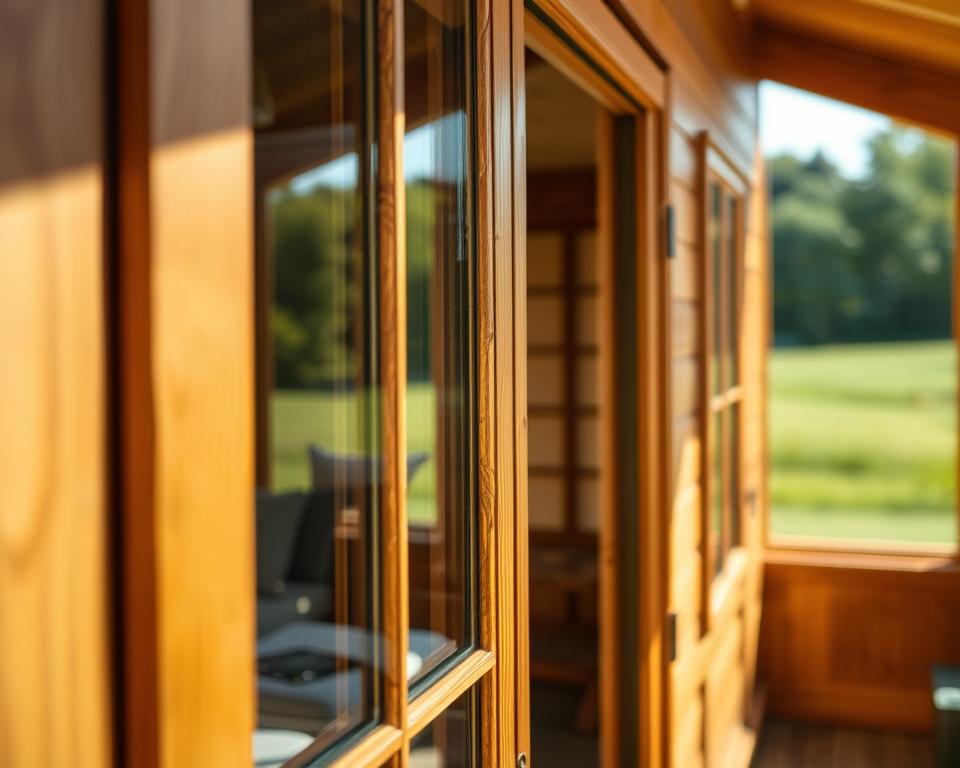
By carefully considering these insulation options and techniques, you can create a comfortable and productive wooden summerhouse office that remains functional year-round.
Electrical Installation and Connectivity
Creating a productive summerhouse office involves more than just furniture; it requires proper electrical installation and connectivity. As you transform your wooden summerhouse into a functional workspace, you’ll need to consider several key factors to ensure it is both efficient and safe.
Running Power to Your Summerhouse
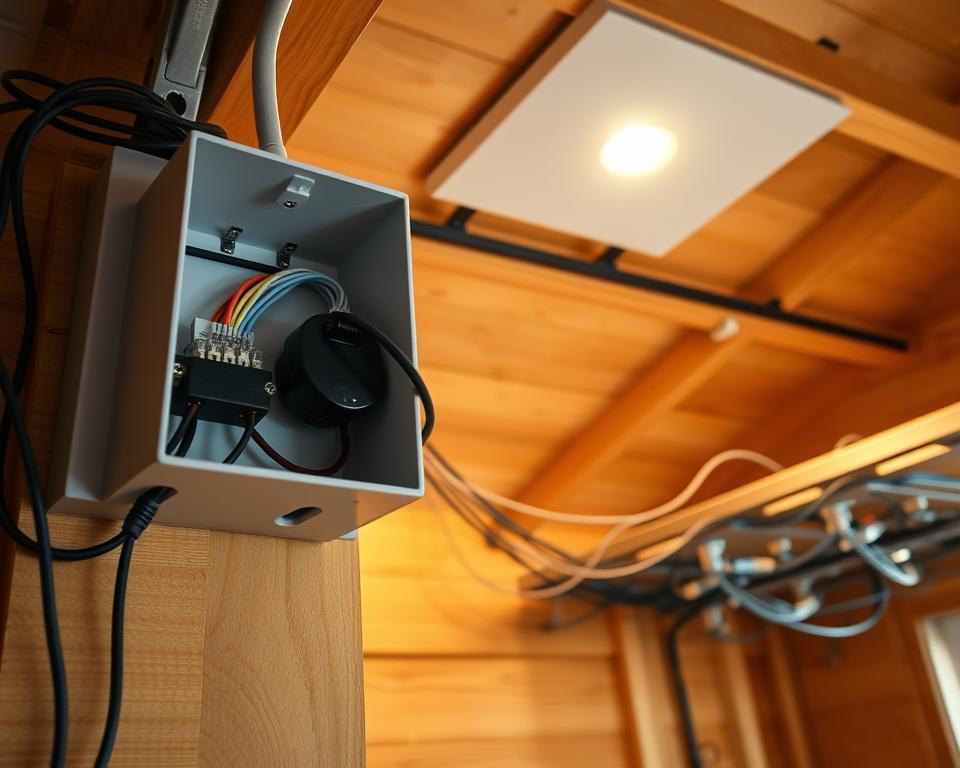
One of the primary considerations is how to supply power to your summerhouse. This involves deciding on the best method for running electrical cables from your main house to the summerhouse.
Underground Cabling
Underground cabling is a popular choice as it provides a clean and safe solution. It involves digging a trench to lay the cables, which are then protected by a conduit to prevent damage.
Professional vs DIY Installation
While a DIY installation might seem cost-effective, it’s often recommended to hire a professional to ensure the job is done safely and to code. A professional electrician can assess your needs and carry out the installation efficiently.
Internet Connectivity Solutions
In today’s digital age, reliable internet connectivity is crucial for any office. You have several options to consider for connecting your summerhouse office to the internet.
Wired Options
Wired connections, such as fibre-optic cables, offer fast and stable internet. Running a wired connection to your summerhouse might require professional assistance.
Wireless Extenders and Mesh Networks
Alternatively, wireless extenders or mesh network systems can boost your existing Wi-Fi signal to reach your summerhouse. These solutions are particularly useful if running cables is not feasible.
Lighting Circuit Planning
Proper lighting is essential for productivity and comfort. Planning your lighting circuit involves selecting the right type and number of lights for your space.
| Lighting Type | Purpose | Energy Efficiency |
|---|---|---|
| LED Lighting | Task Lighting | High |
| Ambient Lighting | General Illumination | Medium |
| Accent Lighting | Decorative | Low to Medium |
By carefully planning your electrical installation and connectivity, you can create a summerhouse office that is both functional and comfortable. Whether you’re working from home or running a business, a well-designed electrical and connectivity system is crucial for productivity and success.
Heating and Cooling Solutions
A well-designed heating and cooling system is crucial for making your wooden summerhouse office a pleasant place to work, regardless of the weather outside. To achieve this, you need to consider several options that can provide comfort throughout the year.
Electric Heating Options
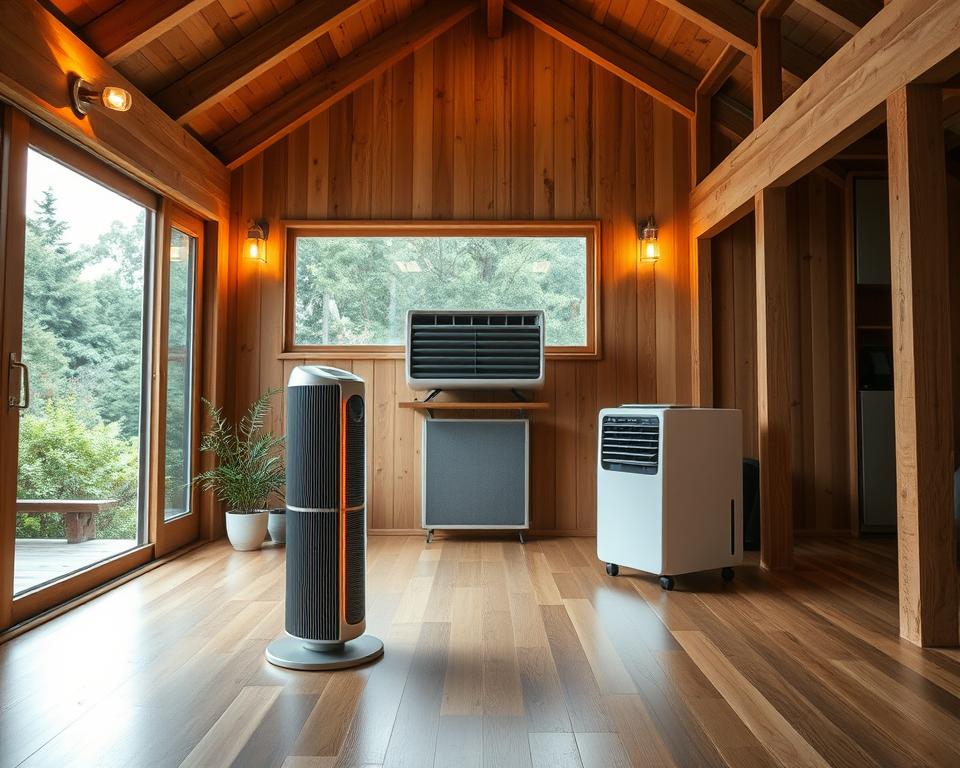
Electric heaters are a popular choice for summerhouse offices due to their ease of installation and efficiency. You can choose from various types, including radiant heaters and convector heaters, depending on your specific needs and the size of your summerhouse.
Portable Air Conditioning Units
For warmer months, portable air conditioning units can be an effective solution. These units are relatively easy to install and can be moved around as needed. When selecting a portable air conditioner, consider the size of your summerhouse and the unit’s cooling capacity.
Natural Ventilation Strategies
Natural ventilation is a cost-effective and energy-efficient way to regulate the temperature in your summerhouse office. By strategically placing windows and using vents, you can create a natural airflow that keeps your office cool in the summer and reduces the need for heating in the winter.
Underfloor Heating Considerations
Underfloor heating is another excellent option for maintaining a comfortable temperature. It’s particularly effective in well-insulated summerhouses. When considering underfloor heating, think about the type of flooring you have or plan to install, as some materials are more compatible with underfloor heating than others.
By carefully evaluating these heating and cooling solutions, you can create a comfortable and productive workspace in your wooden summerhouse office.
Interior Design for a Wooden Summerhouse as an Office
To maximise your wooden summerhouse’s potential as an office, consider these interior design tips. A well-designed interior is crucial for productivity and comfort.

Space-Saving Furniture Ideas
When it comes to furnishing your wooden summerhouse office, space-saving furniture is key. Consider using wall-mounted desks and foldable chairs to maximise floor space. “The right furniture can make a significant difference in a small workspace,” says interior design expert, Emma Clarke. A compact, ergonomic chair and a minimalist desk can help create an efficient workspace.
Storage Solutions
Adequate storage is essential for maintaining a clutter-free and productive workspace. Utilise vertical storage options like tall bookshelves and wall-mounted cabinets. Incorporating storage bins and baskets can also help keep your office organised.
Colour Schemes for Productivity
The colour scheme of your wooden summerhouse office can significantly impact your productivity. Soothing colours like light blue and pale green can promote calmness, while brighter tones like yellow can boost creativity. Choose a palette that reflects your work style and preferences.
Ergonomic Considerations
Ergonomics play a vital role in creating a comfortable and healthy workspace. Ensure your chair is at the correct height, and your monitor is positioned to avoid strain on your neck. As ergonomics expert, Dr. Jane Smith, notes, “A well-designed workspace can prevent long-term health issues.” Consider investing in an ergonomic keyboard and mouse to further enhance your working comfort.
By incorporating these interior design elements, you can create a functional and productive wooden summerhouse office that meets your needs.
Lighting Design for Optimal Productivity
To maximise productivity, it’s essential to consider the lighting design in your garden office. A well-lit workspace not only enhances your mood but also reduces eye strain and improves focus.
Natural Light Optimisation
Maximising natural light is crucial. Position your wooden summerhouse to capture the sun’s rays, and consider installing large windows or skylights to illuminate your workspace. This not only saves energy but also creates a more pleasant working environment.

Task Lighting Solutions
Task lighting is vital for specific work areas. Use adjustable desk lamps or under-cabinet lighting to provide focused light where you need it most. This helps in reducing eye strain and improving productivity.
Ambient Lighting for Comfort
Ambient lighting sets the overall tone of your workspace. Use soft, warm lighting to create a comfortable atmosphere. This can be achieved with ceiling lights, floor lamps, or string lights, depending on the desired ambiance.
By balancing natural light, task lighting, and ambient lighting, you can create an optimal working environment in your wooden summerhouse office.
- Maximise natural light with strategic window placement.
- Use task lighting for focused work areas.
- Employ ambient lighting to create a comfortable atmosphere.
Security Measures for Your Garden Office
A wooden summerhouse office, while a serene workspace, requires robust security measures to safeguard against potential threats. As you invest in converting your garden building into a functional office, it’s crucial to consider the security aspects to protect your valuable equipment and sensitive documents.
Secure Locks and Windows
One of the primary security measures is to ensure that your garden office is equipped with secure locks and windows. Consider installing high-quality locks that are resistant to picking and forced entry. Additionally, using laminated or double-glazed windows can enhance security by making it harder for intruders to break in.
CCTV and Alarm Options
Installing CCTV cameras around your garden office can act as a deterrent to potential intruders and provide valuable evidence in case of a security breach. Complementing CCTV with an alarm system can further enhance security. Modern alarm systems can be integrated with your smartphone, allowing you to monitor your garden office remotely.
Insurance Considerations
Even with robust security measures in place, it’s essential to consider insurance to protect against unforeseen events. Home office insurance can cover your equipment, documents, and the structure itself against theft, damage, or loss.
| Security Measure | Benefits | Cost Estimate |
|---|---|---|
| Secure Locks | Prevents unauthorized access | £50-£100 |
| CCTV Installation | Deters intruders, provides evidence | £200-£500 |
| Alarm System | Alerts you and authorities to breaches | £100-£300 |
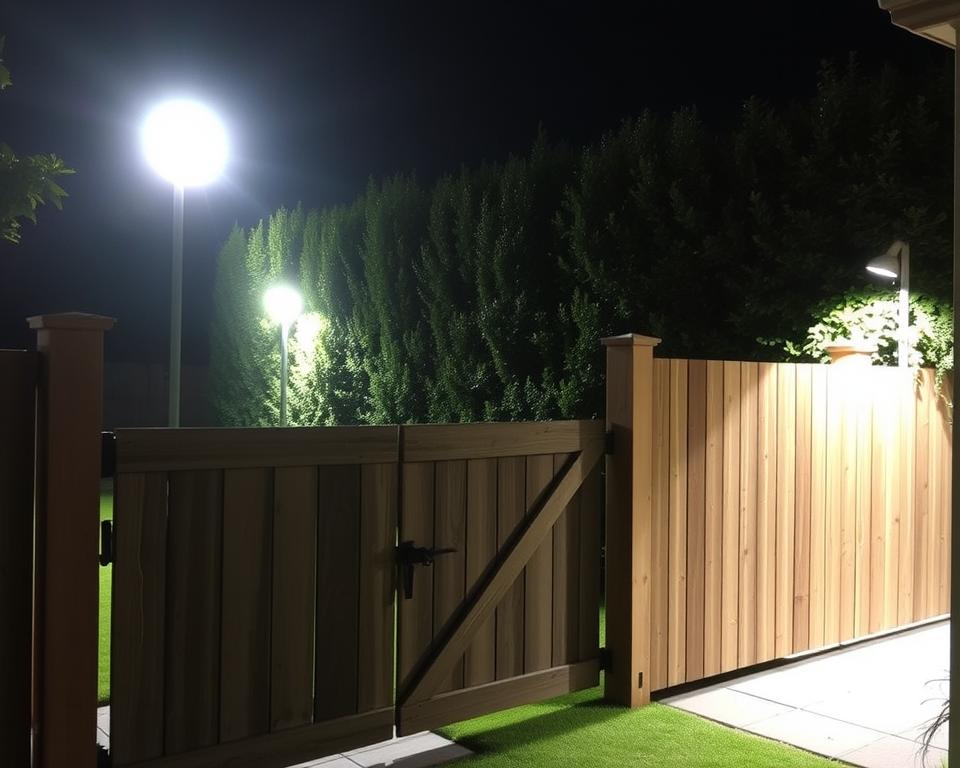
By implementing these security measures, you can ensure that your garden office remains a safe and secure workspace, allowing you to focus on your work without undue concern for the security of your equipment and documents.
Weatherproofing and Maintenance
To maintain your wooden summerhouse office in good condition, weatherproofing is key. This involves protecting the structure from the elements to ensure it remains durable and functional throughout the year.
Timber Treatment Options
One of the most effective ways to weatherproof your wooden summerhouse is through timber treatment. This can include applying preservatives to protect against rot and insect damage. Regular treatment can significantly extend the lifespan of your summerhouse.

Seasonal Maintenance Schedule
Establishing a seasonal maintenance schedule is crucial for the upkeep of your wooden summerhouse office. This should include tasks such as inspecting the structure for damage, cleaning gutters, and reapplying protective finishes as needed.
Dealing with Damp and Condensation
Damp and condensation can be significant issues in wooden summerhouses. Ensuring proper ventilation is vital to prevent these problems. This can be achieved by installing vents or ensuring that windows can be opened to allow air to circulate.
By following these weatherproofing and maintenance tips, you can enjoy your wooden summerhouse office for years to come, maintaining its integrity and functionality.
Cost Breakdown of Setting Up a Wooden Summerhouse Office
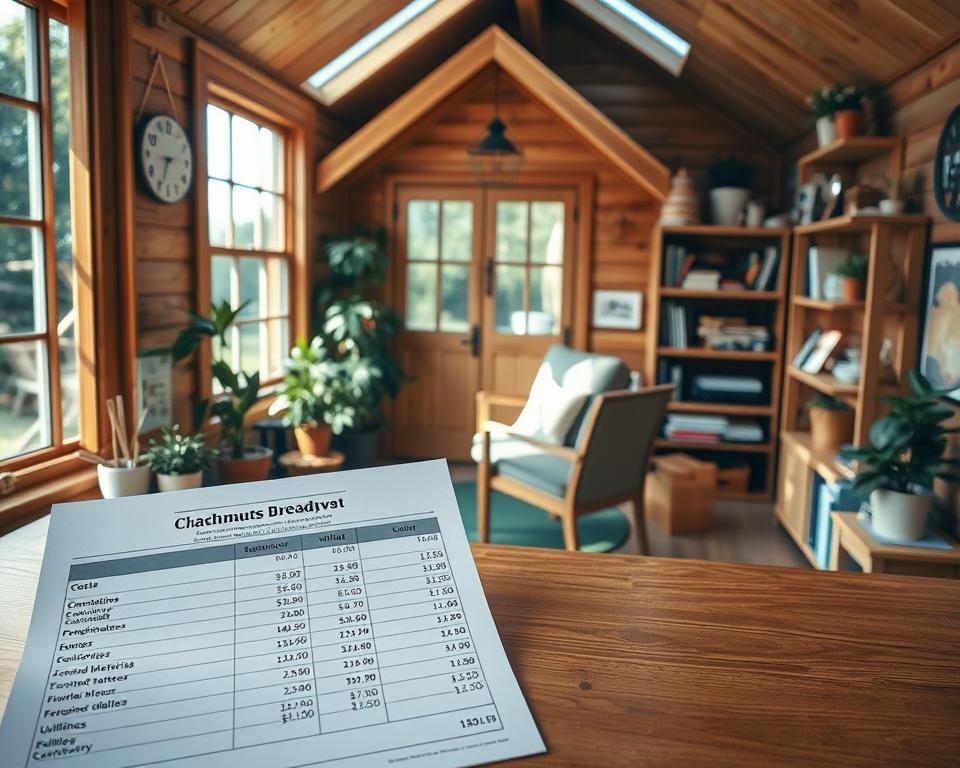
Creating a wooden summerhouse office requires a thorough breakdown of the costs to ensure a successful project. Understanding the various expenses involved will help you budget effectively and make informed decisions throughout the process.
Initial Purchase and Installation
The initial cost of the wooden summerhouse itself can vary significantly based on size, material, and design. On average, you can expect to pay between £1,000 and £5,000 for the summerhouse. Installation costs can add another £500 to £2,000, depending on the complexity of the job and the base preparation required.
Insulation and Weatherproofing Costs
To make your summerhouse office usable year-round, insulation is crucial. The cost of insulation can range from £500 to £2,000, depending on the type and quality of materials used. Weatherproofing treatments to protect the timber can add another £200 to £500.
Electrical and Connectivity Expenses
Running electricity to your summerhouse can cost between £500 and £2,000, depending on the distance from the main house and the complexity of the installation. Additional costs for lighting, heating, and internet connectivity should also be considered.
Furniture and Interior Design Budget
The cost of furnishing and designing the interior of your summerhouse office can vary widely, depending on your choices. You can expect to spend at least £1,000 to £3,000 on furniture and decor to create a functional and comfortable workspace.
Ongoing Running Costs
Ongoing costs include heating, lighting, and maintenance. These can be relatively low, with heating costs potentially adding £100 to £300 per year, depending on the insulation and heating system used.
| Cost Component | Low Estimate (£) | High Estimate (£) |
|---|---|---|
| Initial Purchase and Installation | 1,500 | 7,000 |
| Insulation and Weatherproofing | 500 | 2,500 |
| Electrical and Connectivity | 500 | 2,000 |
| Furniture and Interior Design | 1,000 | 3,000 |
| Ongoing Running Costs (Annual) | 100 | 300 |
By understanding these cost components, you can better plan and budget for your wooden summerhouse office, ensuring a successful and stress-free project.
Personalising Your Summerhouse Office Space
Personalising your garden office is not just about aesthetics; it’s about creating a space that inspires creativity and focus. A well-personalised workspace can significantly enhance your productivity and overall work experience.
Décor Ideas for Inspiration
When it comes to décor, the options are endless. You can choose a theme that resonates with your work or personal style. Consider incorporating artwork, rugs, and furniture that not only look good but also provide comfort.
For instance, adding a statement piece of art or a colourful rug can inject personality into your space. Moreover, ergonomic furniture can enhance your working experience by providing the necessary comfort during long working hours.
Plants and Natural Elements
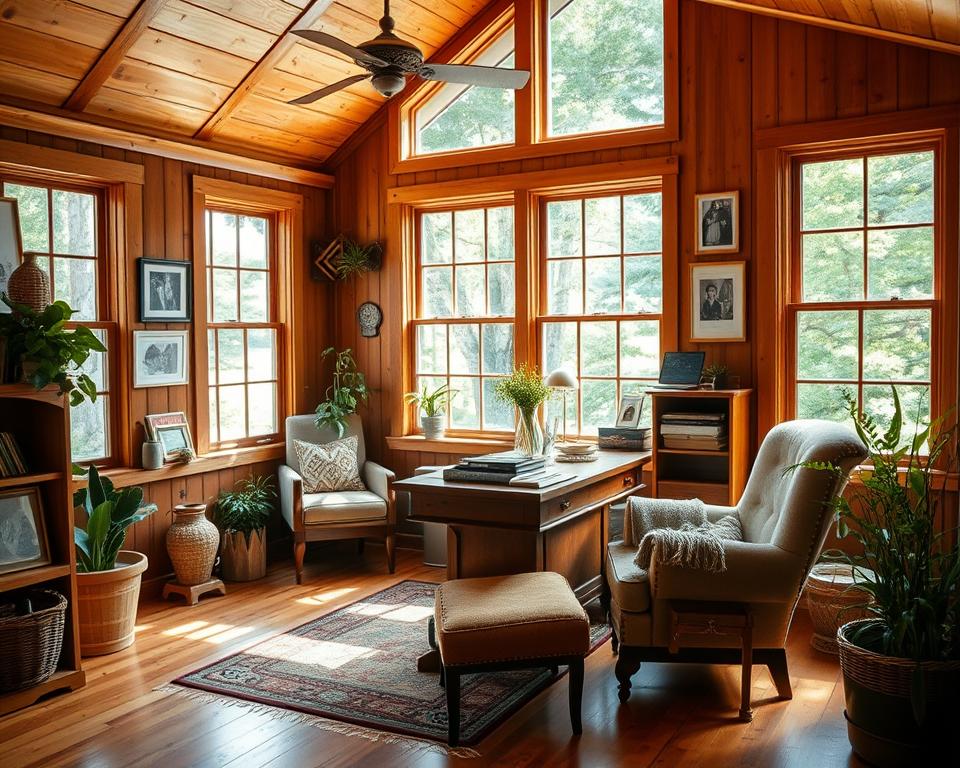
Incorporating plants and natural elements can bring a sense of calm and serenity to your workspace. Plants are known to improve air quality and boost mood, making them a great addition to any office.
Consider adding a small herb garden or a few potted plants to your summerhouse office. Not only do they purify the air, but they also add a touch of greenery to your workspace.
Personal Touches for Comfort
Adding personal touches can make your summerhouse office feel more like your own. This could be family photos, personal mementos, or even a favourite piece of furniture.
These elements can create a sense of warmth and comfort, making it easier to spend long hours working in your garden office.
Productivity Tips for Working in Your Garden Office
Maximising productivity in your garden office requires a combination of the right environment and effective work habits. To achieve this, consider the following strategies.
Establishing a Routine
Establishing a routine is crucial when working from a garden office. Set regular working hours to maintain a healthy work-life balance. This helps in avoiding the temptation to work excessively long hours or, conversely, getting distracted by household chores.
Creating Boundaries with Family Members
When your office is separate from your living space, it’s easier to disconnect from work. However, it’s still important to communicate your work hours to family members to minimize interruptions.
Maximising the Benefits of Your Garden Setting
The garden setting of your office can be a significant productivity booster. Take breaks to enjoy the surroundings, and consider incorporating plants into your office design to enhance the natural ambiance.

Conclusion: Embracing the Wooden Summerhouse Office Lifestyle
You’ve now explored the numerous benefits and practical considerations of converting a wooden summerhouse into an office. By embracing this lifestyle, you can enjoy a serene and productive work environment, separated from the distractions of your main home. The wooden summerhouse office lifestyle offers a unique opportunity to reconnect with nature, boost your creativity, and enhance your overall well-being.
A garden office not only provides a tranquil atmosphere but also offers garden office benefits such as increased property value and a cost-effective alternative to home extensions. As you consider adopting this lifestyle, remember to prioritize factors like insulation, electrical installation, and security measures to ensure your wooden summerhouse office is functional and comfortable throughout the year.
By incorporating a wooden summerhouse into your work routine, you can experience the perfect blend of productivity and relaxation. So, why not take the first step towards embracing the wooden summerhouse office lifestyle and discover the positive impact it can have on your work-life balance?
FAQ
What are the benefits of converting a wooden summerhouse into an office?
Converting a wooden summerhouse into an office provides a separation of work and home life, connection with nature, cost-effectiveness compared to home extensions, and a potential increase in property value.
Do I need planning permission to convert a wooden summerhouse into an office?
In the UK, you may need planning permission depending on the size and location of your summerhouse. It’s essential to check with your local authority to determine the specific requirements for your area.
What type of insulation is required for a wooden summerhouse office?
To make your wooden summerhouse office suitable for year-round use, you’ll need to consider wall, floor, and roof insulation, as well as double glazing options to maintain a comfortable temperature.
How do I ensure proper electrical installation in my wooden summerhouse office?
To ensure safe and efficient electrical installation, consider running power to your summerhouse via underground cabling, and consult a professional electrician to determine the best installation method for your needs.
What are the key considerations for heating and cooling in a wooden summerhouse office?
You can maintain a comfortable temperature in your wooden summerhouse office by using electric heating options, portable air conditioning units, natural ventilation strategies, or underfloor heating, depending on your specific needs.
How can I personalise my wooden summerhouse office space?
You can personalise your wooden summerhouse office by incorporating décor ideas, plants, and natural elements, and adding personal touches to create a comfortable and inspiring workspace.
What are the ongoing costs associated with running a wooden summerhouse office?
Ongoing costs for a wooden summerhouse office may include utility bills, maintenance, and potentially, internet and phone connectivity expenses.
How can I maximise productivity while working in my garden office?
Establishing a routine, creating boundaries with family members, and maximising the benefits of your garden setting can help you stay productive while working in your wooden summerhouse office.
What security measures should I consider for my garden office?
To secure your garden office, consider installing secure locks and windows, CCTV, and alarm systems, and review your insurance options to protect your property and equipment.
How do I weatherproof and maintain my wooden summerhouse office?
Regular maintenance, including timber treatment, seasonal checks, and addressing any damp or condensation issues, will help to weatherproof and prolong the lifespan of your wooden summerhouse office.