Budget-Friendly Ideas for a Small Garden
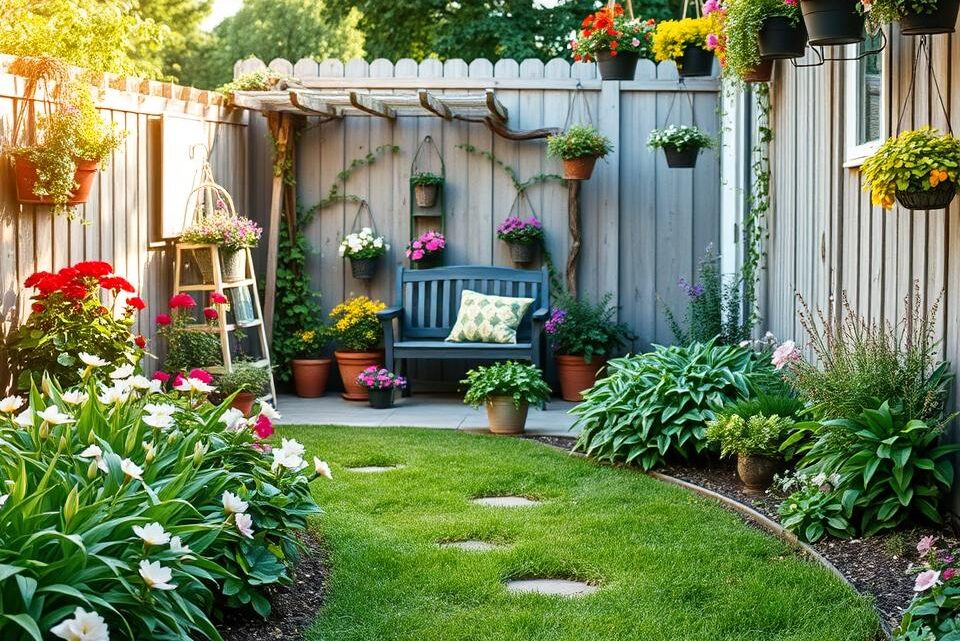
Creating a beautiful outdoor space doesn’t have to break the bank. Gardening is for everyone, regardless of the size of their garden. With a little creative thinking, you can transform a small garden into a functional and aesthetically pleasing area.
By applying clever design principles and making budget-conscious choices, homeowners can maximise their space and enjoy a lovely garden. This guide will explore various aspects of garden design, including planning, boundaries, paths, and planting strategies tailored for small spaces.
Inhaltsverzeichnis
Key Takeaways
- Transforming a small garden into a beautiful and functional area on a budget
- Maximising space through clever design principles
- Using vertical gardening and container solutions
- Strategic use of colour and materials to enhance the garden
- Practical, affordable ideas for small gardens
Understanding the Potential of Small Garden Spaces
Despite their limited size, small gardens offer a multitude of opportunities for creative expression and design. In a small garden, following a few key principles when planning and planting will help make your garden look bigger and feel less cluttered.
The Benefits of Small Gardens
Small gardens have several benefits, including lower maintenance requirements and reduced water usage. They also provide an opportunity to create intimate, cozy outdoor retreats. By focusing on quality over quantity, gardeners can invest in fewer but higher-quality elements that create maximum impact.
Setting Realistic Budget Goals
When setting budget goals for a small garden, it’s essential to prioritize spending on structural elements that will provide the foundation for your design. Creating a realistic budget involves assessing what can be repurposed or upcycled versus what needs to be purchased new. This approach helps in saving money and adding a personal touch to the garden.
| Budgeting Aspect | Consideration | Benefit |
|---|---|---|
| Structural Elements | Prioritize spending on foundational elements | Provides a solid design foundation |
| Repurposing | Assess what can be repurposed or upcycled | Saves money and adds a personal touch |
| New Purchases | Determine what needs to be bought new | Ensures necessary elements are acquired |
Budget-Friendly Planning and Design Principles
Creating a beautiful small garden on a budget requires careful planning and a thoughtful design approach. To make the most of your outdoor space, it’s essential to understand the principles that will guide your decisions.
Getting the Landscaping-Planting Ratio Right
A well-balanced garden design for small spaces begins with achieving the right ratio between hard landscaping and planting areas. Aim for a balanced distribution of around 50:50 between planting and furniture versus paving or decking. This balance helps prevent the garden from feeling overcrowded or bare.
Using Colour Strategically to Create Illusion of Space
The strategic use of colour can significantly impact the perceived size of your garden. Cool colours like blues and purples can create an illusion of more space as they visually recede, whereas hot colours such as reds and oranges can make elements appear closer. Choosing a cooler plant palette can make your garden look bigger than it is.
Working with Your Garden’s Shape
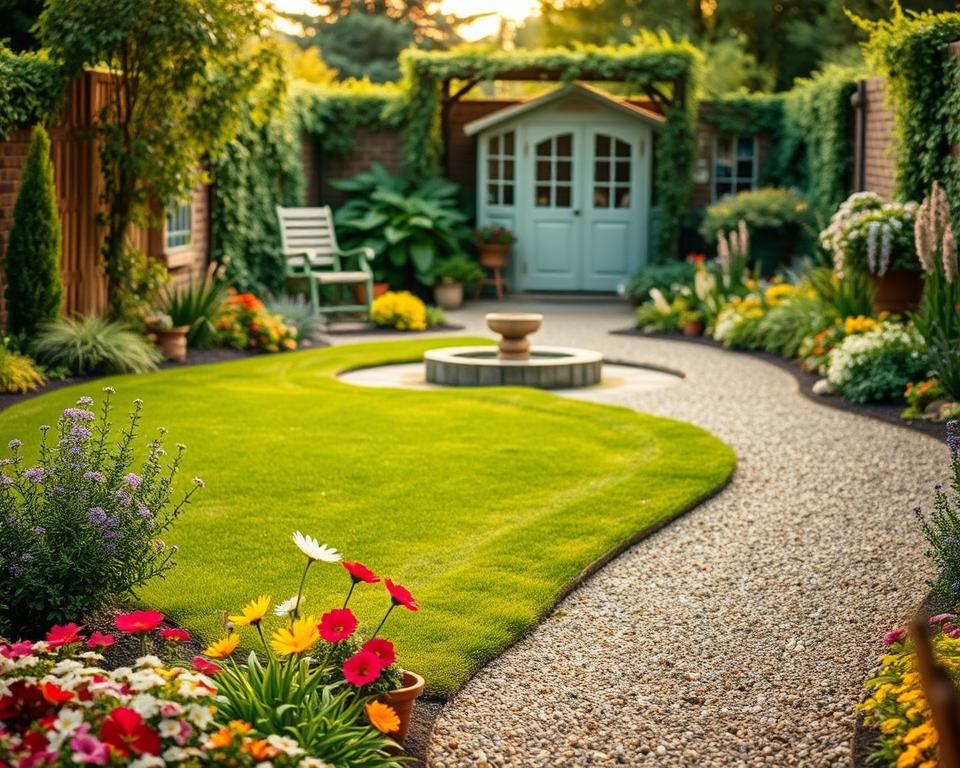
The shape of your garden can either be a constraint or an opportunity. For rectangular gardens, introducing circular paving or curved borders can break up the linearity and create visual interest. Dividing the garden with a border or screen can also help draw the eye away from the boundaries, making the space feel larger.
- Effective garden design involves understanding the optimal ratio between hard landscaping and planting areas.
- Strategic use of colour can create optical illusions that make a garden appear larger.
- Working with your garden’s shape rather than against it is crucial for creating a visually appealing space.
By applying these budget-friendly planning and design principles, you can create a beautiful and functional small garden that meets your needs without breaking the bank.
Low-Cost Boundary Solutions
Creating a beautiful boundary for your small garden doesn’t have to break the bank. Effective boundary solutions not only define your garden’s space but also contribute significantly to its overall aesthetic appeal.
Affordable Fencing Options
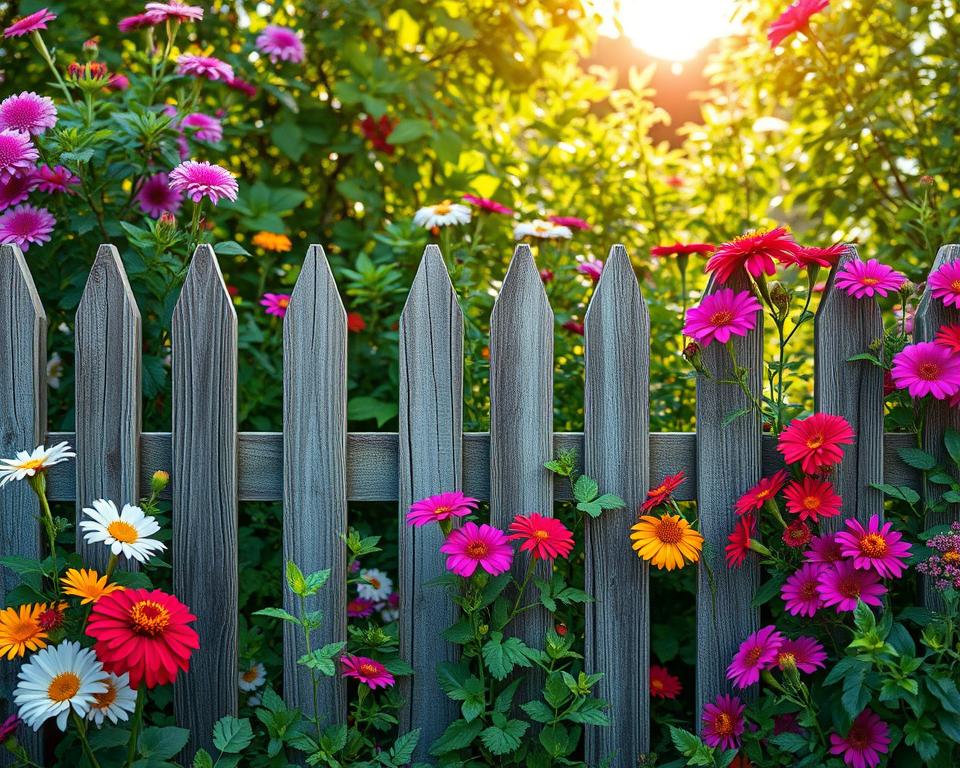
For immediate boundary definition, fencing is a viable option. You can choose from a variety of styles and materials, with wooden fences being particularly popular for their natural look and durability. Consider using sustainable wood for a more environmentally friendly fence that will last for years.
Repurposing or refurbishing an existing fence can also be a cost-effective way to achieve your boundary goals. A simple coat of environmentally friendly timber paint can significantly enhance the appearance of your fence, making it look new again.
Growing Hedges on a Budget
Planting a hedge is not only budget-friendly but also beneficial for the environment, as it provides a habitat for wildlife. Bare root hedging plants are a cost-effective option, priced between 60p to £3 per plant, and will grow into a dense hedge over time.
To ensure the success of your hedge, choose plants suitable for your climate and soil type. With proper care, a hedge can become a beautiful and functional boundary that enhances your garden’s garden ecosystem.
Using Climbers to Cover Boundaries
Climbers offer a versatile and cost-effective way to cover unsightly boundaries or walls, adding vertical interest to your garden. For sunny spots, consider clematis or jasmine, while ivy and climbing hydrangea are ideal for shadier areas.
By incorporating climbers into your boundary design, you can create a lush, vibrant display that not only hides unwanted views but also increases the planted area of your garden without taking up valuable ground space.
Budget-Friendly Ideas for Paths and Patios
You don’t have to spend a fortune to create stunning garden paths and patios. The key is to be creative with the materials you choose and how you use them.
Affordable Alternatives to Traditional Paving
One of the most cost-effective ways to cover a garden area is by using gravel. Gravel comes in various sizes and colours, making it versatile for different garden designs. For instance, smaller stones are ideal for high-traffic areas as they disperse weight evenly, while larger pebbles are better suited for decorative, low-traffic areas.
Using local stone for your gravel not only reduces costs but also minimises environmental impact by cutting down on transportation costs and carbon footprint.
Repurposing Existing Materials
Before buying new materials, consider what can be salvaged from your existing garden. Existing patio slabs can often be cleaned and reused, or repurposed to create new paths or features. This approach not only saves money but also reduces waste.
Creating Budget-Friendly Walkways
To create an inviting walkway without overspending, consider mixing materials. For example, you can use higher-quality paving for focal points and connect these areas with gravel or other budget-friendly materials. This mix-and-match approach adds visual interest while keeping costs in check.
By adopting these budget-friendly ideas, you can enhance your garden’s paths and patios without breaking the bank.
Cost-Effective Planting Strategies
Implementing cost-effective planting strategies is crucial for maintaining a beautiful garden on a budget. By making a few smart choices, gardeners can enjoy a vibrant and thriving garden without breaking the bank.
Starting Plants from Seeds
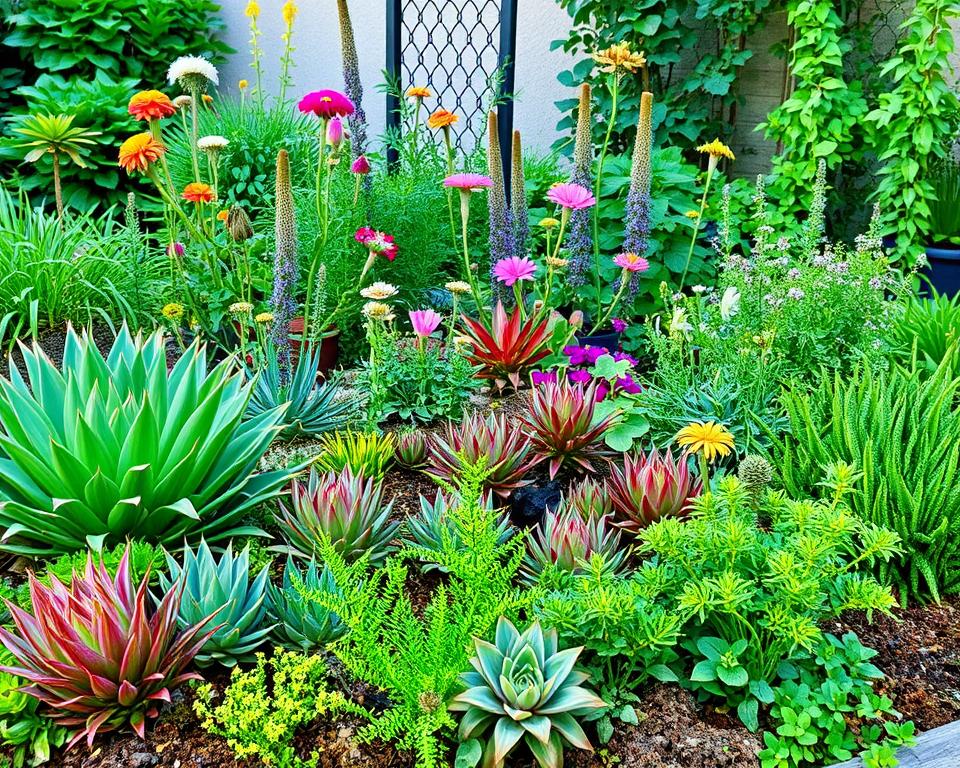
One of the most cost-effective ways to start a garden is by growing plants from seeds. This method not only saves money but also allows gardeners to have control over the types of plants they grow. Seeds can be started indoors on a warm windowsill, eliminating the need for expensive greenhouses. Packets of seeds cost a fraction of the price of established plants, making it an economical choice for gardeners.
Long-Season Plants for Maximum Value
Choosing plants with long flowering seasons can provide maximum visual impact and value. Varieties like Rosa ‘Flower Carpet Amber’, which flowers for eight months, or hardy geraniums that flower all summer long, are excellent choices. These plants ensure that the garden remains vibrant and interesting for an extended period, reducing the need for frequent replacements.
Dividing and Propagating Plants
Dividing and propagating existing plants is another cost-effective strategy. Perennials like hostas, lavender, and ornamental grasses can be divided every few years to create multiple plants. This method is essentially free gardening, as it utilizes plants already available in the garden.
Community Plant Swapping
Community plant swapping is a great way to diversify a plant collection without financial outlay. Gardeners can participate in local gardening groups, social media platforms, or organized events to exchange plants. This not only saves money but also provides an opportunity to learn from experienced gardeners and share knowledge.
| Cost-Effective Strategy | Benefits |
|---|---|
| Starting Plants from Seeds | Saves money, control over plant types |
| Long-Season Plants | Maximum visual impact, reduced replacements |
| Dividing and Propagating Plants | Essentially free gardening, utilizes existing plants |
| Community Plant Swapping | Diversifies plant collection, saves money, shares knowledge |
By incorporating these cost-effective planting strategies, gardeners can enjoy a beautiful and thriving garden while saving money. It’s all about making smart choices and being mindful of the lifecycle of plants to ensure maximum value.
Space-Maximising Planting Ideas
Small gardens can be incredibly productive with the right space-maximising techniques. One of the simplest ways to give small gardens a boost is to utilise vertical space.
Vertical Gardening Solutions
Using vertical space can effectively multiply the planting area without expanding the garden’s footprint. Solutions include wall-mounted planters, trellises for climbers, hanging baskets, and obelisks that create height without width.
Container Gardening for Small Spaces
Container gardening offers flexibility for small spaces, allowing plants to be moved to optimise sunlight exposure and create different arrangements for various seasons or occasions.
Growing Trained Fruit Trees
Trained fruit trees, such as espaliers and cordons, provide productive growing options that take minimal space. They can be grown in containers or against walls and fences, maximising yields in small gardens.
Compact Vegetable Growing
For vegetable growing in limited spaces, climbing varieties like runner beans and squash ‘Tromboncino’ offer excellent yields from minimal ground area. The square metre vegetable gardening technique maximises productivity by close planting and succession cropping.
By implementing these space-maximising planting ideas, small gardens can become highly productive and visually appealing. Whether it’s through vertical gardening, container gardening, or growing trained fruit trees, there are numerous ways to make the most of a compact garden.
DIY and Upcycling Projects
DIY and upcycling projects offer a budget-friendly way to add character to your small garden. By repurposing household items, you can create unique features that enhance your outdoor space.
Repurposing Household Items as Planters
Old tyres can be repurposed to make budget-friendly planters. They can be stacked to create raised beds or painted in bright colours to create fun focal points. Fill them with soil and plant herbs or strawberries for a space that tastes as good as it looks.
Repurposing household items like old wooden ladders can also create a unique display stand for potted flowers and plants, perfect for small gardens and spots with limited space.
Creating Budget Seating Areas
When it comes to seating, think creatively for budget options. You could make your own bespoke seating using upcycled materials, reclamation yard finds, or local internet buy/sell groups to fit your budget.
Building seating that can double up as storage space is a great way to save space in a small back garden. Use a corner bench or put seating up against a boundary to save space on a table in the centre of your patio.
Affordable Lighting Solutions
Adding light to a small garden is simple and doesn’t have to be expensive. Solar-powered spotlights are a great option, requiring no electrical installation. Fairy lights or strings of lanterns are another easy, cheap option.
Simple Paint Transformations
Whether your fences are looking a little worse for wear or you’re feeling like trying something new, painting them is the perfect way to spruce up your space. Choose a classic shade like forest green, chestnut brown, or slate grey for a natural look.
Use weatherproof fence paint to guarantee a lasting look, even through a British winter. This simple transformation can make a significant difference to your garden’s overall appearance.
Maintaining Your Budget-Friendly Small Garden
Maintaining a budget-friendly small garden is a long-term commitment that requires attention to detail and a willingness to adapt. To keep your garden thriving, it’s essential to be proactive and plan ahead. Growing your own plants, herbs, flowers, and vegetables from seeds is one of the most cost-effective ways to transform your garden.
Regular maintenance tasks, such as pruning trees and shrubs, mulching beds, and installing simple rainwater collection systems, help reduce ongoing costs while promoting plant health. Creating a maintenance calendar can help spread the workload throughout the year and prevent small issues from becoming expensive problems.
By adopting a few simple strategies, such as propagating your own plants, saving seeds, and participating in community plant swaps, you can continue to enjoy a beautiful and budget-friendly small garden. Investing time in soil improvement through composting and mulching also pays dividends in plant health and reduces the need for purchased fertilizers.
By following these tips, you can enjoy a lush and inviting small garden without breaking the bank. With a little care and attention, your garden will continue to thrive for years to come.
FAQ
What are some budget-friendly ways to create a patio in a small garden?
Using gravel or repurposed materials can be an affordable alternative to traditional paving. Additionally, consider creating a seating area with budget-friendly outdoor furniture or repurposing household items.
How can I maximise space in my small garden?
Consider using vertical gardening solutions, container gardening, or trained fruit trees to make the most of your space. You can also use climbers to cover boundaries and create a sense of depth.
What are some cost-effective ways to maintain my small garden?
Starting plants from seeds, dividing and propagating plants, and community plant swapping can be cost-effective ways to maintain your garden. Regularly inspecting your plants and addressing any issues promptly can also help prevent costly problems.
How can I create a sense of colour and vibrancy in my small garden on a budget?
Using colour strategically through planting, paint, or other decorative elements can create the illusion of space and add visual interest. Consider using long-season plants that provide maximum value and colour throughout the year.
What are some affordable fencing options for my small garden?
Consider using affordable fencing materials such as wood, bamboo, or metal. You can also grow hedges on a budget by planting hedge plants or using climbers to cover boundaries.
How can I create a budget-friendly walkway in my small garden?
Using gravel, repurposed materials, or simple paving slabs can be an affordable way to create a walkway. Consider using a simple design and layout to keep costs down.