Greenhouse Cleaning Tips for UK Gardeners
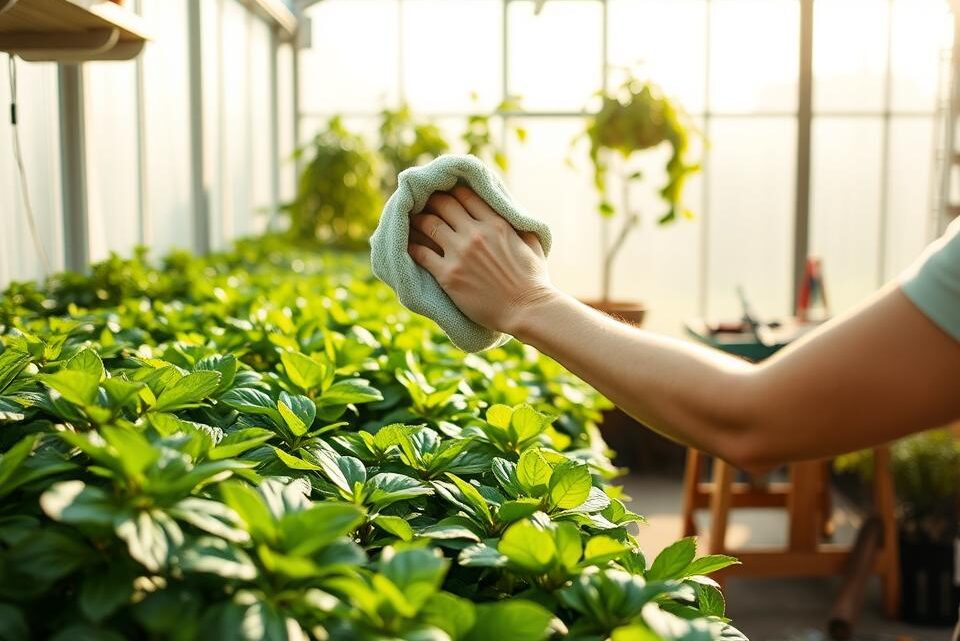
Cleaning the greenhouse means more than a quick wipe of glass. For UK gardeners it includes cleaning glass or polycarbonate panels, sweeping and sanitising benches and floors, and maintaining irrigation, heating and ventilation systems. This guide focuses on practical greenhouse cleaning tips UK growers can use, whether they tend a small allotment house or run a modest commercial tunnel.
British weather — frequent rain, damp winters and pockets of high humidity — raises the risk of algae, mould and fungal pathogens. Shorter winter daylight makes light transmission vital, so regular greenhouse maintenance preserves both plant health and crop yield. Modern sealed polycarbonate houses demand different care to traditional glass structures, so the approach should reflect your greenhouse type.
Our aim is to offer safety-conscious, cost-effective and sustainable methods that suit hobbyists and small-scale producers. Topics covered include seasonal schedules, pest and disease reduction, eco-friendly options and how to sanitise systems without harming crops. The key phrase for search relevance is “Cleaning the greenhouse” and the meta description will focus on practical greenhouse hygiene and maintenance for UK gardeners.
Inhaltsverzeichnis
Key Takeaways
- Cleaning the greenhouse covers panels, work surfaces and service systems for full hygiene.
- UK weather increases mould and algae risk; regular cleaning preserves light and health.
- Polycarbonate and glass need different care; match methods to your structure.
- Routine maintenance reduces pest and disease pressure and improves energy efficiency.
- Sustainable, low-toxicity approaches protect crops and the environment.
Cleaning the Greenhouse
Keeping a greenhouse clean delivers clear benefits of greenhouse cleaning that help gardeners grow better crops. Regular tidying removes debris that shelters pests and lets light reach plants. A routine approach also helps with disease control and keeps the structure efficient through the seasons.
Why regular cleaning matters for plant health
Organic debris, old potting mix and fallen leaves can harbour pathogens such as Botrytis cinerea, Phytophthora infestans and root rot fungi. Removing infected material and sanitising benches, pots and tools lowers inoculum levels and cuts the chance of cross-contamination between crops.
Sanitising surfaces between plantings keeps plant health high and reduces the need for reactive chemical treatments. Quick spot checks after harvesting prevent lingering sources of infection from spreading.
How cleanliness improves light transmission and energy efficiency
Grime, algae and deposits on glass or polycarbonate glazing can cut light transmission by 20–30% in extreme cases. Reduced light limits photosynthesis and can lower yields, especially in winter months when light is already scarce.
Clean glazing improves passive solar gain and reduces heating demand. Glass and multiwall polycarbonate behave differently; polycarbonate diffuses light more and may need more frequent cleaning to maintain even light transmission.
Reduced pest and disease pressure through routine maintenance
Clearing weeds, spent crops and standing water removes breeding sites for aphids, whitefly, slugs, snails and fungal gnats. Regular inspection and prompt removal of infested material help break pest life-cycles before populations build.
Sealing gaps, repairing frames and clearing debris at the base of the greenhouse reduces entry points for rodents and slugs. A written inspection schedule makes it easier to spot issues early and supports ongoing disease control while helping to reduce pests over time.
Preparing for a Deep Clean: Tools and Materials for UK Gardeners
A proper deep clean greenhouse session starts with preparation. Gather the right equipment, choose appropriate cleaning solutions and follow safety steps to protect plants and people. Planning reduces time spent and improves results.

Essential tools to have on hand
Begin with basic greenhouse cleaning tools that work across glass and polycarbonate. A soft-bristled brush and non-abrasive microfibre cloths remove grime without scratching surfaces. Use a squeegee and extension pole for high panels.
Keep plastic scrapers for algae, a shop vacuum or leaf blower for dry debris, buckets and a hose with an adjustable nozzle for rinsing. A pressure washer can be useful; use low pressure on polycarbonate to avoid damage.
Include a stiff broom, garden fork, wheelbarrow and compost bags for waste handling. Small hand tools should be wiped with horticultural alcohol-based wipes between tasks.
Recommended cleaning solutions and UK-suitable disinfectants
Choose mild detergent and warm water for routine cleaning. For stubborn stains, dilute household bleach (sodium hypochlorite) only on hard, non-metal surfaces and follow label guidance.
Milton sterilising fluid is a common UK option; dilute per instructions for sanitising benches and pots. Jeyes Fluid is effective on exterior stains but must be used with caution around plants and soil.
For serious biosecurity needs, Virkon S is widely used on allotments and commercial sites; follow supplier guidance and COSHH regulations. Read manufacturer instructions for every product and match concentration to the task.
Personal protective equipment and safety considerations
PPE for gardening is essential when handling chemicals or dusty debris. Wear nitrile or chemical-resistant gloves and safety goggles to prevent eye and skin exposure.
Use a dust mask or a respirator when disturbing mouldy material or applying bleach and stronger disinfectants. Waterproof footwear and overalls keep clothing clean and lower cross-contamination risk.
Ensure good ventilation while using cleaning agents. Store disinfectants UK products locked away from children and pets. Follow COSHH guidance for safe storage, handling and disposal of contaminated waste and empty containers.
| Item | Use | Notes |
|---|---|---|
| Soft-bristled brush | Remove dust and loose debris | Gentle on glass and polycarbonate |
| Squeegee & extension pole | Clear water streaks from high panels | Improves light transmission after cleaning |
| Microfibre cloths | Final wipe-down of frames and shelves | Non-abrasive; launder separately |
| Plastic scraper | Remove algae and lichen | Work gently to avoid surface damage |
| Shop vacuum / leaf blower | Clear dry debris before wet cleaning | Reduces clogging of drains and gutters |
| Hose with adjustable nozzle | Rinse surfaces and dilute cleaners | Low-pressure setting recommended |
| Pressure washer | Stubborn dirt on hard frames | Use low pressure; avoid delicate panels |
| Milton / diluted bleach / Virkon S | Disinfect surfaces and tools | Follow label and COSHH instructions |
| Nitrile gloves, goggles, respirator | PPE for gardening tasks | Protects from chemicals and spores |
| Wheelbarrow & compost bags | Transport and contain waste | Segregate diseased material for disposal |
Seasonal Cleaning Schedule for Year-Round Maintenance
Keeping a greenhouse clean all year reduces pest problems and protects crops. A clear seasonal plan makes tasks manageable and keeps plants healthy. The notes below outline what to do in each season to maintain structure, hygiene and efficiency.
Spring deep clean before the growing season
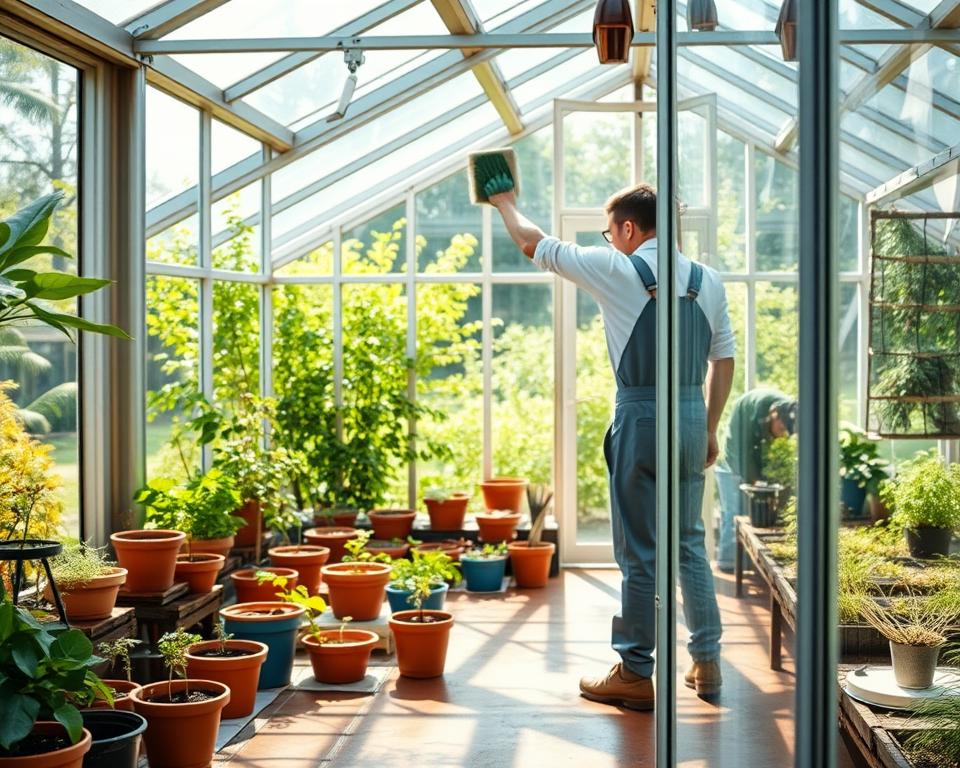
Plan a spring deep clean greenhouse session in late winter or early spring before sowing. Remove pots, spent compost and plant debris, then scrub benches, trays and paths.
Clean glazing inside and out to improve light levels. Sanitise irrigation lines and check heater thermostats. Dispose of diseased material by double-bagging and following local council guidance for waste.
Summer spot cleaning and ventilation checks
Carry out weekly or fortnightly spot cleaning during summer to clear fallen leaves and debris. Empty gutters and drip trays to prevent stagnation and blockages.
Inspect vents, louvre operation and automatic openers. Increase ventilation to reduce humidity and check shade paint or shade cloth for damage.
Autumn clear-out and pest-proofing
After crops finish, perform autumn greenhouse maintenance by removing spent plants and early weeds. Lift and store bench-top equipment in a dry place.
Fit insect mesh to vents, repair door seals and replace worn weatherstripping. Consider solarisation where climate allows or apply a light disinfectant treatment for benches.
Winter maintenance to protect structure and equipment
Focus winter greenhouse care on structural checks. Tighten bolts, replace broken glass or polycarbonate panels and clear guttering of blockages.
Service heaters and drain irrigation to avoid frost damage. Store tools and chemicals in frost-free conditions and keep minimal cleaning to protect overwintering beneficials.
Safe Methods to Remove Algae, Mould and Lichen
Greenhouses in the UK often show different growths that need tailored care. Identifying the culprit guides the best treatment and protects plants and panels.
Identifying common growths
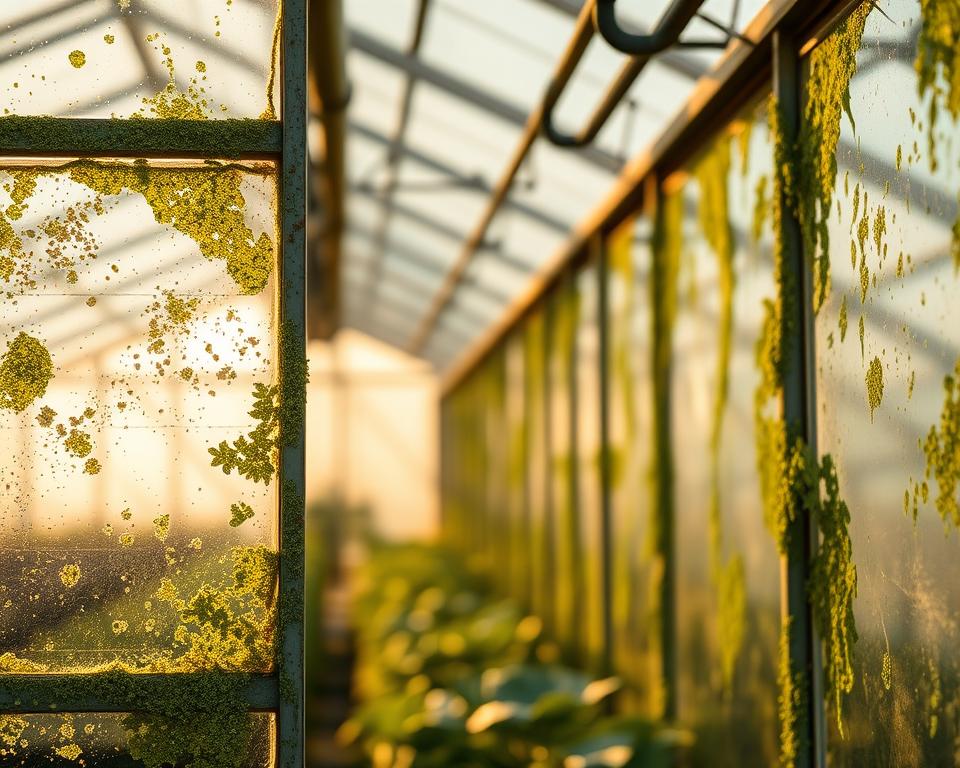
Algae usually appear as green, slippery films on glass, sills and bench tops. This can make surfaces slick and reduce light. Mould in greenhouse settings tends to form fuzzy grey, white or black patches on potting mix, wooden benches and damp corners. Lichen removal is needed when raised, crusty, often pale growths form on older external frames, especially in rural or coastal areas.
Non-toxic options for delicate surfaces
Start with warm soapy water using a biodegradable detergent such as Ecover or Faith in Nature. Use a soft brush and gentle strokes to lift algae and mould without scratching glass or polycarbonate. For small spots, a diluted white vinegar mix (one part vinegar to three parts water) can be effective. Test on an inconspicuous area first, as vinegar can affect some plastics.
Mechanical removal helps where residues cling. A plastic scraper and a soft cloth work well for panels. Rinse thoroughly after cleaning to remove detergent or vinegar traces. Rinsing reduces the chance of harming seedlings and stops residues that feed future growths.
When to use stronger treatments and safe application
Persistent infestations may need stronger measures. For hard surfaces, a diluted bleach solution following COSHH guidance (about one part bleach to nine parts water) will kill many pathogens. Commercial products such as Virkon S are suitable for disease outbreaks. Wear gloves and goggles, ensure good ventilation and avoid spraying directly on plants.
External lichen removal can be tackled with Jeyes Fluid diluted to the label rate. Avoid high-pressure washing on polycarbonate; it can cause crazing and damage. Always follow label instructions, allow the recommended contact time and rinse where required to protect plants and materials.
Quick reference
| Problem | First choice | Stronger option | Safety notes |
|---|---|---|---|
| Algae on glass and benches | Warm soapy water (biodegradable detergent) | Dilute bleach (1:9) for persistent patches | Rinse well; avoid contact with seedlings |
| Mould in greenhouse corners or on compost | Soft brush + diluted vinegar (1:3) for small areas | Virkon S or household bleach for outbreaks | Use gloves, goggles, ventilate area; do not spray plants |
| Lichen on external frames | Manual scraping then wipe with soapy water | Jeyes Fluid diluted as per label | Avoid impact on paint and seals; follow product instructions |
Glass and Polycarbonate Panel Cleaning Techniques
Keeping glazing clear improves light for crops and extends the life of the structure. Below are focused steps for safe, effective cleaning and simple checks to keep seals and frames sound.

Best practises for delicate glass
Begin with a soft-bristled brush to remove loose dirt and cobwebs. Mix warm water with a mild liquid detergent and wash panels with a microfibre cloth or a soft sponge. Use a squeegee for a streak-free finish. For mineral deposits, dab with a mild vinegar solution or a limescale product formulated for glass. Avoid abrasive pads, wire brushes and scouring powders to prevent damage and to prevent panel scratches.
Cleaning polycarbonate: what to avoid
Polycarbonate needs gentler care than glass. Clean with lukewarm water and a soft cloth, using a mild detergent if required. Never use solvents such as acetone, toluene, methylene chloride or petrol-based cleaners. Do not use abrasive pads or hold a high-pressure washer close to the surface. Rinse thoroughly to remove detergent residue and work in cooler light to avoid rapid drying that can leave streaks. These measures help keep clean polycarbonate panels clear and undamaged.
Maintaining seals and frames
Inspect rubber seals, silicone joints and timber or aluminium frames for wear, compression or rot. Replace any degraded seals and re-seal with a suitable silicone or polysulphide sealant for glazing repairs. Lubricate metal hinges and treat corrosion with galvanised paint where needed. Keep gutters and downpipes clear to prevent water pooling, staining and leaks. Regular greenhouse panel maintenance stops small issues from becoming costly problems.
- Use soft tools: brush, microfibre cloth, sponge and squeegee.
- Avoid solvents and abrasives to prevent panel scratches.
- Rinse well and clean both inside and outside for best light transmission.
- Check seals and frames each season as part of greenhouse panel maintenance.
Cleaning Benches, Shelves and Growing Surfaces
Work on benches and shelves begins with clearing the area and removing pots, seed trays and tools. A tidy workspace makes it easier to clear soil debris and spot hidden mould or pests before they spread. Rotate bench coverings where possible so you can launder or replace them between crops.
Disinfecting potting benches between crops
Start by sweeping or vacuuming loose soil from all surfaces and crevices. Wash benches with warm, soapy water to remove organic films. For small benches and tools, use 70% isopropyl alcohol applied with a cloth and allow the required contact time.
For larger surfaces, dilute Milton sterilising fluid as per the label and rinse where food contact is likely. Regularly change and launder horticultural lino or plastic coverings so you always have a clean potting bench ready for seedlings.
Handling accumulated soil and organic debris
Collect clean plant material for composting and keep it separate from any suspect material. Double-bag and dispose of diseased plants via council guidance or incineration where allowed.
Use a stiff brush to reach joints and corners, then hose and dry surfaces thoroughly to discourage fungal regrowth. Keeping drains clear helps prevent stagnant water that can harbour pathogens.
Products safe for food crops and edible plants
Prefer mild, food-safe options for surfaces that touch seedlings and produce. Warm soapy water and a dilute vinegar rinse are effective for routine cleaning when rinsed off afterwards. Low concentrations of hydrogen peroxide can sanitise sparingly.
Milton sterilising fluid is a reputable UK product for pots and trays when used according to instructions. For external, non-food-contact jobs, Jeyes Fluid can be used with caution and proper rinsing. Avoid leaving systemic chemical residues where edible plants are raised; choose safe products for edible plants to protect health and flavour.
| Task | Recommended Product | Best Practice |
|---|---|---|
| Remove loose soil | Garden brush or wet/dry vacuum | Sweep then vacuum crevices; dispose of debris appropriately |
| General wash | Warm soapy water | Wash, rinse, dry thoroughly; suitable for all benches |
| Sanitise small surfaces/tools | 70% isopropyl alcohol | Wipe and allow contact time; use in well-ventilated area |
| Sanitise pots/trays | Milton sterilising fluid (diluted) | Follow label; rinse when necessary for food-contact items |
| External heavy-duty cleaning | Jeyes Fluid (use with care) | Use for non-food-contact areas; rinse and avoid residue |
| Routine prevention | Horticultural lino or removable coverings | Rotate, launder or replace between crops to keep a clean potting bench |
Pest Management During Cleaning Sessions
Keeping pests under control while you clean will protect plants and stop problems returning. Tidy greenhouse hygiene and routine checks reduce the chance of outbreaks and make any treatments more effective. Use the cleaning session as an opportunity to inspect crops closely and act on early signs.
Spotting common greenhouse pests in the UK
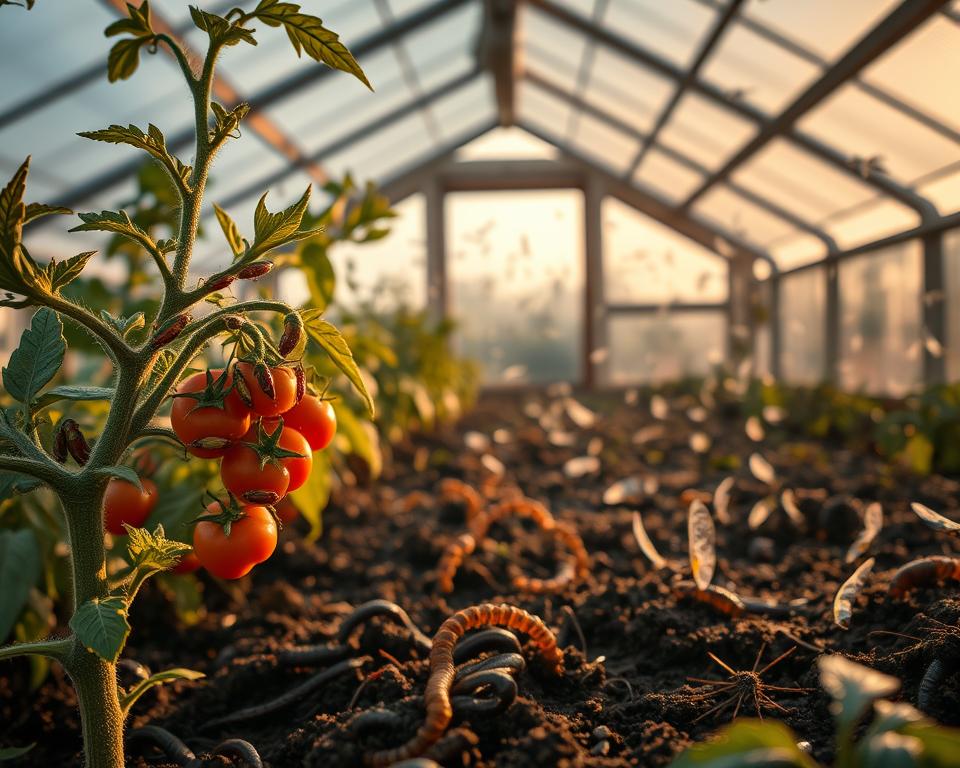
Aphids cluster on new shoots and buds, leaving sticky honeydew. Whitefly sit on the underside of leaves and fly up when disturbed. Red spider mite causes fine webbing and pale stippling on leaves.
Thrips leave silvery streaks and distorted flowers. Vine weevil shows notches on leaf edges while adult beetles feed at night. Slugs and snails leave slime trails and chew holes in tender growth.
Fungal gnats often emerge from reused compost and appear around damp pots. Scale insects form small, immobile bumps on woody stems and can be missed unless you inspect bark and joints.
Integrated pest management steps to take while cleaning
Start with sanitation. Remove crop debris, discarded pots and weeds that shelter pests. Clear up fallen leaves and spent compost to reduce breeding sites.
Use physical controls during cleaning. Fit sticky traps for whitefly and yellow fly, hand-pick slugs and snails, and squash isolated aphid colonies. Record each sighting so you know where problems recur.
Adjust the environment to discourage pests. Improve ventilation, cut humidity and remove alternate host plants. Rotate crops and avoid over-fertilisation that attracts sap feeders.
Safe insecticide and biological controls to consider
Begin with biological controls greenhouse growers can source in the UK. Release Encarsia formosa to tackle whitefly on tomatoes and ornamentals. Use Amblyseius californicus or Phytoseiulus persimilis to control spider mite on warm, dry crops.
Bacillus thuringiensis kurstaki (BTK) works well against caterpillars on brassicas and soft-leaved plants. For vine weevil larvae, apply nematodes such as Steinernema carpocapsae into the compost.
If chemical control is needed, select approved, selective products from reputable suppliers and follow COSHH guidance and label instructions. Integrate biologicals with good sanitation so beneficials remain effective and reinfestation is less likely.
Maintaining Heating, Ventilation and Irrigation Systems
A well-kept greenhouse HVAC, neat vents and clean water lines keep plants healthy and crops productive. Regular checks reduce emergency repairs and cut energy costs. The short steps below make routine maintenance quick and effective for UK gardeners.
Cleaning and inspecting heaters and thermostats
Service portable and fixed heaters at least once a year. Remove dust from housings and fan guards. Check pilot lights on paraffin or propane units and inspect fuel lines for wear.
Test electric elements and replace worn parts before the cold season. Replace batteries in digital thermostats and verify temperature probe placement for accurate readings. Proper greenhouse heating maintenance prevents cold spots and saves fuel.
Clearing vents, fans and louvers for airflow efficiency
Switch off power before cleaning fan blades and vent motors. Wipe away dust and grease that slow airflow. Ensure automatic openers move freely and lubricate hinges and tracks as the manufacturer suggests.
Inspect insect mesh and louvers for blockages. Small tears can let pests in; heavy mesh can restrict air. A clean ventilation greenhouse promotes even temperature and reduces fungal risk.
Flushing and sanitising irrigation lines
Flush irrigation systems at the start and end of each season with fresh water to dislodge sediment. After flushing, sanitise irrigation lines with a compatible disinfectant, such as dilute sodium hypochlorite or a hydrogen peroxide-based product.
For drip systems, remove emitters and check for blockages. Fit fine filters and consider weekly in-season flushing to prevent biofilm. Follow supplier guidance for fertigation equipment to avoid chemical clashes when you sanitise irrigation lines.
| Task | Frequency | Key Action | Benefit |
|---|---|---|---|
| Heater service | Annual | Clean housing, inspect fuel lines, test elements | Reliable temperature, safer operation |
| Thermostat check | Biannual | Replace batteries, verify probe placement | Accurate control, energy saving |
| Fan and vent cleaning | Quarterly | Remove dust, lubricate moving parts | Improved airflow, lower disease risk |
| Louvre and mesh inspection | Quarterly | Clear blockages, repair mesh | Balanced ventilation, pest exclusion |
| Irrigation flush | Start/end season + weekly in season | Flush lines, clean emitters, fit filters | Reduced clogging, consistent water delivery |
| Sanitise irrigation | Start/end season | Use approved disinfectant compatible with system | Removes biofilm, lower pathogen load |
| HVAC visual check | Monthly | Look for leaks, corrosion, unusual noise | Early fault detection, extended equipment life |
Eco-friendly Cleaning Practices for Sustainable Gardening
Keeping a greenhouse clean need not harm the planet. Small changes in products and routines reduce chemical load, save water and protect soil life. The tips below suit UK gardeners aiming for practical, eco-friendly greenhouse cleaning and long-term plant health.
Using biodegradable cleaners and reduce chemical use
Choose plant-friendly brands such as Ecover, Method or Bio-D for routine wash-downs. Mechanical action with a soft brush often removes grime without chemicals. For spot stains, dilute white vinegar or a paste of bicarbonate of soda, rinse well when food crops are present. Reserve stronger disinfectants for clear outbreaks and apply them sparingly to targeted areas.
Water-saving techniques and recycling wash water
Adopt a two-bucket system: one bucket for soapy wash water and a second for rinsing. This simple method cuts freshwater use and limits detergent in drains. Collect greywater in sealed containers for watering ornamentals only, following local rules. Fit low-flow nozzles and use settling tanks or a coarse sieve to catch sediment before reuse in a water recycling greenhouse setup.
Composting responsibly and disposing of diseased material
Healthy prunings and crop residues can go into a well-managed compost heap. Do not compost infected material such as blight-ridden tomatoes or plants with severe root rot. Check local council guidance for allotment rules; options include municipal green waste, incineration where permitted, or sealed-bag removal to landfill. When in doubt, err on the side of caution and do not compost diseased material on-site.
Practical routines make eco-friendly greenhouse cleaning achievable. Use biodegradable cleaners for everyday tasks, conserve and reuse water where safe, and handle waste so that compost diseased plants does not spread infection. These habits protect your crop yield and the wider environment.
Common Mistakes to Avoid When Cleaning a Greenhouse
Keeping a greenhouse clean helps plants thrive and reduces ongoing problems. Simple slip-ups can undo hours of effort. This short guide points out the most frequent pitfalls and how to avoid them so your tools and time deliver lasting benefits.
Overuse of harsh chemicals that harm plants
Spraying bleach or strong solvents everywhere is tempting when you want a quick result. Such products can leave residues on benches, pots and potting mix that burn seedlings or stunt growth. Phytotoxicity can show as wilting, leaf scorch or poor germination. Rinse surfaces thoroughly after any chemical treatment and choose milder, plant-safe disinfectants when possible.
Cleaning at the wrong time of day or stage of growth
Working during the hottest part of the day makes cleaners dry too fast, leaving spots on glass or polycarbonate. Dusty tasks or sprays during pollination can disrupt pollinators and reduce fruit set. Avoid aggressive cleaning when delicate seedlings or flowering crops are present. Plan deep cleans in the off-season or temporarily relocate vulnerable plants to prevent stress.
Neglecting structural repairs that lead to future contamination
Small faults such as broken seals, gaps in frames or damaged vents let pests, spores and water in. Ignoring these defects makes even the best cleaning short-lived. Regularly inspect glazing seals, hinges and vents. Schedule prompt greenhouse repairs and include a structural check in your seasonal routine to keep contamination risks low.
To avoid mistakes greenhouse owners should use a checklist: select gentle cleaners, time tasks to suit plants and fix faults quickly. This approach reduces repeat work and keeps crops healthier over the season.
Conclusion
Regular cleaning the greenhouse is a straightforward way to protect plant health, improve light transmission and boost energy efficiency. Good greenhouse hygiene UK routines cut pest and disease pressure and make daily growing tasks easier. Follow a seasonal plan to keep work manageable: spring deep clean, summer spot checks, autumn clear-out and winter inspections.
Assemble a compact cleaning kit with brushes, soft cloths, approved disinfectants, and PPE. Use non-toxic methods first and reserve stronger treatments for persistent problems. Maintain heaters, vents and irrigation lines as part of routine greenhouse maintenance summary to prevent system failures and contamination.
Follow product labels, COSHH guidance and local waste rules when disposing of diseased material. If in doubt about a persistent outbreak, consult RHS guidance or your local horticultural advisory service. Identify local suppliers such as NHBS, Green Gardener suppliers and seed and biological-control vendors like Thompson & Morgan for approved products.
Consistent, thoughtful care will prolong the life of the structure, improve crop yields and make gardening more rewarding for UK growers. Use this greenhouse maintenance summary to build a simple calendar and start cleaning the greenhouse with confidence and safety in mind.
FAQ
What does “cleaning the greenhouse” involve for UK gardeners?
Cleaning the greenhouse covers washing glazing (glass or polycarbonate), clearing benches, floors and growing surfaces, sanitising irrigation, heating and ventilation systems, and removing plant debris that harbours pests and pathogens. It also includes seasonal checks and eco-friendly disposal of diseased material. The aim is to improve light transmission, reduce disease inoculum and keep equipment functioning efficiently in British climatic conditions.
Why is regular greenhouse cleaning important for plant health?
Organic debris, algae and old potting mix can harbour pathogens such as Botrytis cinerea, Phytophthora infestans and root‑rot fungi. Removing residues and disinfecting surfaces lowers inoculum levels, reduces cross‑contamination between crops and breaks pest life‑cycles. Regular cleaning also makes early infestations easier to spot and treat.
How does cleanliness affect light transmission and energy use?
Grime and algae on glazing can reduce light by 20–30% in severe cases, lowering photosynthesis and yields. Clean glazing increases passive solar gain, reducing heating demand in colder months. Glass and multiwall polycarbonate behave differently: polycarbonate diffuses light and may require gentler, more frequent cleaning to avoid damage.
What essential tools should I have before a deep clean?
Useful items include soft‑bristled brushes, squeegees, extension poles, non‑abrasive microfibre cloths, plastic scrapers, a shop vacuum or leaf blower for dry debris, buckets, hose with adjustable nozzle, low‑pressure pressure washer (used cautiously on polycarbonate), wheelbarrow, stiff broom and a garden fork.
Which cleaning solutions and disinfectants are suitable in the UK?
For routine cleaning use warm soapy water with biodegradable detergents (for example Ecover). For sanitising, commonly used UK options include Milton sterilising fluid per label instructions, diluted household bleach for hard surfaces (follow COSHH guidance), and Virkon S for serious biosecurity needs. Jeyes Fluid is sometimes used externally for stubborn stains. Always follow manufacturer instructions and safety guidance.
What personal protective equipment (PPE) should I use?
Wear nitrile or chemical‑resistant gloves, safety goggles, and a dust mask or respirator when disturbing mouldy material or using strong disinfectants. Use waterproof footwear and overalls, ensure good ventilation when using chemicals, and store hazardous products safely away from children and pets.
When is the best time for a deep clean and what should be included?
Perform a deep clean in late winter or early spring before sowing: remove all pots and compost, scrub benches and trays, clean glazing inside and out, sanitise irrigation, and check heaters and thermostats. Dispose of diseased material in accordance with local council guidance—double‑bagging or incineration where permitted.
What routine tasks are needed in summer, autumn and winter?
In summer, carry out weekly or fortnightly spot cleaning, clear gutters and drip trays, and check ventilation. In autumn, clear spent crops, pest‑proof vents with mesh, repair seals and consider light disinfectant treatments. In winter, inspect structure and guttering, service heaters, protect irrigation from frost and keep maintenance minimal to avoid disturbing beneficials.
How do I remove algae, mould and lichen safely?
Start with warm soapy water and a soft brush for algae and mould. For delicate polycarbonate, use a plastic scraper and gentle cloths. Dilute white vinegar can help small areas (test first). For persistent outbreaks, use diluted household bleach or Virkon S with full PPE and good ventilation. Treat external lichen carefully with appropriate products like Jeyes Fluid per label and avoid high‑pressure washing on polycarbonate.
What should I avoid when cleaning polycarbonate panels?
Avoid solvents (acetone, toluene, methylene chloride), abrasive pads and wire brushes. Do not use high‑pressure washers close to the surface as they can craze panels. Clean with mild detergent, lukewarm water and soft cloths, and avoid working in direct midday sun to prevent rapid drying and streaking.
How do I maintain seals and frames to prevent leaks?
Inspect rubber seals and silicone joints regularly for wear, replace degraded seals and re‑seal glazing with suitable silicone or polysulphide sealant. Lubricate hinges, treat corroded metal with appropriate paints, and keep gutters clear to prevent water ingress and staining.
How should I disinfect benches, shelves and potting areas between crops?
Remove pots and sweep loose soil, then wash surfaces with warm soapy water. Follow with a disinfectant: 70% isopropyl alcohol for small benches or Milton diluted for larger areas, observing recommended contact times. Use removable bench coverings or horticultural lino that can be sanitised or replaced.
What is the correct way to deal with accumulated soil and diseased material?
Compost clean, disease‑free material. Diseased plants (eg tomato blight or root‑rot affected material) should not go on the compost heap—double‑bag and dispose via municipal green waste if accepted, sealed removal to landfill, or incineration where allowed. Check local council rules and allotment regulations before disposal.
Which pest signs should I look for during cleaning sessions?
Look for aphids on new growth, whitefly under leaves, red spider mite webbing and stippling, thrips silvering, vine weevil notches and adult beetles, slugs and snails with slime trails, and fungal gnat adults near compost. Regular inspection during cleaning helps catch problems early.
What integrated pest management (IPM) steps can I take while cleaning?
Use sanitation to remove breeding sites, deploy physical controls such as sticky traps and slug baiting, improve ventilation to lower humidity, practise crop rotation and avoid over‑feeding. Record pest sightings and act at agreed thresholds to reduce chemical reliance.
What biological controls are available in the UK for greenhouse pests?
Biologicals include Encarsia formosa for whitefly, Amblyseius californicus or Phytoseiulus persimilis for spider mites, Bacillus thuringiensis kurstaki (BTK) for caterpillars and beneficial nematodes like Steinernema spp. for vine weevil larvae. Integrate these with good sanitation for best results.
How should I service and clean heaters, vents and irrigation systems?
Service heaters annually, clean dust from housings, check fuel lines and thermostat calibration. Clean fans and vents, lubricate moving parts and ensure insect mesh is intact. Flush irrigation systems seasonally, remove emitters to check for blockages, fit filters and sanitise lines with a compatible disinfectant following supplier guidance.
How can I make greenhouse cleaning more eco‑friendly?
Use biodegradable detergents and targeted mechanical cleaning. Employ two‑bucket wash systems, capture and reuse greywater where permitted, and settle solids before reuse. Compost healthy plant waste and dispose responsibly of diseased material in line with local guidance.
What common cleaning mistakes should I avoid?
Avoid overusing harsh chemicals that leave phytotoxic residues, cleaning at the wrong time of day or during sensitive growth stages, and neglecting small structural repairs which allow pests and spores to re‑enter. Always rinse surfaces after chemical use and follow COSHH and label instructions.
Which products are safe for use around edible crops?
Safe options for food‑crop areas include warm soapy water, dilute white vinegar rinsed off thoroughly, low‑concentration hydrogen peroxide and Milton sterilising fluid used to label directions for pots and trays. Avoid leaving systemic chemical residues on bench surfaces where seedlings are raised.
Where can I find further help if I suspect a serious disease outbreak?
Consult reputable sources such as the Royal Horticultural Society (RHS), local county horticultural advisory services or professional plant health services. For serious outbreaks, consider contacting suppliers of Virkon S or local plant health clinics for guidance on containment and treatment.