
Gravel Bed Ideas: Inspiration for Designing Your Garden

Transforming your outdoor space into a beautiful and functional area can be a daunting task. However, incorporating gravel garden design can be a simple yet effective way to enhance your garden inspiration.
Using gravel in your landscape design can provide numerous benefits, including improved drainage and a unique aesthetic appeal. With the right landscape design, you can create a stunning and low-maintenance garden that suits your needs.
Inhaltsverzeichnis
Key Takeaways
- Enhance your garden with a unique gravel design
- Improve drainage and reduce maintenance
- Create a beautiful and functional outdoor space
- Explore various landscape design options
- Discover the benefits of using gravel in your garden
The Appeal of Gravel Gardens in British Landscapes
British gardens have long embraced gravel as a design element, evolving from traditional to modern landscapes. The use of gravel in UK gardens has a rich history, dating back to grand estates and royal gardens. Today, gravel continues to be a popular choice for gardeners due to its versatility and aesthetic appeal.
Historical Context of Gravel in UK Gardens
The historical significance of gravel in British gardens cannot be overstated. Gravel has been used for centuries, initially in grand estates and royal gardens, where it was valued for its decorative and functional qualities.
From Royal Gardens to Modern Landscapes
Gravel’s journey from royal gardens to modern landscapes is a testament to its enduring appeal. Initially used in grand designs, gravel is now incorporated into gardens of all sizes, from small urban plots to large countryside estates.
Regional Variations Across Britain
Regional variations in gravel use can be observed across Britain, influenced by local materials and climatic conditions. For instance, flint gravel is commonly used in southern England, while granite chippings are more prevalent in areas with harder landscaping needs.
Modern Resurgence of Gravel as a Design Element
In recent years, there has been a resurgence of interest in gravel as a design element in British gardens. This revival can be attributed to several factors, including the growing trend towards climate-adaptive gardening.
Climate-Adaptive Gardening Trends
Climate-adaptive gardening has become increasingly popular, with gravel playing a key role in this trend. Gravel gardens are drought-tolerant and require less maintenance, making them an attractive option for gardeners looking to reduce their water usage.
Influence of Garden Shows and Media
Garden shows and media coverage have also contributed to the renewed interest in gravel gardens. Television programs and social media platforms showcase innovative gravel garden designs, inspiring gardeners to adopt similar approaches in their own gardens.
Benefits of Choosing Gravel for Your Garden Design
Incorporating gravel into your garden design can bring numerous benefits, from low maintenance to environmental advantages. Gravel gardens have become a popular choice among UK homeowners due to their versatility and practicality.
Low Maintenance Advantages
Gravel gardens are known for their low maintenance requirements. Unlike traditional gardens, gravel beds do not need regular mowing, watering, or weeding. This makes them an ideal choice for busy homeowners or those who prefer a more relaxed gardening experience. Key benefits include reduced lawn mowing and less frequent watering.
Cost-Effectiveness Compared to Other Materials
Gravel is a cost-effective alternative to other landscaping materials. The initial installation cost is relatively low, and maintenance costs are minimal over time. A well-designed gravel garden can last for years with little to no additional expense.
Environmental Benefits and Drainage Solutions
Gravel gardens offer several environmental benefits, including improved drainage and water conservation. The permeable nature of gravel allows rainwater to percolate through, reducing runoff and the risk of flooding.
Water Conservation Properties
Gravel helps to conserve water by allowing it to infiltrate the ground rather than running off into storm drains. This not only reduces water waste but also helps to recharge groundwater supplies.
Sustainable Gardening Practices
Using gravel in your garden promotes sustainable gardening practices. It reduces the need for chemical herbicides and pesticides, creating a healthier environment for plants and wildlife.
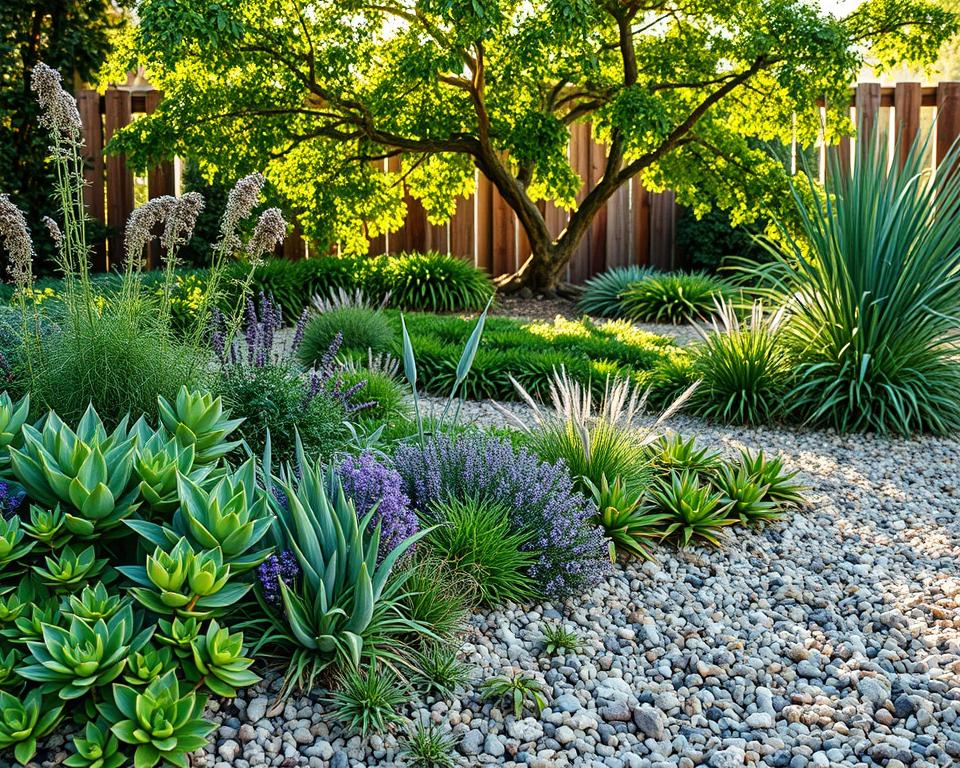
By choosing gravel for your garden design, you can enjoy a beautiful, low-maintenance, and environmentally friendly outdoor space.
Types of Gravel and Aggregates for Garden Beds
The diverse range of gravel and aggregates on offer can make selecting the right material for your garden bed a daunting task. With numerous options available, it’s essential to understand the characteristics and applications of different types to make an informed decision.
Pea Gravel Options and Applications
Pea gravel, known for its smooth, rounded stones, is a popular choice for garden paths and beds. Its compact size, typically between 3-6 mm, makes it ideal for creating a uniform, visually appealing surface. You can use pea gravel to create a tranquil, low-maintenance area that complements your garden’s natural beauty.
Decorative Aggregates and Coloured Stones
Decorative aggregates and coloured stones offer a wide range of aesthetic possibilities for your garden. From vibrant hues to subtle tones, these materials can add depth and visual interest to your garden beds.
Regional British Stone Options
Regional British stone options, such as Cotswold or Yorkshire stone, can provide a locally-sourced, authentic look that blends seamlessly with the surrounding landscape.
Imported Decorative Varieties
Imported decorative varieties, like marble or granite chippings, offer a broader palette of colours and textures, allowing you to create a unique, personalized garden design.
Slate and Limestone Chippings
Slate and limestone chippings are other popular choices for garden beds, offering distinct textures and colours. Slate chippings provide a dark, dramatic appearance, while limestone chippings offer a lighter, more rustic look.
Choosing the Right Size and Texture
When selecting gravel or aggregates, the size and texture are crucial factors to consider. The choice will depend on the intended use, foot traffic, and desired aesthetic.
Practical Considerations for Foot Traffic
For areas with heavy foot traffic, larger, more angular gravel can provide better stability and drainage.
Aesthetic Impact of Different Sizes
Smaller gravel sizes can create a more uniform appearance, while larger sizes can add visual interest and texture to your garden bed.

Planning Your Gravel Garden: Design Considerations
To create a beautiful and functional gravel garden, you need to assess your garden’s conditions. This involves understanding the unique characteristics of your outdoor space to make informed design decisions.
Assessing Your Space and Conditions
Before you start designing your gravel garden, it’s crucial to evaluate the conditions of your garden. This assessment will help you choose the right plants, gravel, and design elements.
Sun Exposure and Microclimate Analysis
Understanding the sun exposure in your garden is vital. Observe how much sunlight your garden receives throughout the day to choose plants that thrive in those conditions. Additionally, consider the microclimate, including factors like wind direction and temperature fluctuations.
Soil Type and Drainage Assessment
Assess the soil type in your garden to determine its drainage capabilities. Gravel gardens often require well-draining soil to prevent waterlogged conditions. You may need to amend your soil or install drainage solutions to ensure the health of your plants.
Creating Focal Points and Visual Interest
To add visual interest to your gravel garden, create focal points using decorative elements like large stones, sculptures, or statement plants. These features draw the eye and create a sense of depth and complexity in your garden.

Incorporating Existing Garden Features
Incorporate existing garden features, such as mature trees or garden structures, into your gravel garden design. This not only reduces waste but also adds character and history to your garden. By blending old and new elements, you can create a unique and captivating outdoor space.
Mediterranean-Inspired Gravel Bed Ideas
Mediterranean-inspired gravel beds can bring a touch of warmth and elegance to your British garden. By incorporating drought-resistant plants, terracotta accents, and carefully selected gravel, you can create a beautiful and low-maintenance outdoor space.
Plant Selection for Mediterranean Gravel Gardens
Choosing the right plants is crucial for a Mediterranean-style gravel garden. You should focus on plants that are adapted to dry conditions and can thrive in well-drained gravel.
Drought-Resistant Mediterranean Herbs
Herbs such as rosemary, thyme, and oregano are perfect for Mediterranean gravel gardens. They are not only drought-resistant but also fragrant and useful in cooking.
Ornamental Grasses and Structural Plants
Ornamental grasses like Stipa and structural plants such as Phlomis add texture and interest to your gravel garden. They are also well-suited to the dry conditions of a Mediterranean-style garden.
Structural Elements and Decorative Features
In addition to plant selection, structural elements play a significant role in creating a Mediterranean atmosphere in your garden.
Terracotta and Stone Accents
Terracotta pots and stone accents can add warmth and character to your gravel garden. Consider using terracotta pots for your herbs and other plants, and incorporate stone features such as a small fountain or statue.
Creating Mediterranean Atmosphere in British Climate
To create a Mediterranean atmosphere in your British garden, focus on combining drought-resistant plants with terracotta and stone accents. This will help evoke the warm, sunny feeling of a Mediterranean garden, even in the cooler British climate.
| Plant | Characteristics | Benefits |
|---|---|---|
| Rosemary | Drought-resistant, fragrant | Culinary use, attractive foliage |
| Stipa | Ornamental grass, movement in wind | Adds texture and visual interest |
| Phlomis | Structural plant, yellow flowers | Provides height and architectural interest |
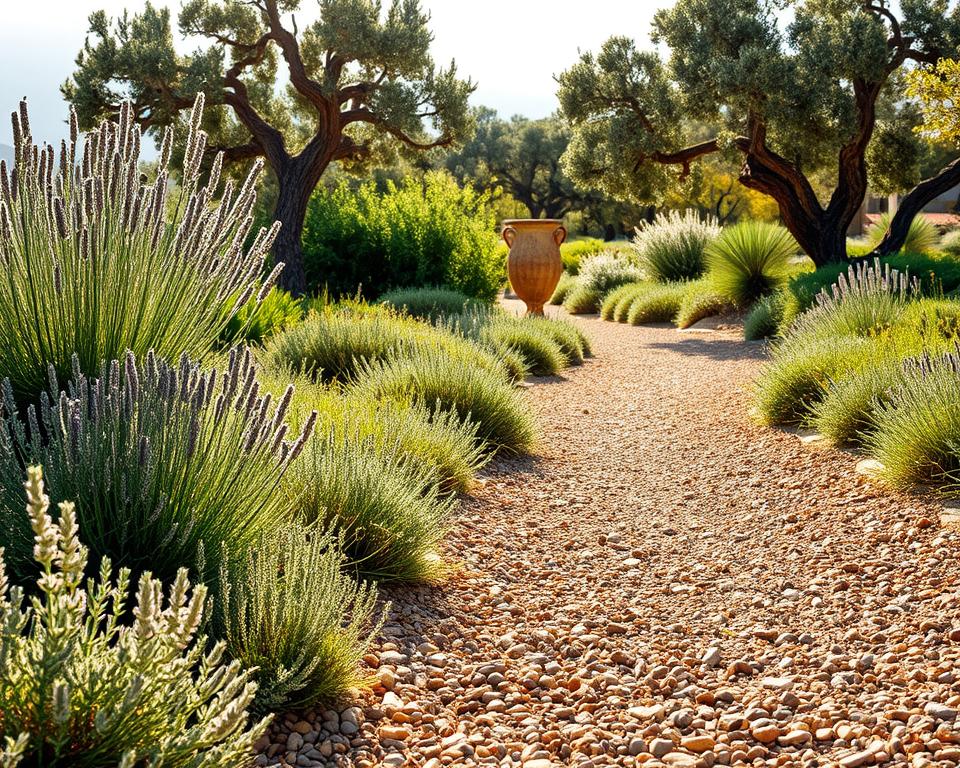
“A well-designed Mediterranean gravel garden can be a haven of peace and tranquility, even in the heart of a busy city.”
Japanese and Zen Garden Gravel Designs
The art of Japanese and Zen garden gravel designs lies in its simplicity and the balance it brings to outdoor spaces. These gardens are renowned for their serene ambiance and meticulous attention to detail, creating an environment that fosters mindfulness and tranquility.
Creating Patterns and Symbolism with Gravel
Gravel is a fundamental element in Japanese and Zen gardens, used to create intricate patterns that symbolize various aspects of nature and life. The act of raking gravel into these patterns is meditative, promoting a sense of calm. You can create simple, geometric patterns or more complex designs that evoke the flow of water or the passage of time.

Plant Choices for Japanese-Style Gravel Gardens
When selecting plants for a Japanese-style gravel garden, you should choose species that complement the serene and natural ambiance. Plants such as Moss, Bamboo, and Japanese Maple are popular choices due to their aesthetic appeal and symbolic meanings. These plants are typically low-maintenance and can thrive in conditions that mimic their natural habitats.
Incorporating Stone Features and Water Elements
Stone features and water elements are integral to Japanese and Zen garden designs, adding depth and visual interest. Stones can be used to create focal points or pathways, while water features, such as small ponds or fountains, introduce the soothing sound of water. When incorporating these elements, consider the balance and harmony they bring to the overall design.
Traditional Elements Adapted for British Gardens
While traditional Japanese and Zen gardens have distinct characteristics, you can adapt these elements to suit British gardens. For instance, using local stone and plants that are native to the UK can create a unique blend of styles. This adaptation not only respects the original design principles but also ensures the garden thrives in its new environment.
Maintenance of Zen Garden Patterns
Maintaining the patterns and overall appearance of a Zen garden requires regular attention. Raking the gravel regularly is essential to preserve the intricate designs. Additionally, ensuring that plants are pruned and healthy will maintain the garden’s serene ambiance. Seasonal adjustments may also be necessary to accommodate changing weather conditions.
| Design Element | Purpose | Maintenance Tip |
|---|---|---|
| Gravel Patterns | Create serene ambiance and symbolism | Regular raking to maintain patterns |
| Plant Selection | Complement natural ambiance | Prune regularly and ensure healthy growth |
| Stone Features | Add depth and visual interest | Clean periodically to prevent moss growth |
Contemporary Minimalist Gravel Bed Concepts
Embracing the principles of minimalist design, contemporary gravel bed concepts offer a sleek and modern approach to garden landscaping. By focusing on clean lines, simple shapes, and a limited colour palette, you can create a serene and uncluttered outdoor space that exudes elegance and sophistication.
Clean Lines and Geometric Designs
Minimalist gravel gardens often feature geometric patterns and clean lines, which can be achieved through the careful placement of gravel, stones, and other design elements. This style is particularly well-suited to urban gardens, where space is limited and a sense of calm is desired.
Urban Garden Applications
In urban settings, minimalist gravel beds can help to create a sense of tranquility amidst the hustle and bustle of city life. By incorporating simple, geometric designs and a limited colour palette, you can create a visually appealing and low-maintenance outdoor space.
Balancing Minimalism with Visual Interest
While minimalist design is characterized by simplicity, it’s essential to balance this with visual interest to prevent the space from feeling dull or uninviting. You can achieve this by incorporating subtle texture variations, carefully selected plant species, and thoughtful lighting design.
Modern Materials and Complementary Features
In contemporary minimalist gravel gardens, modern materials such as concrete, metal, and glass are often used to complement the natural beauty of the gravel. These materials can be used to create striking visual contrasts and add depth to the design.
Combining Gravel with Concrete and Metal
The combination of gravel with materials like concrete and metal can create a striking visual contrast, adding depth and interest to your garden design. For example, a concrete pathway or metal edging can help to define different areas within the garden.
Lighting Design for Contemporary Gravel Gardens
Thoughtful lighting design can enhance the visual appeal of your minimalist gravel garden, particularly in the evening. Solar-powered lights or subtle uplighting can be used to highlight key design features and create a warm, inviting ambiance.

Cottage Garden Approaches with Gravel Elements
Gravel elements can enhance the natural, relaxed atmosphere of a cottage garden. By incorporating gravel thoughtfully, you can create a charming and inviting outdoor space that feels both welcoming and picturesque.
Softening Gravel with Abundant Planting
Abundant planting is key to softening the appearance of gravel in a cottage garden. This approach helps to create a lush, vibrant atmosphere that draws the eye and invites exploration.
Self-Seeding Plants for Natural Look
Self-seeding plants are ideal for achieving a natural look in your cottage garden. Plants like Digitalis purpurea (Foxglove) and Calendula officinalis (Pot Marigold) can add charm and character, making your garden feel more relaxed and less formal.
Seasonal Interest Throughout the Year
Incorporating plants that provide seasonal interest ensures your cottage garden remains vibrant throughout the year. Consider plants like Spring-flowering bulbs for early color and Chrysanthemums for autumn interest, creating a dynamic display that changes with the seasons.
Creating Informal Pathways and Borders
Informal pathways and borders are characteristic of cottage gardens. Using gravel, you can create meandering paths that invite exploration and lead visitors through your garden, discovering hidden corners and secret spots.
Edging Materials for Cottage Gardens
The right edging materials can enhance the informal feel of your cottage garden. Consider using natural materials like brick or stone for a rustic look that complements the gravel and plants.
Combining Gravel with Traditional Paving
Combining gravel with traditional paving can add visual interest to your pathways. This mix of materials creates a dynamic and engaging garden design, where gravel paths wind between areas paved with stone or brick, adding texture and variety.
| Edging Material | Cost | Durability | Aesthetic Appeal |
|---|---|---|---|
| Brick | Moderate | High | Classic, rustic |
| Stone | High | Very High | Natural, elegant |
| Wood | Low to Moderate | Moderate | Warm, organic |

Gravel Bed Ideas: Inspiration for Designing Your Garden
If you’re looking to revamp your garden, consider the beauty and functionality of gravel beds. Gravel gardens have gained popularity for their low maintenance and aesthetic appeal, making them an attractive option for homeowners.
Showcase of Award-Winning Gravel Garden Designs
Award-winning gravel garden designs often feature a blend of creativity and practicality. These designs showcase how gravel can be used to create visually stunning and functional outdoor spaces.
Chelsea Flower Show Highlights
The Chelsea Flower Show has featured numerous award-winning gravel garden designs over the years. These designs often incorporate innovative uses of gravel, combined with carefully selected plants and structural elements.
Notable British Gravel Gardens to Visit
For inspiration, visit notable British gravel gardens such as those found in the RHS Garden Wisley or the Sir Harold Hillier Gardens. These gardens demonstrate the versatility and beauty of gravel in garden design.
Adaptable Ideas for Different Garden Sizes
Gravel gardens can be adapted to suit various garden sizes, from small urban spaces to large estates. The key is to choose the right type of gravel and plants that complement the size and style of your garden.
Small Space Solutions
For small gardens, consider using compact gravel designs that incorporate vertical elements or raised beds. This approach can help maximize space while maintaining a visually appealing garden.
Large-Scale Gravel Landscapes
Large gardens offer the opportunity to create expansive gravel landscapes. You can incorporate a variety of plants, pathways, and structural elements to create a dynamic and engaging outdoor space.
| Garden Size | Gravel Type | Plant Selection |
|---|---|---|
| Small | Pea Gravel | Succulents and Alpine Plants |
| Medium | Decorative Aggregates | Mediterranean Herbs and Grasses |
| Large | Slate Chippings | Drought-Tolerant Perennials |

Plants That Thrive in Gravel Bed Environments
When designing a gravel garden, selecting the right plants is crucial for a thriving ecosystem. Gravel beds can be challenging environments for plants due to their dry conditions and poor soil quality. However, with the right choices, you can create a beautiful and low-maintenance garden.
Drought-Tolerant Perennials and Grasses
Drought-tolerant perennials and grasses are ideal for gravel gardens. They are adapted to survive with minimal watering, making them perfect for dry conditions.
Native British Species for Gravel Gardens
Native British species such as Stachys lanata and Phlomis fruticosa are excellent choices. They are naturally adapted to the local climate and soil conditions.
Ornamental Grasses for Structure and Movement
Ornamental grasses like Stipa tenuissima and Pennisetum alopecuroides add structure and movement to your gravel garden, creating a dynamic landscape.
Mediterranean Herbs and Aromatic Plants
Mediterranean herbs and aromatic plants thrive in gravel gardens. They love the dry conditions and can tolerate poor soil.
Plants like Rosmarinus officinalis and Thymus serpyllum are not only fragrant but also attract pollinators, enhancing the biodiversity of your garden.
Succulents and Alpine Species
Succulents and alpine species are well-suited to gravel gardens due to their ability to store water and thrive in poor soil.
Winter-Hardy Varieties for British Climate
For the British climate, choose winter-hardy succulents like Sempervivum species. They can withstand frost and continue to thrive.
Creating Microhabitats for Specialist Plants
Creating microhabitats within your gravel garden can support a wider range of plants. Use rocks and gravel to create sheltered areas for specialist plants.
| Plant Type | Characteristics | Examples |
|---|---|---|
| Drought-Tolerant Perennials | Survive with minimal watering | Stachys lanata, Phlomis fruticosa |
| Ornamental Grasses | Add structure and movement | Stipa tenuissima, Pennisetum alopecuroides |
| Mediterranean Herbs | Fragrant and attract pollinators | Rosmarinus officinalis, Thymus serpyllum |
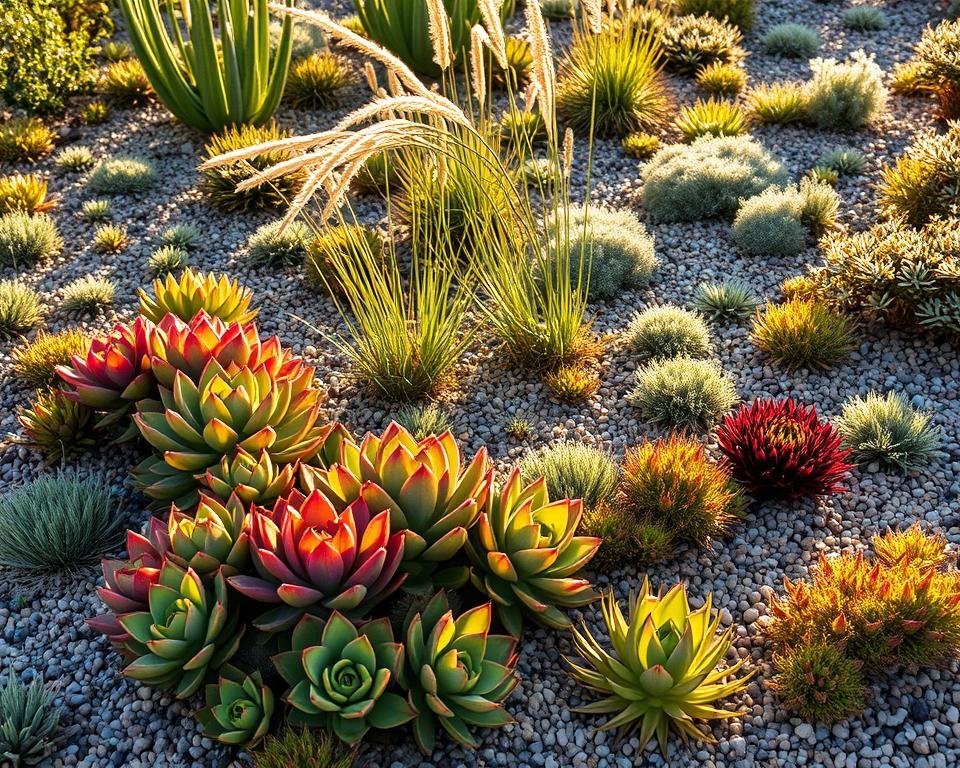
By choosing the right plants and creating microhabitats, you can enjoy a thriving and beautiful gravel garden.
Creating Pathways and Transitions with Gravel
Gravel offers a versatile and practical solution for designing garden pathways. By incorporating gravel into your garden design, you can create visually appealing and functional pathways that enhance the overall aesthetic of your outdoor space.

Designing Functional Garden Pathways
When designing garden pathways with gravel, it’s essential to consider both form and function. A well-designed pathway not only guides visitors through your garden but also adds to its visual appeal.
Accessibility Considerations
Ensure that your gravel pathways are accessible to all users by providing a stable and even surface. This can be achieved by using a suitable depth of gravel and edging materials to contain it.
Traffic Flow and Garden Navigation
Carefully plan the route of your pathways to guide visitors through the garden naturally. Consider the flow of traffic and how you want people to experience your garden.
Edging Options and Containment Solutions
Effective edging is crucial for maintaining the integrity of your gravel pathways. Various edging materials, such as brick, stone, or metal, can be used to contain the gravel and add a decorative element to your garden.
Combining Gravel with Stepping Stones and Pavers
Combining gravel with stepping stones or pavers can add visual interest and variety to your pathways. This approach also helps to create a more dynamic and engaging garden environment.
Traditional British Paving Materials
Traditional materials like York stone or Cotswold stone can complement gravel pathways beautifully, adding a touch of classic elegance to your garden design.
Contemporary Combinations
For a more modern look, consider combining gravel with contemporary materials like concrete pavers or glass slabs. This can create a striking contrast and add a unique element to your garden.
Maintenance Tips for Long-Lasting Gravel Gardens
To keep your gravel garden looking its best, regular maintenance is essential. A well-maintained gravel garden not only enhances the beauty of your outdoor space but also ensures the longevity of the garden.
Seasonal Care Requirements
Different seasons bring different challenges for your gravel garden. Understanding these seasonal needs is crucial for effective maintenance.
Spring and Summer Maintenance
During spring and summer, it’s essential to keep your gravel garden free of weeds and debris. Regularly rake the gravel to maintain its appearance and prevent compaction.
Autumn and Winter Care
In autumn, clear fallen leaves to prevent them from mixing with the gravel. In winter, avoid using salt or other de-icing products directly on the gravel, as they can damage the plants and alter the gravel’s colour.
Weed Management Strategies
Weeds can be a significant issue in gravel gardens. Effective weed management is crucial to maintaining the garden’s appearance.
Preventative Measures
Using a weed membrane under the gravel can significantly reduce weed growth. Regular inspections and removing weeds as soon as they appear is also effective.
Eco-Friendly Weed Control
For an eco-friendly approach, consider using boiling water or a flame gun to kill weeds without using chemicals.
Refreshing and Replenishing Gravel Beds
Over time, gravel can become discoloured or compacted. Refreshing the gravel by raking it or replenishing it when necessary can keep your garden looking its best.
| Maintenance Task | Frequency | Benefits |
|---|---|---|
| Raking Gravel | Monthly | Prevents compaction, maintains appearance |
| Weed Removal | As needed | Prevents weed growth, maintains garden health |
| Gravel Replenishment | Every 2-5 years | Maintains colour and texture, prevents compaction |

Solving Common Problems in Gravel Garden Design
Creating a stunning gravel garden involves not just selecting the right plants and gravel, but also overcoming potential pitfalls. Gravel gardens, while offering numerous benefits, can be susceptible to certain issues that, if not properly managed, can detract from their appearance and functionality.
Preventing Gravel Migration and Spread
One common problem in gravel gardens is the migration and spread of gravel beyond the designated area. To prevent this, you can use edging materials such as metal, plastic, or stone to contain the gravel. Regularly inspecting and maintaining these edgings is crucial to ensure they remain effective.
Managing Drainage Issues
Drainage is a critical aspect of gravel garden maintenance. Poor drainage can lead to waterlogging, which can be detrimental to plants and the overall structure of the garden.
Solutions for Clay Soils
For gardens with clay soils, incorporating organic matter and grit can improve drainage. Installing a French drain can also be an effective solution.
Handling Excessive Rainfall in British Climate
In areas prone to heavy rainfall, ensuring that the gravel garden is designed with adequate slope and drainage channels can help mitigate waterlogging.
Dealing with Compaction and Discolouration
Compaction and discolouration are other issues that can affect gravel gardens. Regularly raking the gravel can help prevent compaction, while using a weed membrane can reduce the risk of discolouration caused by weed growth.
Algae and Moss Management
Algae and moss can form on gravel, especially in shaded or damp areas. Regularly cleaning the gravel and improving air circulation can help manage these issues.
Restoring Aged Gravel Gardens
Over time, gravel gardens can become aged and worn. Restoring them involves replenishing the gravel, weeding, and possibly re-designing certain elements to refresh the garden’s appearance.
| Common Problem | Solution |
|---|---|
| Gravel Migration | Use edging materials like metal or stone |
| Drainage Issues on Clay Soils | Incorporate organic matter and grit, install French drain |
| Compaction | Regularly rake the gravel |
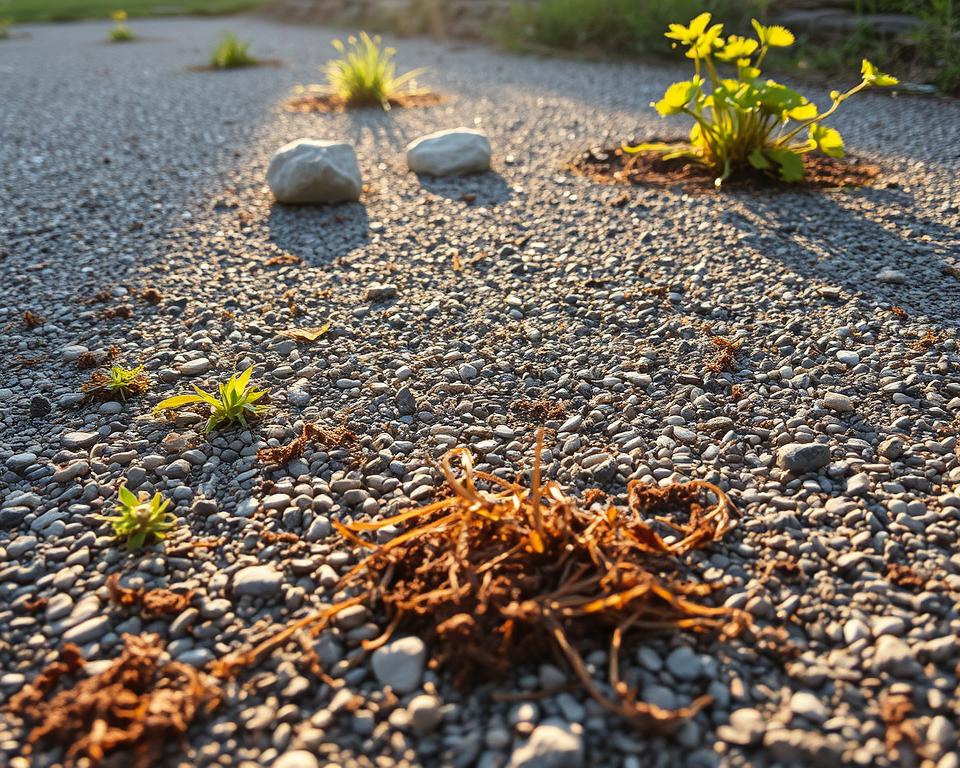
Budget-Friendly Gravel Garden Transformations
You can achieve a beautiful gravel garden on a budget with a few simple steps. Gravel gardens are not only aesthetically pleasing, but they also offer a low-maintenance and cost-effective solution for homeowners looking to enhance their outdoor spaces.
DIY Gravel Bed Installation Tips
Installing a gravel bed can be a straightforward DIY project if you have the right tools and follow the correct steps.
Tools and Materials Checklist
- Gravel or aggregate of your choice
- Weed barrier fabric
- Edging materials (e.g., plastic, metal, or stone)
- Rake and shovel
- Wheelbarrow or bucket
Step-by-Step Installation Process
- Clear the area of any debris and weeds.
- Lay down the weed barrier fabric.
- Spread the gravel evenly using a rake.
- Install edging to contain the gravel.
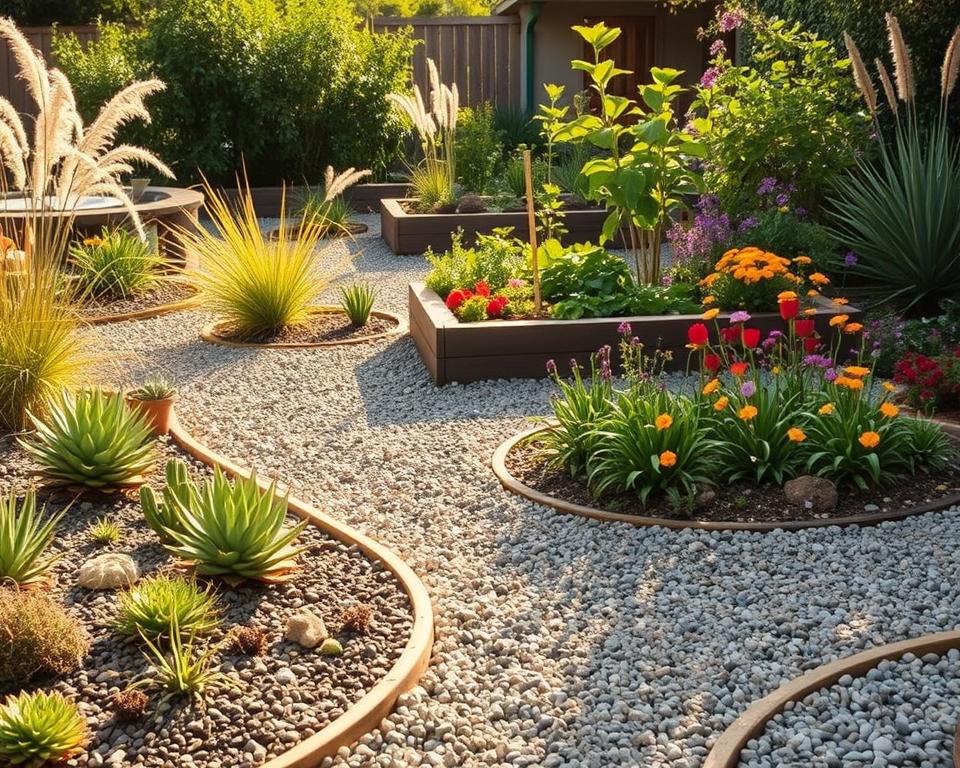
Upcycling and Repurposing in Gravel Gardens
Upcycling and repurposing can add a unique touch to your gravel garden while staying within your budget.
Creative Container Ideas
Use old pots, tubs, or containers to create planters for your gravel garden. You can also repurpose items like old boots or wooden crates.
Incorporating Salvaged Materials
Consider using salvaged materials like bricks, stones, or wood to create decorative features or edging for your gravel garden.
By following these budget-friendly tips and ideas, you can create a stunning gravel garden that enhances your outdoor space without breaking the bank.
Conclusion: Creating Your Perfect Gravel Garden
As you’ve explored the various gravel garden design ideas and inspiration throughout this article, it’s clear that gravel gardens offer a unique blend of versatility, beauty, and low maintenance. Whether you’re drawn to the serene simplicity of a Japanese Zen garden or the vibrant colours of a Mediterranean-inspired landscape, gravel provides a flexible canvas for your outdoor decor.
By incorporating the right plants, structural elements, and decorative features, you can create a gravel garden that not only complements your home but also provides a tranquil retreat. Consider the benefits of different types of gravel and aggregates, and don’t be afraid to experiment with various designs and layouts to find what works best for your space.
With the tips and ideas presented here, you’re now equipped to start planning your own gravel garden. Take inspiration from the examples and award-winning designs showcased, and don’t hesitate to put your own twist on the concepts. Your perfect gravel garden is waiting to be created, offering a beautiful and sustainable solution for your outdoor space.
FAQ
What are the benefits of using gravel in garden design?
Gravel offers several benefits, including low maintenance requirements, cost-effectiveness, and environmental benefits such as water conservation and sustainable gardening practices.
How do I choose the right type of gravel for my garden?
The choice of gravel depends on the desired appearance, drainage requirements, and foot traffic. Popular options include pea gravel, decorative aggregates, and coloured stones.
How do I prevent gravel migration and spread?
To prevent gravel migration, you can use edging materials such as metal, plastic, or stone to contain the gravel. Additionally, installing a weed barrier membrane can help stabilise the gravel.
What plants thrive in gravel bed environments?
Drought-tolerant perennials, Mediterranean herbs, succulents, and alpine species are well-suited to gravel gardens. Native British species and ornamental grasses can also add structure and interest.
How do I maintain my gravel garden?
Regular maintenance includes seasonal care such as raking and replenishing gravel, managing weeds through preventative measures or eco-friendly control methods, and refreshing gravel beds as needed.
Can I use gravel in small or shaded gardens?
Yes, gravel can be used in small or shaded gardens. However, it’s essential to choose the right type of gravel and consider factors such as sun exposure, soil type, and drainage.
How do I create a Mediterranean-inspired gravel garden in the British climate?
To create a Mediterranean-inspired gravel garden, select drought-resistant plants, incorporate terracotta and stone accents, and consider using structural elements such as gravel or stone to create a Mediterranean atmosphere.
What are some budget-friendly ways to transform my garden with gravel?
Budget-friendly options include DIY gravel bed installation, upcycling and repurposing materials, and using salvaged materials to create unique features.
How do I manage drainage issues in my gravel garden?
To manage drainage issues, assess your soil type and consider installing a French drain or other drainage solutions. For clay soils, incorporating organic matter can help improve drainage.
Can I combine gravel with other materials in my garden?
Yes, gravel can be combined with other materials such as stepping stones, pavers, and decorative features to create a unique and visually appealing garden design.

