Greenhouse Heating: How To Heat Your Greenhouse For Less

Gardening enthusiasts in the UK face a significant challenge when it comes to maintaining a greenhouse during the cold winter months. Rising energy costs and the need to protect plants from freezing temperatures make it essential to find cost-effective heating solutions.
Inhaltsverzeichnis
Key Takeaways
- Understand energy-efficient heating systems.
- Explore cost-saving strategies for greenhouses.
- Learn how to maintain a warm and welcoming greenhouse environment.
Understanding Greenhouse Heat Requirements
Greenhouse heating is a critical aspect of maintaining a healthy and productive environment for plants. The primary goal is to provide a stable temperature that supports plant growth while minimizing energy consumption.
Why Heating Matters
Protecting plants from freezing temperatures is essential for their survival. Different plants have varying levels of tolerance to cold, and understanding these tolerances is key to providing the right conditions.
| Factor | Influence on Heating Needs |
|---|---|
| Greenhouse Size | Larger greenhouses require more heat |
| Insulation | Better insulation reduces heating needs |
Determining Your Heating Needs
To determine the right heating solution, consider the size of your greenhouse, the local climate, and the type of plants you are growing. A well-insulated greenhouse will require less heating, while a larger or poorly insulated one will need more.
Greenhouse Heating: How To Heat Your Greenhouse For Less
Heating a greenhouse efficiently is crucial for maintaining optimal growing conditions, and there are several cost-effective methods to achieve this. The choice of heating method can significantly impact the overall cost of maintaining a greenhouse.
Comparing Heating Costs: Electricity vs. Gas
When deciding between electric and gas heaters, it’s essential to consider the cost of electricity and natural gas in your area. Electric fan heaters distribute warm air evenly, while gas heaters provide a more substantial heat output.
Understanding Energy Consumption Rates
Understanding the energy consumption rates of different heaters helps gardeners make informed decisions. Energy-efficient heaters with built-in thermostats can significantly reduce running costs.
Calculating Running Costs
Calculating the running costs of heaters before purchasing is crucial for long-term planning. This involves considering the heater’s energy consumption rate and the local utility rates.
Budget-Friendly Heating Solutions
For those on a budget, low-wattage heating options and DIY alternatives can provide effective heating solutions. Tubular heaters are a low-wattage option that can offer sufficient warmth while consuming less electricity.
Low-Wattage Options
Tubular heaters are an excellent budget-friendly choice, providing warmth while minimising energy consumption. They are suitable for smaller greenhouses or for supplemental heating.
DIY Alternatives
DIY heating alternatives, such as passive solar designs and thermal mass solutions, can supplement commercial heating systems. These solutions can help reduce overall energy consumption and costs.
By combining multiple heating methods and choosing energy-efficient heaters, greenhouse owners can create a cost-effective heating plan. It’s also important to consider the long-term operational costs and the expected lifespan of the equipment.
Maximising Insulation for Heat Retention
Greenhouse owners can significantly reduce heat loss by implementing proper insulation techniques. Effective insulation is the foundation of efficient greenhouse heating, as it prevents heat from escaping and reduces the energy needed to maintain optimal temperatures.
Sealing Gaps and Repairing Damaged Glazing
Identifying and sealing gaps around doors, windows, and joints is crucial for preventing air leaks that can significantly increase heat loss and compromise the inside greenhouse environment.
Finding and Fixing Air Leaks
Inspect your greenhouse regularly to detect any air leaks. Use weatherstripping or caulk to seal gaps around doors and windows, ensuring a tight seal to prevent cold air from entering.
Repairing Broken Glass and Polythene
Repairing damaged glazing promptly helps maintain the structural integrity of your greenhouse while preventing cold air infiltration that can dramatically affect internal temperatures. Replace broken glass or polythene sheets to ensure your greenhouse remains well-insulated.
Effective Insulation Materials and Techniques
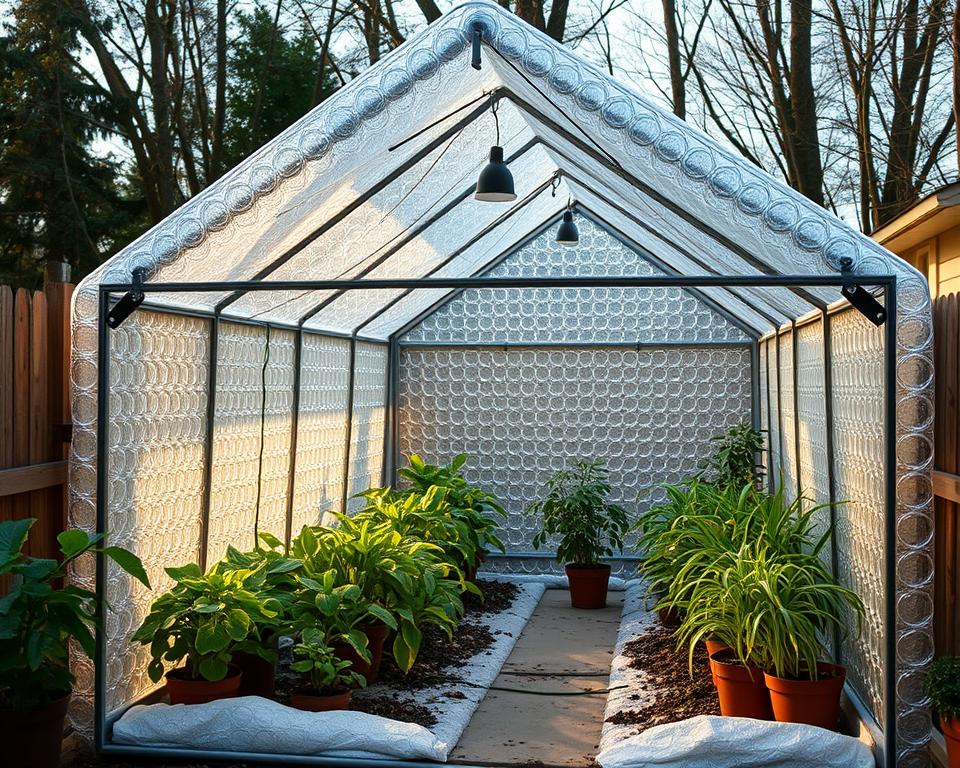
Horticultural bubble wrap provides excellent insulation without significantly reducing light transmission, making it an ideal material for greenhouse insulation during winter months.
Horticultural Bubble Wrap Installation
To install horticultural bubble wrap, cover all glazed areas while leaving appropriate ventilation options to prevent excess humidity buildup. This simple and cost-effective method can significantly reduce heat loss.
Alternative Insulation Methods
Alternative insulation methods such as thermal screens, straw bales, or insulation panels offer different benefits depending on your specific greenhouse design and local climate conditions. Consider these options to find the best solution for your greenhouse.
Choosing the Right Heater for Your Greenhouse
Greenhouse owners must consider several factors when choosing a heater to ensure optimal performance. The right heater can make a significant difference in maintaining a consistent temperature, which is crucial for plant growth and health.

Electric Fan Heaters
Electric fan heaters are a popular choice for greenhouses due to their ability to rapidly warm the air and circulate it evenly. They work by heating a coil, which then warms the air that is blown into the greenhouse by a fan.
Advantages and Limitations
The advantages of electric fan heaters include their quick warming capability and excellent air circulation, making them ideal for larger greenhouses. However, they can consume more energy and potentially dry out plants if not managed properly.
Ideal Placement for Maximum Efficiency
To maximise efficiency, electric fan heaters should be placed in a way that allows for even air distribution throughout the greenhouse. This may involve positioning them to blow air across the growing area rather than directly at plants.
Tubular Heaters
Tubular heaters offer a more energy-efficient solution with lower wattage options that provide gentle, consistent heat. They are often equipped with a built-in thermostat, allowing for precise temperature control.
Energy Efficiency and Cost Benefits
Tubular heaters are designed to be energy-efficient, reducing heating costs over time. Their lower wattage and thermostat-controlled operation make them a cost-effective option for greenhouse heating.
Installation and Positioning Tips
For optimal performance, tubular heaters should be installed at a low level, allowing the heat to rise naturally throughout the greenhouse. This positioning helps to prevent hot spots and ensures a more even distribution of heat.
Hydro Heaters
Hydro heaters, also known as boiler heaters, use a system of pipes to circulate hot water and warm the greenhouse. This method provides consistent background heat, making it suitable for larger commercial greenhouses.
How They Work
Hydro heaters work by heating water in a boiler, which is then circulated through pipes installed within the greenhouse. The heat from the water radiates into the surrounding area, warming the greenhouse.
When to Consider This Option
Hydro heaters are particularly suitable for larger greenhouses or commercial operations where the initial installation costs can be justified by long-term energy savings. They offer a reliable and consistent heating solution.
Targeted Heating Strategies
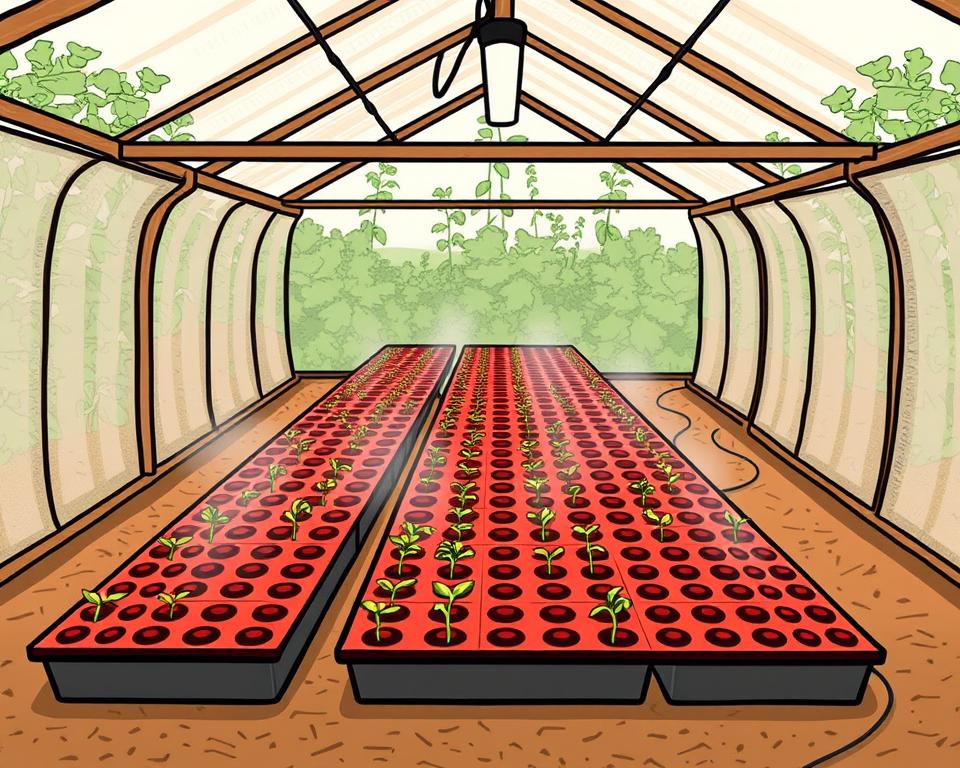
Implementing targeted heating strategies in your greenhouse can significantly reduce energy consumption while maintaining optimal growing conditions. This approach focuses on warming specific areas or plants rather than heating the entire greenhouse space.
Heat Mats and Warming Pads
Heat mats and warming pads are effective tools for providing direct warmth to plant roots, thus stimulating growth and improving germination rates. They are particularly useful for propagating cuttings or warming the root zone of plants that thrive in higher temperatures.
Selecting the Right Size and Wattage
Choosing the appropriate size and wattage for heat mats is crucial. Too little power may not provide adequate warmth, while excessive heat can damage delicate root systems or waste energy.
Optimal Placement for Plant Growth
Optimal placement of heat mats under seed trays, propagation areas, or tropical plants creates microclimates that support specific plant needs. This targeted approach ensures that plants receive the right amount of warmth without heating the entire greenhouse.
Creating Smaller Heated Zones
Dividing your greenhouse into smaller heated zones is an effective way to reduce heating costs. By using insulation curtains or plastic sheeting dividers, you can create separate areas for plants with different temperature requirements.
Dividing Your Greenhouse with Insulation Curtains
Insulation curtains can be used to section off areas of the greenhouse, allowing you to heat only the spaces that need it most. This helps in maintaining a more controlled environment and reduces energy consumption.
Concentrating Plants in Heated Areas
By concentrating plants in heated areas during the coldest months, you can maintain a smaller heated space while keeping less sensitive plants in cooler sections. This strategy also helps in managing moisture levels, as heating specific areas can create humidity gradients that affect plant health.
Combining heat mats with good air circulation prevents excessive moisture buildup while maintaining the warm root zone that many plants require for optimal growth. This balanced approach ensures healthy plant development and minimises the risk of disease.
DIY Heating Solutions and Thermal Mass

By incorporating DIY heating solutions, such as thermal mass heaters, you can reduce your greenhouse heating costs. Thermal mass heaters act as a heat sink, absorbing heat when it’s available and releasing it when the temperature drops.
Water Barrel Thermal Storage
Water barrel thermal storage systems harness the excellent heat retention properties of water to capture daytime solar energy and release it slowly overnight, creating a natural heating solution without electricity costs.
Setting Up Water Barrels for Heat Retention
To set up water barrels, place them along the north wall of your greenhouse to prevent them from blocking valuable sunlight while maximising their heat absorption capabilities. Make sure to paint the barrels black to increase their heat absorption capacity.
Maximising Solar Gain with Strategic Placement
Positioning the water barrels strategically can maximise their effectiveness in maintaining the correct minimum greenhouse temperature. For example, placing them along the north wall can prevent them from casting shadows over your plants while ensuring they still capture and store a significant amount of heat.
Other Creative Heating Methods
Other creative heating methods include compost heating systems and utilising off-peak electricity rates. Compost heating systems generate heat through the natural decomposition process, providing a dual benefit of waste recycling and greenhouse warming that supports sustainable gardening practices.
Compost Heating Systems
When implementing compost heating, make sure to monitor temperatures carefully as the decomposition process can generate significant heat that needs proper management to avoid overheating.
Utilising Off-Peak Electricity Rates
Utilising off-peak electricity rates can substantially reduce heating costs by running electric heaters during lower-rate periods and relying on thermal mass to store and release that heat during peak-rate hours.
In conclusion, DIY heating solutions such as water barrel thermal storage and compost heating systems offer a cost-effective way to heat your greenhouse. By combining multiple thermal mass elements of different sizes and materials, you can create a more stable temperature regulation system that responds to varying conditions in your environment.
Conclusion: Creating a Cost-Effective Greenhouse Heating Plan
Maintaining an optimal temperature is crucial for a thriving greenhouse. By implementing the right heating strategies and techniques, greenhouse owners can ensure a healthy and productive environment for their plants throughout the year. Effective heating not only protects plants from damage due to low temperatures but also creates an ideal climate for growth, regardless of the external weather conditions.
The key to successful greenhouse heating lies in understanding the specific needs of your plants, insulating your greenhouse properly, and using the right heating solutions. By combining these elements, you can create a stable and nurturing environment that promotes healthy plant growth and maximizes your yields.
As discussed, various heating solutions are available, including electric heaters, gas heaters, and infrared heaters. The choice of heater depends on several factors, including the size of your greenhouse, your budget, and your specific heating needs. It’s also important to consider the energy efficiency of the heater and its environmental impact.
In summary, a well-planned heating strategy is essential for any greenhouse. By choosing the right heaters, improving insulation, and monitoring temperature fluctuations, you can maintain an optimal environment for your plants. This not only enhances their growth and productivity but also ensures that your greenhouse remains a valuable and enjoyable part of your gardening activities throughout the year.
By following these guidelines and tips, you can enjoy a thriving greenhouse that provides a bountiful harvest, even in the coldest of winters.
Frequently Asked Questions
What is the most cost-effective way to heat a greenhouse?
The most cost-effective way to heat a greenhouse depends on various factors, including size, insulation, and climate. However, using a combination of passive heating methods, such as thermal mass and insulation, and active heating methods, like electric heaters or gas heaters, can help reduce costs.
How can I reduce heat loss in my greenhouse?
To reduce heat loss, ensure that your greenhouse is well-insulated, and consider using materials like bubble wrap or double glazing. Sealing any gaps or cracks and using thermal curtains or shades can also help retain heat.
What are the benefits of using electric heaters in a greenhouse?
Electric heaters are a popular choice for greenhouses due to their ease of use, flexibility, and relatively low cost. They can be thermostatically controlled, which helps maintain a consistent temperature and prevents overheating.
Can I use a gas heater in my greenhouse?
Yes, gas heaters can be used in greenhouses, but it’s essential to ensure proper ventilation to avoid the buildup of combustion products, such as carbon monoxide. It’s also crucial to follow the manufacturer’s instructions and take necessary safety precautions.
How can I maintain a consistent temperature in my greenhouse?
To maintain a consistent temperature, consider using a thermostat to regulate the heating system. Additionally, using thermal mass, such as water barrels or concrete, can help absorb and release heat, reducing temperature fluctuations.
Are there any alternative heating methods for greenhouses?
Yes, alternative heating methods include using solar power, biomass heaters, or heat pumps. These options can be more environmentally friendly and potentially cost-effective in the long run.