Home-Growing Tips for Beginners
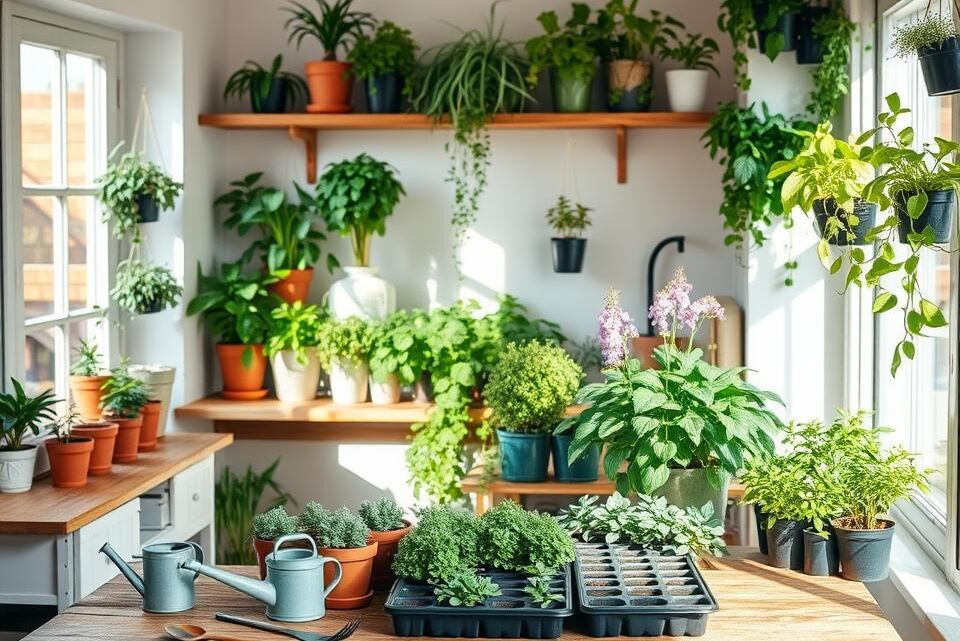
Gardening at home can be a rewarding and therapeutic experience, especially for those new to it. Understanding the basic needs of plants is crucial before starting an indoor garden. Many people have tried and failed in the past, but with the right knowledge, anyone can succeed.
Common misconceptions about plant care often discourage beginners. However, with proper guidance, anyone can develop a green thumb. The key factors that affect plant growth indoors include light, water, soil, humidity, and maintenance. Selecting the right plants based on specific living conditions and lifestyle is essential for successful home growing.
Inhaltsverzeichnis
Key Takeaways
- Understanding basic plant needs is crucial for a thriving indoor garden.
- Selecting the right plants based on your living conditions is vital.
- Key factors affecting plant growth include light, water, soil, humidity, and maintenance.
- Proper guidance can help beginners develop a green thumb.
- Home gardening can be a rewarding and therapeutic experience.
Getting Started with Indoor Plants
Starting your indoor gardening journey can be a daunting task, but with the right guidance, it becomes a delightful experience. Indoor gardening offers numerous benefits, including improved air quality and aesthetic appeal, making it a rewarding hobby for many.
Choosing the Right Plants for Beginners
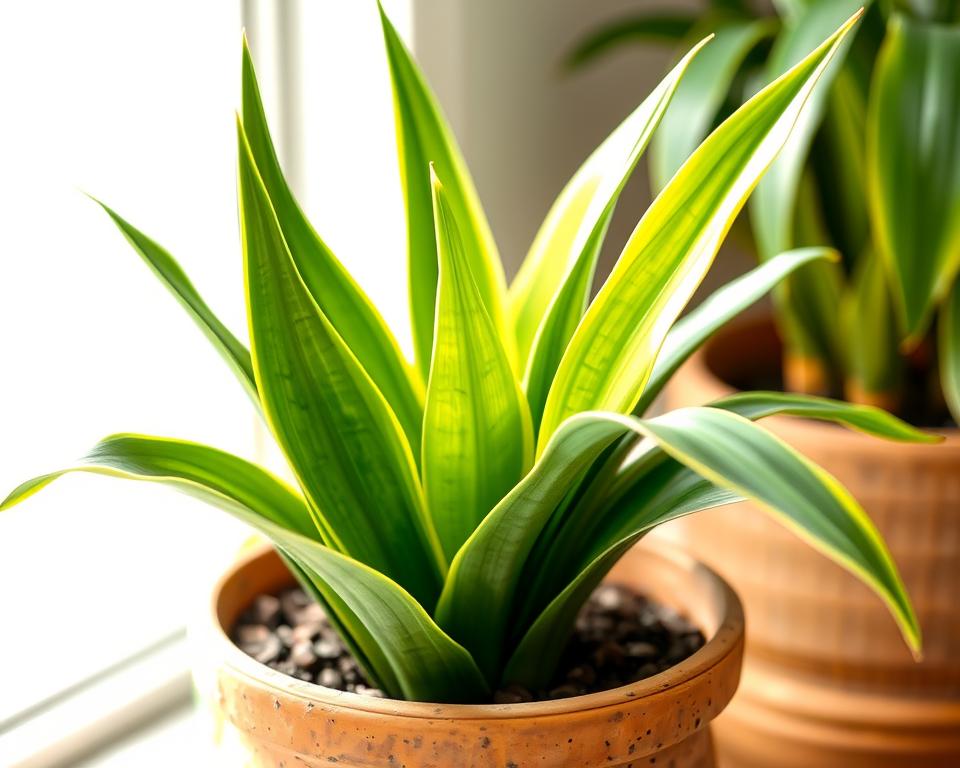
For those new to indoor gardening, selecting the right plants is crucial. Best indoor plants for beginners include varieties that are hardy and easy to care for, such as snake plants and spider plants. These plants are not only beautiful but also help purify the air.
Essential Supplies for Home Growing
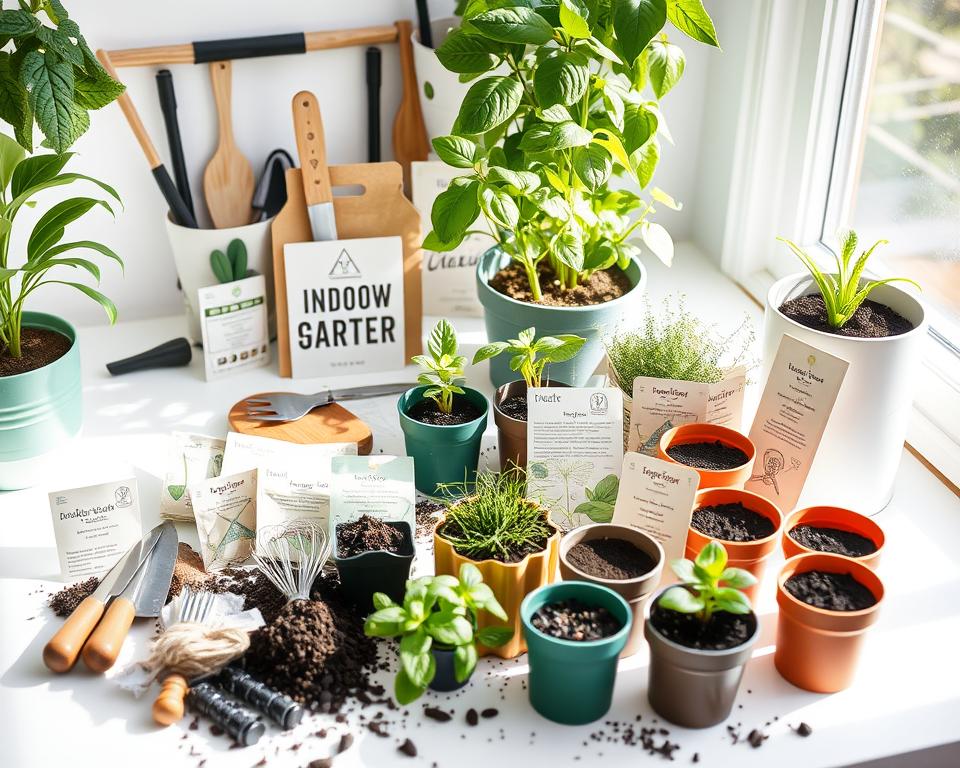
To start your indoor garden, you’ll need some essential supplies. This includes pots, quality potting soil, watering tools, and basic plant care implements. Terracotta clay pots are a popular choice because they are affordable and help wick away moisture, aerating the soil.
The right containers and soil are vital for healthy plant growth. Ensure your pots have drainage holes to prevent root rot, and choose a potting mix suitable for your plant type.
Understanding Light Requirements
To keep your indoor plants healthy, it’s essential to understand their light needs. Light is a critical factor that influences the growth and well-being of plants. Different plants have varying light requirements, and understanding these needs is crucial for their care.
Natural Light Considerations
Natural light is the most beneficial for plants, but the amount and intensity can vary greatly depending on the window orientation and time of year. For instance, south-facing windows receive more direct sunlight compared to north-facing ones. It’s essential to assess the light available in your space and position your plants accordingly. Consider the sun’s path and how it affects the leaves of your plants.
Using Artificial Grow Lights
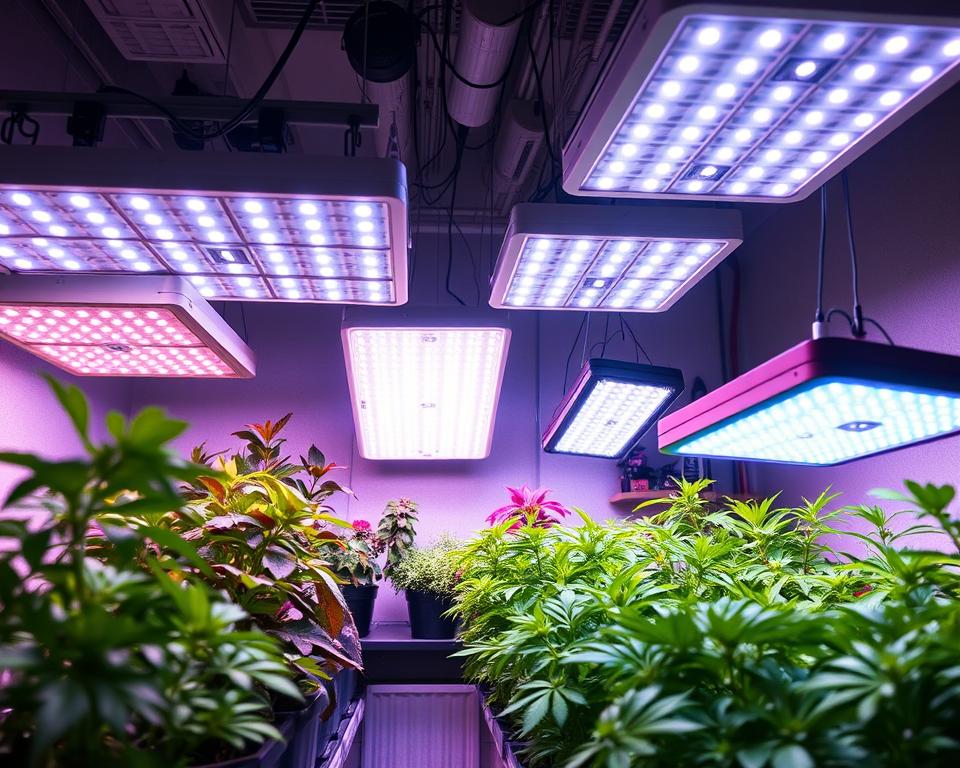
When natural light is insufficient, artificial grow lights can supplement the needed light for your plants. LED grow lights are a popular choice due to their energy efficiency and customisable spectrum. They can be particularly useful in areas with limited natural light.
Positioning Plants for Optimal Light
Positioning your plants correctly is vital to ensure they receive the right amount of light. Use plant stands, shelves, and hanging planters to maximise exposure to light sources. Be mindful of the sun’s angle and adjust your plant positions seasonally to maintain optimal light exposure.
For example, placing a sun-loving plant like English ivy near a window can help it thrive. Consider the concept of “light zones” within your home and map these zones to place your plants appropriately.
Watering and Humidity: Finding the Right Balance
Achieving the perfect balance between watering and humidity is crucial for the health and well-being of indoor plants. This balance is particularly important for tropical plants that thrive in humid environments.
Proper Watering Techniques
Proper watering techniques are vital to prevent overwatering and underwatering. Checking the soil moisture by inserting a finger into the soil up to the first knuckle can help determine if the soil is dry and needs watering. It’s also important to water plants thoroughly until water drains out of the pot’s bottom holes.
Using pots with good drainage and avoiding saucers that can collect water can help prevent root rot. The frequency of watering depends on factors like the type of plant, soil mix, and environmental conditions.
Signs of Overwatering and Underwatering
Overwatering can lead to yellowing leaves, soft stems, and root rot, while underwatering can cause dry, crispy leaves and slow growth. Being aware of these signs helps in adjusting watering schedules accordingly.
Managing Humidity for Indoor Plants
Managing humidity involves understanding that dry air can cause plants to lose water more quickly. Methods to increase humidity include misting plants regularly, using a pebble tray filled with water, grouping plants together, and employing a humidifier. Placing plants in naturally humid areas like the bathroom or kitchen can also help.
Measuring humidity levels with a hygrometer can help maintain optimal conditions. Most houseplants prefer a humidity level between 40% and 60%. Balancing humidity needs with home comfort and preventing mold growth are crucial for a healthy indoor environment.
Soil, Potting, and Drainage Essentials
The right combination of soil, pot, and drainage can make all the difference in keeping your indoor plants thriving. Understanding these elements is crucial for creating an optimal environment for your plants to grow.
Selecting the Right Soil for Different Plants
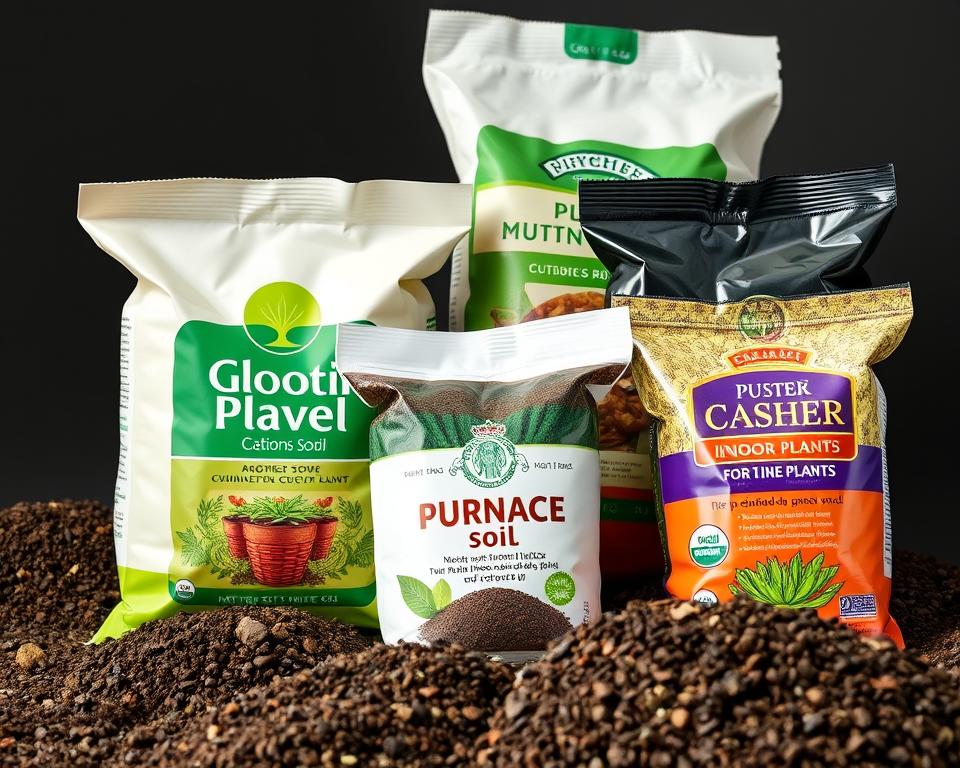
Choosing the appropriate soil for your indoor plants is vital, as different plants have unique requirements. For instance, succulents and cacti prefer well-draining soil to prevent root rot, while tropical plants thrive in richer, more moisture-retentive mixes. When selecting a potting soil, consider the specific needs of your plants and opt for a mix that complements those needs.
Choosing Appropriate Containers
The container you choose for your plant is just as important as the soil. Ensure that your pot has drainage holes to prevent waterlogged soil, which can lead to root rot and other issues. The size of the pot is also crucial; a pot that is too small may constrict the roots, while one that is too large can cause the soil to become too wet.
Ensuring Proper Drainage
Proper drainage is essential for preventing water from accumulating in the soil. To achieve this, use pots with drainage holes and consider adding a layer of material such as perlite or broken pottery at the bottom of the pot to enhance drainage. Additionally, avoid overwatering by checking the moisture level of the soil before watering.
By focusing on these key aspects—soil, potting, and drainage—you can significantly improve the health and vitality of your indoor plants. Regularly inspect your plants’ condition and adjust your care routine as necessary to ensure they continue to thrive.
Home-Growing Tips for Beginners: Maintenance and Care
Effective care for your indoor plants involves a combination of proper fertilisation, pruning, and problem-solving. To keep your plants thriving, it’s crucial to understand their needs and address any issues promptly.
Fertilising Indoor Plants
Fertilising is a vital aspect of indoor plant care, as it provides essential nutrients for growth. Choosing the right indoor plant fertiliser can be daunting, but understanding the basics can help. Look for a balanced fertiliser that contains equal parts nitrogen, phosphorus, and potassium (NPK). It’s also important to consider the type of plants you’re growing, as some may require specialised fertilisers.

Pruning and Grooming Techniques
Pruning and grooming are essential for maintaining the health and appearance of your indoor plants. Regular pruning encourages new growth, prevents overcrowding, and helps control pests. Use clean, sharp tools to prevent spreading diseases, and remove any dead or dying leaves to maintain your plant’s appearance.
For plants with long stems or trailing vines, consider training them to climb or trail, which can add visual interest to your space.
Dealing with Common Plant Problems
Indoor plants can be susceptible to a range of issues, including pests, diseases, and environmental stress. Common pests like spider mites, mealybugs, and scale can be treated with insecticidal soap or neem oil. Regularly inspect your plants for signs of pests or diseases, and take action promptly to prevent the issue from spreading.
Environmental stressors, such as extreme temperatures or drafts, can also impact your plants’ health. Keep your plants away from heating or cooling vents, fireplaces, and drafty windows to minimise stress.
Expanding Your Indoor Garden
With a solid foundation in indoor gardening, the next step is to explore new possibilities for growth. Expanding your indoor garden can be a rewarding experience, allowing you to grow a wider variety of plants and enjoy the benefits of having fresh herbs and vegetables at your fingertips year-round.
Propagating Plants at Home
Propagating plants at home is a cost-effective way to expand your indoor garden. Many plants can be easily propagated through cuttings, division, or layering. For example, you can propagate herbs like basil and mint by taking cuttings and rooting them in water or soil.
To successfully propagate plants, you’ll need to provide the right conditions, including adequate light, water, and nutrients. With proper care, your propagated plants will thrive and add to your indoor garden’s diversity.
Growing Herbs and Edibles Indoors
Growing herbs and edible plants indoors can be a delightful way to enhance your indoor garden. Plants that only need to form leaves are ideal for indoor growing, as they can thrive with four to six hours of light. Popular herbs for indoor growing include basil, chives, and mint, while salad greens like lettuce and spinach also do well.
When growing edibles indoors, it’s essential to consider factors like container size, soil quality, and watering needs. Regular harvesting will also encourage continued production and prevent the plants from flowering.
By incorporating edible plants into your indoor garden, you’ll not only enjoy fresh food but also add a new dimension to your gardening experience.
Conclusion
By applying the tips and techniques outlined in this guide, beginners can set themselves up for success and enjoy the many rewards of indoor gardening. As you start your journey, remember that plant care is a learning process that improves with time and experience.
It’s essential to be patient with yourself and your plants, as setbacks are an inevitable part of the process. Even experienced gardeners face challenges and lose plants occasionally, but these experiences can be valuable learning opportunities.
To get started, begin with a small collection and gradually expand as your confidence and knowledge grow. Paying attention to your plants’ responses to different conditions will help you develop an intuition about their needs. Joining online or local plant communities can also provide a wealth of knowledge and support.
Indoor gardening offers numerous benefits beyond just beautiful plants, including improved well-being, a connection with nature, and a sense of accomplishment. We invite you to share your own beginner gardening experiences and questions in the comments section below, and look forward to being part of your indoor garden journey.
FAQ
What are the best plants to start with when creating an indoor garden?
Plants like snake plants, spider plants, and ZZ plants are ideal for beginners due to their low-maintenance requirements and ability to thrive in a variety of lighting conditions.
How often should I water my indoor plants?
The frequency of watering depends on the type of plant, soil, and environmental conditions. As a general rule, check the soil moisture by inserting a finger into the soil up to the first knuckle, and water when the soil feels dry.
Can I use any container for my indoor plants?
While it’s tempting to use any container, it’s essential to choose pots with good drainage holes to prevent waterlogged soil. Consider using pots made from breathable materials like terracotta or ceramic.
How much light do indoor plants need?
Different plants have varying light requirements. Some plants, like succulents, require direct sunlight, while others, like Chinese Evergreen, prefer low light conditions. Research the specific light needs of your plants to ensure optimal growth.
What is the best way to fertilise my indoor plants?
Feed your plants with a balanced, water-soluble fertiliser during the growing season (spring and summer). Dilute the fertiliser to half the recommended strength to avoid burning the roots.
How can I increase the humidity around my indoor plants?
To boost humidity, you can place the pot on a tray filled with water and pebbles, use a humidifier, or group plants together to create a microclimate.
Why are my plants developing root rot?
Root rot is often caused by overwatering, which leads to waterlogged soil. Check your watering schedule, and ensure the pot has adequate drainage holes to prevent this issue.
Can I grow edible plants indoors?
Yes, many edible plants, such as herbs, leafy greens, and microgreens, can thrive indoors with the right conditions, including sufficient light and proper care.