
How to Keep Cats Off Your Garden
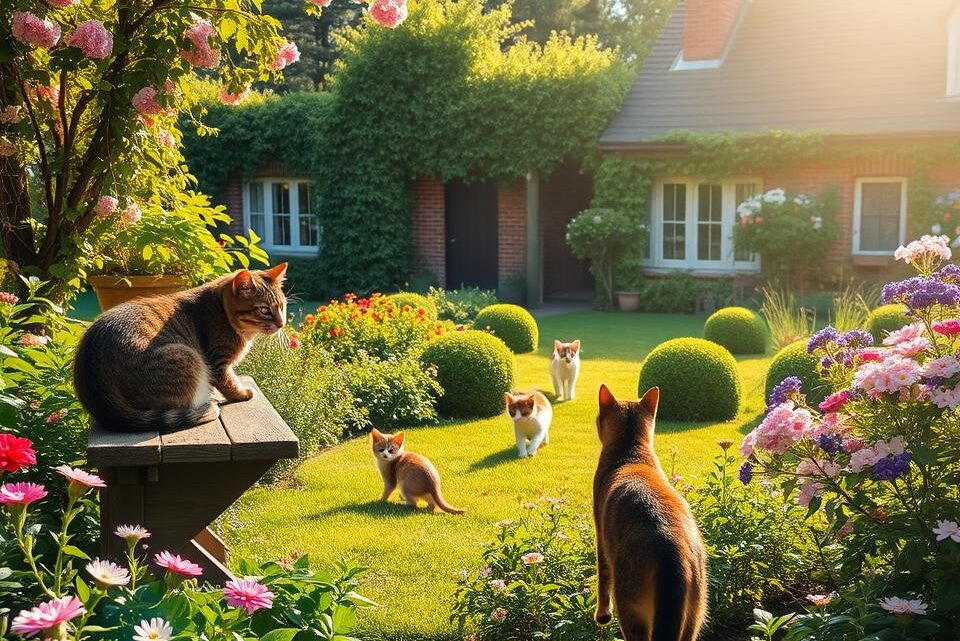
Gardeners in the UK often face the frustrating issue of cats entering their gardens, potentially damaging plants and using the soil as litter.
This is not just a nuisance; it’s also a concern due to the potential harm caused to both the garden and the cats themselves.
In the UK, cats are protected by law and have the right to roam freely, making it essential to use humane and legal methods to deter them.
This article will explore various tips and ways to deter cats from entering your garden without causing harm or distress.
Inhaltsverzeichnis
Key Takeaways
- Understand that cats are protected by law in the UK.
- Humane deterrents are essential to avoid harming cats.
- Various methods can be employed to deter cats from gardens.
- The effectiveness of deterrents may vary depending on cat behaviour.
- Patience and the right approach are crucial to successfully protecting gardens.
Understanding Why Cats Visit Your Garden
Cats are drawn to gardens for reasons that are deeply rooted in their natural instincts and territorial behaviours. Understanding these motivations is key to effectively deterring them from your outdoor space.
Natural Cat Behaviour and Territorial Instincts
Cats are territorial animals that often defend their perceived territory. This territorial behaviour can lead to conflicts between cats, resulting in injury and distress. Cats also exhibit specific preferences when it comes to their toilet areas, favouring even ground and firm, smooth surfaces.
Common Garden Features That Attract Cats
Gardens often inadvertently attract cats due to various features. Freshly dug soil and soft garden beds are particularly appealing to cats, who prefer them as toilet areas. Other attractive features include bird feeders, fish ponds, and sheltered areas, which can provide cats with food and shelter. The table below outlines common garden features that attract cats and why they are appealing.
| Garden Feature | Why Cats Are Attracted |
|---|---|
| Freshly Dug Soil | Soft and easy to dig into, making it an ideal toilet area |
| Bird Feeders | Attract birds and other wildlife, providing a hunting ground |
| Fish Ponds | Offer a source of water and potentially fish to hunt |
| Sheltered Areas | Provide hiding spots and protection from the elements |
By understanding these attractants, gardeners can take the first step towards making their gardens less appealing to cats.
Legal Considerations for UK Gardeners
The challenge of cat deterrence in UK gardens is complicated by legal considerations that prioritize animal welfare. Gardeners must be aware of the laws that protect cats and understand how to deter them humanely.
Protection Under UK Law
Cats are protected under UK law, and they are free to roam. The Animal Welfare Act 2006 makes it an offence to cause unnecessary suffering to a cat. This means that any deterrent used must be non-harmful and non-cruel.
Humane Deterrent Guidelines
To deter cats from your garden legally, you must use humane methods. Using snares, poison, or unlicensed deterrents is illegal and can result in legal consequences. Instead, gardeners should focus on humane deterrents that do not cause suffering to cats.
When dealing with cats visiting your garden, it’s essential to maintain good neighbourly relations. If disputes arise, understanding local council regulations can help resolve issues. Documenting persistent problems can also be useful if legal intervention becomes necessary.
| Deterrent Method | Legality | Effectiveness |
|---|---|---|
| Snares | Illegal | Ineffective and harmful |
| Poison | Illegal | Dangerous and inhumane |
| Humane Repellents | Legal | Effective and safe |
For UK gardeners seeking further legal information about cat deterrence, it’s advisable to consult local animal welfare organizations or legal resources. Understanding the legal framework can help gardeners protect their gardens while respecting the law.

Creating Physical Barriers in Your Garden
Physical barriers offer an effective solution for gardeners seeking to keep cats out of their garden beds and soil. By implementing the right barriers, you can protect your garden without causing harm to the cats.
Chicken Wire and Mesh Solutions
Using chicken wire or mesh around your garden beds creates an uncomfortable surface for cats, deterring them from entering the area. To implement this solution effectively, cut the chicken wire to size and lay it flat in your garden beds, allowing plants to grow up and around it.
Rough Ground Coverings
Cats tend to avoid areas covered in rough ground coverings such as gravel, stone chippings, and pebbles. Incorporating these materials into your garden design can help deter cats from walking or digging in certain areas.
Fencing Techniques
Effective fencing is crucial for keeping cats out of your garden. Consider using angled fence toppers to prevent cats from climbing over boundaries. Additionally, securing the bottom of your garden fences will prevent cats from squeezing underneath.
Natural Deterrents: Plants That Repel Cats
For gardeners seeking a humane and aesthetically pleasing solution, incorporating cat-deterrent plants into your garden design can be an effective strategy. Certain plants are known to repel cats due to their unpleasant smell or taste.
Scaredy Cat Plant (Coleus caninus)
The Scaredy Cat Plant, or Coleus caninus, is a popular choice for gardeners looking to deter cats. Its foliage emits an unpleasant odour when touched, which is said to repel not just cats, but also dogs, foxes, and rabbits. This plant is not hardy, so it requires regular maintenance, such as taking cuttings to keep it growing year after year or purchasing young plugs in spring.
Aromatic Herbs That Deter Cats
Some aromatic herbs are known to deter cats. Plants like lavender, rosemary, rue, and lemon thyme can be dotted around the garden, particularly in areas that cats frequent, such as the vegetable patch. While these plants are not foolproof and may not deter all cats, they can be an effective part of a broader deterrent strategy.
How to Position Deterrent Plants Effectively
To maximise the effectiveness of deterrent plants, they should be positioned strategically around the garden. Creating a border of these plants around vulnerable areas can help protect them. Additionally, companion planting strategies can be employed to combine cat-deterrent properties with other garden benefits.
How to Keep Cats Off Your Garden Using Scent Deterrents
The power of smell can be harnessed to keep cats away from your garden. Cats possess a highly developed olfactory system, making them sensitive to various scents. By utilising certain smells, you can effectively deter cats from entering your garden.
Citrus Peels and Essential Oils
Cats are known to dislike the strong smell of citrus fruits such as lemons, oranges, and grapefruits. Scattering citrus peels around your garden beds can help deter cats. Additionally, you can create a homemade essential oil spray using citrus essential oils to repel cats.
Commercial Scent Repellents
For a more convenient solution, you can opt for commercially available cat repellent sprays and granules. These products are specifically designed to deter cats and can be effective when used correctly. When choosing a commercial scent repellent, consider factors such as effectiveness, longevity, and value for money.
To maximise the effectiveness of scent deterrents, it is essential to reapply them frequently, especially after rainfall. By combining these methods and being consistent, you can successfully keep cats out of your garden.
Water and Sound Deterrents
Water and sound deterrents provide a humane way to discourage cats from entering your garden. These innovative solutions utilise cats’ natural aversion to certain stimuli to protect your outdoor space.
Motion-Activated Sprinklers
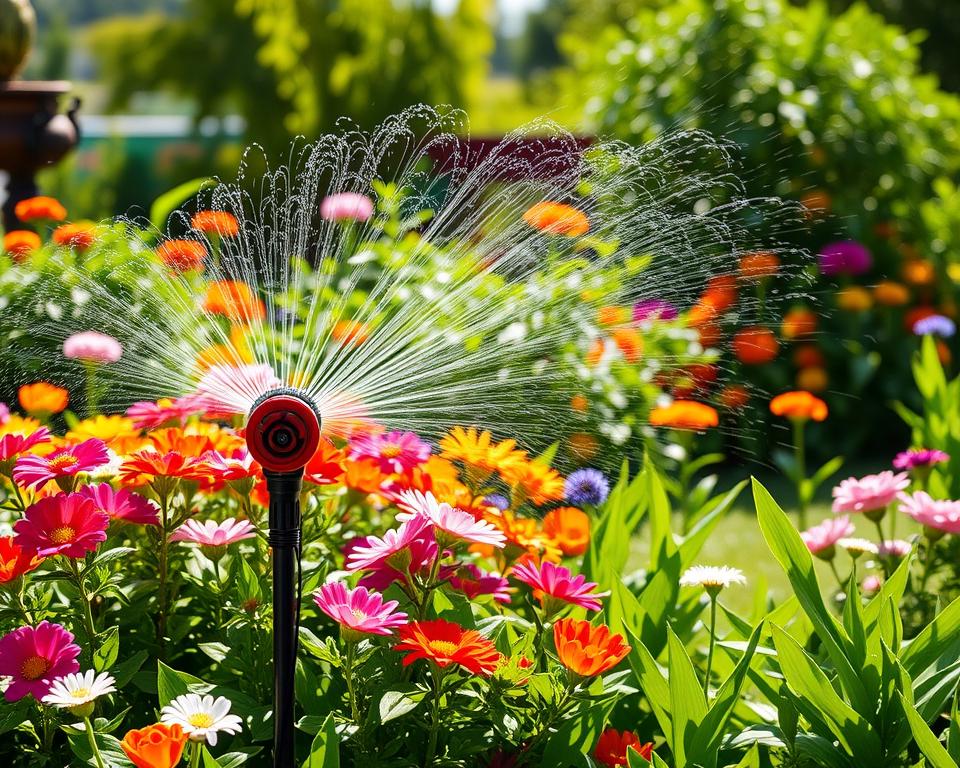
Motion-activated sprinklers are an effective way to keep cats away. When a cat enters the area, the sprinkler activates, spraying water and startling the cat. This method not only deters cats but also waters your garden.
Ultrasonic Devices
Ultrasonic devices emit sounds undetectable to humans but unpleasant for cats. These devices can be placed around the garden to deter cats. Solar-powered options are available, making them an eco-friendly choice.

When using water and sound deterrents, consider the potential impact on other wildlife and pets. Positioning and adjusting the sensitivity of these devices can help minimise any unintended effects.
Creating Alternative Spaces for Cats
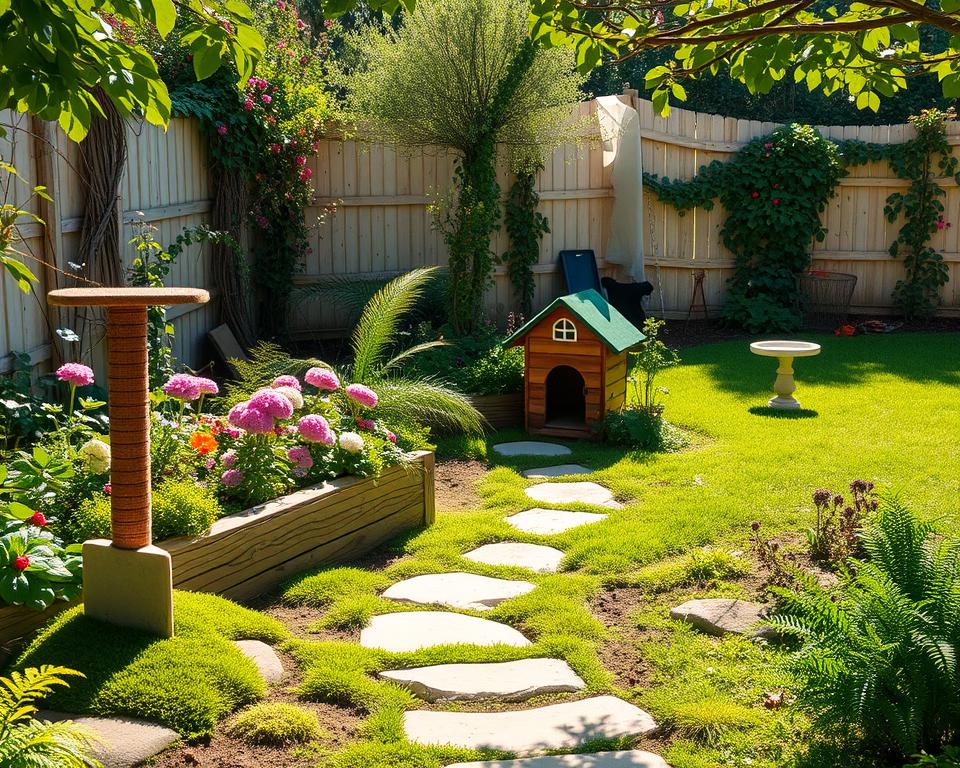
By designating specific areas for cats, you can safeguard your garden from unwanted visits. This approach involves creating cat-friendly zones that redirect cats away from prized garden areas.
Designated Cat-Friendly Areas
To create a designated cat-friendly area, choose a spot that is out of the way but still appealing to cats. Filling this area with catnip and other cat-friendly plants can make it more attractive. The idea is to make this area so inviting that cats prefer it over your garden.
Consider using plants that cats find irresistible, such as Coleus caninus, also known as the “scaredy-cat plant.” Incorporating such plants into your designated area can help deter cats from other parts of your garden.
Decoy Litter Areas
A decoy litter area can be an effective way to keep cats from using your entire garden as a litter box. To create one, select a secluded spot and fill it with a sand-style litter. Adding catnip to this area can enhance its appeal to cats.
Maintaining the decoy litter area is crucial for its success. Regular cleaning and replenishing the litter as needed will encourage cats to continue using it, thereby protecting your garden.
Methods to Avoid: Ineffective and Harmful Deterrents
When trying to deter cats from your garden, it’s crucial to avoid methods that are not only ineffective but also potentially harmful. Certain substances and techniques can pose significant risks to cats, other animals, and the environment.
Dangers of Toxic Substances
Some gardeners may unknowingly use harmful substances to deter cats. For instance, mothballs contain pesticides that are toxic to animals and humans. Similarly, coffee grounds, which contain caffeine, can be dangerous for cats and dogs if ingested. It’s essential to avoid scattering such substances in your garden or soil.
Debunking Common Myths
There are several myths surrounding cat deterrents. For example, some believe that certain plants or objects can effectively keep cats away. However, many of these methods are ineffective or may lead to habituation. It’s crucial to separate fact from fiction and choose deterrents that are both humane and effective.
By avoiding harmful substances and ineffective methods, gardeners can protect both their gardens and local wildlife. Always consider the potential consequences of your actions and opt for humane, evidence-based deterrents.
Conclusion
The key to maintaining a beautiful, cat-free garden lies in understanding the reasons behind feline visits and implementing a tailored deterrent strategy. By combining physical barriers, such as chicken wire and mesh solutions, with natural deterrents like Scaredy Cat Plants and aromatic herbs, gardeners can effectively deter cats from their gardens.
It’s crucial to consider the legal and ethical implications of cat deterrents in UK gardens, ensuring that methods used are humane and compliant with UK law. Starting with the least invasive methods and progressing to more complex solutions is recommended. Gardeners should be prepared to invest time and persistence to change established cat behavior.
While complete cat exclusion may not be possible, a significant reduction in feline visits is achievable. Seasonal adjustments to deterrent strategies can help maintain their effectiveness throughout the year. By balancing garden protection with respect for animal welfare, gardeners can enjoy their outdoor spaces without compromising their values. Practical tips, such as using coarse mulch or laying plastic fencing flat on the ground, can make a significant difference. With the right approach, UK gardeners can protect their plants and garden beds, ensuring a beautiful and cat-free outdoor space.
FAQ
What are some effective ways to deter cats from entering my garden?
Cats can be deterred using physical barriers, such as chicken wire or mesh, and natural deterrents like the Scaredy Cat plant or citrus peels. Motion-activated sprinklers and ultrasonic devices can also be effective.
Are there any plants that cats dislike?
Yes, certain plants like Coleus caninus, also known as the Scaredy Cat plant, and aromatic herbs such as lavender and rosemary can repel cats. Planting these in your garden or around its perimeter can help deter cats.
Can I use commercial scent repellents to keep cats away?
Yes, commercial scent repellents are available and can be effective. These products typically contain certain smells that cats find unpleasant, such as citrus or vinegar.
Is it humane to use deterrents to keep cats out of my garden?
Yes, using deterrents is a humane way to keep cats out of your garden, as long as they do not cause harm or distress to the animals. Methods like physical barriers, scent deterrents, and ultrasonic devices are considered humane.
Can I create a cat-friendly area in my garden?
Yes, creating a designated cat-friendly area can encourage cats to use that space instead of other areas of your garden. This can be achieved by providing a litter box or a sandy area and some shelter or hiding spots.
Are there any substances that I should avoid using to deter cats?
Yes, certain substances like pesticides or toxic chemicals should never be used to deter cats, as they can cause harm or even be fatal. Always opt for humane deterrents.
Will using ultrasonic devices harm my cat or other animals?
Ultrasonic devices are designed to be safe for animals and humans. They work by emitting a high-frequency sound undetectable to humans but unpleasant for cats, thereby deterring them without causing harm.

