How to Fit Guttering on a Shed | DIY Garden Guide
Protecting your garden building from water damage doesn’t require professional expertise. A proper shed guttering installation can save your structure from costly repairs whilst creating an excellent rainwater collection system for your garden.
This comprehensive guide transforms what seems like a daunting task into manageable steps. Whether you’re tackling your first DIY gutter fitting project or expanding your skills, we’ll walk you through every stage of the process.
From selecting appropriate materials at your local supplier to achieving a professional finish, this tutorial covers everything UK gardeners need to know. We’ll explore proper drainage techniques, essential tools, and practical tips that ensure your installation lasts for years.
By the end of this guide, you’ll have the confidence to protect your shed effectively. Water damage prevention becomes straightforward when you understand the fundamentals of gutter systems and their installation requirements.
Inhaltsverzeichnis
Key Takeaways
- Proper guttering prevents costly water damage to your shed’s structure and foundation
- DIY installation saves money compared to professional fitting services
- Rainwater collection through gutters provides free water for garden irrigation
- Basic tools and materials are readily available from UK hardware suppliers
- Correct measurements and planning ensure a professional-looking finish
- Regular maintenance keeps your gutter system functioning effectively for years
Why Your Shed Needs Proper Guttering
Many shed owners underestimate the critical role that guttering plays in preserving their outdoor structures. Without adequate drainage, your shed becomes vulnerable to Britain’s unpredictable weather patterns. Proper guttering systems protect your investment whilst providing practical benefits that extend far beyond simple water management.
The consequences of neglecting guttering installation can be costly and frustrating. Water damage occurs gradually, making it difficult to spot until significant problems develop. Understanding these risks will help you make informed decisions about your shed’s protection needs.
Protection from Water Damage
Uncontrolled rainwater poses the greatest threat to your shed’s structural integrity. When water cascades directly off your roof, it creates persistent dampness around the base. This moisture penetrates wooden components, causing rot and weakening joints over time.
Effective water damage prevention starts with directing rainfall away from vulnerable areas. Without guttering, water pools around door frames and seeps through gaps in cladding. Metal sheds aren’t immune either – constant moisture exposure leads to rust and corrosion.
The fascia boards suffer particularly severe damage when exposed to continuous water flow. Replacing these structural elements costs significantly more than installing preventive guttering systems. Prevention is always more economical than repair when dealing with water-related shed damage.
Rainwater Collection Benefits
Modern gardeners increasingly recognise the value of harvesting natural precipitation. Rainwater collection through guttering systems provides an excellent source of soft water for plants and garden maintenance. This collected water lacks the chemicals found in tap water, making it ideal for sensitive plants.
During Britain’s drier summer months, stored rainwater becomes invaluable for maintaining gardens and allotments. A typical shed roof can collect hundreds of litres during moderate rainfall. This sustainable approach reduces reliance on mains water whilst lowering household bills.
Installation of water butts connected to your guttering system maximises rainwater collection efficiency. The initial investment pays dividends through reduced water costs and improved plant health. Many local councils offer incentives for residential rainwater harvesting initiatives.
Foundation and Landscaping Protection
Soil erosion around your shed’s foundation creates serious stability issues over time. Uncontrolled water flow washes away supporting earth, potentially causing structural settlement. Guttering channels this water safely away from critical foundation areas.
Your carefully planned landscaping also benefits from proper drainage management. Flower beds and lawn areas near your shed avoid waterlogging when guttering directs overflow to appropriate drainage points. Protecting your garden investment requires comprehensive water management strategies.
Pathway maintenance becomes easier when guttering prevents water from creating muddy conditions around your shed. Long-term landscape preservation relies on controlling water flow patterns throughout your garden space. Proper guttering installation supports both structural and aesthetic garden goals.
Planning Your Shed Guttering Project
Before you begin installing guttering on your shed, thorough planning will save you time, money, and potential headaches down the line. Taking a systematic approach to your project ensures you’ll purchase the correct materials and avoid multiple trips to the hardware store. Proper preparation is the key to a successful installation that will protect your shed for years to come.
Every shed presents unique challenges and requirements. Weather patterns in your area, the size and pitch of your shed roof, and your budget all influence the planning process. Understanding these factors upfront helps you make informed decisions about materials and installation methods.
Assessing Your Shed’s Requirements
Start by examining your shed’s current condition and specific needs. Walk around your building and note any existing water damage, pooling areas, or drainage problems. These observations will help determine the urgency and scope of your guttering project.
Consider your local climate conditions carefully. Areas with heavy rainfall require more robust drainage solutions than regions with lighter precipitation. The pitch of your shed roof also affects water flow and influences bracket spacing and fall calculations.
Check if your shed has fascia boards or if you’ll need to attach brackets directly to the roof edge. This assessment determines which mounting hardware you’ll require. Some older sheds may need reinforcement before supporting a gutter system.
Measuring and Calculating Materials
Accurate measurements form the foundation of material calculations. Measure each roof edge that requires guttering, noting any corners, angles, or obstacles. Always add 10% extra to your measurements to account for cutting waste and potential mistakes.
Count the number of corners, both internal and external, as these require special fittings. Identify where downpipes will be positioned and calculate the vertical distance from gutter to ground level. This determines downpipe length requirements.
Create a simple sketch of your shed roof layout. Mark measurements and note fitting requirements at each junction. This visual reference prevents confusion during the shopping process and ensures you don’t forget essential components.
Choosing the Right Gutter System
Several gutter system options suit different shed types and budgets. PVC systems offer affordability and ease of installation, making them popular choices for DIY projects. These lightweight systems work well for most garden sheds and require minimal maintenance.
Consider the aesthetic impact on your garden space. Some gutter systems complement traditional shed designs better than others. Modern sheds may suit sleek aluminium profiles, whilst heritage-style buildings often look better with cast iron alternatives.
Factor in long-term maintenance requirements when selecting your system. Some materials require regular painting or treatment, whilst others offer maintenance-free operation. Your available time for ongoing care should influence this decision.
Budget considerations extend beyond initial purchase costs. Factor in the tools you’ll need to buy or hire, plus any additional materials like sealants or fixings. Quality systems may cost more initially but often provide better value over their lifespan.
Essential Tools and Materials Required
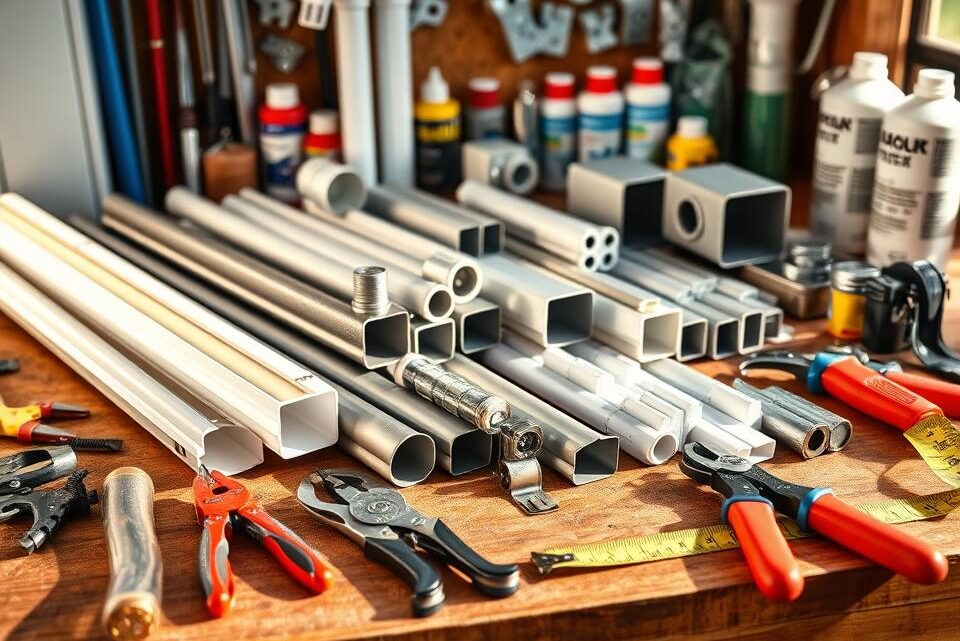
Gathering the proper installation tools and materials before starting your shed guttering project will save you time and ensure professional results. A well-prepared toolkit eliminates frustrating trips to the hardware store mid-installation. Proper preparation also helps you maintain momentum and complete the job efficiently.
Most DIY enthusiasts will already own many of the basic tools required. However, some specialist items may need purchasing or borrowing from neighbours. Creating a comprehensive checklist prevents overlooking crucial components that could delay your project.
Basic Tools You’ll Need
Your installation tools collection should include several essential items for measuring, cutting, and securing components. A spirit level ensures proper gutter fall, whilst a tape measure helps achieve accurate spacing between gutter brackets.
A hacksaw or angle grinder cuts guttering sections to size. Electric drills with various drill bits create pilot holes for screws. Sharp scissors or tin snips handle smaller cutting tasks on plastic components.
Additional tools include a pencil for marking positions, a screwdriver set, and a rubber mallet for gentle adjustments. A chalk line helps mark straight installation lines across longer shed walls. These basic tools handle most standard guttering installations effectively.
Guttering Components and Fittings
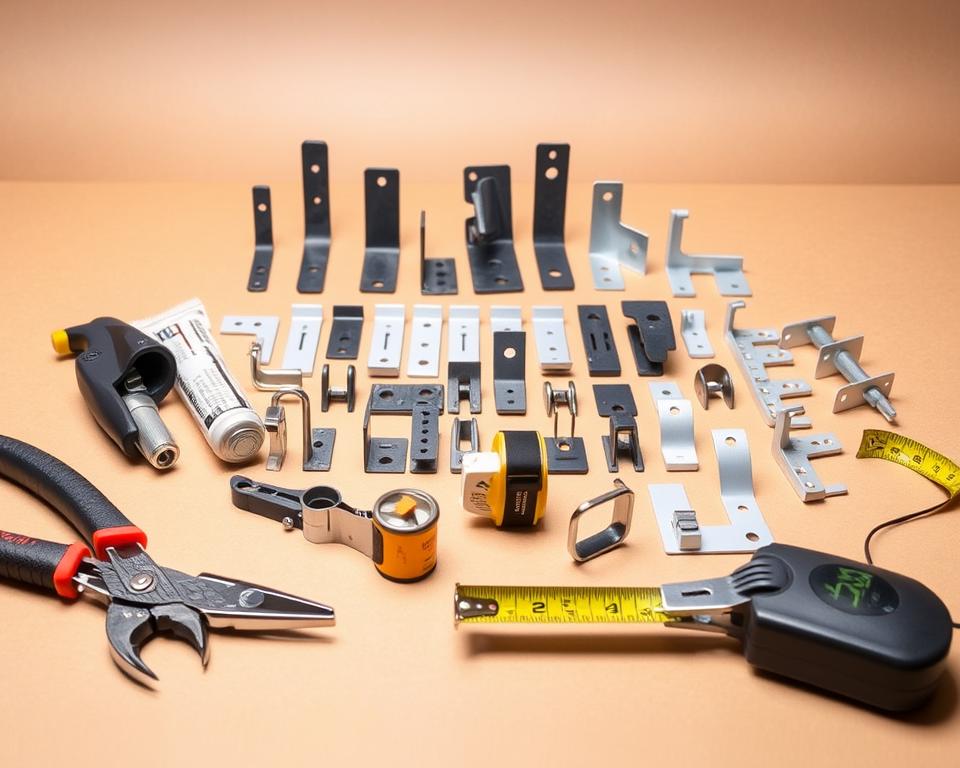
Gutter brackets form the backbone of your installation, supporting the entire system weight. Choose brackets specifically designed for your chosen guttering material and shed wall type. Spacing typically ranges from 600mm to 1000mm apart, depending on your system specifications.
Essential components include gutter sections, corner pieces, and outlet fittings where downpipes connect. End caps seal gutter runs, whilst union brackets join separate gutter lengths. Rubber seals and gaskets prevent leaks at connection points.
Downpipe components comprise pipe sections, brackets, and shoe bends that direct water away from foundations. Quality gutter brackets and fittings ensure long-term system reliability. Purchase 10% extra materials to account for cutting waste and potential mistakes.
Safety Equipment and Considerations
Safety equipment protects you throughout the installation process, particularly when working at height. A sturdy ladder rated for your weight plus tools provides secure access to roof edges. Safety glasses shield eyes from debris and metal filings during cutting operations.
Work gloves protect hands from sharp metal edges and provide better grip on tools. Non-slip footwear prevents accidents on wet or uneven surfaces. Never attempt installation during windy or wet weather conditions that increase accident risks.
Consider having a helper steady ladders and pass materials up to you. This assistant also provides emergency support if problems arise. Quality safety equipment represents a worthwhile investment for any DIY project involving height work.
Types of Guttering Systems for Sheds
Understanding the different types of guttering available helps you make an informed decision that suits your shed’s specific requirements. Each material offers unique benefits and drawbacks that affect performance, longevity, and overall cost. The right choice depends on your budget, local weather conditions, and aesthetic preferences.
Modern guttering systems have evolved significantly over recent decades. Manufacturers now offer solutions ranging from budget-friendly options to premium materials that rival those used on residential properties. Selecting the appropriate system ensures optimal water management whilst complementing your garden’s overall design.
PVC Guttering Systems
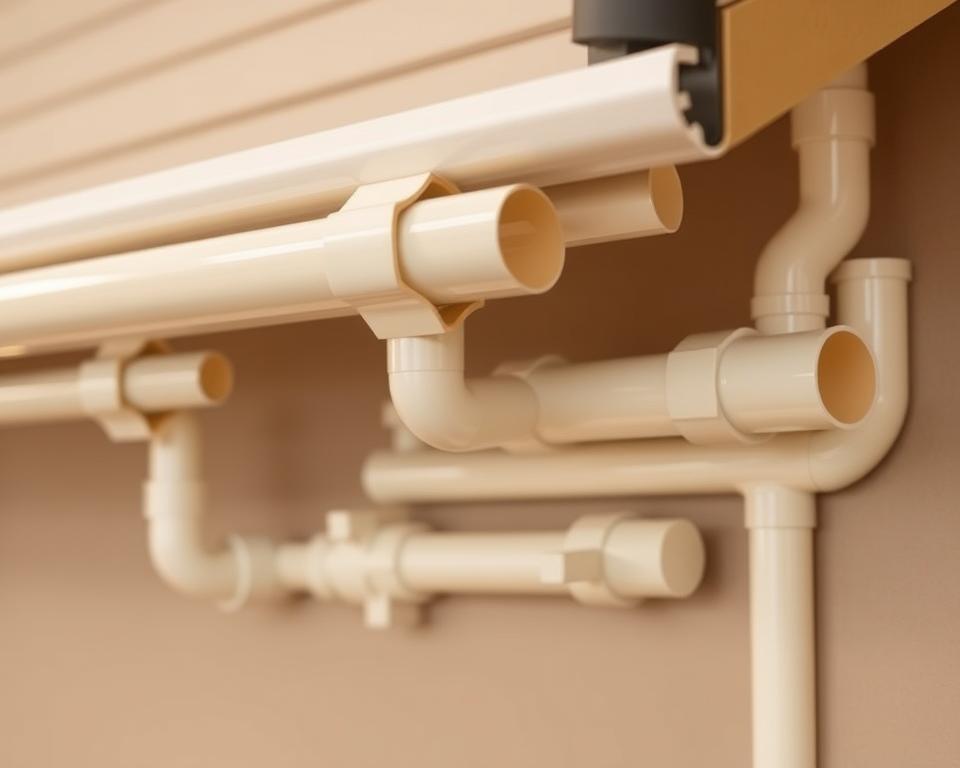
PVC guttering represents the most popular choice for shed installations across the UK. This lightweight plastic material offers excellent value for money whilst providing reliable water drainage. PVC systems resist corrosion completely, making them ideal for coastal areas where salt air can damage metal alternatives.
The installation process proves remarkably straightforward with PVC guttering. Most systems feature snap-fit connections that eliminate the need for specialised tools or professional expertise. Homeowners can typically complete installation within a single afternoon using basic DIY skills.
However, PVC guttering does present some limitations. Extreme temperature fluctuations can cause expansion and contraction, potentially leading to joint failures over time. Additionally, prolonged UV exposure may cause discolouration, particularly with white systems that gradually develop a yellowish tint.
Aluminium Guttering Options
Aluminium gutters offer superior durability compared to plastic alternatives whilst maintaining reasonable affordability. This lightweight metal resists rust naturally and handles temperature variations without significant expansion issues. Professional-grade aluminium systems can last 20-30 years with minimal maintenance.
The aesthetic appeal of aluminium gutters makes them particularly suitable for contemporary shed designs. Available in numerous powder-coated finishes, these systems complement modern garden architecture beautifully. Popular colours include anthracite grey, white, and brown to match various roofing materials.
Installation requires slightly more skill than PVC systems due to the need for precise cutting and sealing. However, the improved longevity and appearance often justify the additional effort. Aluminium gutters also handle heavy rainfall more effectively than plastic alternatives.
Cast Iron and Steel Alternatives
Traditional cast iron and steel guttering systems provide unmatched durability and classic appeal. These materials suit period properties or sheds designed to complement heritage buildings. Properly maintained cast iron gutters can function effectively for over 50 years.
Steel guttering offers similar longevity with reduced weight compared to cast iron. Modern galvanised and powder-coated steel systems resist corrosion effectively whilst maintaining the traditional appearance. Both materials handle extreme weather conditions exceptionally well.
“Cast iron guttering remains the gold standard for longevity and weather resistance, though it requires regular maintenance to prevent rust formation.”
The primary drawbacks include higher initial costs and increased installation complexity. These systems require robust bracket support due to their weight, particularly when filled with rainwater. Regular painting or treatment prevents rust development in steel systems.
Mini Guttering for Small Sheds
Compact garden buildings benefit from specially designed mini guttering systems. These scaled-down versions provide effective drainage without overwhelming smaller structures visually. Mini systems typically measure 75-100mm in width compared to standard 112mm domestic guttering.
Most mini guttering uses PVC construction for lightweight installation and cost-effectiveness. The reduced profile suits potting sheds, tool stores, and compact garden offices perfectly. These systems prove particularly effective for buildings under 3 metres in length.
Installation follows similar principles to full-size systems but requires fewer brackets and shorter downpipe runs. The reduced water capacity means more frequent cleaning may be necessary in areas with heavy leaf fall or debris accumulation.
| Material Type | Lifespan | Cost Range | Maintenance Level | Weather Resistance |
|---|---|---|---|---|
| PVC Guttering | 10-15 years | £15-30 per metre | Low | Good |
| Aluminium Gutters | 20-30 years | £25-45 per metre | Low to Medium | Excellent |
| Cast Iron/Steel | 30-50 years | £40-80 per metre | Medium to High | Excellent |
| Mini Systems | 8-12 years | £12-25 per metre | Low | Good |
Consider your shed’s size, local climate conditions, and long-term maintenance preferences when selecting guttering materials. The initial investment in quality materials often proves economical through reduced replacement and repair costs over time.
Preparing Your Shed for Gutter Installation
Thorough preparation forms the foundation of any successful gutter installation project. Taking time to properly prepare your shed roof and surrounding areas ensures your guttering system will function effectively for years to come. This crucial stage involves cleaning, inspecting, and marking precise installation points that will support your new gutters securely.
Skipping preparation steps often leads to installation problems and premature gutter failure. Professional installers always emphasise the importance of this phase, as it determines the longevity and performance of your entire system.
“Proper preparation prevents poor performance. A well-prepared installation site is half the battle won in any guttering project.”
Cleaning and Inspecting the Roof Edge
Start by thoroughly cleaning the entire roof edge where your gutters will attach. Remove all debris, including leaves, moss, dirt, and any old fixings from previous guttering systems. Use a stiff brush to scrub away stubborn moss growth and accumulated grime.
Pay particular attention to the junction between the roof covering and the edge. Water damage often occurs in these areas, so inspect carefully for any signs of rot or deterioration. Clean gutters require a clean foundation, so don’t rush this essential step.
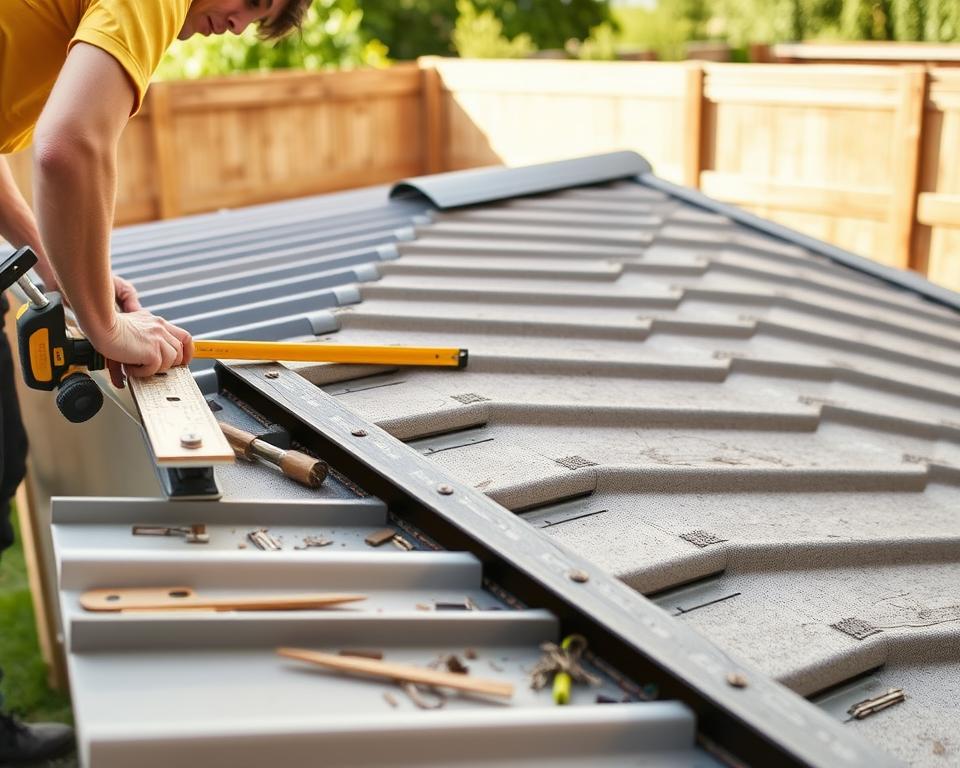
Check the roof edge alignment using a straight edge or string line. Any significant dips or irregularities will affect your gutter’s performance and may require correction before proceeding with installation.
Checking Fascia Board Condition
The fascia board provides the primary mounting surface for your guttering brackets. Examine the entire length of the fascia board for signs of damage, including cracks, rot, or loose sections. A compromised fascia board cannot adequately support the weight of gutters filled with rainwater.
Test the fascia board’s structural integrity by gently pressing along its length. Soft spots or areas that flex excessively indicate potential problems that need addressing. Replace any damaged sections before installing brackets, as repairs become much more difficult once gutters are fitted.
Measure the fascia board’s thickness and width to ensure your chosen brackets will fit properly. Most standard brackets accommodate fascia boards between 18mm and 25mm thick, but always verify compatibility before purchasing materials.
Marking Installation Points
Accurate marking of bracket positions ensures proper gutter alignment and adequate support. Start by determining the highest point of your gutter run, typically at the end furthest from your planned downpipe location. Mark this point clearly with a pencil.
Calculate the required fall (typically 1:600 or approximately 2mm per metre) and mark the lowest point accordingly. Use a chalk line or laser level to establish a straight reference line between these points, ensuring consistent gradient throughout the gutter run.
| Gutter Length | Recommended Fall | Bracket Spacing | Number of Brackets Required |
|---|---|---|---|
| 3 metres | 5mm | 600mm centres | 6 brackets |
| 5 metres | 8mm | 600mm centres | 9 brackets |
| 8 metres | 13mm | 600mm centres | 14 brackets |
| 10 metres | 17mm | 600mm centres | 17 brackets |
Mark bracket positions at regular intervals, typically every 600mm for PVC guttering systems. Use a measuring tape and square to ensure each mark is perfectly positioned and perpendicular to the fascia board edge. Double-check all measurements before proceeding to the installation phase.
How to Fit Guttering on a Shed: Step-by-Step Installation
Installing guttering on your shed requires methodical attention to detail and precise measurements. This DIY gutter fitting process transforms your preparation work into a functional water management system. Each step builds upon the previous one, creating a seamless installation that will protect your shed for years to come.
The installation process involves four critical stages that must be completed in the correct order. Rushing through any step can compromise the entire system’s effectiveness. Take your time and double-check each measurement before securing any components permanently.
Step 1: Installing the Gutter Brackets
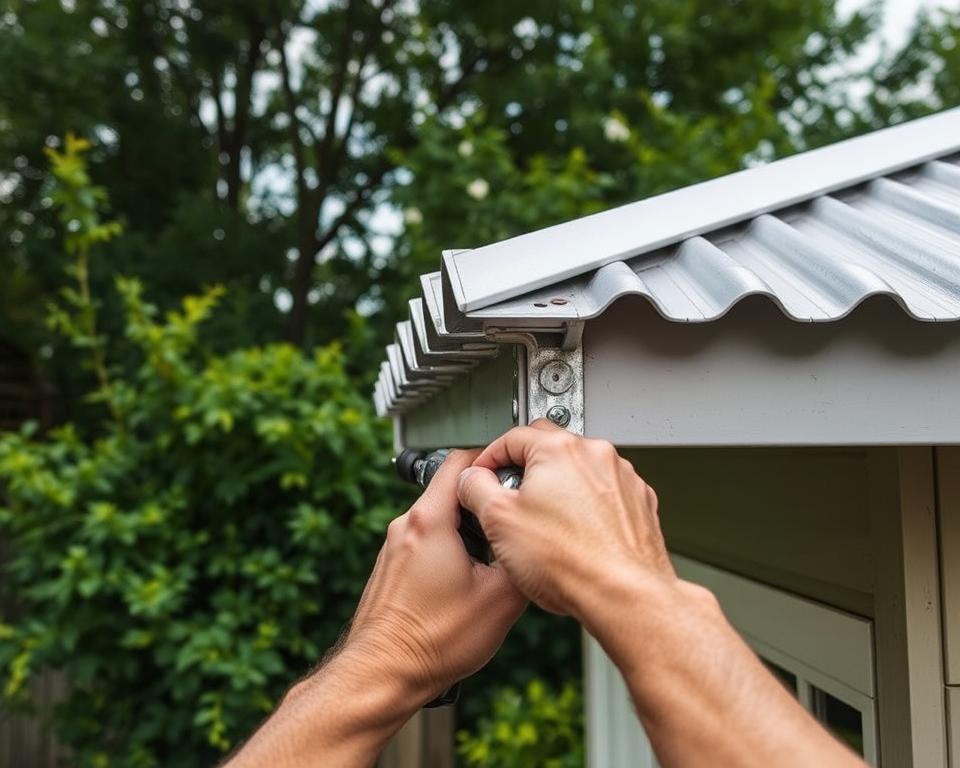
Gutter brackets form the foundation of your entire guttering system. Start by positioning your first bracket at the highest point of your planned gutter run. This bracket should be located approximately 150mm from the corner of your shed.
Mark the screw holes using a pencil and drill pilot holes to prevent the fascia board from splitting. Most brackets require two screws, positioned vertically to distribute the weight evenly. Ensure each bracket sits flush against the fascia board before tightening the screws completely.
Space subsequent brackets at intervals of 600mm to 1000mm, depending on your gutter system’s specifications. Never exceed the manufacturer’s recommended spacing, as this can lead to sagging and potential failure during heavy rainfall.
Step 2: Setting the Correct Fall
The fall, or gradient, ensures water flows efficiently towards your downpipe outlet. Calculate a fall of 1mm for every 600mm of gutter length as your starting point. This DIY gutter fitting technique prevents water pooling and ensures proper drainage.
Use a string line stretched between your first and last brackets to maintain consistent fall. Check the gradient with a spirit level, adjusting bracket positions as needed. The fall should be subtle but noticeable when viewed from the side.
Mark the correct height for each intermediate bracket along your string line. This systematic approach eliminates guesswork and ensures professional results. Double-check your measurements before drilling any additional holes.
Step 3: Fitting the Gutter Sections
Begin fitting gutter sections starting from the outlet end and working towards the stop end. Most guttering systems feature a simple clip-in mechanism that secures the gutter to the brackets. Listen for the distinctive click that confirms proper seating.
Support each gutter section whilst positioning to prevent damage to the brackets or fascia board. The gutter should sit level within each bracket, with no tilting or twisting. This DIY gutter fitting stage requires patience and careful handling.
Check that each section aligns properly with adjacent pieces before moving to the next. Misaligned sections create weak points that can fail under load. Take time to ensure perfect alignment at this stage rather than attempting corrections later.
Step 4: Connecting Gutter Joints
Gutter joints require careful sealing to prevent leaks and ensure long-term reliability. Clean both surfaces thoroughly before applying any sealant or joining compound. Remove any debris, dust, or moisture that could compromise the seal.
Apply a continuous bead of weatherproof sealant along the joint surfaces. Most gutter brackets systems include specific joining pieces designed to overlap and secure adjacent sections. Follow the manufacturer’s instructions precisely for your chosen system.
Press the sections together firmly and wipe away excess sealant immediately. Allow the recommended curing time before testing the system with water. Proper joint sealing is crucial for preventing costly water damage to your shed’s structure.
| Installation Component | Spacing/Measurement | Tools Required | Critical Points |
|---|---|---|---|
| Gutter Brackets | 600mm-1000mm intervals | Drill, screws, spirit level | Must be level and secure |
| Fall Gradient | 1mm per 600mm length | String line, measuring tape | Consistent slope essential |
| Gutter Sections | Standard lengths vary | Hacksaw, file, gloves | Accurate cutting required |
| Joint Connections | Overlap as specified | Sealant, cleaning cloth | Complete seal vital |
Once all sections are installed and joints sealed, conduct a visual inspection of the entire system. Check that all gutter brackets remain secure and that the fall appears consistent along the full length. Your DIY gutter fitting project is now ready for the next phase of installation.
Installing Downpipes and Outlets
Downpipes channel rainwater from your gutters to safe drainage points around your property. This vertical component of your gutter system requires careful planning and precise installation. The success of your entire drainage setup depends on proper downpipe positioning and secure mounting.
Your shed’s height, surrounding landscape, and drainage requirements all influence downpipe placement. Consider both practical access for maintenance and aesthetic appeal when planning your installation.
Positioning the Outlet
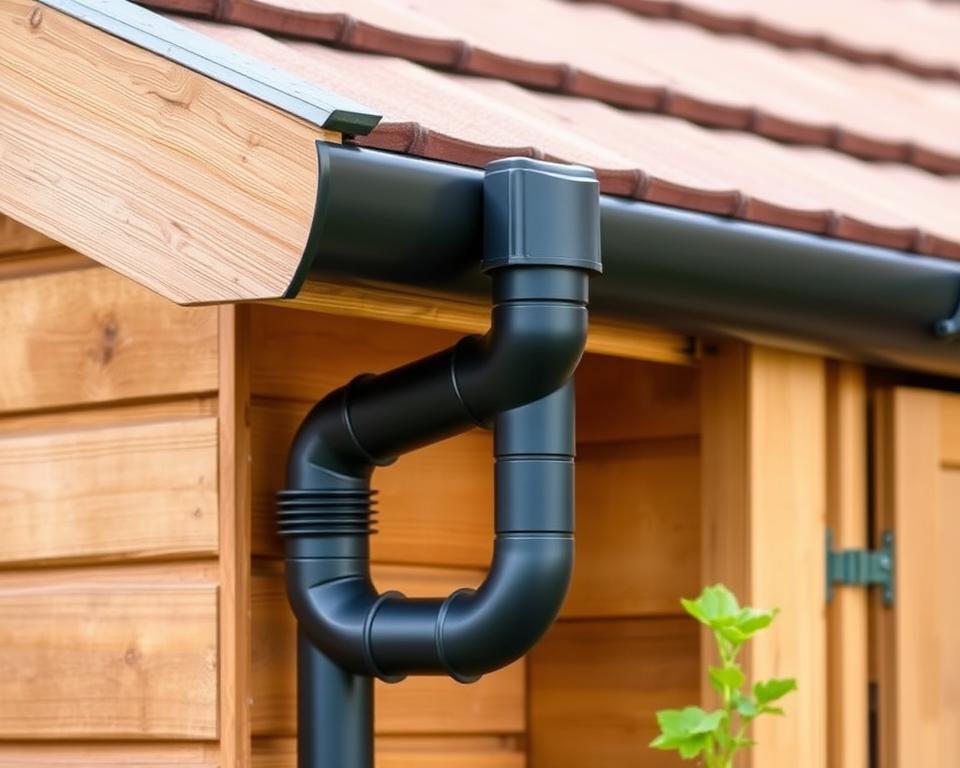
The outlet connects your gutter to the downpipe and determines water flow efficiency. Position outlets at the lowest point of your gutter run for optimal drainage. Most sheds require outlets at corners where two roof sections meet.
Mark the outlet position 50mm from the gutter end to allow for proper water collection. Use a spirit level to ensure the outlet aligns perfectly with your planned downpipe route. The outlet should sit flush against the gutter bottom without gaps.
Cut the circular hole using a hole saw attachment, making it slightly smaller than the outlet diameter. This creates a tight fit that prevents leaks. Test-fit the outlet before applying sealant around the edges.
Securing Downpipe Brackets
Downpipe brackets must support the weight of water-filled pipes during heavy rainfall. Space brackets every 1.8 metres on standard downpipes to prevent sagging. For mini guttering systems, reduce spacing to 1.2 metres.
Mark bracket positions using a plumb line from the outlet. This ensures your downpipe runs perfectly vertical. Use appropriate fixings for your shed wall material – masonry bolts for concrete, coach screws for timber.
| Wall Material | Fixing Type | Bracket Spacing | Load Capacity |
|---|---|---|---|
| Timber Frame | Coach Screws | 1.2m | 25kg per bracket |
| Brick/Block | Masonry Bolts | 1.8m | 35kg per bracket |
| Metal Cladding | Self-Drilling Screws | 1.0m | 20kg per bracket |
| Concrete Panel | Chemical Anchors | 1.8m | 40kg per bracket |
Check each bracket is level and securely fastened before proceeding. Loose brackets will cause noise and potential damage during storms.
Connecting Downpipe Sections
Standard downpipes come in 2-metre lengths that require joining for taller sheds. Start installation from the top, working downwards. The upper section fits inside the outlet with a 10mm overlap for secure connection.
Push-fit joints create watertight seals without additional tools. Ensure each joint overlaps by at least 50mm. The socket end always faces upwards to prevent water leakage.
For sheds over 4 metres high, include an offset bend to move the downpipe away from foot traffic areas. Position bends 300mm above ground level to allow easy cleaning access. Direct the final section towards your chosen drainage point or water collection system.
Test each connection by pouring water through the gutter system. Watch for leaks at joints and adjust as necessary. Properly connected downpipes should handle heavy rainfall without overflow or structural stress.
Fitting End Caps and Stop Ends
Professional-looking guttering depends on properly fitted end caps and stop ends that prevent water escape. These finishing components transform your shed guttering from a functional system into a polished installation that rivals professional work.
The quality of your end caps and stop ends directly affects both appearance and performance. Poor fitting leads to unsightly gaps and potential water damage. Taking time with these final details ensures your gutter installation looks professional and functions perfectly.
Measuring and Cutting to Size
Accurate measurement forms the foundation of perfect end cap fitting. Start by measuring the internal width of your gutter channel using a steel tape measure. Record this measurement precisely, as even small errors create visible gaps.
Mark your cutting line on the gutter section using a pencil and straight edge. Sharp, clean cuts are essential for professional results. Use a fine-toothed hacksaw for PVC guttering, maintaining steady pressure throughout the cut.
For aluminium systems, metal cutting snips provide cleaner edges than saws. Support the gutter section firmly whilst cutting to prevent distortion. Remove any burrs immediately with fine sandpaper to ensure smooth fitting.
- Double-check measurements before cutting
- Use appropriate cutting tools for your gutter material
- File or sand cut edges smooth
- Test fit before applying sealant
Sealing Techniques
Proper sealing prevents water leakage and extends your guttering system’s lifespan. Choose the right sealant for your gutter material – silicone sealant works excellently for most shed guttering applications.
Clean both surfaces thoroughly before applying sealant. Remove dirt, debris, and any old sealant residue. Dry surfaces ensure maximum adhesion and create lasting seals.
Apply sealant in a continuous bead along the contact surfaces. Press the end cap firmly into position, allowing slight sealant squeeze-out. This indicates proper coverage and compression.
Smooth excess sealant immediately using a damp cloth or your finger. This creates a neat finish and prevents dirt accumulation. Allow full curing time before exposing to water.
For stop ends on gutter runs, apply sealant generously to prevent any water seepage. The stop end bears significant water pressure during heavy rainfall, making thorough sealing crucial.
Your completed gutter installation should show no visible gaps or rough edges. Professional-quality finishing reflects attention to detail and ensures years of reliable performance from your shed’s drainage system.
Common Installation Mistakes to Avoid
Learning from common installation errors will save you both time and money on your shed guttering project. Many DIY enthusiasts make preventable mistakes that can lead to water damage, system failure, and costly repairs. Understanding these pitfalls before you begin ensures your guttering performs effectively for years to come.
Professional installers see the same errors repeatedly, particularly among first-time fitters. By recognising these common problems early, you can take steps to avoid them entirely. Proper preparation and attention to detail make the difference between a successful installation and one that requires immediate correction.
Incorrect Fall Calculations
Getting the gradient wrong is perhaps the most frequent mistake in shed guttering installations. Many people assume a steeper fall is better, but this creates problems. Too steep a gradient causes water to rush past the downpipe outlet, leading to overflow during heavy rainfall.
The correct fall should be approximately 1:600, meaning just 1mm drop for every 600mm of gutter run. Use a spirit level and measuring tape to check this carefully. Mark your bracket positions before fixing them permanently to ensure consistent fall calculations throughout the entire system.
Poor Bracket Spacing
Inadequate bracket spacing leads to sagging gutters and potential system failure. Standard brackets should be positioned every 600mm to 800mm along the gutter run. Closer spacing provides better support and prevents the characteristic drooping that occurs with insufficient brackets.
Consider your local weather conditions when determining bracket spacing. Areas with heavy snowfall require closer bracket positioning to handle additional weight. Always check manufacturer recommendations for your specific gutter system, as different materials have varying support requirements.
Inadequate Sealing
Poor sealing at joints and connections causes the majority of gutter leaks. Many installers rush this crucial step or use inappropriate sealants. Butyl rubber sealant provides the most reliable waterproof seal for most gutter systems, whilst silicone can fail over time.
Apply sealant generously to all joint surfaces before assembly. Clean any excess immediately to maintain a professional appearance. Remember that proper sealing extends beyond just the gutters – outlet connections and end cap fittings require equal attention to prevent water ingress.
Improper Downpipe Positioning
Positioning downpipes incorrectly creates drainage problems and affects the entire system’s efficiency. The downpipe should connect at the lowest point of your gutter run. Multiple downpipes may be necessary for longer shed roofs to ensure adequate water removal.
Consider where the water will flow after leaving the downpipe. Position outlets away from pathways, foundations, and neighbouring properties. Ensure adequate clearance from walls and obstacles that might impede installation tools during maintenance. Poor downpipe positioning often requires costly repositioning work later.
Avoiding these common mistakes ensures your shed guttering system functions properly from day one. Take time during installation to double-check measurements, bracket positions, and sealing quality. Proper gutter maintenance begins with correct installation, setting the foundation for years of reliable performance.
Testing Your New Gutter System
Testing your newly installed guttering system is the crucial final step that determines whether your shed will receive proper water damage prevention. This comprehensive evaluation process ensures every component functions correctly before the first rainfall arrives. A systematic approach to testing identifies potential issues early, saving you from costly repairs and water damage later.
Professional installers always conduct thorough testing, and DIY enthusiasts should follow the same rigorous standards. The testing process involves three key areas: visual inspection, water flow assessment, and leak detection. Each element plays a vital role in confirming your installation meets performance expectations.
Visual Inspection Checklist
Begin your assessment with a detailed visual examination of the entire gutter system. This inspection catches obvious problems before water testing begins. Work systematically from one end of the installation to the other, checking each component carefully.
Start by examining all bracket connections. Each bracket should sit firmly against the fascia board with no gaps or movement. Loose brackets will cause sagging and poor water flow, so test each one by applying gentle pressure.
Check that gutter sections align properly at joints. Misaligned sections create weak points where leaks commonly develop. The gutter should maintain a consistent fall towards the outlet, with no reverse slopes or flat areas where water might pool.
| Component | What to Check | Warning Signs | Action Required |
|---|---|---|---|
| Brackets | Secure fixing, level alignment | Movement, gaps, rust | Retighten or replace |
| Gutter Joints | Proper sealing, alignment | Gaps, misalignment | Reseal or adjust |
| End Caps | Tight fit, no gaps | Loose fitting, cracks | Replace or reseal |
| Downpipe | Vertical alignment, secure fixing | Bowing, loose brackets | Adjust or add brackets |
Water Flow Testing
Water flow testing provides the most accurate assessment of your installation’s performance. Use a garden hose to simulate rainfall and observe how water moves through the system. This practical test reveals problems that visual inspection might miss.
Position your hose at the highest point of the gutter, away from the outlet. Start with a gentle flow that mimics light rain, then gradually increase the volume to simulate heavy downpours. Proper water flow should be smooth and consistent, with no pooling or overflow.
Watch carefully as water travels along the gutter length. It should flow steadily towards the outlet without hesitation or backup. Any areas where water moves slowly or stops indicate insufficient fall or blockages that need attention.
The key to effective gutter testing is patience. Allow sufficient time for water to reach all sections and reveal any flow problems that might not be immediately obvious.
Test different flow rates to ensure your system handles various weather conditions. Light flow tests basic functionality, while heavy flow simulates storm conditions. Your guttering should manage both scenarios without overflow or backup.
Leak Detection
Leak detection requires careful observation during water flow testing. Even small leaks can cause significant damage over time, making thorough detection essential for effective water damage prevention. Focus on areas where components connect, as these represent the most common leak points.
Examine all joint connections while water flows through the system. Look for any moisture appearing outside the gutter channel. Even tiny drips indicate seal failure that requires immediate attention before the problem worsens.
Pay special attention to the outlet connection where the gutter meets the downpipe. This junction experiences significant stress and often develops leaks if not properly sealed. Water should flow cleanly into the downpipe without any external dripping.
Check end caps thoroughly, as these components frequently develop leaks due to thermal expansion and contraction. Run water to the end cap and observe for several minutes, as some leaks only appear under sustained water pressure.
Document any issues you discover during testing. Take photographs of problem areas and note their exact locations. This documentation helps when purchasing repair materials or seeking professional assistance if needed.
Maintenance and Seasonal Care
Regular care and maintenance keep your shed gutters functioning at peak performance throughout all seasons. A well-planned gutter maintenance routine prevents blockages, extends system lifespan, and ensures continued protection for your shed. By following seasonal care guidelines, you’ll avoid costly repairs and maintain optimal water flow year-round.
Proper maintenance involves three key elements: regular cleaning, seasonal preparation, and thorough annual inspections. Each component plays a vital role in preserving your guttering investment and preventing water damage to your shed structure.
Regular Cleaning Schedule
Establish a consistent cleaning routine to prevent debris accumulation and maintain proper water flow. Gutter cleaning should occur at least twice yearly, typically in late spring and early autumn when leaf fall is heaviest.
Use a sturdy ladder and wear safety gloves when removing leaves, twigs, and accumulated sediment. A small hand trowel or gutter scoop makes debris removal more efficient. Flush the system with a garden hose to check water flow and identify any remaining blockages.
For sheds near overhanging trees, monthly inspections during autumn prevent severe blockages. Clear downpipes by running water from the top and using a plumber’s snake for stubborn obstructions.
Winter Preparation
Prepare your guttering system for winter conditions to prevent freeze damage and ice-related problems. Remove all debris before the first frost to ensure proper drainage during winter thaws.
Check that water flows freely towards downpipes, as standing water can freeze and crack gutter sections. Insulate exposed downpipes in areas prone to severe frost using pipe lagging or bubble wrap secured with waterproof tape.
Consider installing gutter guards or leaf screens to minimise debris accumulation during winter months. These protective measures reduce maintenance requirements and prevent ice dam formation.
Annual Inspection Points
Conduct comprehensive annual inspections to identify wear, damage, or alignment issues before they become serious problems. Schedule this detailed gutter maintenance check during dry weather for accurate assessment.
Examine bracket security and tighten any loose fixings that may have worked free over time. Check for signs of sagging, which indicates inadequate support or bracket failure requiring immediate attention.
Inspect joint seals and end caps for deterioration or water leakage. Replace worn rubber seals and reapply sealant where necessary. Look for rust spots on metal guttering or cracks in plastic systems that need repair.
Test the fall gradient by pouring water at the highest point and observing flow speed. Sluggish drainage suggests incorrect angles or partial blockages requiring correction.
Troubleshooting Common Gutter Problems
Even properly installed shed guttering systems can develop issues that need prompt attention. Weather conditions, debris accumulation, and natural wear create problems that require specific repair techniques. Understanding how to diagnose and fix these common issues helps maintain your shed guttering installation effectiveness.
Most gutter problems fall into predictable categories with proven solutions. Quick identification prevents minor issues from becoming costly repairs. This systematic approach to troubleshooting ensures your guttering continues protecting your shed for years to come.
Dealing with Leaks
Leaks represent the most common guttering problem, typically occurring at joints, corners, or damaged sections. Water escaping from your gutter system defeats its primary purpose of directing rainfall away from your shed. Early leak detection prevents water damage to your shed’s foundation and surrounding landscape.
Start by examining all joint connections during dry weather. Look for white mineral deposits or rust stains that indicate previous water escape. These visual clues help pinpoint problem areas before the next rainfall.
Small leaks at joints often respond to fresh sealant application. Clean the area thoroughly, removing old sealant and debris. Apply weatherproof gutter sealant generously, ensuring complete coverage of the joint. Allow adequate drying time before testing with water.
Larger leaks may require joint disassembly and gasket replacement. Remove the affected section carefully, clean all surfaces, and install new rubber seals. Reassemble with proper alignment to prevent future leaking.
Fixing Sagging Gutters
Sagging gutters disrupt proper water flow and create standing water problems. This issue typically results from inadequate bracket support or bracket failure over time. Correcting sag restores proper drainage and prevents overflow situations.
Measure the sag using a string line stretched between end points. Significant deviation indicates areas requiring additional support. Most sagging occurs in long runs without sufficient intermediate brackets.
Install additional brackets at maximum 1-meter intervals along sagging sections. Position new brackets slightly higher than the surrounding gutter to lift the sagged area. Use appropriate fixings for your shed’s construction material.
Sometimes existing brackets loosen or pull away from the fascia board. Tighten loose screws or replace with longer fixings if the original holes have enlarged. Consider upgrading to heavy-duty brackets in areas prone to sagging.
Clearing Blockages
Blocked gutters cause overflow and potential water damage to your shed structure. Leaves, twigs, and debris accumulate naturally, particularly during autumn months. Regular gutter cleaning prevents most blockage problems from developing.
Start blockage removal from the downpipe outlet, working backwards along the gutter run. Remove large debris by hand, wearing protective gloves to avoid injury from sharp objects. Use a small trowel or scoop for stubborn accumulated material.
Flush the system with water from a garden hose to identify remaining blockages. Work from the highest point, allowing water to flow naturally towards the outlet. Persistent blockages may require dismantling sections for thorough cleaning.
Downpipe blockages need special attention as they prevent entire system drainage. Use a plumber’s snake or stiff wire to break up obstructions. Sometimes complete downpipe removal provides the only effective solution for severe blockages.
Replacing Damaged Sections
Severely damaged gutter sections require complete replacement to maintain system integrity. Cracks, holes, or collapsed areas cannot be effectively repaired with temporary measures. Planning replacement work carefully ensures seamless integration with existing guttering.
Measure damaged sections accurately, including any connecting pieces needed. Purchase matching materials to maintain consistent appearance and performance. Consider upgrading to more durable materials if damage resulted from material weakness.
Remove damaged sections by disconnecting joints at both ends. Support adjacent sections to prevent additional damage during removal. Clean connection points thoroughly before installing replacement pieces.
Install new sections with proper fall alignment matching the existing system. Test all new connections for leaks before considering the repair complete. Document replacement work for future maintenance reference.
| Problem Type | Common Causes | Repair Method | Prevention Tips |
|---|---|---|---|
| Joint Leaks | Failed sealant, loose connections | Reseal or replace gaskets | Annual sealant inspection |
| Sagging Gutters | Inadequate brackets, overloading | Add support brackets | Regular gutter cleaning |
| Blockages | Debris accumulation, poor maintenance | Manual removal and flushing | Seasonal cleaning schedule |
| Section Damage | Weather damage, impact, age | Complete section replacement | Regular visual inspections |
Professional assessment becomes necessary when problems persist despite repair attempts. Complex issues involving multiple system components may require expert diagnosis. Knowing when to seek help prevents costly mistakes and ensures proper system function.
Conclusion
Installing guttering on your shed represents a smart investment in protecting your garden building and surrounding landscape. Your DIY gutter fitting project now shields your shed from water damage whilst creating opportunities for effective rainwater collection.
The skills you’ve developed during this installation process extend beyond basic maintenance. You’ve learned to work with brackets, calculate proper falls, and create watertight seals. These techniques apply to numerous other garden projects.
Your new gutter system requires minimal ongoing attention. Regular cleaning and seasonal inspections will keep water flowing smoothly for years ahead. The protection you’ve provided prevents costly repairs to fascia boards, foundations, and paintwork.
Consider connecting a water butt to your downpipe outlet. This simple addition transforms your guttering into an efficient rainwater collection system, reducing water bills whilst providing chemical-free irrigation for your plants.
The satisfaction of completing practical improvements to your garden space builds confidence for tackling larger projects. Whether installing guttering on other buildings or upgrading drainage systems, you now possess fundamental skills that serve multiple purposes.
Your shed stands better protected against British weather conditions. The investment in time and materials pays dividends through extended building life and reduced maintenance requirements.
FAQ
What size guttering do I need for my shed?
For most garden sheds, half-round guttering measuring 112mm is perfectly adequate. However, if your shed has a particularly large roof area (over 30 square metres) or you live in an area with heavy rainfall, you might want to consider 125mm guttering. Mini guttering systems (around 76mm) work brilliantly for smaller sheds and summerhouses, providing effective drainage without overwhelming the structure’s proportions.
How much fall should I create in my shed guttering?
You should aim for a fall of approximately 1:600, which translates to roughly 1.5mm drop per metre of guttering length. This gentle gradient ensures water flows efficiently towards the downpipe without being too steep, which could cause water to overshoot joints during heavy rainfall. Use a spirit level and measuring tape to achieve this precise angle.
Can I install guttering on a shed without fascia boards?
Whilst it’s possible, it’s not recommended for a professional finish. If your shed lacks proper fascia boards, you’ll need to install a suitable mounting surface first. This could involve adding a timber batten along the roof edge or fitting a proper fascia board. This extra step ensures your brackets have adequate support and your guttering system will remain secure over time.
What’s the ideal spacing between gutter brackets?
Gutter brackets should be spaced no more than 1 metre apart for PVC systems, and slightly closer (around 800mm) for heavier materials like cast iron. Always place brackets within 150mm of any joints, corners, or outlets. This spacing ensures your guttering remains properly supported even when full of water during heavy downpours.
Should I use PVC or aluminium guttering for my shed?
PVC guttering is the most popular choice for sheds due to its affordability, lightweight nature, and ease of installation. It’s also maintenance-free and won’t rust. Aluminium guttering offers greater durability and a more premium appearance but costs more and requires more careful handling during installation. For most garden sheds, PVC provides excellent value and performance.
How do I prevent my shed guttering from freezing in winter?
Ensure your guttering maintains proper fall so water doesn’t pool and freeze. Clear all debris before winter arrives, as blockages can cause water to back up and freeze. Consider installing gutter guards to prevent leaf accumulation. If you live in an area prone to severe frosts, you might want to disconnect and drain any water butts connected to your downpipes during the coldest months.
Can I connect my shed guttering to a water butt?
Absolutely! Connecting a water butt to your shed guttering is an excellent way to collect rainwater for garden use. You’ll need a downpipe diverter kit, which allows you to direct water into your butt whilst providing overflow protection when it’s full. Position your water butt on a stable, level base and ensure the connection is secure to prevent leaks.
What tools do I need to install shed guttering?
Essential tools include a drill with masonry and wood bits, spirit level, measuring tape, hacksaw or angle grinder (for cutting), screwdrivers, and a ladder. You’ll also need safety equipment like gloves and safety glasses. Most importantly, ensure your ladder is stable and positioned safely – consider having someone spot you whilst working at height.
How often should I clean my shed gutters?
Clean your shed gutters at least twice yearly – once in late autumn after leaves have fallen and again in early spring before the heaviest rainfall season. If your shed is positioned under or near trees, you may need to clean them more frequently. Regular cleaning prevents blockages that could cause overflow and potential damage to your shed’s structure.
What should I do if my guttering starts to sag?
Sagging usually indicates insufficient bracket support or loose fixings. First, check all existing brackets are secure and properly fastened. If the problem persists, you’ll likely need to install additional brackets to provide better support. Ensure any new brackets maintain the correct fall angle and are positioned no more than 1 metre apart.
Can I repair a leak in my shed guttering myself?
Most gutter leaks are easily repairable with the right materials. For small cracks or holes, use appropriate gutter sealant or repair paste. Joint leaks often require replacing the rubber seals or applying fresh sealant. Larger damage may require cutting out the affected section and installing a new piece. Always clean the area thoroughly before applying any repairs for the best results.
Is it worth fitting guttering to a small garden shed?
Even small sheds benefit enormously from proper guttering. Water damage doesn’t discriminate by size – a small shed can suffer just as much structural damage from uncontrolled rainwater as a larger building. Mini guttering systems are specifically designed for smaller structures and provide excellent protection whilst maintaining proportional aesthetics. The investment in guttering will extend your shed’s lifespan significantly.