Log Cabin Ventilation: A Complete Guide to Fresh Air
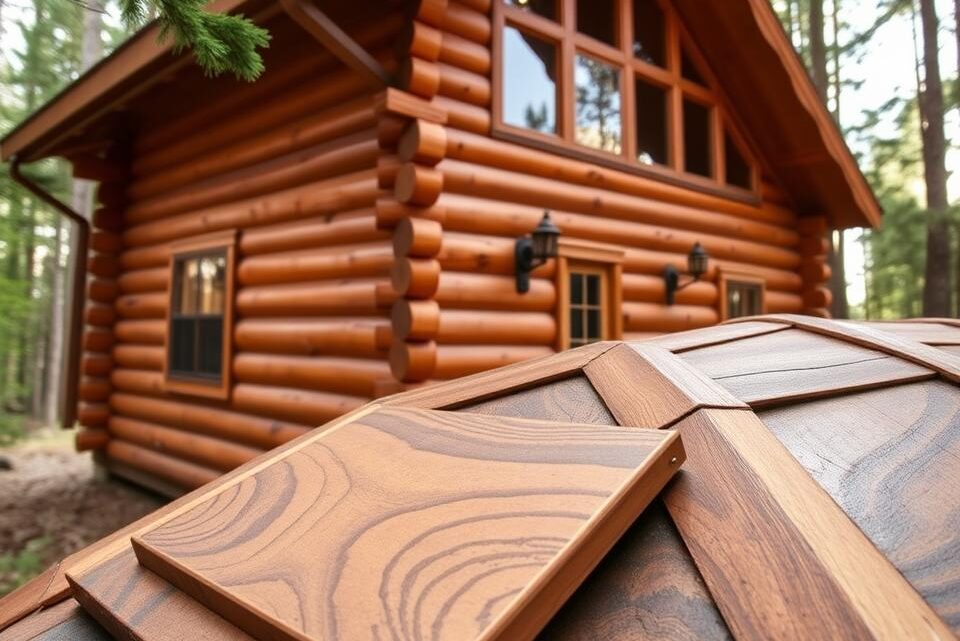
Creating a healthy living environment in a log cabin starts with understanding log cabin ventilation. Proper air circulation is crucial for maintaining exceptional cabin air quality and ensuring a comfortable living space. Breathing clean, fresh air impacts not just comfort but overall well-being.
Log cabins present unique challenges for ventilation due to their wooden construction and potential for moisture retention. Effective fresh air strategies can transform your cabin from a potentially stuffy space into a breathable sanctuary that supports your health and preserves the structural integrity of your wooden retreat.
Effective cabin air quality management requires strategic planning and understanding of airflow dynamics. This comprehensive guide will explore essential ventilation techniques, helping you create an optimal living environment that balances comfort, health, and structural preservation.
Inhaltsverzeichnis
Key Takeaways
- Ventilation is critical for log cabin health and comfort
- Proper air circulation prevents moisture-related issues
- Different seasons require unique ventilation approaches
- Strategic airflow management protects wooden structures
- Healthy indoor environments start with intelligent ventilation
Understanding the Importance of Proper Ventilation in Log Cabins
Creating a healthy living environment in log cabins requires careful attention to proper ventilation. Log cabin air quality directly impacts the comfort and well-being of residents, making it crucial to understand the intricate relationship between airflow and indoor living conditions.
Ventilation goes beyond simply moving air around. It’s a critical system that maintains the structural integrity of your log cabin while ensuring a comfortable and healthy living space.
Health Benefits of Well-Ventilated Spaces
Good ventilation provides numerous health advantages for log cabin occupants:
- Reduces indoor air pollutants
- Minimises allergen accumulation
- Prevents respiratory issues
- Supports overall indoor air quality
Preventing Moisture-Related Issues
Moisture control is paramount in log cabin maintenance. Without proper ventilation, wood structures become vulnerable to:
| Moisture Problem | Potential Consequences |
|---|---|
| Mould Growth | Health risks and structural damage |
| Wood Rot | Compromised structural integrity |
| Condensation | Surface degradation and potential wood warping |
Temperature Control and Comfort
Effective ventilation creates a balanced indoor environment. By regulating air circulation, log cabin owners can achieve optimal temperature control, ensuring comfort during various seasonal changes.
Strategic airflow management helps maintain a consistent temperature, reducing the need for excessive heating or cooling and promoting energy efficiency.
Natural vs Mechanical Ventilation Systems
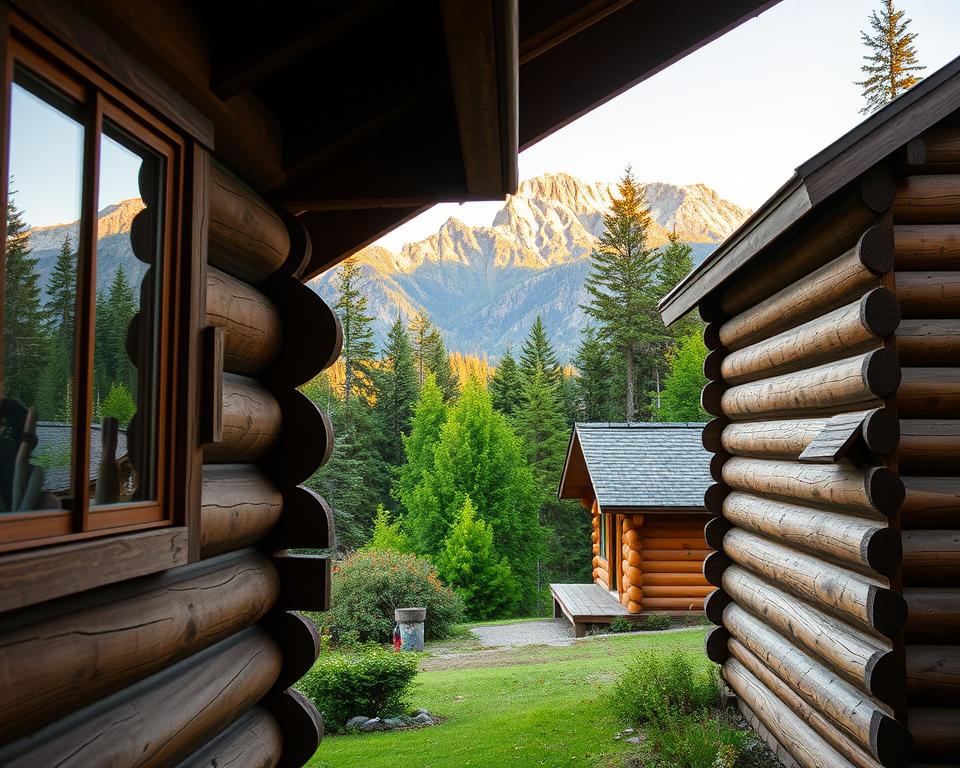
Designing effective log cabin airflow requires understanding the two primary ventilation approaches: natural and mechanical ventilation. Each system offers unique benefits for maintaining air quality and comfort in your wooden sanctuary.
Natural ventilation leverages the log cabin’s architectural design to promote air circulation. This method relies on strategic window placement, strategically positioned openings, and the inherent properties of wood to facilitate airflow. Wind direction, temperature differences, and cabin orientation play crucial roles in maximising natural ventilation.
- Utilises passive air movement
- Cost-effective solution
- Minimal energy consumption
- Works with cabin’s structural design
Mechanical ventilation systems provide a more controlled approach to log cabin airflow. These systems use fans, ducting, and advanced air exchange technologies to regulate indoor air quality precisely. They offer consistent air circulation regardless of external weather conditions.
| Ventilation Type | Advantages | Limitations |
|---|---|---|
| Natural Ventilation | Energy efficient, low cost | Dependent on weather conditions |
| Mechanical Ventilation | Precise air control, consistent performance | Higher installation and operational costs |
Selecting the right ventilation approach depends on your specific log cabin’s characteristics, local climate, and personal preferences. Some homeowners opt for a hybrid system combining both natural and mechanical ventilation to achieve optimal air quality and comfort.
Essential Components of Log Cabin Ventilation
Creating an effective ventilation system in a log cabin requires understanding key ventilation components that work together to maintain air quality and comfort. Proper airflow is crucial for healthy living spaces, preventing moisture buildup and ensuring a pleasant environment.
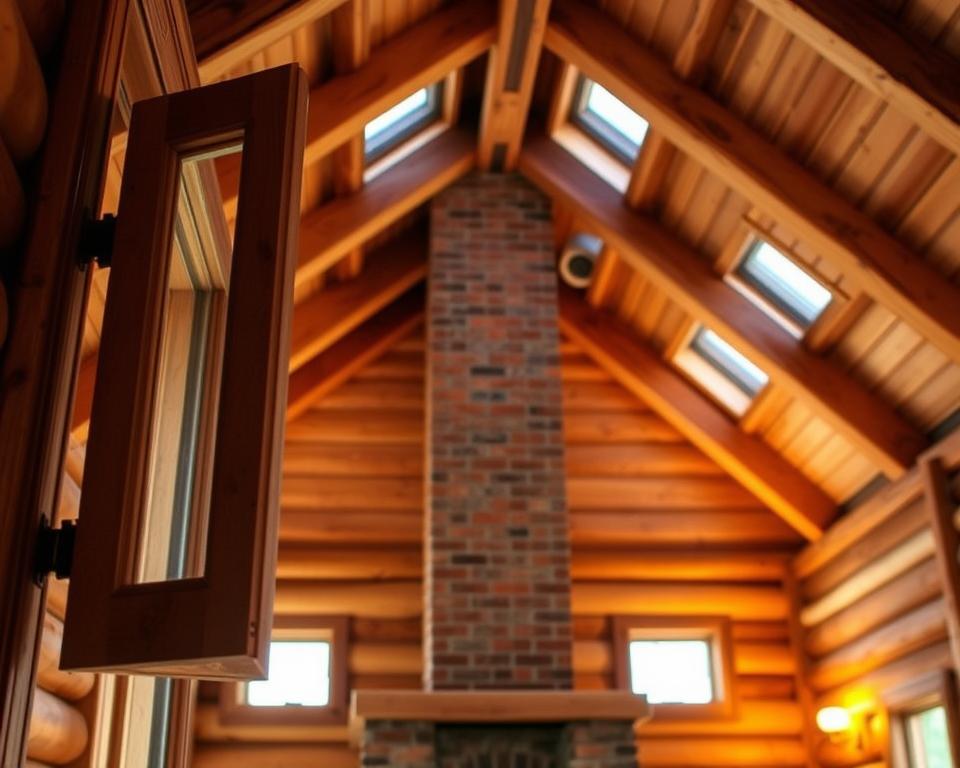
Log cabin ventilation relies on several critical elements that help manage air circulation and moisture control:
Understanding Air Inlets and Outlets
Air inlets are fundamental to creating natural ventilation in log cabins. These strategic openings allow fresh air to enter while pushing stale air out through carefully positioned outlets. Effective air inlets typically include:
- Adjustable wall vents
- Window-based ventilation systems
- Discrete roof-level air entry points
Ventilation Control Mechanisms
Intelligent ventilation controls enable occupants to manage airflow precisely. Modern systems offer digital or manual adjustments that help regulate temperature and humidity levels.
| Control Type | Functionality | Recommended Use |
|---|---|---|
| Manual Sliders | Direct physical adjustment | Small log cabins |
| Digital Sensors | Automated humidity and temperature tracking | Larger living spaces |
| Smart Controls | Remote smartphone management | Modern, tech-integrated cabins |
Moisture Barriers: Protecting Your Cabin
Moisture barriers are essential ventilation components that prevent dampness and protect log cabin structures. Strategic placement of these barriers helps control condensation and potential wood degradation.
Effective moisture management is key to maintaining a healthy and long-lasting log cabin environment.
By integrating these ventilation elements, log cabin owners can create a comfortable, breathable living space that adapts to changing environmental conditions.
Log Cabin Ventilation: Designing Your Airflow Strategy
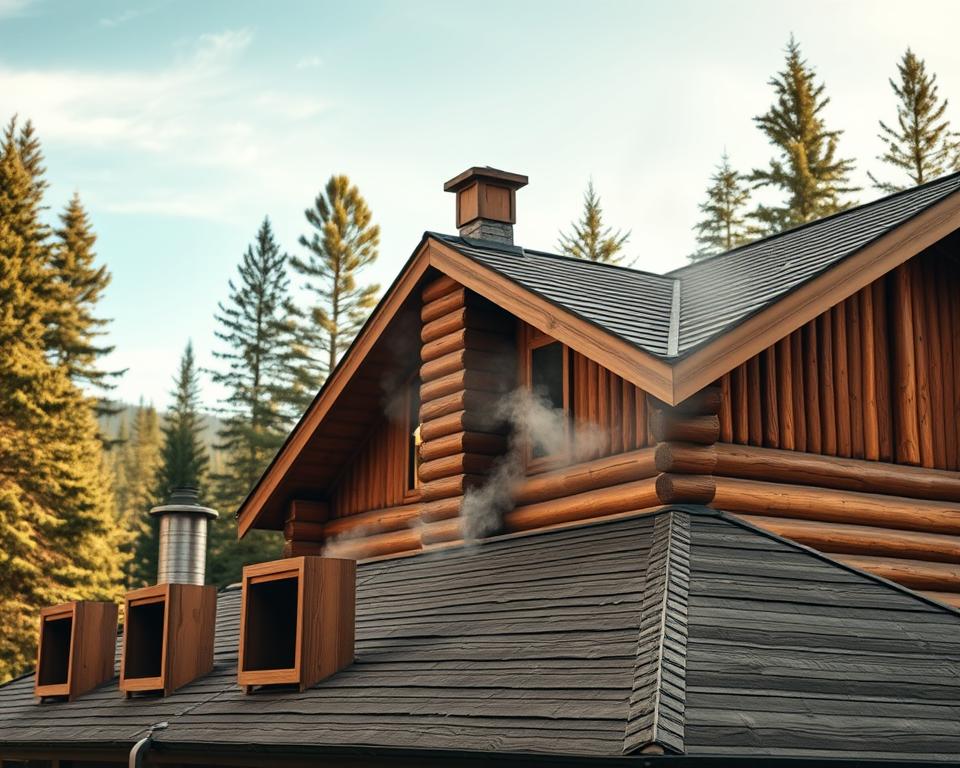
Crafting an effective airflow strategy for your log cabin requires careful planning and understanding of your unique space. Ventilation design is not a one-size-fits-all solution but a personalised approach that considers multiple factors.
When developing a log cabin air circulation plan, start by assessing these key elements:
- Cabin size and layout
- Local climate conditions
- Existing architectural features
- Natural wind patterns
Your airflow strategy should focus on creating balanced ventilation throughout the entire cabin. This means identifying natural air paths and strategically placing windows, doors, and vents to maximise air movement.
Consider these practical ventilation design tips:
- Analyse prevailing wind directions
- Position windows on opposite walls for cross-ventilation
- Use adjustable vents to control airflow
- Implement removable screens to manage insect entry
Remember, effective log cabin air circulation is about working with your space’s natural characteristics rather than fighting against them.
Good ventilation is the breath of life in any log cabin – design it wisely, and your space will feel fresh and inviting.
Seasonal Considerations for Cabin Air Exchange
Ventilation in log cabins is a dynamic process that shifts with the changing seasons. Understanding how to manage seasonal ventilation ensures optimal comfort, air quality, and energy efficiency throughout the year.
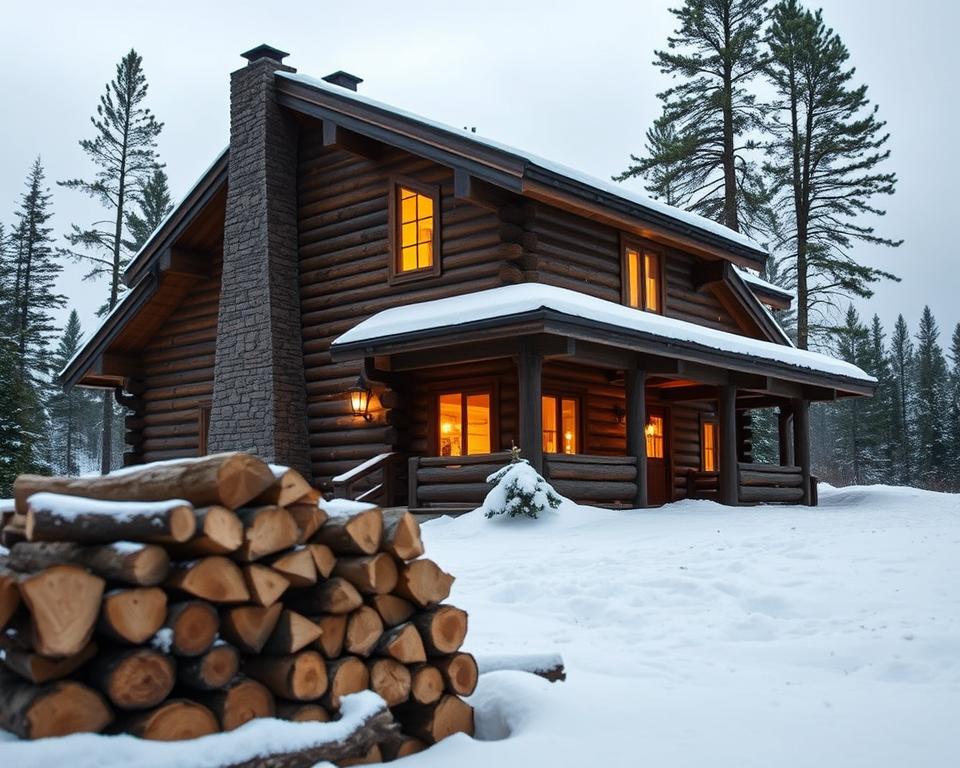
Each season presents unique challenges for maintaining proper air exchange in your log cabin. The goal is to create a balanced approach that adapts to temperature fluctuations, humidity levels, and external environmental conditions.
Summer Cooling Strategies
During summer, effective seasonal ventilation becomes crucial for keeping your log cabin comfortable. Key techniques include:
- Utilising cross-ventilation by opening windows on opposite sides of the cabin
- Installing ceiling fans to enhance air circulation
- Using adjustable window vents for controlled summer cooling
- Implementing shade solutions to reduce heat gain
Winter Air Exchange Methods
Winter ventilation requires a delicate balance between fresh air intake and heat retention. Effective strategies include:
- Using heat recovery ventilation systems
- Implementing draft-proof window designs
- Creating controlled air exchange points
- Minimising condensation through strategic air movement
Transitional Season Adjustments
Spring and autumn demand flexible ventilation approaches. These seasons require nuanced air exchange techniques that account for rapidly changing temperatures and humidity levels.
By understanding and implementing seasonal ventilation techniques, log cabin owners can maintain a comfortable, healthy living environment throughout the year.
Installing Ventilation Features in Your Log Cabin
Ventilation installation is a critical aspect of maintaining a healthy and comfortable log cabin environment. Whether you’re a DIY enthusiast or considering a professional ventilation setup, understanding the right approach can make a significant difference in your cabin’s air quality.
When planning DIY cabin improvements for ventilation, start by assessing your cabin’s specific needs. Different spaces require unique airflow solutions that match their structural characteristics.
- Evaluate existing air circulation patterns
- Identify potential moisture-prone areas
- Measure cabin dimensions for precise ventilation planning
For basic ventilation installation, consider these key components:
- Passive vents near windows and doors
- Extractor fans in high-moisture areas
- Adjustable window mechanisms
Professional ventilation setup becomes crucial when dealing with complex cabin designs or challenging environmental conditions. Skilled technicians can provide comprehensive solutions that integrate seamlessly with your log cabin’s unique structure.
Budget-conscious cabin owners might start with simple DIY cabin improvements like installing window vents or portable dehumidifiers. These initial steps can significantly enhance air circulation without substantial investment.
Proper ventilation isn’t just about comfort—it’s about protecting your log cabin’s structural integrity and your health.
Remember that successful ventilation installation requires careful planning, attention to detail, and sometimes professional expertise to achieve optimal results.
Common Ventilation Problems and Solutions
Log cabin owners frequently encounter ventilation challenges that can compromise indoor air quality and comfort. Understanding these issues is crucial for maintaining a healthy living environment. Effective ventilation troubleshooting requires a strategic approach to identifying and resolving common airflow problems.
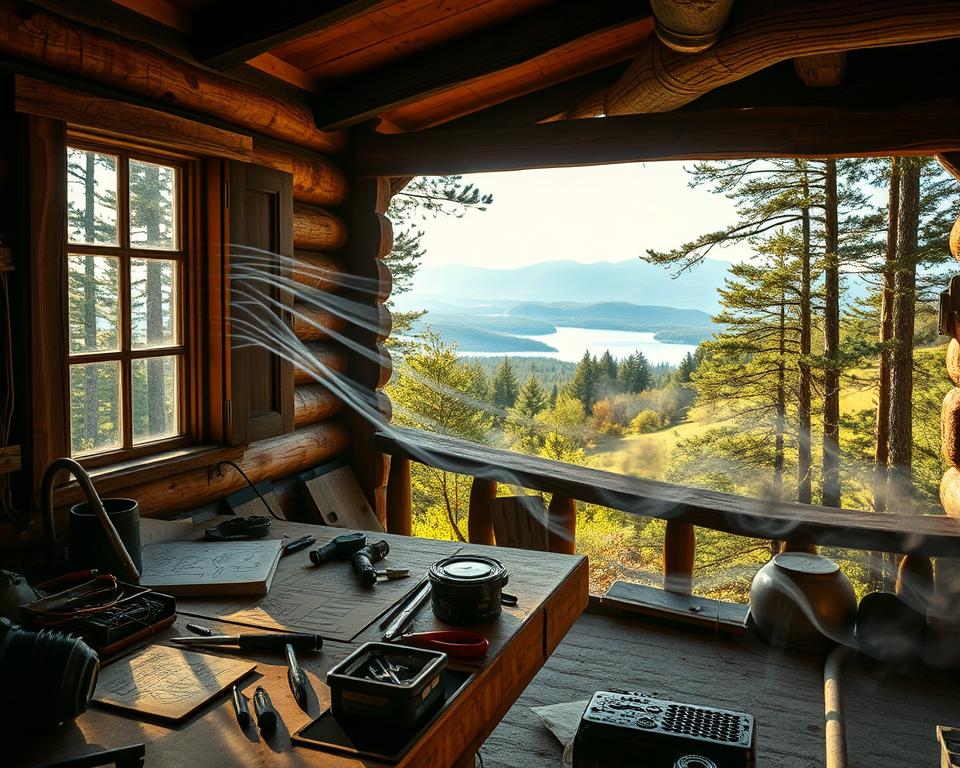
Proper ventilation is essential in log cabins, where air circulation can become particularly challenging due to the unique construction of wooden structures. Recognising and addressing ventilation issues early can prevent more significant problems down the line.
Identifying Poor Airflow
Detecting poor airflow involves recognising specific signs:
- Persistent musty odours
- Uneven room temperatures
- Visible dust accumulation
- Condensation on windows and walls
Dealing with Condensation Control
Condensation can wreak havoc in log cabins, potentially causing significant damage to wooden structures. Effective condensation control involves several key strategies:
| Condensation Problem | Solution Strategy |
|---|---|
| Surface Moisture | Improve air circulation with fans |
| Internal Wall Dampness | Install moisture barriers |
| Window Condensation | Use dehumidifiers |
Resolving Stale Air Solutions
Stale air solutions require a multi-pronged approach to ensure fresh, clean indoor environments. Proper ventilation is not just about airflow—it’s about creating a healthy living space.
- Open windows regularly
- Use mechanical ventilation systems
- Install air exchange units
- Maintain consistent air circulation
By implementing these ventilation troubleshooting techniques, log cabin owners can significantly improve their indoor air quality and create a more comfortable living environment.
Maintaining Your Cabin’s Ventilation System
Proper ventilation maintenance is crucial for keeping your log cabin’s air quality at its best. Regular system upkeep ensures your living space remains fresh, healthy, and comfortable throughout the year.
Regular maintenance of your ventilation system involves several key tasks that can prevent potential issues and extend the system’s lifespan. Air quality management starts with consistent and thoughtful care.
- Clean air vents and filters every three months
- Inspect seals and ductwork for potential leaks
- Check mechanical components for wear and tear
- Test ventilation controls and sensors annually
Neglecting ventilation maintenance can lead to reduced air quality, increased energy consumption, and potential system failures. Prevention is always better than costly repairs.
| Maintenance Task | Frequency | Purpose |
|---|---|---|
| Filter Replacement | Every 3-6 months | Remove dust and allergens |
| Ductwork Inspection | Annually | Prevent air leaks and inefficiencies |
| Mechanical Component Check | Twice yearly | Ensure optimal system performance |
By dedicating time to systematic ventilation maintenance, you’ll create a healthier living environment and protect your cabin’s air circulation infrastructure.
Energy-Efficient Ventilation Solutions
Modern log cabins are embracing cutting-edge technologies to enhance indoor air quality while minimising energy consumption. Energy-efficient ventilation has become a critical consideration for homeowners seeking sustainable and comfortable living spaces.
The latest ventilation technologies offer remarkable benefits for log cabin dwellers. Innovative solutions combine advanced engineering with smart design to create healthier indoor environments.
Heat Recovery Systems
Heat recovery ventilation represents a game-changing approach to maintaining optimal indoor air quality. These sophisticated systems capture and redistribute heat that would typically be lost during air exchange, ensuring:
- Consistent temperature maintenance
- Reduced energy consumption
- Improved air circulation
- Significant cost savings
“Efficient ventilation is not just about air movement, but about creating a harmonious indoor environment.” – Sustainable Design Expert
Smart Ventilation Controls
Smart controls have revolutionised energy-efficient ventilation by introducing intelligent monitoring and automatic adjustments. These advanced systems use sensors to:
- Detect indoor air quality
- Monitor humidity levels
- Adjust airflow based on real-time conditions
- Optimise energy consumption
By integrating smart ventilation controls, log cabin owners can enjoy personalised comfort while dramatically reducing energy waste.
The future of log cabin ventilation lies in intelligent, responsive systems that adapt to your unique living environment.
Building Regulations and Ventilation Standards
Navigating the complex world of ventilation regulations can be challenging for log cabin owners. The United Kingdom has established comprehensive building codes to ensure optimal air quality standards and safe living environments.
Key aspects of ventilation regulations focus on protecting occupants’ health and maintaining structural integrity. These standards dictate specific requirements for:
- Minimum air exchange rates
- Placement of ventilation inlets and outlets
- Materials used in ventilation systems
- Performance criteria for air circulation
The Building Regulations Part F provides detailed guidance on ventilation requirements. These regulations specify how log cabins must be designed to achieve adequate air quality and prevent moisture-related issues.
Compliance with ventilation regulations is not just a legal requirement, but a critical step in creating a healthy living space.
Log cabin owners must consider several critical elements when meeting these standards:
- Ensuring proper air flow through strategic window and door placement
- Installing appropriate mechanical ventilation systems
- Using moisture-resistant materials
- Regular system maintenance and inspection
Understanding and implementing these building codes can significantly improve your log cabin’s indoor environment, protecting both your health and your investment.
Cost Considerations and Long-term Benefits
Investing in a robust ventilation system for your log cabin involves careful financial planning. Understanding the ventilation costs and potential energy savings can help you make an informed decision that brings long-term benefits to your property.
When evaluating ventilation solutions, homeowners should consider multiple financial aspects that extend beyond initial installation expenses.
Initial Installation Expenses
The upfront costs of ventilation systems can vary significantly depending on your cabin’s size and specific requirements. Typical installation expenses include:
- Basic natural ventilation: £500 – £1,500
- Mechanical ventilation systems: £1,500 – £4,000
- Heat recovery ventilation: £3,000 – £6,500
Operating Costs and Savings
Modern ventilation systems can generate substantial energy savings over time. An efficient system typically reduces heating and cooling expenses by 20-30% annually.
| Ventilation Type | Annual Energy Savings | Estimated Cost Reduction |
|---|---|---|
| Natural Ventilation | 10-15% | £150-£250 |
| Mechanical Ventilation | 20-25% | £300-£450 |
| Heat Recovery System | 30-35% | £450-£600 |
Return on Investment
Investing in quality ventilation provides significant long-term benefits. Beyond energy savings, you’ll experience improved air quality, reduced moisture damage, and potentially increased property value.
- Typical payback period: 5-7 years
- Potential property value increase: 3-5%
- Extended building lifespan
Carefully selecting the right ventilation system transforms an expense into a strategic investment for your log cabin’s future.
Conclusion
Ensuring optimal log cabin ventilation is more than a technical requirement—it’s about creating a healthy, comfortable living environment. The importance of fresh air cannot be overstated, as proper cabin air quality directly impacts your wellbeing and the structural integrity of your cherished retreat.
By implementing thoughtful ventilation strategies, you protect your log cabin from moisture damage, regulate indoor temperatures, and promote a healthier living space. Whether you choose natural airflow techniques or invest in sophisticated mechanical systems, the goal remains consistent: maintaining exceptional air quality that supports both your health and your cabin’s longevity.
Your log cabin represents a sanctuary—a place of relaxation and connection with nature. Prioritising ventilation transforms this space from merely a structure to a truly breathable, dynamic environment that adapts to seasonal changes while preserving your investment. Start small with simple improvements, and gradually enhance your cabin’s air circulation for maximum comfort and performance.
Remember, effective ventilation is an ongoing process. Regular maintenance, awareness of your specific environmental conditions, and a proactive approach will ensure your log cabin remains a fresh, inviting retreat for years to come.
FAQ
Why is ventilation so important in a log cabin?
Ventilation is crucial in log cabins because it helps maintain healthy indoor air quality, prevents moisture-related issues like mould growth, regulates temperature, and protects the structural integrity of the wooden structure. Good airflow ensures a comfortable and safe living environment by removing stale air, reducing humidity, and preventing potential wood rot.
How often should I check my log cabin’s ventilation system?
It’s recommended to inspect your log cabin’s ventilation system at least twice a year – ideally before summer and winter seasons. Regular maintenance should include checking vents, cleaning filters, ensuring air inlets and outlets are unobstructed, and looking for any signs of moisture or condensation.
Can I improve ventilation without major renovations?
Absolutely! Simple and cost-effective solutions include strategic window placement, using portable fans, installing small vents, using dehumidifiers, and ensuring furniture doesn’t block natural airflow. These methods can significantly improve air circulation without requiring extensive structural changes.
What are the signs of poor ventilation in a log cabin?
Common indicators include persistent musty odours, visible condensation on windows, frequent humidity issues, unexplained respiratory discomfort, mould growth, and uneven temperatures throughout the cabin. If you notice these signs, it’s time to assess and improve your ventilation system.
How do seasonal changes affect log cabin ventilation?
Seasonal changes dramatically impact ventilation needs. In summer, you’ll want to maximise natural cooling and air exchange. Winter requires a balance between fresh air intake and heat retention. Spring and autumn need flexible ventilation strategies to manage fluctuating temperatures and humidity levels.
Are mechanical ventilation systems necessary for log cabins?
While not always essential, mechanical ventilation systems can provide consistent and controlled air exchange, especially in cabins with limited natural ventilation options. They’re particularly beneficial in areas with extreme climates or where natural airflow is restricted by the cabin’s design or surrounding landscape.
What are the most cost-effective ventilation improvements?
The most budget-friendly improvements include adding ceiling or window fans, using adjustable window vents, creating cross-ventilation by strategic window opening, installing small passive vents, and using moisture-absorbing materials. These methods offer significant air quality improvements with minimal investment.
How do I prevent moisture issues in my log cabin?
Prevent moisture problems by maintaining proper ventilation, using moisture barriers, ensuring good drainage around the cabin, using dehumidifiers in humid areas, sealing potential water entry points, and regularly checking for condensation. Proper airflow is key to keeping your log cabin dry and structurally sound.