How to Light a Grill Correctly: Your Step-by-Step Guide
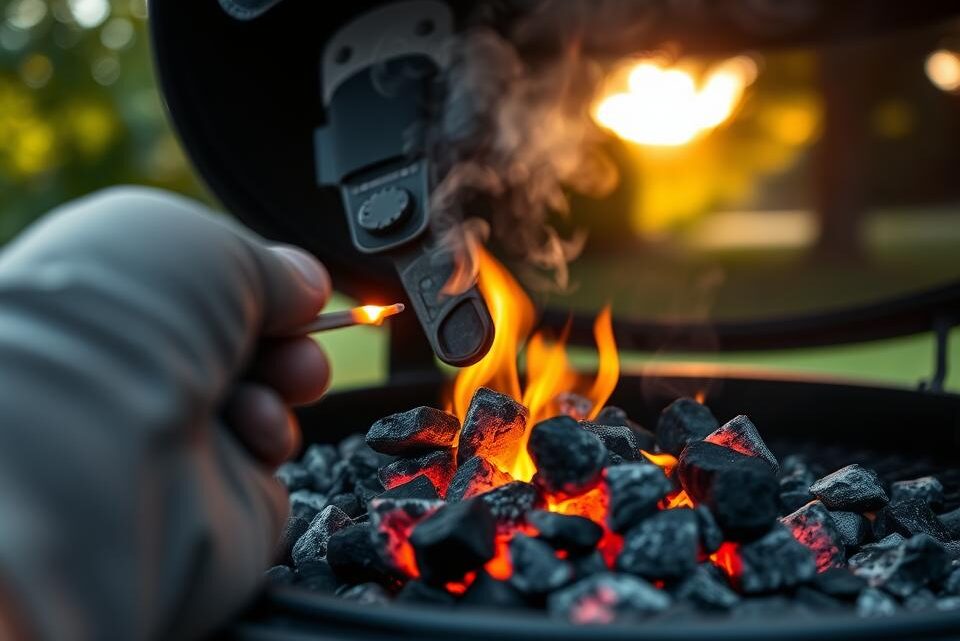
Lighting a grill safely is crucial for a successful barbecue experience. You want to ensure that your grill is lit properly to avoid any accidents or injuries.
When it comes to grill lighting, there are several factors to consider. You need to be aware of the potential hazards and take necessary precautions to ensure a safe and enjoyable grilling experience.
Throughout this guide, we will walk you through the steps to light a grill correctly, covering essential aspects of grill safety and providing you with the knowledge to become a confident griller.
Inhaltsverzeichnis
Key Takeaways
- Understand the importance of grill safety
- Learn the steps to light a grill correctly
- Discover how to maintain a safe grilling environment
- Explore tips for troubleshooting common grilling issues
- Master the art of grilling with confidence
The Importance of Proper Grill Lighting
The art of grill lighting is often overlooked, but it’s vital for safety and flavour. Proper grill lighting sets the stage for a successful grilling experience.
Safety Considerations
One of the primary reasons proper grill lighting is important is grill safety. Incorrectly lighting a grill can lead to accidents, including fires and burns. Ensuring that your grill is lit correctly helps prevent such mishaps.
Impact on Food Quality and Flavour
Proper grill lighting also significantly impacts the quality and flavour of your food. A well-lit grill achieves the right temperature, ensuring that your food is cooked evenly and tastes better.
Efficiency and Fuel Conservation
Furthermore, lighting your grill correctly promotes fuel conservation. By achieving the optimal temperature quickly, you reduce the amount of fuel consumed during the grilling process.
In summary, proper grill lighting is essential for a safe, enjoyable, and efficient grilling experience. It enhances food quality, conserves fuel, and minimizes the risk of accidents.
Understanding Different Types of Grills
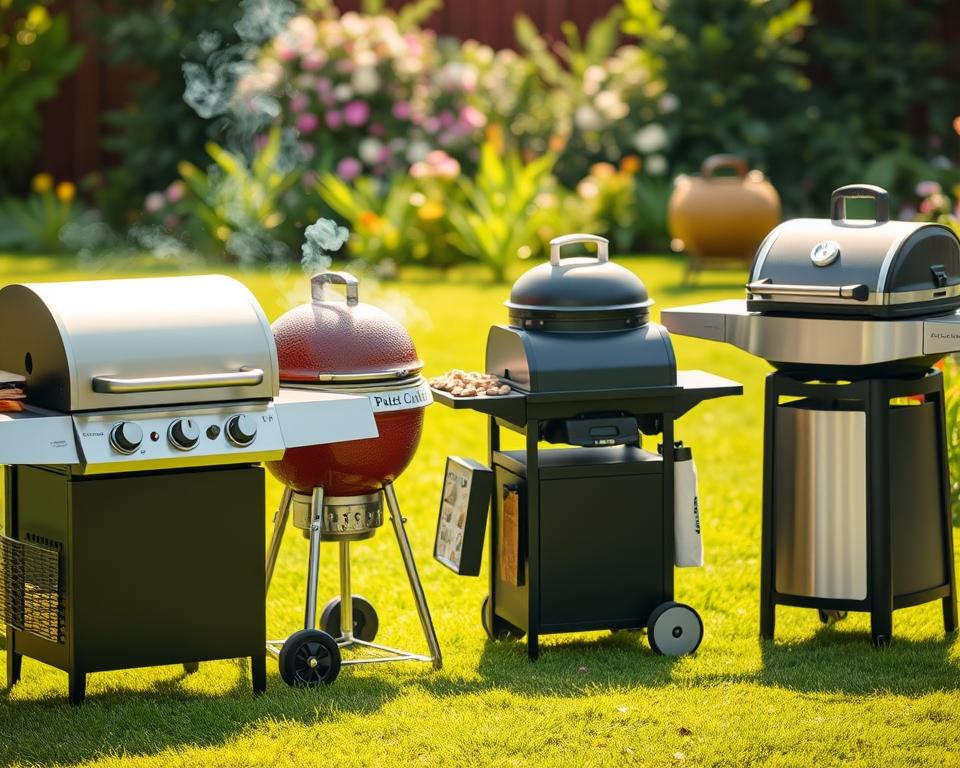
The world of grilling is diverse, with various grill types available, each with its unique characteristics and benefits. As you explore the options, you’ll find that the primary types of grills are charcoal, gas, and electric, each catering to different needs and preferences.
Charcoal Grills: Structure and Components
Charcoal grills are prized for the smoky flavour they impart to food. These grills typically consist of a firebox, cooking grates, and a lid. The firebox holds the charcoal, and the cooking grates are where you place your food. Charcoal grills can be further divided into subcategories like kettle grills and ceramic grills, each with its own set of features.
Gas Grills: Anatomy and Fuel Systems
Gas grills offer convenience and ease of use, making them a popular choice among grill enthusiasts. They are typically powered by propane or natural gas and feature burners, cooking grates, and sometimes additional components like smoker boxes. The anatomy of a gas grill includes the grill body, lid, and control knobs, which regulate the heat.
Electric Grills: Setup and Functionality
Electric grills are ideal for those with limited outdoor space or for use in apartments where gas or charcoal grilling isn’t feasible. They are simple to set up and use, requiring only an electrical outlet. Electric grills heat up quickly and maintain a consistent temperature, making them suitable for cooking a variety of dishes.
| Grill Type | Primary Fuel | Key Features |
|---|---|---|
| Charcoal | Charcoal | Smoky flavour, versatile cooking options |
| Gas | Propane/Natural Gas | Convenient, easy to clean, quick heat-up |
| Electric | Electricity | Space-saving, easy to use, consistent heat |
Essential Safety Precautions Before Lighting Any Grill
Grill safety begins long before you ignite the burners or light the charcoal. Ensuring a safe grilling experience involves several key steps that help prevent accidents and injuries.
Proper Grill Placement and Ventilation
When setting up your grill, it’s crucial to position it in a well-ventilated area, away from flammable materials such as dry leaves, branches, or overhanging branches. Ensure there’s enough clearance around the grill to prevent fire from spreading. Proper ventilation is also vital to prevent the buildup of carbon monoxide when using gas grills.
Checking for Gas Leaks and Damaged Parts
For gas grills, checking for leaks is a critical safety step. Apply a solution of equal parts water and dish soap to the gas connections and hoses; bubbles will indicate a leak. Inspect hoses for cracks, frays, or damage, and replace them if necessary. Regularly checking your grill’s parts for damage can prevent malfunctions.
Fire Safety Equipment and Emergency Procedures
Having fire safety equipment nearby is a prudent measure. Keep a fire extinguisher rated for grease and electrical fires close to your grilling area. Familiarize yourself with its operation and ensure it’s easily accessible. Develop an emergency plan, including knowing how to extinguish different types of grill fires.
Clothing and Personal Safety Considerations
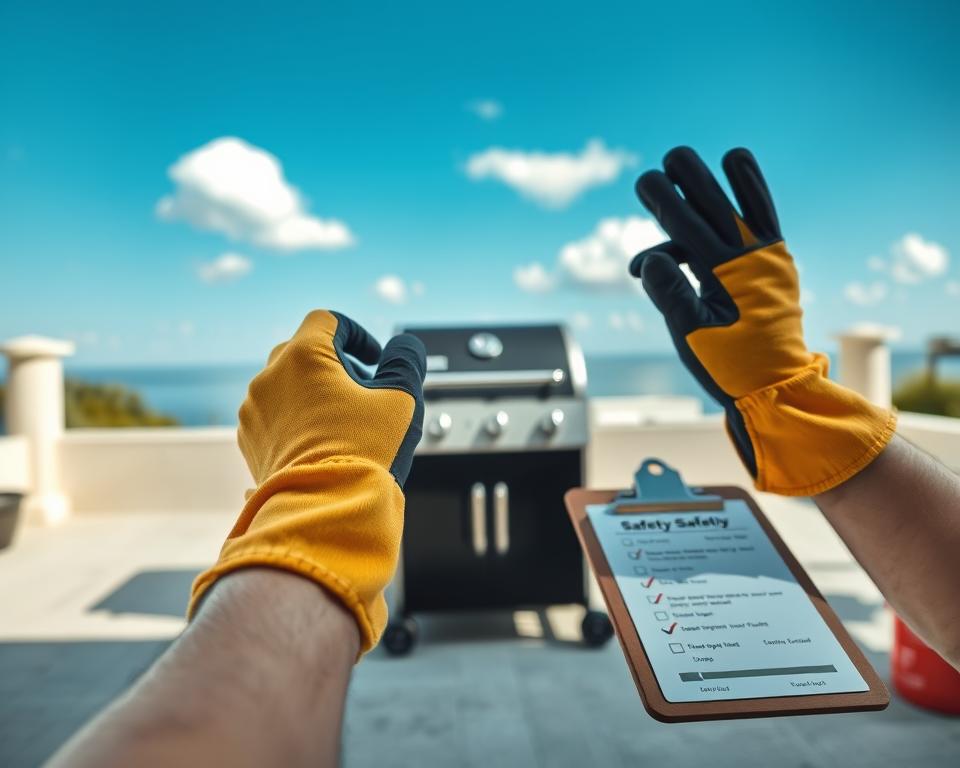
Wear close-fitting clothing and avoid loose items that could catch fire. Use heat-resistant gloves when handling hot grill parts, and keep long hair tied back. Being mindful of your attire can significantly reduce the risk of accidents.
| Safety Measure | Description | Importance Level |
|---|---|---|
| Proper Grill Placement | Position grill away from flammable materials and ensure good ventilation. | High |
| Checking for Gas Leaks | Inspect gas connections and hoses for leaks and damage. | High |
| Fire Safety Equipment | Have a fire extinguisher rated for grease and electrical fires nearby. | High |
| Personal Safety | Wear close-fitting clothing and use heat-resistant gloves. | Medium |
Necessary Tools and Equipment for Lighting Grills
Having the appropriate grill accessories is crucial for a successful grilling experience. The right tools not only make the process safer but also more efficient.
Chimney Starters and Their Benefits
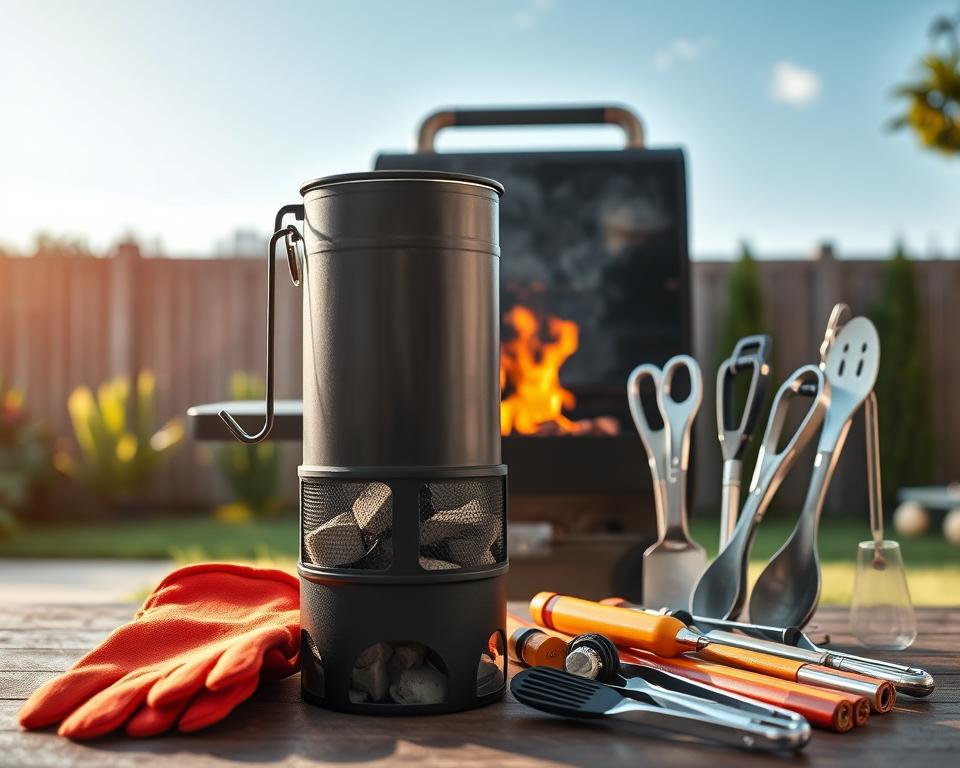
A chimney starter is a must-have for charcoal grill enthusiasts. It allows for even heating and helps to get the coals ready quickly without the need for lighter fluid. This tool is highly effective and can significantly improve your grilling experience.
Long-Reach Lighters and Matches
Long-reach lighters and matches are essential for safely lighting gas grills or charcoal. They provide a safe distance between you and the flame, reducing the risk of burns.
Heat-Resistant Gloves and Protective Gear
Heat-resistant gloves are vital for protecting your hands from burns when handling hot grill grates or adjusting charcoal. They provide a secure grip and protection against high temperatures.
Grill Brushes and Cleaning Tools
While not directly used for lighting, grill brushes and cleaning tools are crucial for maintaining your grill. A clean grill is not only safer but also more efficient.
| Tool | Purpose |
|---|---|
| Chimney Starter | Efficient charcoal heating |
| Long-Reach Lighter | Safe ignition of grill |
| Heat-Resistant Gloves | Protection from burns |
Preparing Your Grill Before Lighting
Before you light your grill, it’s essential to prepare it properly to ensure a successful grilling experience. Proper preparation not only enhances the flavour and quality of your food but also ensures safety while grilling.
Cleaning Grates and Removing Debris
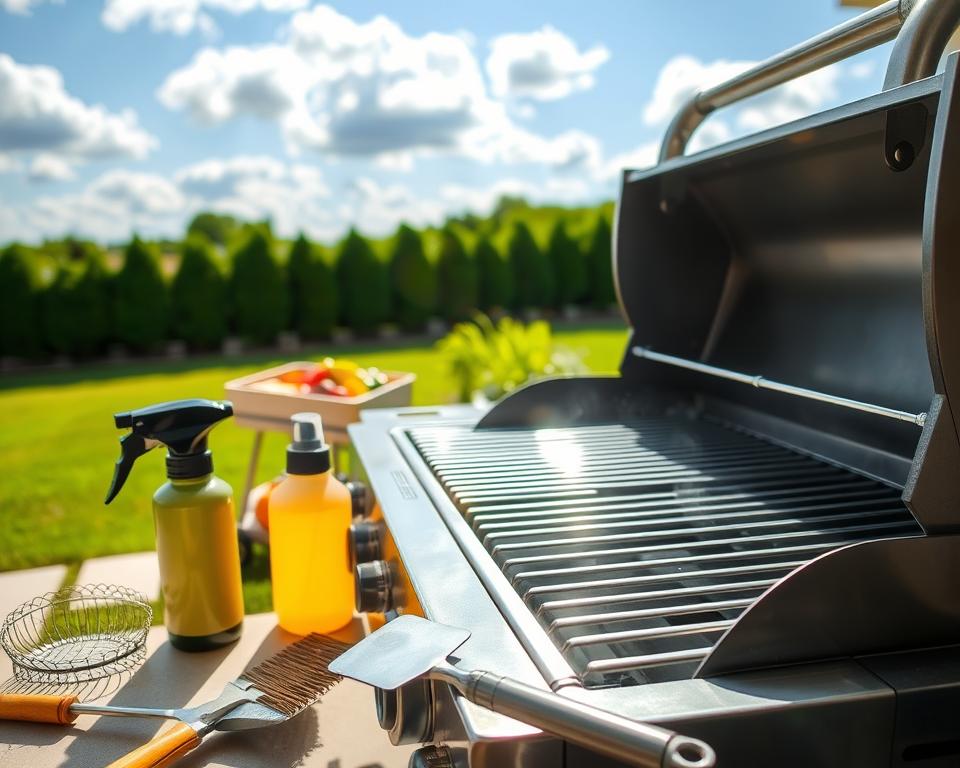
Cleaning your grill grates is a crucial step in preparing your grill. Remove any debris, food residue, or dirt from the grates using a grill brush. This helps prevent sticking and ensures even cooking.
- Use a wire brush to scrub away tough grime.
- For tougher grime, mix baking soda and water to create a paste, apply it to the grates, and scrub.
Checking Fuel Levels and Connections
For gas grills, check that you have sufficient fuel and that the gas connections are secure and not leaking. For charcoal grills, ensure you have enough charcoal for your grilling session.
| Grill Type | Fuel Check | Connection Check |
|---|---|---|
| Gas Grill | Check propane level | Inspect gas hose for leaks or damage |
| Charcoal Grill | Ensure sufficient charcoal | N/A |
Arranging Charcoal or Checking Gas Lines
For charcoal grills, arrange the charcoal in a manner that suits your cooking needs, such as a single layer for direct heat or a two-zone setup for indirect heat. For gas grills, check that the gas lines are not obstructed or damaged.
Setting Up Proper Airflow
Proper airflow is crucial for maintaining the right temperature and ensuring that your grill operates efficiently. Adjust the vents according to your grill type and the weather conditions.
“The key to a great grilling experience is not just about the food, but also about how well you prepare your grill.” – Grill Master
By following these steps, you’ll be able to enjoy a well-cooked meal while ensuring your safety and the longevity of your grill.
How to Light a Grill Correctly: Charcoal Method
To achieve the perfect charcoal grill, you need to start with the right lighting technique. Lighting a charcoal grill correctly is crucial for both safety and the quality of your grilled food. In this section, we will guide you through the steps to light your charcoal grill effectively.
Step 1: Arranging the Charcoal Properly
Proper charcoal arrangement is the foundation of a well-lit grill. Start by choosing your preferred type of charcoal. You can use either briquettes or lump charcoal, depending on your grilling needs and preferences. For most grilling tasks, a single layer of charcoal is sufficient. However, for longer cooking sessions or higher temperatures, consider a double layer.
When arranging the charcoal, ensure that there is enough space in the center for air to flow. This helps in achieving a more efficient burn. For a standard charcoal grill, arrange the coals in a pyramid shape or a single layer, depending on your grill’s specifications and the cooking method you plan to use.
Step 2: Using a Chimney Starter Effectively
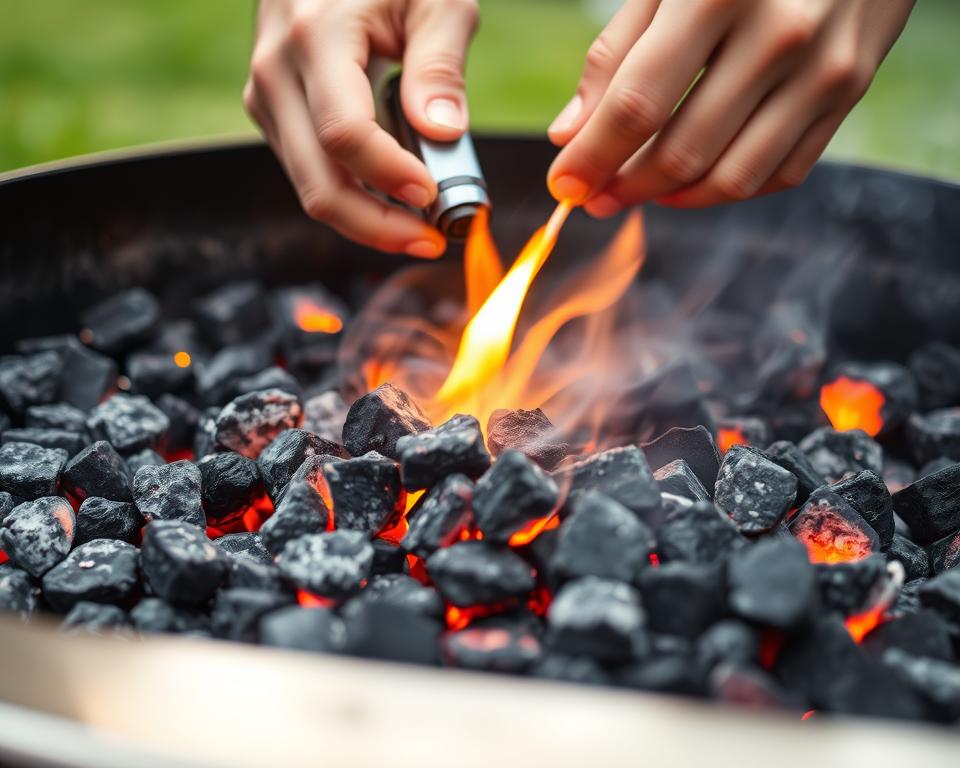
A chimney starter is one of the most effective tools for lighting charcoal. To use it, fill the chimney with the desired amount of charcoal, and then add a few crumpled pieces of newspaper or fire starters underneath. Light the newspaper or fire starters, and the flames will ignite the charcoal.
Once the charcoal is ashed over and glowing, carefully pour it into the grill. This method ensures that the charcoal is evenly lit and ready for grilling. Using a chimney starter eliminates the need for lighter fluid, reducing the risk of chemical flavors in your food.
Step 3: Alternative Lighting Methods
If you don’t have a chimney starter, there are alternative methods to light your charcoal grill. Electric starters can be placed among the coals to ignite them. Natural fire starters, such as firestarters or kindling, can also be used. However, be cautious with lighter fluid, as it can impart a chemical taste to your food if not used correctly.
Step 4: Monitoring and Adjusting the Fire
Once your charcoal is lit, monitoring and adjusting the fire is crucial. Adjust the vents to control the temperature: open vents increase the heat, while closing them reduces it. Ensure that the coals are spread evenly to maintain a consistent temperature across the grill.
| Vent Adjustment | Temperature Effect |
|---|---|
| Open Vents | Increases Heat |
| Closed Vents | Reduces Heat |
By following these steps, you can master the art of lighting a charcoal grill, ensuring a safe and enjoyable grilling experience. Whether you’re a novice or an experienced griller, understanding the nuances of charcoal grill lighting will elevate your outdoor cooking.
Step-by-Step Guide to Lighting a Gas Grill
To get your gas grill up and running, follow this straightforward guide to safe and effective ignition. Lighting a gas grill is a simple process, but it requires attention to detail to ensure safety and optimal performance.
Step 1: Pre-Lighting Inspection and Preparation
Before you light your gas grill, it’s crucial to perform a pre-lighting inspection. Check that your grill is properly connected to the gas supply and that there are no signs of leaks or damage to the hoses. Ensure that the grill area is clear of debris and that the grates are clean.
Always inspect your grill before use to prevent accidents.
Step 2: Opening the Lid and Gas Valve
Open the lid of your gas grill to prevent gas buildup inside the grill. Then, locate the gas valve and turn it to the “open” position. You should hear the sound of gas flowing.
Remember, safety first: always open the lid before turning on the gas.
Step 3: Proper Ignition Sequence and Techniques
To ignite your gas grill, press the ignition button while turning the burner knob to the “light” position. You may need to hold the knob in for a few seconds until the burner lights. If your grill doesn’t have an electronic ignition, use a long-reach lighter or match.
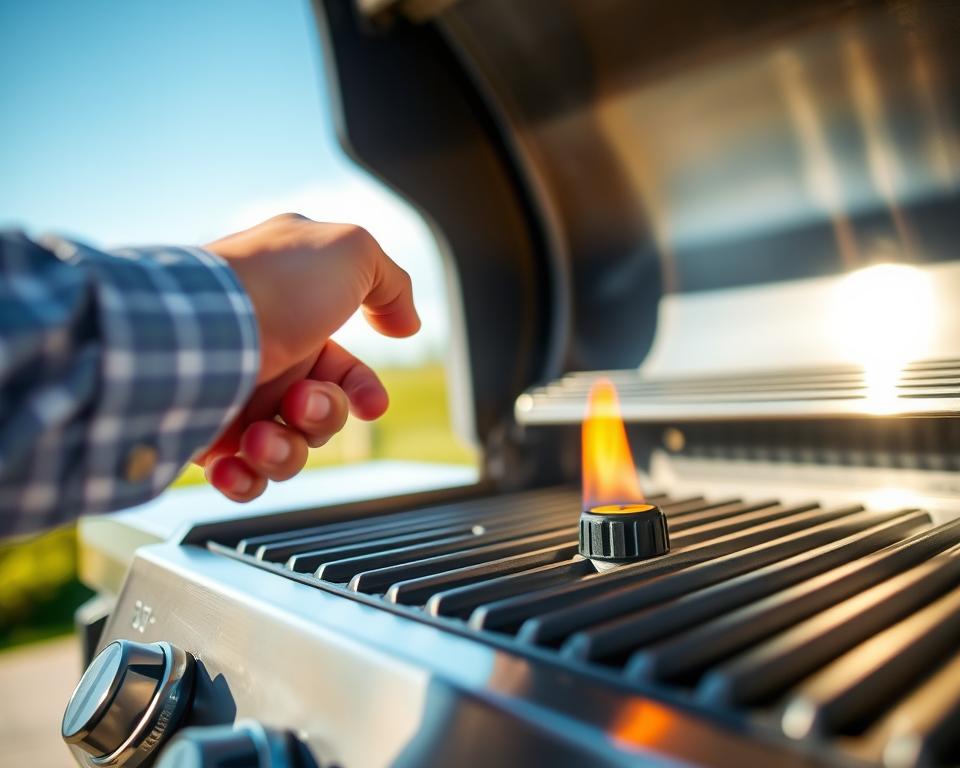
Once your grill is lit, adjust the flames to your desired level by turning the burner knobs. To achieve the perfect grilling temperature, you may need to adjust the burners in combination. Monitor the grill temperature gauge to ensure you’re within your desired range.
“The key to perfect grilling is controlling the temperature. With gas grills, this is easily achieved by adjusting the burner settings.”
By following these steps, you’ll be able to light your gas grill safely and effectively, ensuring a great grilling experience.
Mastering Electric Grill Lighting and Preheating
The key to successful electric grilling lies in the proper lighting and preheating techniques. Understanding these steps will help you achieve perfectly cooked meals every time.
Proper Setup and Electrical Connection
Before you start, ensure your electric grill is properly set up and connected to a suitable power source. Check that the grill is placed on a stable, heat-resistant surface and that the cord is not damaged.
Powering On and Initial Settings
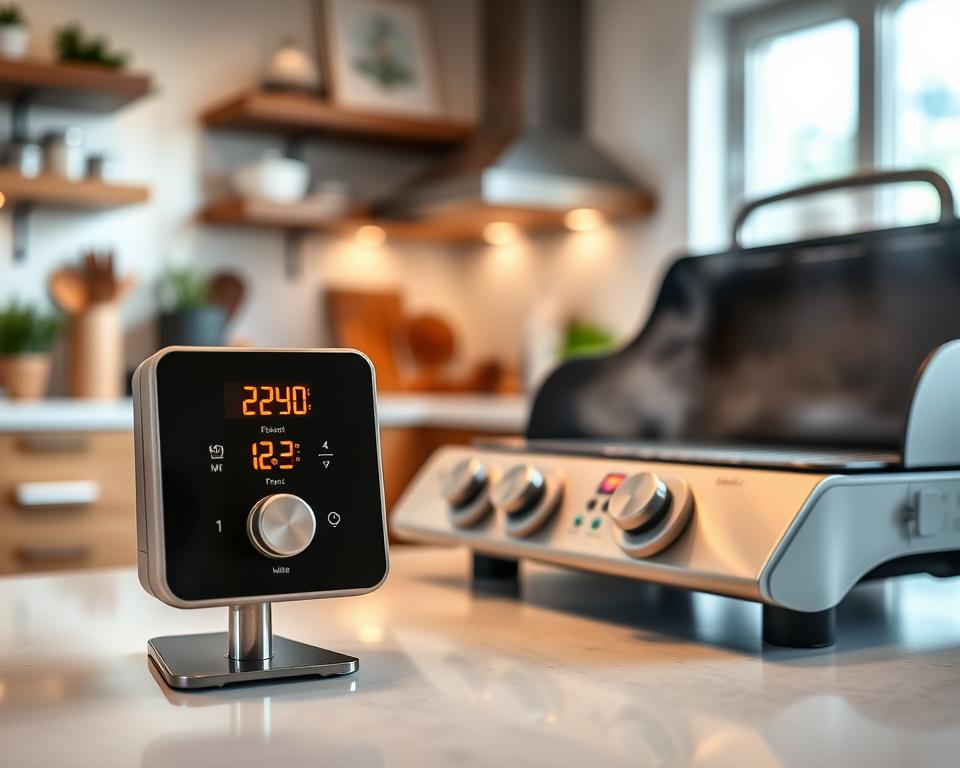
To light your electric grill, simply plug it in and turn it on. Most models come with a straightforward control panel. Set your desired temperature, and let the grill begin to heat up.
Temperature Control and Monitoring
Monitor the grill’s temperature closely. Electric grills often have precise temperature controls, allowing you to adjust the heat as needed.
Safety Features and Automatic Shutoffs
Many electric grills come equipped with safety features such as automatic shutoff. Familiarize yourself with these features to ensure safe operation.
Proper Grill Preheating Techniques
Achieving the perfect grill temperature is essential for cooking success, and it all starts with proper preheating. Preheating your grill ensures that it reaches a consistent temperature, which is crucial for cooking your food evenly. Proper preheating techniques can significantly enhance your grilling experience, leading to better-tasting dishes and reduced cooking times.
Why Preheating Is Crucial for Cooking Success
Preheating is not just about turning on the grill; it’s about creating an optimal cooking environment. When you preheat your grill correctly, you’re ensuring that your food cooks evenly and at the right temperature. This is particularly important for delicate foods that can easily be overcooked or undercooked. As Renowned chef Jamie Oliver once said, “The key to great grilling is in the preparation.”
Ideal Preheating Times for Different Grill Types
Different grills have different preheating times. For instance, gas grills typically take about 10-15 minutes to preheat, while charcoal grills may take longer, often around 20-30 minutes, depending on the amount of charcoal used. Electric grills usually preheat the fastest, often within 5-10 minutes. Understanding these times can help you plan your grilling sessions more effectively.
Testing Grill Temperature Without Thermometers
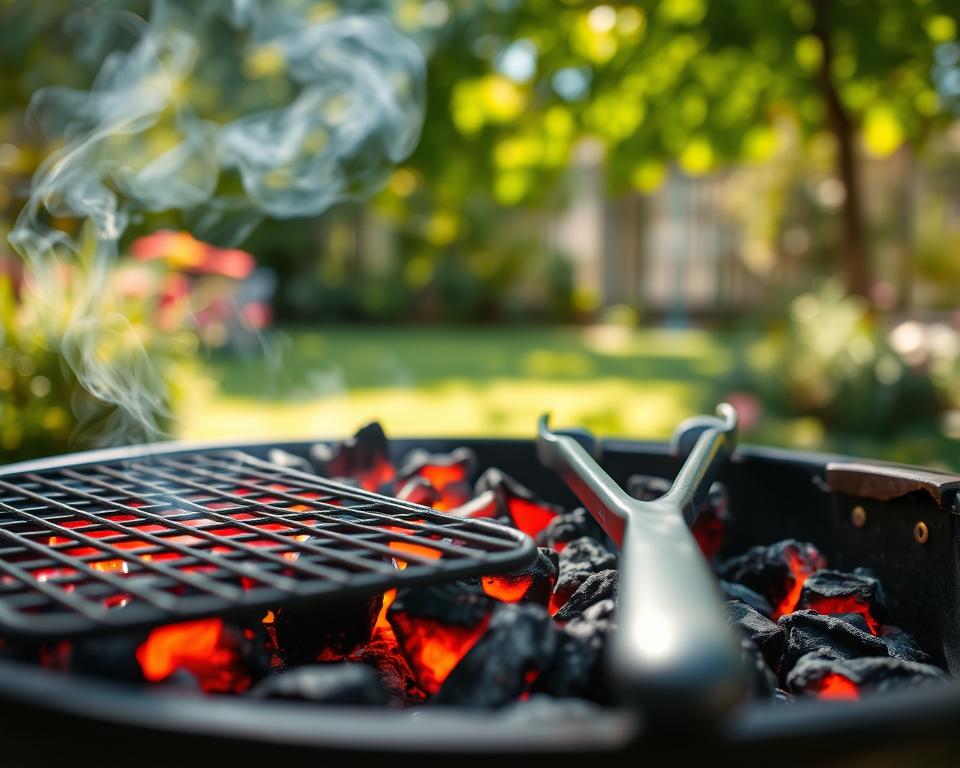
While thermometers are the most accurate way to check grill temperature, you can also use the hand test. Hold your hand about 5 inches above the grill grates; if you can only keep it there for 2-3 seconds, the grill is at high heat (around 450°F/230°C). For medium heat, you should be able to hold your hand there for 4-5 seconds (around 350°F/175°C).
Adjusting Heat Zones for Various Cooking Methods
Many modern grills come with multiple heat zones, allowing you to cook different types of food simultaneously. Adjusting these zones according to your cooking needs is crucial. For example, you might want a high heat zone for searing steaks and a lower heat zone for cooking vegetables.
“The art of grilling is not just about throwing food on the grill; it’s about controlling the heat to achieve perfection.”
Common Mistakes When Lighting Grills
Lighting a grill can be a straightforward process, but many people make avoidable mistakes that can lead to safety issues, poor food quality, and a less enjoyable grilling experience. Understanding these common pitfalls is crucial for anyone looking to improve their grilling skills.
Using Too Much Lighter Fluid or Improper Accelerants
One of the most significant mistakes you can make when lighting a grill is using too much lighter fluid or the wrong type of accelerants. This can lead to a dangerous flare-up, affecting the taste of your food and potentially causing burns. Always follow the manufacturer’s instructions for the recommended amount of lighter fluid to use.
Using improper accelerants, such as gasoline or other flammable liquids, is extremely dangerous and can result in serious injury or damage to your grill. Stick to approved lighter fluids or alternative fire starters designed for grilling.
Ignoring Weather Conditions and Wind Direction
Weather conditions and wind direction play a significant role in how well your grill performs and how safe it is to operate. Ignoring these factors can lead to uneven heating, flare-ups, and accidents. Always check the weather forecast before grilling and consider the wind direction to ensure your grill is positioned safely.
Closing Lids at the Wrong Time
Closing the lid on your grill at the wrong time can affect the temperature, airflow, and overall performance of your grill. It’s essential to understand when to close the lid to achieve the desired cooking results. Generally, you should close the lid once the grill is preheated and you’re ready to cook.
Rushing the Lighting Process
Rushing to light your grill can lead to mistakes such as not properly arranging the charcoal or not ensuring that the gas grill is correctly ignited. Take your time to follow the proper steps for lighting your grill, whether it’s charcoal, gas, or electric. Patience is key to a successful grilling experience.
| Common Mistake | Consequence | Prevention |
|---|---|---|
| Using too much lighter fluid | Flare-ups, burns, and poor taste | Follow manufacturer’s instructions |
| Ignoring weather conditions | Uneven heating, accidents | Check weather forecast, adjust grill position |
| Closing lids at the wrong time | Affects temperature and cooking results | Close lid when preheated and ready to cook |
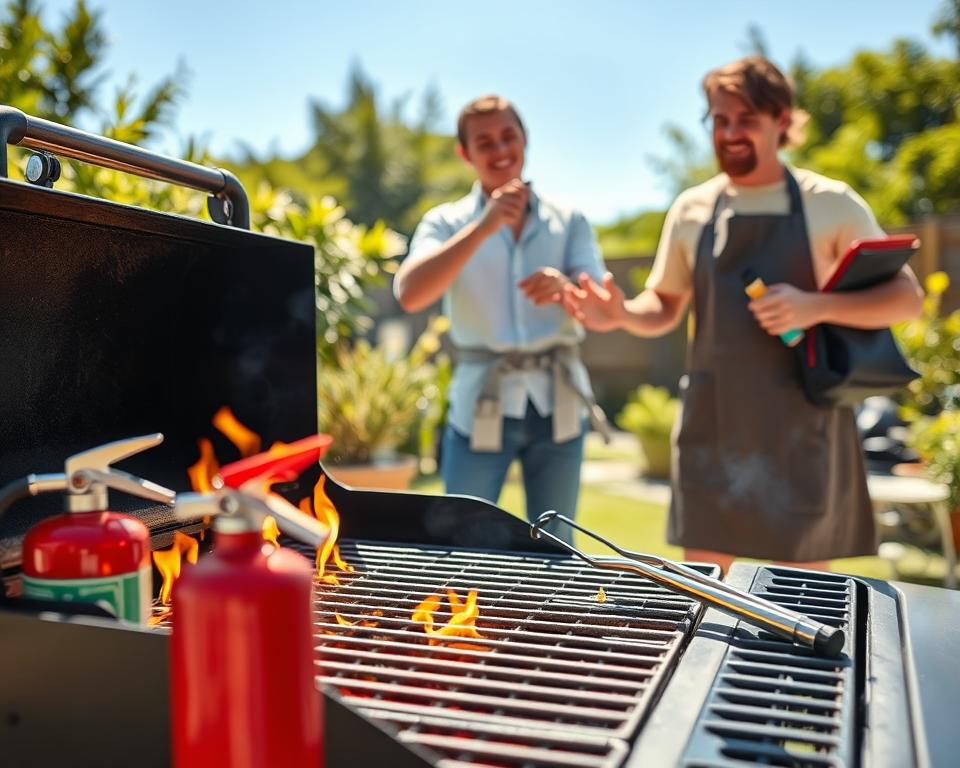
By being aware of these common mistakes and taking steps to avoid them, you can ensure a safer, more enjoyable grilling experience. Whether you’re a seasoned grill master or just starting out, understanding the intricacies of grill lighting can make all the difference in your outdoor cooking adventures.
Troubleshooting Grill Lighting Problems
Whether you’re dealing with damp charcoal or a gas grill that won’t ignite, this section will help you identify and fix the issue. Grill lighting problems can stem from a variety of sources, and understanding how to troubleshoot them is key to a successful grilling experience.
Dealing with Damp Charcoal Issues
Damp charcoal can be a significant obstacle when trying to light your grill. To resolve this, ensure that your charcoal is stored in a dry location. If you’ve already encountered damp charcoal, try drying it out by spreading it in a single layer and exposing it to air or using a hairdryer on a low setting to speed up the process.
Tip: Always check the quality of your charcoal before use. Look for signs of moisture or clumping, which can indicate dampness.
Resolving Gas Grill Ignition Failures
If your gas grill is failing to ignite, there are several potential causes to investigate. First, check that the gas supply is turned on and that there are no leaks in the hose or connections. Ensure that the igniter is clean and functioning correctly, and try adjusting the burner controls to ensure they’re set to the correct position for ignition.
Fixing Uneven Heating and Cold Spots
Uneven heating can lead to poorly cooked food. To address this, check that your grill grates are clean and free of debris. For gas grills, ensure that the burners are not clogged and that the grill is preheated correctly. For charcoal grills, adjust the charcoal distribution to achieve a more even heat.
Addressing Flame Flare-Ups and Control
Flame flare-ups can be dangerous and disrupt the grilling process. To manage flare-ups, keep a spray bottle of water handy to dampen the flames if necessary. Ensure that your grill is clean, as grease buildup can contribute to flare-ups. Adjusting the heat and moving food away from the flare-up can also help.
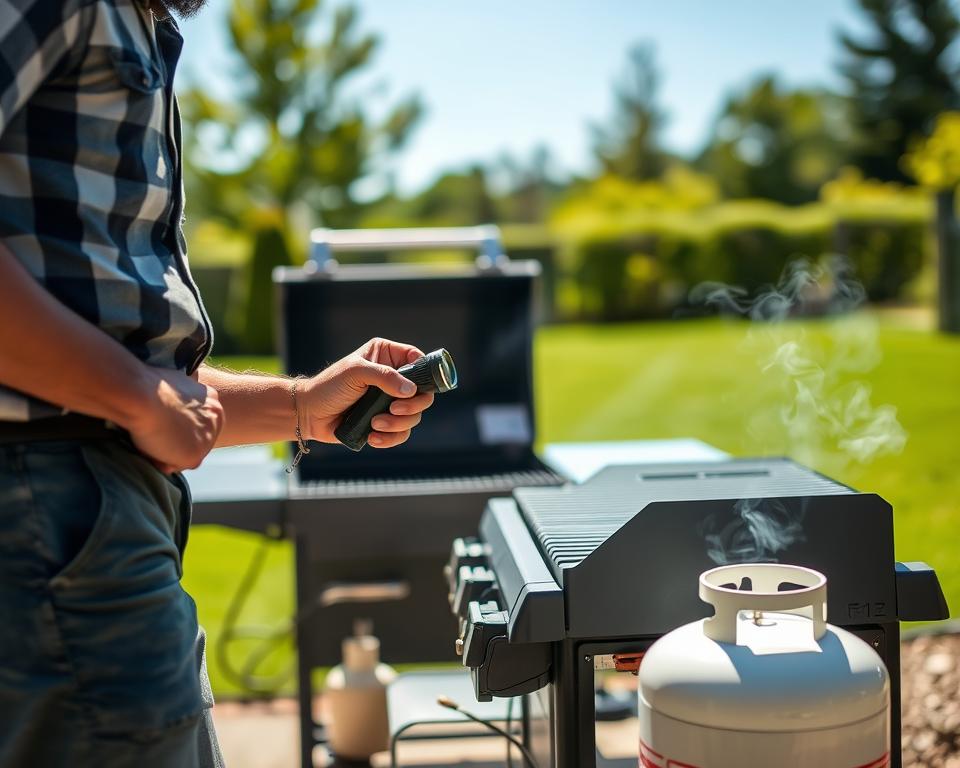
By following these troubleshooting tips, you can overcome common grill lighting problems and enjoy a more successful grilling experience. Remember, regular maintenance and proper grill care are key to preventing many of these issues.
Seasonal Considerations for Grill Lighting
The art of grill lighting is heavily influenced by the time of year and weather conditions. As a grilling enthusiast, you need to adapt your techniques to overcome the challenges posed by different seasons.
Winter Grilling: Overcoming Cold Weather Challenges
Grilling in winter requires extra preparation. Cold weather can make it difficult to light your grill, especially if you’re using charcoal. To overcome this, ensure your charcoal is stored in a dry place to prevent dampness. Using a chimney starter can also help, as it allows for better airflow and can get your coals lit faster.
Tip: Preheating your grill for a longer period can help maintain a consistent temperature in cold weather.
Rainy Weather Adaptations and Protections
Grilling in the rain can be tricky, but with the right precautions, you can still achieve great results. Use a grill cover or canopy to protect your grill from heavy rain. For gas grills, ensure that the ignition system is protected from water. For charcoal grills, keep your coals dry by using a chimney starter under a covered area.
Summer Heat Efficiency and Safety Precautions
Grilling in the summer heat can be challenging due to the high temperatures. To maintain efficiency, ensure your grill is clean and well-maintained. Keep your grill in a shaded area if possible, and always have a fire extinguisher nearby.
Wind Management Techniques
Wind can significantly affect grill performance, especially for gas grills. To manage wind, position your grill in a sheltered location or use windbreaks. For charcoal grills, ensure your coals are evenly distributed to maintain a consistent temperature.
| Season | Grill Type | Challenges | Solutions |
|---|---|---|---|
| Winter | Charcoal | Cold, damp charcoal | Use chimney starter, store charcoal dry |
| Rainy | Gas/Charcoal | Water damage, difficulty lighting | Use grill cover, protect ignition system |
| Summer | Gas/Charcoal | High temperatures, potential fires | Keep grill clean, maintain shade, have fire extinguisher |
Environmentally Friendly Grill Lighting Methods
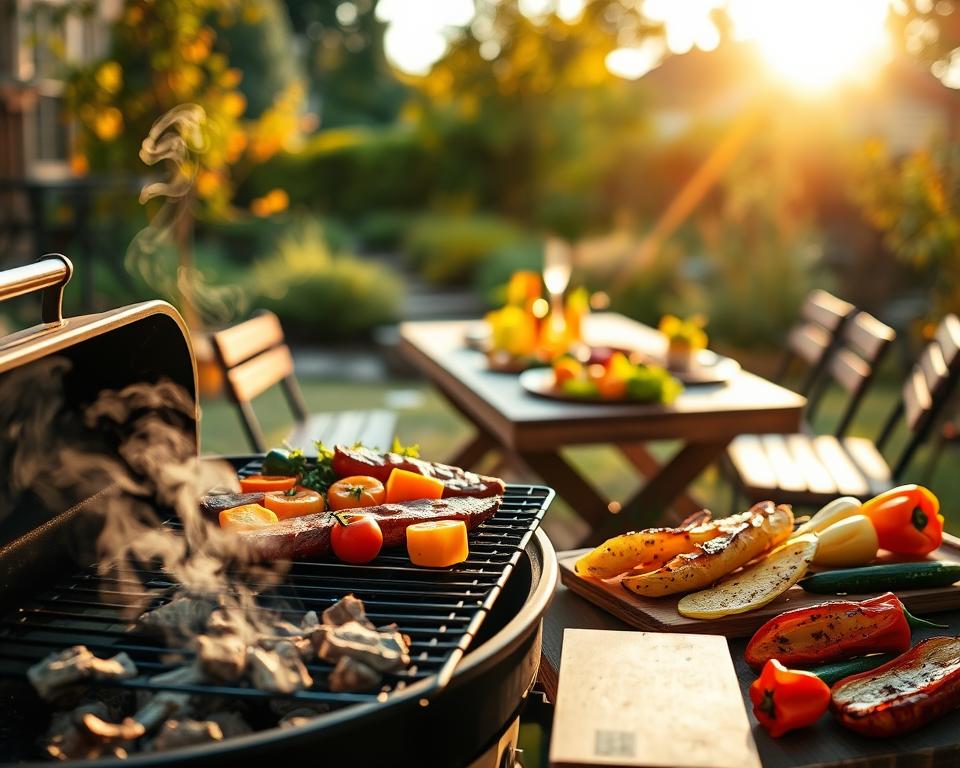
To make your grilling experiences more sustainable, it’s essential to examine your grill lighting methods. Traditional methods often involve chemicals and materials that are not eco-friendly. By adopting environmentally friendly grill lighting techniques, you can significantly reduce your carbon footprint.
Natural Fire Starters and Alternatives to Chemicals
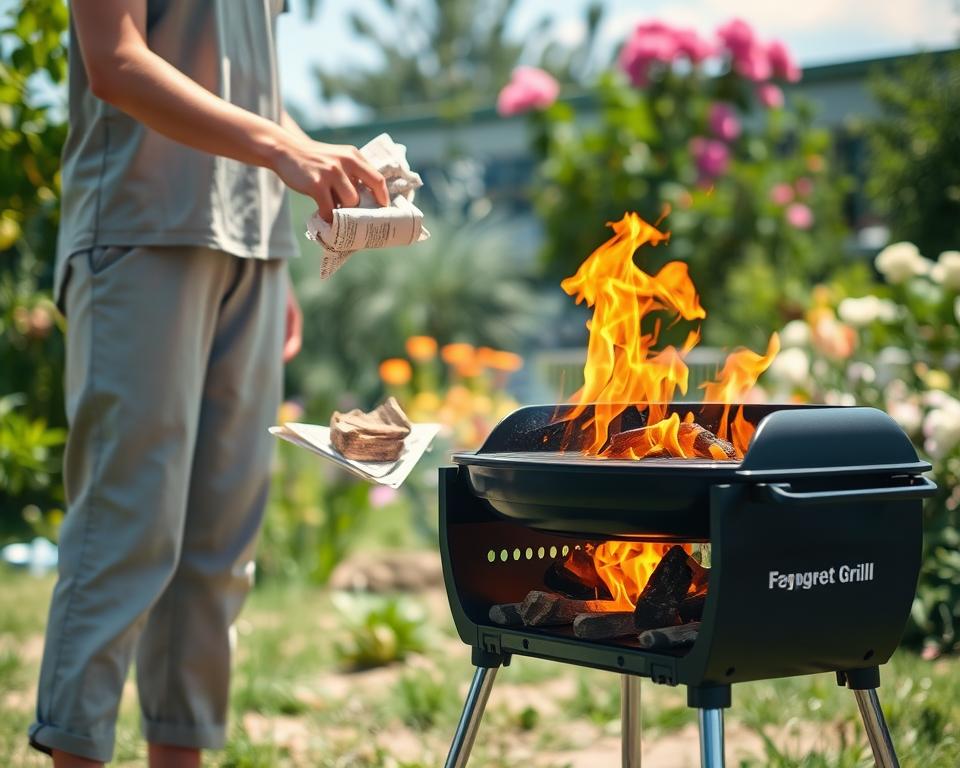
Using natural fire starters is a great way to reduce your environmental impact. Alternatives to lighter fluid include kindling, twigs, and firestarters made from natural materials. These options not only reduce chemical usage but also add a unique flavour to your grilled food.
Sustainable Charcoal Options
When it comes to charcoal grills, choosing sustainable charcoal options can make a significant difference. Look for charcoal that is certified by organisations such as the Forest Stewardship Council (FSC). This ensures that the charcoal is sourced from responsibly managed forests.
Reducing Carbon Footprint While Grilling
To further reduce your carbon footprint, consider the overall efficiency of your grilling process. This includes preheating your grill properly and using the right amount of fuel. Proper grill maintenance also plays a crucial role in reducing waste and emissions.
Proper Disposal of Ashes and Waste
Finally, ensure that you dispose of ashes and waste properly. Ashes can be reused in certain contexts, such as in compost or as a natural pest deterrent in gardens. Always check local guidelines for waste disposal to ensure you’re following the best practices.
| Eco-Friendly Method | Benefits |
|---|---|
| Natural Fire Starters | Reduces chemical usage, adds unique flavour |
| Sustainable Charcoal | Ensures responsible sourcing, reduces deforestation |
| Proper Waste Disposal | Reduces environmental impact, allows for reuse of materials |
Maintaining Your Grill for Easier Lighting
Regular grill maintenance is crucial for ensuring that your grill lights easily and cooks evenly every time. A well-maintained grill is not only safer but also more efficient and enjoyable to use.
Regular Cleaning Routines for Different Grill Types
Different types of grills require specific cleaning routines. For charcoal grills, it’s essential to remove ash and debris after each use. Gas grills need their grates and burners cleaned regularly to prevent clogging. Electric grills require a gentle cleaning to maintain their heating elements.
- Charcoal grills: Remove ash and clean grates after each use.
- Gas grills: Clean grates and burners regularly, and check for gas leaks.
- Electric grills: Wipe down the grill with a damp cloth, avoiding electrical components.
Burner Maintenance and Unclogging Techniques
For gas grills, burner maintenance is critical. Use a brush to clean the burners and ensure they are free from debris. If a burner is clogged, use a needle or small wire to clear the blockage.
Tip: Regularly inspecting and cleaning your burners can prevent ignition issues.
Checking and Replacing Critical Parts
Regularly inspect your grill’s critical parts, such as hoses, ignitors, and grates. Replace any worn or damaged parts to ensure your grill continues to function properly.
Seasonal Storage to Prevent Lighting Issues
When storing your grill for an extended period, ensure it’s clean and dry. For gas grills, consider disconnecting the gas supply. Proper storage can prevent issues when you’re ready to use your grill again.
Advanced Grill Lighting Techniques for Enthusiasts
Taking your grilling to the next level requires a deeper understanding of advanced lighting methods. As an enthusiast, you’re likely looking to refine your grilling skills and explore new techniques to achieve perfectly cooked meals.
Setting Up Two-Zone Fires for Temperature Control
A two-zone fire allows for greater control over cooking temperatures, enabling you to achieve both high-heat searing and lower-temperature cooking. To set up a two-zone fire, you’ll need to configure your grill to have one area with direct heat and another with indirect heat.
Benefits of Two-Zone Fires:
- Flexibility in cooking different types of food
- Ability to cook at multiple temperatures simultaneously
- Enhanced control over cooking outcomes
The Snake Method for Low and Slow Cooking
The snake method is a technique used for low and slow cooking, particularly with charcoal grills. It involves arranging charcoal in a continuous loop or “snake” around the grill, allowing for a slow and consistent release of heat.
Tips for Implementing the Snake Method:
- Use a sufficient amount of charcoal to maintain the desired temperature
- Ensure the charcoal is evenly distributed to prevent hotspots
- Monitor temperature closely to adjust as necessary
Specialised Wood and Charcoal Arrangements
Using specialised wood and charcoal arrangements can significantly enhance the flavour of your grilled foods. Different types of wood impart unique flavours, and when combined with charcoal, can create complex and nuanced profiles.
Using Smoke Woods Effectively During Lighting
Smoke woods can be used to add depth and richness to your grilled dishes. To use smoke woods effectively, it’s essential to understand how to integrate them into your grilling process.
| Type of Wood | Flavour Profile | Best Used For |
|---|---|---|
| Hickory | Strong, smoky | Bacon, ribs, and robust meats |
| Applewood | Fruity, mild | Poultry, pork, and vegetables |
| Mesquite | Earthy, strong | Red meats, particularly steaks |
Conclusion: Mastering the Art of Grill Lighting
You’ve now reached the final step in becoming a grill master. Mastering grill lighting is crucial for a superior grilling experience. By understanding the different types of grills and following the proper techniques, you can achieve perfectly cooked meals every time.
As you’ve learned, proper grill lighting involves more than just igniting the fuel. It’s about safety, efficiency, and flavour. Whether you’re using a charcoal, gas, or electric grill, the principles remain the same. Practice makes perfect, so don’t be discouraged if it takes a few attempts to get it right.
To refine your skills, revisit the key steps outlined in this guide. Focus on preheating techniques, troubleshooting common issues, and maintaining your grill. With time and patience, you’ll be mastering grilling like a pro. So, get grilling, and enjoy the art of perfectly cooked meals.
FAQ
What is the best way to light a charcoal grill?
Using a chimney starter is considered one of the best methods to light a charcoal grill, as it allows for even heating and doesn’t require lighter fluid.
How do I prevent gas leaks when lighting a gas grill?
To prevent gas leaks, always check the connections and hoses for damage or wear before lighting, and ensure the gas valve is fully closed when not in use.
Can I use a hair dryer to dry damp charcoal?
No, it’s not recommended to use a hair dryer to dry damp charcoal, as it can be ineffective and potentially cause a fire hazard. Instead, store charcoal in a dry place or use a dehumidifier.
How long should I preheat my grill before cooking?
The preheating time varies depending on the grill type. For gas grills, preheat for about 10-15 minutes, while charcoal grills may take 20-30 minutes to reach the desired temperature.
What are some environmentally friendly ways to light a grill?
Using natural fire starters, such as kindling or firestarters made from natural materials, and opting for sustainable charcoal options are more environmentally friendly ways to light a grill.
How often should I clean my grill to maintain its performance?
Regularly cleaning your grill after each use and performing deeper cleans seasonally can help maintain its performance and ensure easier lighting.
What are some common mistakes to avoid when lighting a grill?
Common mistakes include using too much lighter fluid, ignoring weather conditions, and rushing the lighting process. Being aware of these pitfalls can help you grill more safely and effectively.
How can I troubleshoot grill lighting problems?
Troubleshooting involves identifying the specific issue, such as damp charcoal or ignition failures, and taking corrective action, like drying the charcoal or checking the igniter.