
How to Install Electricity in a Garden Shed – DIY Guide
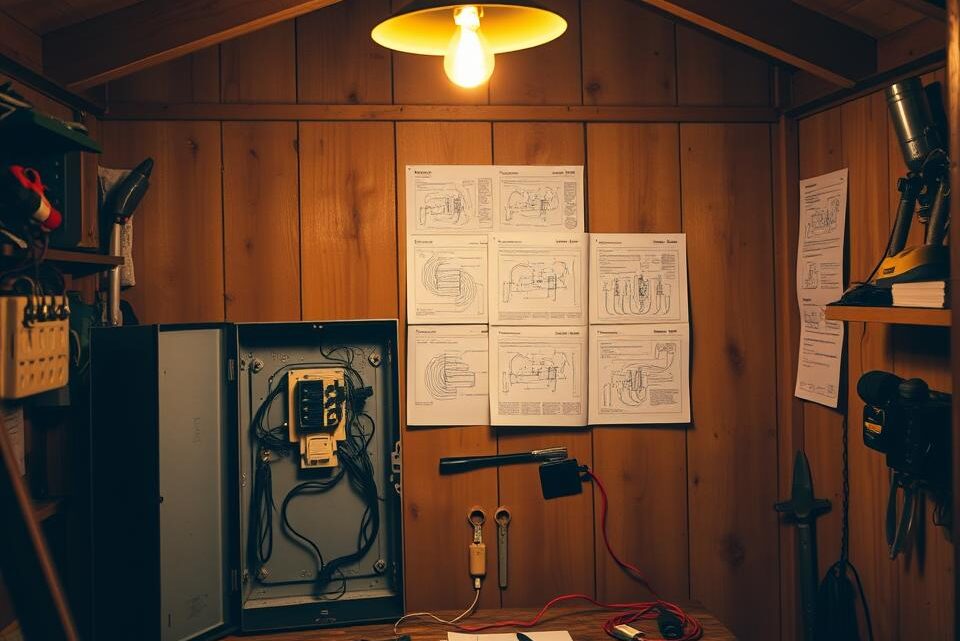
Planning to bring power to your garden shed? Whether you need lights for evening projects or sockets for power tools, proper garden shed wiring can transform your outdoor space into a functional workshop. This guide walks you through the complete process of electrical installation garden building projects across the UK.
Many homeowners wonder if they can tackle shed power installation themselves. While some aspects of outdoor electrics UK projects fall within DIY territory, others require certified professionals. Understanding these boundaries keeps you safe and compliant with regulations.
From choosing between armoured cables and overhead lines to installing consumer units and RCD protection, each step matters. You’ll learn about Part P regulations, safety requirements, and practical tips that make your project successful. Whether you’re adding simple lighting or creating a fully powered workshop, this guide covers everything you need.
Inhaltsverzeichnis
Key Takeaways
- Part P Building Regulations govern all outdoor electrics UK installations
- Permanent shed power installation requires notification to local authorities
- Armoured cables provide the safest option for underground garden shed wiring
- RCD protection is mandatory for all electrical installation garden building projects
- Professional electricians must complete final testing and provide certificates
- Proper earthing and weatherproofing prevent dangerous faults in outdoor environments
Understanding Electrical Requirements for Your Garden Shed
Planning the right electrical setup for your garden shed starts with understanding exactly what power you’ll need. Whether you’re creating a simple storage space with basic lighting or a fully equipped workshop, getting your shed power requirements right from the start will save time and money later.
Assessing Your Power Needs
Start by listing all the electrical items you plan to use in your shed. A basic setup might only need a couple of lights and one double socket. For a workshop or office space, your outbuilding electrical load will be much higher.
| Shed Use | Typical Power Requirements | Recommended Circuit |
|---|---|---|
| Basic Storage | 500-1000W | 2.5mm² cable on 16A breaker |
| Home Office | 2000-3000W | 4mm² cable on 20A breaker |
| Workshop | 3000-7000W | 6mm² cable on 32A breaker |
Types of Electrical Installations for Outbuildings
Your garden building electrics can be installed using several methods. Armoured cable buried underground offers the most professional and safe solution. This tough cable resists damage from garden tools and weather.
Overhead supplies using catenary wire provide a quicker installation option. The cable runs along a supporting wire strung between your house and shed. This method works well when digging isn’t practical.
Temporary vs Permanent Electrical Solutions
Extension leads offer a quick fix for occasional use but aren’t suitable for regular power needs. Weatherproof outdoor sockets can bridge the gap between temporary and permanent solutions.
Permanent installations require armoured cable and a dedicated circuit from your consumer unit. While the initial cost is higher, you’ll get reliable power for all your shed lighting and sockets without the safety risks of trailing leads.
Legal Requirements and Building Regulations in the UK
Before running any electrical wiring to your garden shed, you must understand the legal framework that governs electrical work in the UK. Shed wiring regulations UK are quite specific about what DIY enthusiasts can and cannot do. Getting this wrong could result in hefty fines, invalidated insurance, or worse – putting your family at risk.
Part P Building Regulations Explained
Part P regulations form the cornerstone of electrical safety in domestic properties. These rules cover all electrical installations in homes and outbuildings, including garden sheds. The regulations ensure that electrical work meets safety standards and reduces the risk of fire or electric shock.
Under Part P, electrical work falls into two categories:
- Minor work – replacing sockets, light fittings, or adding to existing circuits
- Notifiable work – installing new circuits, consumer units, or work in bathrooms and kitchens
When You Need a Qualified Electrician
Most electrical installations in garden sheds require a competent person registered with an approved scheme. These include organisations like NICEIC, NAPIT, or ELECSA. You’ll need a qualified electrician for:
- Installing a new circuit from your main consumer unit
- Running armoured cable underground or overhead
- Installing a sub-board in your shed
- Any work requiring an electrical compliance certificate
Notifying Your Local Authority
Electrical building control must be notified about certain types of work. If you use a registered electrician, they’ll handle this notification for you. For DIY work that’s notifiable, you must inform building control before starting and pay the appropriate fee. They’ll arrange inspections during and after the work.
Electrical Safety Certificates
Upon completion of notifiable work, you’ll receive an electrical compliance certificate. This document proves your installation meets safety standards. Keep it safe – you’ll need it when selling your property or making insurance claims. The certificate includes test results, circuit details, and confirmation that Part P regulations have been met.
Essential Tools and Materials for Shed Electrification
Before starting your garden shed electrical project, you’ll need the right electrical installation tools and materials. Having everything ready saves time and ensures a safe, compliant installation.
For the main cable run, you’ll need armoured cable shed wiring, typically SWA (Steel Wire Armoured) cable. This robust cable withstands outdoor conditions and provides excellent protection against damage. Cable glands create watertight seals where cables enter your shed, preventing moisture ingress.

Your shed’s electrical system requires proper RCD protection. Install a small consumer unit or garage unit with built-in RCD (Residual Current Device) to protect against electric shock. This safety device cuts power instantly if it detects a fault.
Choose weatherproof sockets outdoor rated at IP65 or higher. These sealed units resist dust and water jets, perfect for shed environments. Similarly, select IP-rated switches and lighting fixtures designed for outdoor use.
Essential electrical installation tools include:
- Cable cutters and stripping tools
- Crimping tools for terminations
- Digital multimeter for testing
- Voltage tester for safety checks
- Electric drill with masonry bits
- Cable pulling rods for conduit runs
Don’t forget safety equipment: insulated gloves, safety glasses, and a torch for dark spaces. You’ll also need conduit, trunking, earth rods, and junction boxes to complete your installation properly.
Planning Your Electrical Route from House to Shed
Proper cable route planning forms the foundation of a safe electrical installation to your garden shed. Before digging or stringing cables, you’ll need to decide on the best path, calculate the correct cable size, and ensure compliance with safety standards. Taking time to plan prevents costly mistakes and ensures your shed electrics work reliably for years to come.
Choosing Between Overhead and Underground Cables
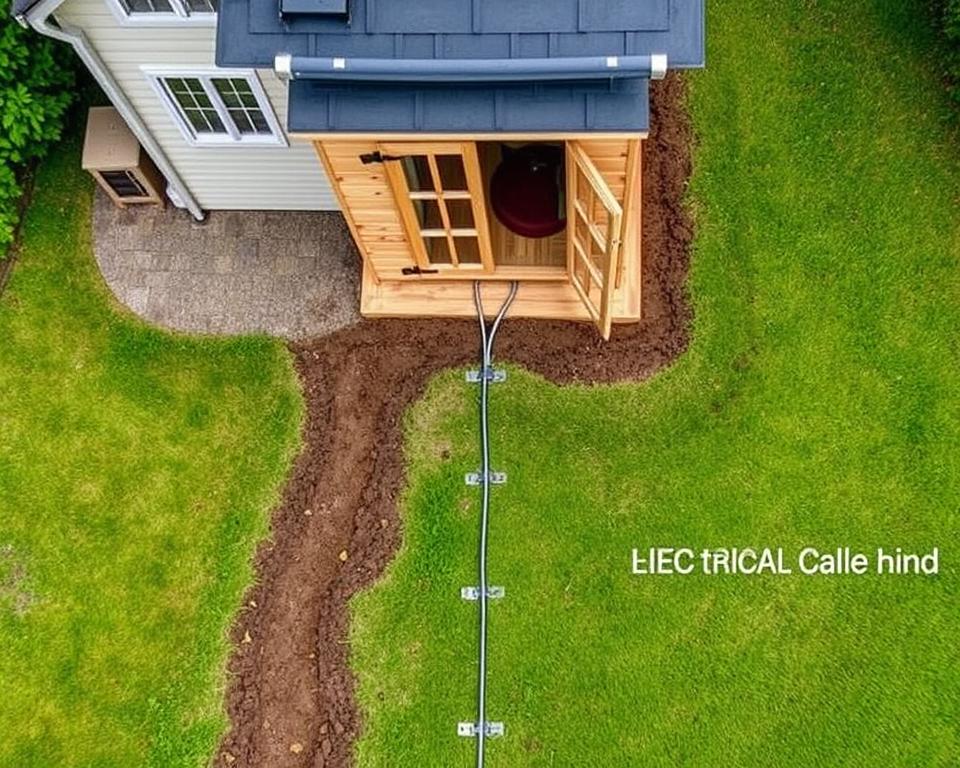
Your choice between overhead and underground installation depends on several factors. Overhead cables cost less to install but may look unsightly and require a minimum clearance of 3.5 metres above ground. Underground cables offer a neater appearance and better protection from weather damage, though they involve more labour and materials.
For underground installations, underground cable depth regulations specify 450mm beneath footpaths and 750mm under driveways. Steel wire armoured (SWA) cable or standard cable in protective conduit both work well for buried installations.
Calculating Cable Length and Voltage Drop
Accurate voltage drop calculation ensures your shed receives adequate power. Measure the total distance from your consumer unit to the shed, adding 10% for corners and connections. The permitted voltage drop mustn’t exceed 3% of supply voltage.
| Cable Size | Maximum Length (20A Load) | Voltage Drop |
|---|---|---|
| 2.5mm² SWA | 27 metres | 2.8% |
| 4mm² SWA | 44 metres | 2.9% |
| 6mm² SWA | 66 metres | 2.8% |
Marking Out Your Cable Route
Before excavation begins, proper shed cable sizing and route marking prevents damage to existing services. Use a CAT scanner to locate buried pipes, cables, and drains. Mark your chosen route with spray paint or wooden stakes, maintaining safe distances from gas mains, water pipes, and drainage systems. Document the route with photographs for future reference.
How to Install Electricity in a Garden Shed
Installing electrics in your garden shed transforms it from a simple storage space into a functional workshop or office. Proper shed wiring installation requires careful planning and methodical execution. This section guides you through the practical steps of bringing power to your outbuilding safely and efficiently.
Preparing the Shed for Electrical Installation
Start by planning where you’ll position sockets and switches. Mark locations for electrical fitting mounting at appropriate heights – typically 450mm for sockets and 1200mm for light switches. Drill entry holes for cables, ensuring they slope downwards to prevent water ingress. Install metal or plastic backboxes at each marked position, securing them firmly to the shed structure.

Running Cables from Your Consumer Unit
The consumer unit connection forms the heart of your electrical supply. Run steel wire armoured (SWA) cable from a spare way in your main consumer unit or through a dedicated switchfuse. Choose cable size based on your calculated load and distance – typically 4mm² or 6mm² for most shed applications. Secure the cable properly along its entire route using appropriate clips.
Installing a Sub-Board in Your Shed
Sub-board installation provides localised control and protection for your shed circuits. Mount a small consumer unit inside your shed, complete with:
- RCD protection (30mA sensitivity)
- Appropriate MCBs for lighting and socket circuits
- Proper earthing connections
- Clear circuit labelling
Mounting Sockets and Light Switches
Complete your electrical fitting mounting by installing weatherproof accessories. Use metal-clad sockets and switches for durability in shed environments. Connect each fitting with proper earthing arrangements. Test each connection before energising the system.
Safety Considerations and Best Practices
Prioritising electrical safety shed measures protects both you and your property from potential hazards. Creating a secure electrical installation requires careful attention to protective devices, proper earthing systems, and weatherproof components designed for outdoor use.
Installing RCD protection outdoor is essential for any garden shed electrical system. A 30mA residual current device detects even tiny leakage currents and cuts power within milliseconds, preventing electric shock. Mount your RCD in an accessible location near the shed entrance for quick emergency disconnection.
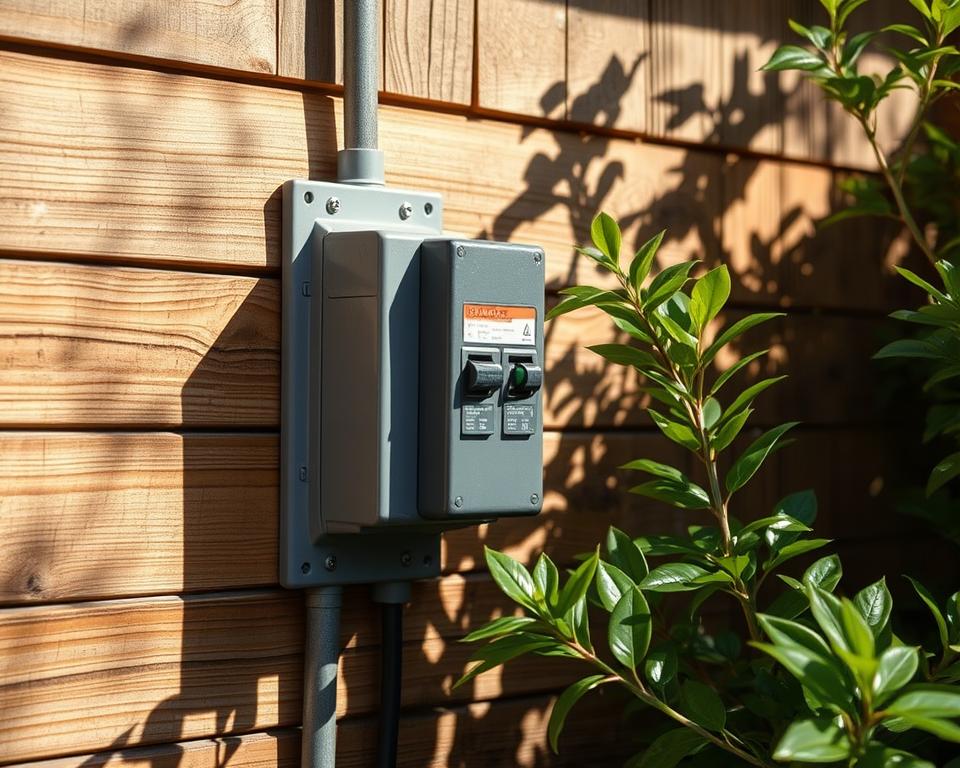
Proper earthing and bonding forms the backbone of electrical safety. Connect all metal parts, including conduit and switch boxes, to the earth system. For sheds without a direct connection to the main house earth, install a dedicated earth rod driven at least 1.2 metres into the ground. Test the earth resistance to ensure it meets safety standards.
Weather protection demands careful selection of components with appropriate IP rating outdoor electrics. Choose IP65-rated switches, sockets, and junction boxes for external locations. These ratings guarantee protection against water jets and dust ingress. Surface-mounted wiring benefits from galvanised steel conduit, providing both mechanical protection and additional earthing paths.
Regular maintenance keeps your installation safe. Perform visual inspections monthly, checking for damaged cables, loose connections, or signs of water ingress. Test your RCD quarterly using the test button, and arrange professional electrical inspections every five years. Keep circuits within their rated capacity—overloading creates fire risks and damages equipment.
Testing and Commissioning Your Shed Electrics
Before switching on your newly installed shed electrics, proper electrical testing shed procedures are essential for safety and compliance. Testing verifies that your installation works correctly and meets British Standards. This crucial step protects both your property and anyone using the shed.
Initial Safety Checks
Start by visually inspecting all connections, ensuring terminals are tight and cables are properly secured. Check that all protective devices are correctly rated and RCDs are functioning. Verify earth bonding connections are secure and continuous throughout the installation.
Key areas to examine include:
- Cable insulation for damage or exposed conductors
- Correct polarity at all outlets
- Proper sealing of cable entries
- Secure mounting of all electrical accessories
Using a Multimeter for Testing
Professional multimeter testing confirms your installation operates safely. Set your calibrated multimeter to measure AC voltage and check each socket reads 230V. Test earth continuity by measuring resistance between earth terminals – readings should be below 1 ohm.

Perform insulation resistance tests at 500V DC between live conductors and earth. Acceptable readings exceed 1 megohm. Test RCD functionality by pressing the test button – it should trip within 300 milliseconds.
Final Inspection Requirements
After commissioning garden electrics, a registered electrician must conduct comprehensive testing to BS 7671 standards. They’ll measure earth loop impedance, verify RCD trip times, and perform complete circuit testing. Upon successful completion, you’ll receive an electrical inspection certificate and Building Regulations Compliance Certificate for notifiable work.
Common Mistakes to Avoid When Wiring a Garden Shed
Even experienced DIYers can make critical shed wiring mistakes that compromise safety and functionality. Understanding these common pitfalls helps ensure your installation meets British Standards whilst protecting your property and family from electrical hazards.
Undersizing Cables and Circuit Breakers
Cable sizing errors rank amongst the most dangerous mistakes in shed electrics. Using 2.5mm² cable for runs exceeding 20 metres causes significant voltage drop, leaving tools underpowered and creating fire risks. Calculate cable sizes using BS 7671 tables, accounting for distance and load requirements.
Improper Earthing and Bonding
Earthing faults outdoor pose serious shock risks, particularly in metal sheds. Every shed requires proper main earth bonding connected to your house’s earthing system. Metal structures need supplementary bonding to prevent dangerous voltage differences during fault conditions.
Inadequate Weather Protection
Weatherproofing electrics prevents moisture ingress that causes short circuits and corrosion. Seal all cable entry points with appropriate glands and weatherproof compounds. Using indoor-rated switches or sockets outdoors invites dangerous failures when rain penetrates unsealed enclosures.
Ignoring RCD Protection Requirements
Installing circuits without RCD protection violates regulations and endangers users. All shed circuits must have 30mA RCD protection, either at the consumer unit or via a dedicated RCD socket. This device cuts power within milliseconds if earth leakage occurs, preventing fatal shocks.
Conclusion
Installing a proper garden shed electrical installation transforms your outdoor space into a practical workshop or hobby area. The process requires careful planning and attention to detail. You must consider power requirements, cable routes, and safety measures before starting any work. A well-planned installation provides years of reliable service and enhances your shed’s usefulness.
DIY shed electrics UK regulations are strict for good reasons. Part P of the Building Regulations protects homeowners from electrical hazards. Some preparatory work like digging trenches or mounting conduits can be done yourself. The actual wiring and connections need a qualified professional electrician shed wiring specialist. This ensures your installation meets all electrical safety compliance standards and passes inspection.
Your garden shed deserves safe and reliable power. Following proper procedures protects your property and family whilst giving you confidence in the installation. A registered electrician provides certification and peace of mind. The investment in professional installation pays off through safety, reliability, and compliance with UK regulations.
FAQ
Can I install electricity in my garden shed myself?
Under Part P Building Regulations, most electrical work in garden sheds requires a qualified electrician registered with NICEIC, NAPIT, or ELECSA. Whilst you can prepare cable routes and mount backboxes, any work involving new circuits from your consumer unit or installations in outbuildings is notifiable and must be completed by a Part P registered electrician to ensure safety and legal compliance.
How much does it cost to run electricity to a shed?
The cost typically ranges from £500 to £1,500, depending on distance from your house, cable route (underground or overhead), and electrical requirements. This includes materials like SWA armoured cable, a sub-board with RCD protection, sockets, switches, and professional installation. Underground installations cost more due to trenching requirements at 450mm depth for paths or 750mm under driveways.
What size cable do I need for my garden shed?
Cable size depends on your shed’s power requirements and distance from the consumer unit. For typical garden sheds up to 30 metres away, 6mm² or 10mm² SWA armoured cable usually suffices. Calculate voltage drop using BS 7671 tables – maximum 3% drop is permitted. Undersizing cables causes excessive voltage drop and potential overheating, so proper calculation is essential.
Do I need building regulations approval for shed electrics?
Yes, electrical installations in garden sheds fall under Part P Building Regulations. Your registered electrician will notify building control within 30 days of completion and provide an Electrical Installation Certificate. For DIY work, you must apply for building control inspection before starting, though most shed electrical work requires professional installation for safety compliance.
Is armoured cable necessary for garden shed electricity?
Yes, Steel Wire Armoured (SWA) cable is essential for permanent outdoor electrical installations. It provides mechanical protection against damage from gardening tools, ground movement, and moisture. Standard PVC cables aren’t suitable for direct burial or outdoor use. For overhead installations, you’ll still need appropriate outdoor-rated cables with UV protection.
What’s the minimum burial depth for electrical cables to a shed?
Underground cables must be buried at least 450mm deep under footpaths and 750mm deep under driveways or areas subject to vehicle traffic. Use protective ducting and warning tape 150mm above the cable. Mark your route carefully, avoiding existing services like water pipes, drains, and gas mains – use a CAT scanner for accurate detection.
Can I use an extension lead instead of permanent wiring?
Extension leads provide temporary power but aren’t suitable for permanent shed use. They pose fire risks when overloaded, aren’t weatherproof, and violate insurance terms for permanent installations. Weatherproof outdoor sockets with armoured cable spurs offer safer temporary solutions, though permanent wiring with RCD protection remains the recommended approach for regular shed use.
How do I know if my shed electrics are safe?
Safe shed electrics feature 30mA RCD protection, proper earthing with tested earth loop impedance, IP65-rated external fittings, and correctly sized cables and circuit breakers. Have your installation tested by a qualified electrician who’ll check insulation resistance, RCD trip times, and issue an Electrical Installation Certificate confirming compliance with BS 7671 wiring regulations.

