Gutter System Installation for Garden Sheds

Installing a gutter system on a garden shed is a practical upgrade that protects your shed, garden and foundations from rain damage. This short guide sets out what to expect from a full article on shed gutter installation in the UK, covering material choice, sizing, fixings, installation steps and drainage options tailored to British weather and building practice.
The article is aimed at owners of timber, metal and composite garden sheds, allotment holders, small-scale landscapers and DIY self-builders. You will learn how garden shed rainwater management prevents timber rot, shields foundations and improves site drainage. It also explains how simple changes let you harvest rainwater into a butt for watering borders and containers.
The guide references reputable UK suppliers and brands for parts and advice, such as Wickes, Screwfix, Jewson, Marley and Osma, and reminds readers to consult Building Regulations and local council guidance where relevant. Follow the full piece to gain confidence in shed guttering UK options, from basic shed gutter installation to integrated drainage solutions.
Inhaltsverzeichnis
Key Takeaways
- Installing a gutter system on a garden shed reduces water damage and extends shed life.
- Shed gutter installation improves garden shed rainwater management and enables rainwater harvesting.
- Choose materials and fixings suited to timber, metal or composite sheds in the UK climate.
- Buy parts from reputable suppliers such as Wickes, Screwfix, Jewson, Marley and Osma.
- Check Building Regulations and local council advice for drainage and neighbour considerations.
Why a Gutter System Is Important for Garden Sheds
Adding a gutter system to a garden shed goes beyond neatness. Gutters manage run-off from the roof so rainwater does not concentrate at the shed base. That simple change helps protect shed foundation and keeps the soil around the building stable, lowering the chance of subsidence on soft or clay soils common across parts of the UK.
Protecting shed foundations and surrounding soil
Uncontrolled roof run-off directs large volumes of water to the same spot. Over time this causes soil erosion, deep puddles and loss of bearing capacity beneath floor joists. A well-sized gutter and downpipe divert roof water to a soakaway or drain. This reduces frost heave risk in winter and helps protect shed foundation from gradual undermining.
Preventing timber rot and prolonging shed life
Timber rot starts when wood stays damp for long periods. Wet rot and dry rot fungi thrive where splashback and constant dampness affect cladding, door frames and base timbers. Gutters reduce splash and channel water away, helping to prevent timber rot and extending the life of treated timber and joinery.
Managing water run-off to protect plants and pathways
Run-off that is not controlled will wash topsoil from flower beds, displace mulch and compact gravel paths. Proper garden drainage keeps planting areas intact and stops patios from becoming algae-prone and slippery. Capturing roof water into a rainwater butt also offers a practical way to reuse rain for watering, while keeping paths safer in frosty spells.
In regions of the UK with higher rainfall, such as western and northern counties, the benefits of correctly sized gutters are more pronounced. Aside from reduced staining of walls and cleaner windows, a good gutter system supports healthier landscaping and easier access around the shed.
Installing a Gutter System on a Garden Shed
Fitting a gutter to a garden shed protects the building and the area around it. This short guide outlines the practical steps for installing a gutter system on a garden shed and highlights key measurements, gutter fall requirements and essential gutter tools.

Overview of the installation process
Begin by assessing the roofline and shed construction. Decide on the gutter profile and material that suits the shed and local weather. Measure the run length and mark bracket positions before any fixing.
Follow these core gutter installation steps: fit brackets with the correct fall, attach gutter lengths and joints, add outlets and connect the downpipe to a rainwater butt or soakaway, then seal and test the system for leaks and flow.
Key measurements and slope requirements
Calculate roof catchment area by multiplying roof length by its projection. Use that figure to check gutter capacity against local British rainfall peaks, often in the range of 55–75 mm/hr for design guidance.
Measure total gutter run length and plan the number and position of outlets and downpipes. Mark high and low ends clearly so the fall runs from the high to the low end.
For small runs aim for a gentle fall in line with typical gutter fall requirements. A slope of 1:500 to 1:600 (about 2–5 mm fall per metre) ensures water moves to outlets without pooling or excessive gradient.
Tools and safety considerations
Have the right gutter tools to hand. Essential items include a spirit level, tape measure, chalk line, hacksaw or tin snips, cordless drill, screwdriver and a ladder with stabiliser. Fit gloves, safety glasses and a dust mask when cutting or drilling.
Observe ladder safety and work with a partner on tall sheds. Take care with fragile roofing such as fibreglass or polycarbonate to avoid cracking. Plan bracket placement so the gutter remains accessible for cleaning and future maintenance.
| Task | Key action | Tool |
|---|---|---|
| Assess roof and plan | Measure roof catchment and run length; decide outlet positions | Tape measure, notebook |
| Mark fall line | Set high and low points to achieve correct slope | Spirit level, chalk line |
| Fit brackets | Secure brackets at regular centres with fall maintained | Drill, screwdriver |
| Cut and join gutters | Cut to length, fit joiners and seal joints | Hacksaw or tin snips, sealant |
| Install outlets and downpipe | Attach outlets; route downpipe to butt or soakaway | Hole saw, brackets |
| Test and adjust | Run water to check flow and seals; adjust fall if needed | Bucket, hose, spirit level |
Choosing the Right Gutter Materials for Outdoor Structures
Selecting suitable gutter materials for sheds affects performance, cost and appearance. The choice depends on local weather, budget and how long you want the system to last. This section compares common options and highlights finish, weather-resistance and lifecycle trade-offs.
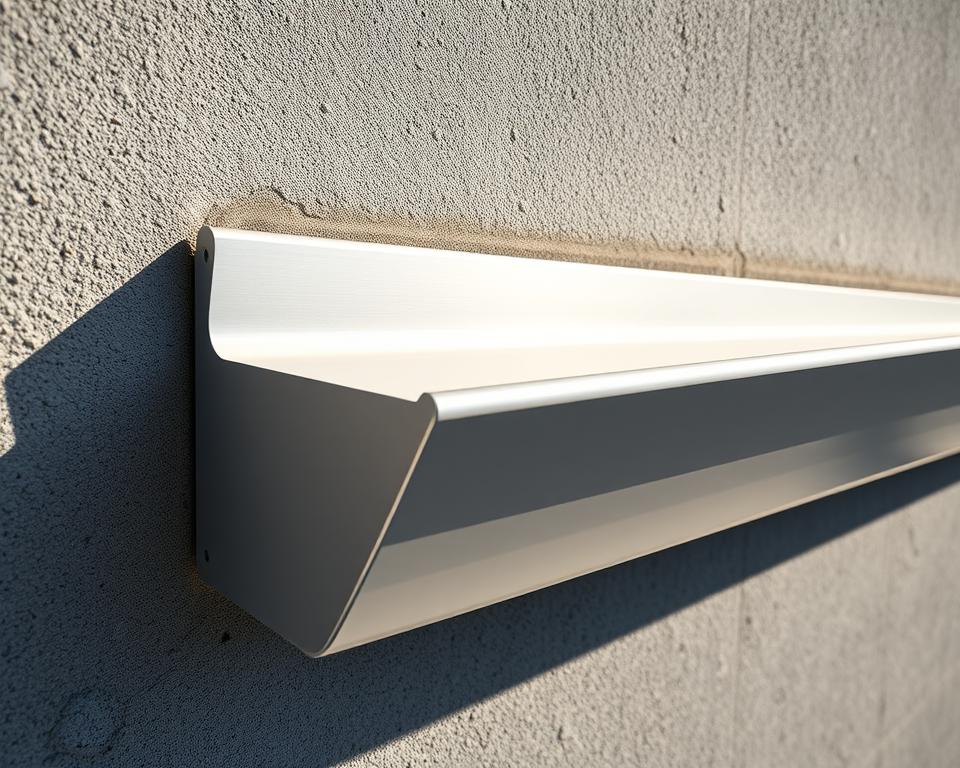
Comparing PVC, aluminium and galvanised steel
uPVC is light, simple to fit and inexpensive. It resists corrosion and works well with push-fit or solvent-weld joints. UV-stabilised uPVC from brands such as Marley or Osma reduces the risk of brittleness in strong sun.
Aluminium offers a step up in strength without heavy weight. It will not rust, accepts powder-coating for colour options and suits coastal locations when specified as marine-grade. A dent is possible, but long life is typical.
Galvanised steel is the toughest for impact and heavy debris. It costs a little more than basic PVC and needs a protective finish to avoid long-term rust. Many installers choose galvanised options for robust, high-traffic areas.
Colour, finish and weather resistance
Match gutter colour to shed cladding or roofline to keep a tidy look. Standard tones in the UK include black, brown, white and heritage greens or greys. Powder-coated aluminium and coloured uPVC hold their finish well.
Painted steel looks smart on installation but may need repainting over time. Stainless steel fasteners and anti-corrosion treatments extend life in salt-spray zones or where snow lies for long periods.
Cost versus longevity considerations
uPVC is the most budget-friendly option with typical lifespans from 10 to 25 years. Aluminium costs more upfront but can exceed 25 years with minimal upkeep.
Galvanised steel sits between the two on cost and offers strong durability if maintained. Factor in installation complexity and potential replacement costs when choosing.
Below is a concise comparison to help decide. The rows compare key performance, appearance and cost factors relevant to garden buildings and small outdoor structures.
| Material | Typical Lifespan | Cost Level | Appearance & Finish | Weather Resistance |
|---|---|---|---|---|
| uPVC (PVC) | 10–25 years | Low | Coloured options, retains colour if UV-stable; easy to repair | Good for general UK climates; select UV-stabilised for sun-exposed sites |
| Aluminium | 25+ years | High | Powder-coated finishes in many colours; sleek modern look | Excellent corrosion resistance; specify marine-grade near coasts |
| Galvanised steel | 15–30 years (with maintenance) | Medium | Painted or coated; classic industrial appearance | Strong under impact and debris; requires coatings to prevent rust |
Weigh the pros and cons of gutter materials for sheds with your local climate in mind. Consider PVC vs aluminium gutters when budget and colour retention matter. Compare galvanised steel vs PVC if impact resistance is a priority. Weather-resistant guttering implies the right combination of material, finish and fixings for long-term performance.
Selecting the Correct Gutter Size and Profile for Small Roofs

Choosing the right gutter size for garden shed roofs starts with a simple roof catchment calculation. Multiply the length of the gutter run by the average projection of the roof. Use that catchment area with local rainfall intensity to select capacity. For most small sheds, a 65–100 mm gutter will be suitable.
Flow rates guide practical selection. UK practice shows modest roofs perform well with 65 mm or 75 mm uPVC gutters under normal rainfall. If you are in a high-rainfall area or have a larger shed roof, consider 100 mm profiles to reduce overflow risk.
Gutter profile types matter for looks and maintenance. K-style profiles have a flat back and a decorative face. They offer good capacity and match many domestic buildings. Half-round gutters provide a traditional semicircular shape that resists debris build-up and suits timber sheds. Square, or box, gutters deliver a modern aesthetic and high capacity, though flat tops can collect leaves more easily.
Match gutter profile types to the shed style and the expected debris load. Half-round is easiest to clean. K-style balances capacity and appearance. Square gutters work well where a contemporary look takes priority.
Downpipe sizing must match the gutter capacity and roof area. Typical shed installations use 32–50 mm uPVC downpipes feeding rainwater butts. Use 68 mm where higher flows demand greater discharge. Position outlets to prevent overflow, and fit connectors to standard rainwater butt fittings such as 3/4″ or 1″ used by many manufacturers.
Long runs benefit from multiple outlets. Splitting the flow across two smaller downpipes reduces risk of overflow and eases downpipe sizing choices. Check that outlet positions keep water clear of pathways and foundations.
You can use the following quick reference to compare common combinations:
| Gutter Width | Typical Use | Suggested Downpipe | Notes |
|---|---|---|---|
| 65 mm | Small timber or metal sheds | 32–38 mm | Good for modest catchments and rainwater butts |
| 75 mm | Standard domestic shed roofs | 38–50 mm | Balanced capacity for average UK rainfall |
| 100 mm | Larger roofs or high-rainfall sites | 50–68 mm | Higher flow capacity; consider multiple outlets |
When in doubt, run a roof catchment calculation and pick the next size up if your site sees heavy storms. Properly matched gutters, considered gutter profile types and sensible downpipe sizing protect the shed and reduce maintenance over time.
Fixings and Bracket Types Suitable for Garden Sheds

Choosing the right fixings and brackets helps gutters perform well and last longer. Small sheds have different needs to houses. This short guide compares common options and explains how to fit them into timber, metal and composite walls.
External fascia brackets versus hidden hanger systems
External fascia brackets clip over the gutter edge for fast retrofits. They are visible but quick to install and work well where the fascia is accessible. These brackets suit lightweight roofs and simple repairs.
Hidden hangers sit inside the gutter and bolt to the fascia or rafter tails. They give a neater finish and better shear support, which helps when leaf build-up or wind puts extra strain on runs. uPVC systems often use hidden hangers for a clean look.
Fixing into timber, metal and composite sheds
Timber sheds take wood screws or coach screws with washers. Pre-drill to prevent splitting. Use treated or stainless fasteners to avoid staining and decay on contact with damp wood.
For metal sheds, use self-tapping tek screws with neoprene washers to seal penetrations. Aim fixings into purlins or framing members rather than thin cladding. Proper placement keeps the cladding watertight and sturdy.
Composite and plastic sheds need manufacturer guidance. Use plastic-specific fasteners and avoid over-tightening. Where panels are thin, fit timber or metal backing plates behind the fix point for a secure hold.
Corrosion-resistant fasteners and sealants
In wet or coastal locations choose stainless steel or hot-dipped galvanised screws and brackets. Corrosion-resistant screws protect threads and heads from rust, extending service life and reducing maintenance.
Use silicone or polyurethane sealants at joints and outlet connections. For uPVC gutters choose solvent welds or manufacturer-approved adhesives such as Osma solvent cement for a durable seal.
Bracket spacing affects sag and performance. Typical centres for uPVC are around 600 mm. Reduce spacing to 300–400 mm where heavy leaf fall or potential snow load exists. For roofs without fascia use gutter straps or rising brackets to support the run.
| Bracket / Fixing | Best for | Advantages | Key notes |
|---|---|---|---|
| External fascia brackets | Retrofits, simple timber sheds | Quick to install, clip-on | Visible; use corrosion-resistant screws if exposed |
| Hidden hangers | uPVC runs, neat finish | Cleaner appearance, better shear support | Requires solid fixing into fascia or rafter tail |
| Gutter straps / rising brackets | No fascia or lightweight roofs | Works where fascia absent; flexible positioning | Secure to rafters or roof structure; space more closely under load |
| Self-tapping tek screws (with neoprene washer) | Metal sheds and cladding | Sealing through metal, fast installation | Fix into framing, not thin cladding; use neoprene washer |
| Coach screws / wood screws | Timber sheds | High holding power, easy to pre-drill | Pre-drill holes; use washers and stainless or treated finish |
| Specialist plastic fasteners / backing plates | Composite / plastic sheds | Prevents panel damage; tailored to material | Follow manufacturer guidance; avoid over-tightening |
| Corrosion-resistant screws / brackets | Coastal or wet areas | Longer life, less maintenance | Choose stainless or hot-dipped galvanised options |
Integration with Downpipes and Drainage Solutions
A reliable gutter system needs sensible routing of collected water. This short guide explains practical ways to direct run-off, select pipework and avoid common problems such as backflow and frost damage.

Directing water to soakaways and rainwater butts
Fit a diverter kit to the downpipe for a simple rainwater butt connection. Diverters from Hozelock or Harvesting Rainwater systems let you fill a butt and send excess to an overflow line.
Place the butt on a stable base and link any overflow back to a soakaway or garden drain. If you plan a soakaway, sit it at least 5 metres from building foundations where possible and check ground percolation. Small soakaways can use crate systems or gravel-filled pits sized for expected volume. Speak to local building control when in doubt.
Using flexible pipework and underground drains
Flexible downpipe adaptors make alignment with butts or underground runs straightforward. For permanent underground drainage for sheds, use 68–110 mm sewer-grade uPVC or corrugated flexible pipe.
Include inspection chambers or accessible rodding points to clear blockages. Before tying into public surface water drains, check with the local water company such as Thames Water or United Utilities about permitted connections.
Preventing backflow and ensuring frost resistance
Fit leaf filters at gutter outlets to reduce debris entering pipework. Add a simple check valve or a dedicated overflow to stop water backing into the gutter or rainwater butt connection.
In frost-prone locations, bury runs below the typical frost line where possible. If burial depth is limited, use frost-resistant plastic fittings and insulate vulnerable sections to create frost-proof drainage. Avoid low points that trap water and freeze.
| Issue | Recommended solution | Typical materials |
|---|---|---|
| Connecting to a butt | Use a diverter kit and stable base; provide overflow to soakaway | Hozelock diverter, 68 mm adaptor, polyethylene butt |
| Routing underground | Use 110 mm uPVC for long runs; include inspection chamber | 110 mm sewer-grade uPVC, corrugated flexible pipe, access chamber |
| Preventing blockages | Install leaf filters and inspection points for rodding | Mesh leaf guard, rodding eye, plastic adaptors |
| Frost protection | Burial below frost line or use insulated, frost-resistant fittings | Frost-proof drainage fittings, pipe insulation, raised runs |
| Regulated connections | Consult local water company before joining public drain | Guidance from Thames Water, United Utilities; compliant pipes |
DIY Installation Steps and Common Pitfalls
A careful approach makes a DIY gutter installation shed project simple and long lasting. Start by inspecting the roof edge and surrounding timbers. Clean away debris, check fascia, bargeboards and rafter ends, and repair any rotten sections before fitting brackets.
Measure the run length precisely. Include corners, outlets and overlaps. If a shed lacks a fascia, fit a timber fascia or select rise-and-fall brackets or fascia-free clips to ensure a secure fixing.
Preparing the roof edge and measuring run length
Mark bracket positions at regular intervals and note outlet locations before cutting. Use a simple worksheet to record lengths, angles and the number of fittings required. An assistant helps when checking long runs from a ladder.
Cutting, joining and sealing gutter lengths
Use a fine-tooth saw or hacksaw for uPVC and aluminium. For galvanised steel, choose the correct metal-cutting blade. Deburr and chamfer the cut edges to ease joins and prevent seal damage.
Follow manufacturer instructions for joinery. Push-fit systems work with rubber seals. Solvent welds suit uPVC. Use silicone sealant on metal joins where recommended. Fit outlet sockets and secure them before fixing the full run into place.
Avoiding sagging, improper fall and leakage issues
Set the fall to about 2–5 mm per metre to prevent ponding or excessive flow. Incorrect fall is one of the common guttering mistakes that causes blockages or splash damage.
Space brackets closer for lightweight or long runs. Fixings must bite into solid backing, not thin cladding. Wrong fixings for shed material lead to droop and are a frequent error; use backing plates or attach to the frame where needed to avoid gutter sagging.
Clean joint faces before applying sealant. Allow expansion gaps when instructed by the manufacturer to reduce stress from thermal movement. Poor cleaning, wrong jointing methods and no allowance for expansion create leaks at the joins.
Work safely. Avoid working alone on ladders and keep hands free to steady components. Use correct protective kit and a second pair of hands for handling long gutter lengths.
Quick checklist for DIYers:
- Materials list: gutter lengths, outlets, corners, end caps, sealant and fixings.
- Tools: saws, files, drill, spirit level, tape measure and sealant gun.
- Safety kit: ladder stabiliser, gloves and eye protection.
- Test procedure: run a hose along the gutter to check flow and spot leaks before finishing.
Maintenance Tips to Keep Your Gutter System Functioning
Regular care keeps a garden gutter system working and prevents costly damage. A simple plan that sets out a gutter cleaning schedule, routine inspections and prompt repairs will protect the shed and surrounding landscaping.
Seasonal cleaning schedules and gutter guards
Clean gutters at least twice a year, in spring and autumn. Clear leaves, moss and debris by hand or with a scoop, then flush the runs with a hose to check flow. Increase visits if trees overhang the roof.
Fit gutter guards for sheds to reduce how often you need to clean. Mesh or foam guards cut down blockages. Inspect guards during each visit, since some types trap debris on top and need occasional clearing.
Inspecting joints, brackets and downpipes
Walk the gutter line and check for cracked joints, loose brackets and splayed ends. Tighten or replace distorted clips to stop sagging. Ensure downpipes and outlets are free-flowing and connected to soakaways or butts.
Look for corrosion on aluminium or steel fittings and for brittleness on uPVC after prolonged sun exposure. Swap corroded fixings for stainless or galvanised versions to extend life.
Repairing small leaks and replacing damaged sections
When you need to repair gutter leaks, start by cleaning the area and drying it. Use a manufacturer-approved sealant or a replacement rubber seal at joints. Tighten fastenings and test the run with water.
If a section is badly damaged, cut out a short length and join a new piece with couplers. This short section replacement method keeps original runs intact and is quicker than full replacements. Keep a log of inspection dates, works done and parts replaced to help with future maintenance and warranty claims.
Cost Estimates and Budgeting for Shed Guttering Projects
Planning out costs early helps keep a shed guttering project on track. Read this short guide to estimate materials, tools and labour so you can set a sensible shed guttering budget.
uPVC gutter runs (65–100 mm) are commonly priced around £3–£10 per metre. Aluminium sections sit a touch higher at about £8–£20 per metre. Galvanised steel can match the mid-range but may add finishing costs for paint or treatment. Brackets usually cost £1–£4 each and downpipe sections range from £2–£8. Expect fixings and sealants to total £10–£30 per job. Rainwater butt kits and diverters cost £20–£80 depending on quality.
Small accessories such as mitre corners, stop ends, outlet adaptors and clip connectors add modest extra cost. When tallying materials, include these parts so your guttering cost for shed installation does not balloon unexpectedly.
Tools
If you already own a basic tool set you can keep DIY shed gutter costs low. For those who need equipment, budget £50–£200 for a saw, drill, ladder and spirit level. Higher quality tools raise the up-front spend but reduce the chance of mistakes that could lead to extra expense.
Labour and hiring a tradesperson
Many homeowners weigh DIY against the hire gutter installer cost. For a simple shed gutter fit, expect local tradespeople to charge from £100–£300. More complex jobs or taller buildings can run £300–£600. Rates vary by region, call-out fees and the contractor’s experience. Always get multiple quotes and check credentials on recognised UK platforms such as Checkatrade or TrustATrader.
Choosing to DIY cuts labour outlay yet increases the time investment and risk of errors. Consider paying to hire a professional for work at height or where roof repair is needed after removing old fascias.
Long-term savings and contingency
Good guttering prevents timber rot, foundation damage and erosion. Avoiding repairs to shed cladding or garden landscaping can save hundreds or thousands of pounds over a decade. Factor long-term savings into your shed guttering budget when comparing upfront costs.
Include a contingency of 10–20% for unexpected discoveries such as rotten fascia or reinforcement needs. This buffer covers additional materials, replacement timbers or extra labour without derailing the project.
Summary table of typical UK costs
| Item | Typical cost | Notes |
|---|---|---|
| uPVC gutter per metre | £3–£10 | Common choice for sheds; low maintenance |
| Aluminium gutter per metre | £8–£20 | Lighter, more durable finish options |
| Brackets | £1–£4 each | Spacing and load affect quantity |
| Downpipe sections | £2–£8 | Match diameter to flow needs |
| Fixings & sealants | £10–£30 | One-off per job |
| Rainwater butt kit | £20–£80 | Useful for water reuse |
| Tools (if required) | £50–£200 | One-off purchase |
| Professional installation | £100–£600 | Depends on complexity and height |
Use the figures above to craft a realistic shed guttering budget that balances upfront DIY shed gutter costs with the hire gutter installer cost when needed. Small investments now reduce the chance of expensive repairs later and protect the value of your garden building.
Complying with Building Regulations and Local Considerations
Before fitting gutters to a shed, check local rules and practical limits. Small garden sheds usually fall under permitted development in the UK. Guttering alone rarely needs planning permission shed approvals. Work that raises roof height, alters impermeable area or moves eaves close to a boundary may change that status.
If you plan groundworks for soakaways or to connect to a public sewer, contact your local authority or water company such as Severn Trent or Anglian Water. Those connections can trigger building regs for shed guttering and require permits. Local building control can confirm whether Building Regulations apply to your project.
Clear communication with neighbours reduces disputes. Avoid directing downpipe outlets onto an adjoining property. Shared drains and blocked pipework often cause friction and can lead to council enforcement. Understanding drainage responsibilities helps you choose a route that keeps water on your land or into an agreed public drain.
Adopt sustainable drainage where possible. Permeable soakaways, crate systems and rain gardens follow Sustainable Drainage Systems (SuDS) principles. Such measures cut surface run-off and support biodiversity in urban gardens.
Consider rainwater harvesting for garden use. A simple rain butt reduces mains use and can work alongside guttering. Some local councils and schemes list rainwater harvesting incentives UK or small grants for SuDS installations. Check local council guidance for current offers.
Dispose of old materials responsibly. Metal gutters can go to civic amenity recycling centres. uPVC recycling depends on local facilities. Recycling reduces landfill and fits with broader environmental aims.
Consult local authority planning pages and your water company early. They provide specific advice on permits, building regs for shed guttering and any limits linked to planning permission shed queries. Doing this before you start saves time and avoids costly alterations later.
| Issue | When it applies | Who to contact | Practical next step |
|---|---|---|---|
| Change to roof height or eaves | When altering structure or raising ridge | Local planning authority | Submit pre-application enquiry for planning permission shed |
| Connecting to public sewer | Any new connection or reroute to sewer | Local water company (e.g. Severn Trent, Anglian Water) | Seek consent and follow water company guidance |
| Soakaway or groundworks | Installing attenuation or infiltration features | Building control and local authority | Check building regs for shed guttering and SuDS guidance |
| Neighbourhood drainage disputes | When runoff affects adjacent property | Neighbour, local council | Agree routing, keep records and avoid direct discharge |
| Rainwater harvesting incentives | Projects that reduce mains use or promote SuDS | Local council or environment schemes | Apply for local grants and choose compliant systems |
Conclusion
Installing a gutter system on a garden shed protects the shed structure and the surrounding soil by directing rainwater away from foundations and timber. Choosing the right material and profile — whether PVC, aluminium or galvanised steel — and sizing the gutter and downpipe to suit roof catchment are key decisions that affect long-term performance.
Correct installation of fall, secure fixings and an appropriate drainage route ensure effective garden shed rainwater management UK, reduce the risk of rot and erosion, and create opportunities for rainwater harvesting. Regular maintenance, such as seasonal cleaning and inspecting joints, prevents small issues from becoming costly repairs.
For next steps, assess your shed and site, take accurate measurements, and select materials and brackets suited to local conditions. Budget realistically and consider professional help for high or complex installations; reputable suppliers and merchants such as Wickes, Screwfix, Jewson and Marshalls can supply parts and advice, while qualified tradespeople provide verified credentials.
Use this shed guttering summary to plan and execute a compliant, durable installation that prolongs shed life and protects your garden. If in doubt about drainage connections, consult local building control or your water company before work begins.
FAQ
What are the benefits of installing a gutter system on a garden shed?
Installing a gutter system on a garden shed protects foundations and surrounding soil from concentrated roof run‑off, reduces the risk of timber rot and prolongs the shed’s lifespan. Gutters prevent soil erosion, splashing onto cladding and doors, keep paths and beds cleaner, reduce algae and moss growth, and create an opportunity for rainwater harvesting into butts for watering. Properly sized gutters are especially important in the wetter regions of the UK.
Which materials are best for shed gutters — uPVC, aluminium or galvanised steel?
Choice depends on budget, location and longevity. uPVC is lightweight, cost‑effective and corrosion‑proof but can become brittle under prolonged UV; choose UV‑stabilised products from brands such as Marley or Osma. Aluminium is durable, powder‑coatable and suitable for coastal sites when specified as marine‑grade. Galvanised steel is robust and impact‑resistant but needs protective coatings and occasional maintenance. Use stainless or hot‑dip galvanised fixings in wet or coastal areas.
How do I calculate the correct gutter size for my shed?
Calculate roof catchment by multiplying the gutter length by the roof projection to get the area. Select gutter capacity using local rainfall intensity; for most small UK sheds 65–100 mm gutters suffice. Half‑round or K‑style 65–75 mm gutters are common for modest roofs, while 100 mm profiles suit larger or high‑rainfall sites. Ensure downpipe sizing (typically 32–68 mm for sheds) matches the gutter and outlet design to avoid overflow.
What fall or slope is required when installing shed gutters?
Aim for a fall between 1:500 and 1:600 — about 2–5 mm of drop per metre of gutter run. This ensures water flows to outlets without ponding or creating excessive velocity. Mark the high and low points using a spirit level or chalk line before fixing brackets and check fall again after bracket installation.
Which bracket and fixing types suit timber, metal and composite sheds?
For timber use wood screws or coach screws with washers and pre‑drill to avoid splitting. For metal sheds use self‑tapping tek screws with neoprene washers and aim to fasten into purlins or framing rather than thin cladding. For composite/plastic sheds follow manufacturer guidance; backing plates or timber battens may be needed. Use external fascia brackets for retrofit ease or hidden internal hangers for a neater finish. Use stainless or galvanised fasteners in damp or coastal conditions.
How do I connect downpipes to rainwater butts or soakaways?
Use downpipe diverters or outlet adaptors to feed rainwater butts — many kits fit ¾” or 1″ connectors. For soakaways, run underground pipework (commonly 68–110 mm) to a crate system or gravel pit sized for expected volumes and percolation. Ensure outlets do not discharge onto neighbours’ property and check with local water companies if connecting to public surface water drains. Use access points or inspection chambers for long runs.
What tools and safety measures are needed for a DIY installation?
Essential tools include tape measure, spirit level, chalk line, cordless drill, screwdrivers, fine‑tooth saw or hacksaw (and tin snips for metal), ladder with stabiliser and PPE (gloves, safety glasses, dust mask). Work with a partner when using ladders, avoid overreaching, respect brittle roofing materials such as polycarbonate, and plan fixing positions for future access and cleaning.
What are common installation mistakes and how can I avoid them?
Common errors are incorrect fall (causing ponding), insufficient bracket spacing (leading to sagging), poor jointing (causing leaks), and fixing into thin cladding rather than framing. Avoid these by setting correct fall (2–5 mm/m), spacing brackets typically every 600 mm for uPVC (closer in heavy leaf or snow areas), using manufacturer‑approved joining methods (solvent welds, rubbers or sealant), and securing fixings into solid backing or using backing plates.
How often should I clean and inspect shed gutters?
Clean gutters at least twice a year — spring and autumn — and more often if overhanging trees deposit leaves. Remove debris by hand or with a scoop and flush with a hose. Inspect joints, brackets, downpipes and outlets for cracks, corrosion or blockages. Fit gutter guards or mesh filters to reduce debris but remember they need occasional clearing too.
How much will a typical shed guttering project cost in the UK?
Material costs vary: uPVC 65–100 mm gutters circa £3–£10 per metre, aluminium £8–£20 per metre, galvanised steel mid‑range with finishing costs. Brackets and fittings add per‑item costs; rainwater butt diverters from £20–£80. Tools may be a one‑off £50–£200 if not owned. Professional installation for a small shed often ranges from £100–£300; more complex or taller jobs can be £300–£600. Budget a 10–20% contingency for unexpected repairs found during installation.
Are planning permission or building regulations relevant for shed guttering?
Guttering alone rarely requires planning permission. However, changes that affect roof drainage to public sewers, significant groundworks (soakaways) or alterations to building height and proximity to boundaries may trigger Building Regulations or require water company consent. Check local authority guidance and consult water companies such as Thames Water or Severn Trent when connecting to public surface water drains.
How can I manage rainwater sustainably from my shed roof?
Fit a rainwater diverter into the downpipe to fill a butt or connect to a small crate soakaway or rain garden to improve biodiversity and reduce run‑off. Use branded diverter kits or Hozelock systems for simple retrofits. Ensure butts sit on a stable base, fit overflow back to a soakaway, and avoid discharging onto neighbours’ land. Consider local incentives for Sustainable Drainage Systems (SuDS) where available.
What should I do if I discover rotten fascia or timber when installing gutters?
Stop and repair or replace rotten fascia, bargeboards or rafter ends before fixing gutters. Reinstate sound timber or fit new treated timber fascias and use appropriate stainless or galvanised fixings. If rot is extensive consult a professional; repairing the substrate ensures secure fixings and long‑term performance of the gutter system.
Can I retrofit gutters to a shed that has no fascia boards?
Yes. Options include fitting a timber fascia before installing brackets, using rise‑and‑fall or fascia‑free bracket systems, or using gutter straps that attach to the roof structure. Ensure whatever method chosen provides solid backing for fixings and allows future access for cleaning and maintenance.