Insulating Your Summerhouse: Techniques to Protect and Preserve

In the UK, where the climate can be quite varied, summerhouse insulation plays a crucial role in maintaining a comfortable temperature within your summerhouse throughout the year.
Proper insulation helps in keeping the summerhouse warm during the colder months and cool during the warmer months, enhancing its usability and protecting it from potential damage caused by extreme temperatures and moisture.
By implementing effective insulation energy efficiency is improved, making your summerhouse a more enjoyable space. In this article, we will explore various techniques and materials for insulating your summerhouse effectively.
Inhaltsverzeichnis
Key Takeaways
- Proper insulation maintains a comfortable temperature in your summerhouse.
- Effective insulation enhances the usability of your summerhouse.
- Insulation protects your summerhouse from damage caused by extreme temperatures.
- Energy efficiency is improved with proper insulation.
- Various techniques and materials can be used for summerhouse insulation.
The Importance of Summerhouse Insulation in the UK Climate
With the UK experiencing a wide range of weather conditions throughout the year, proper insulation is key to ensuring your summerhouse remains usable year-round. The UK’s climate variability poses significant challenges for maintaining a comfortable and sustainable summerhouse.
Understanding the British Weather Challenges
The UK weather is known for its unpredictability, with cold winters and mild summers. This variability can lead to moisture-related issues and structural damage if not addressed through proper insulation.
Year-round Benefits of a Well-insulated Summerhouse
A well-insulated summerhouse provides numerous benefits, including enhanced comfort, reduced energy consumption, and protection against damp and moisture-related issues. The table below outlines the key advantages:
| Benefit | Description |
|---|---|
| Enhanced Comfort | Maintains a comfortable temperature inside the summerhouse throughout the year. |
| Energy Efficiency | Reduces the need for heating and cooling, lowering energy costs. |
| Structural Protection | Prevents damp and moisture-related damage, prolonging the structure’s lifespan. |
https://www.youtube.com/watch?v=-yy-VkU4EGA
By understanding the importance of insulation and its benefits, you can take the first step towards creating a more sustainable and comfortable summerhouse. Effective insulation ensures that your summerhouse remains a pleasant retreat, regardless of the outside weather conditions.
Assessing Your Summerhouse’s Current Condition
To effectively insulate your summerhouse, you first need to understand its current condition. This involves a comprehensive evaluation of its structure and identifying areas that require improvement.
Identifying Existing Insulation Problems
Start by checking for gaps or inadequate insulation in walls, floors, and roofs. Look for signs of moisture, such as damp patches or condensation, which can indicate insulation issues. Poor insulation can lead to heat loss and increased energy bills.
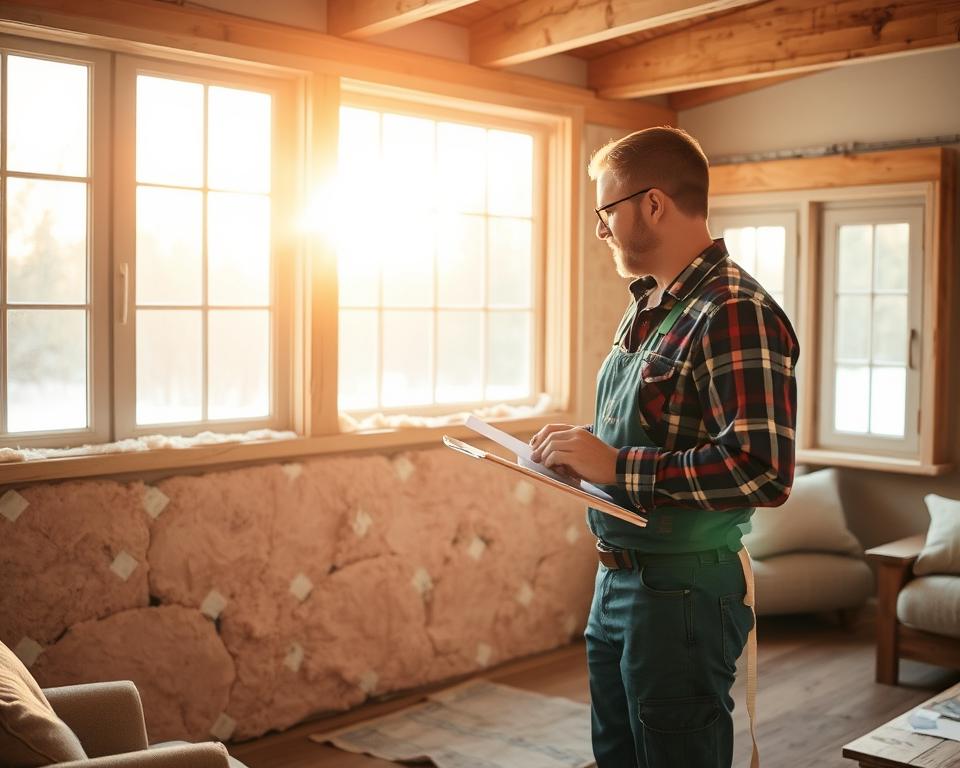
Conducting a Thorough Inspection
Walk around your summerhouse and inspect it from the outside. Check the condition of the roof, walls, windows, and doors. Look for any cracks, gaps, or damaged areas that could be letting heat escape. Inside, check for drafts and cold spots, which can indicate where insulation is lacking.
Creating an Insulation Plan
Based on your findings, create a comprehensive insulation plan. This should outline the type of insulation needed, the materials required, and any necessary repairs or preparations. Consider factors like the age of your summerhouse, its construction, and local building regulations when developing your plan.
Types of Insulation Materials Suitable for Summerhouses
Insulating your summerhouse effectively starts with understanding the different materials available. The right insulation can make your summerhouse comfortable throughout the year, while also reducing energy costs.
Fibreglass and Mineral Wool Options
Fibreglass and mineral wool are among the most commonly used insulation materials. Fibreglass is known for its effectiveness and relatively low cost. It’s available in various forms, including batts and rolls, making it versatile for different summerhouse constructions. Mineral wool, on the other hand, offers excellent fire resistance and can be used in areas where moisture is a concern.
| Material | Thermal Performance | Moisture Resistance | Cost |
|---|---|---|---|
| Fibreglass | Good | Moderate | Low |
| Mineral Wool | Good | High | Moderate |
Rigid Foam Insulation Boards
Rigid foam insulation boards are another popular choice for summerhouse insulation. They offer high thermal resistance and can be used in various applications, including wall and floor insulation. These boards are particularly effective in maintaining a consistent temperature within your summerhouse.

Natural Insulation Alternatives
For those looking for eco-friendly options, natural insulation materials are gaining popularity. These materials are not only sustainable but also provide good thermal performance.
Using Sheep’s Wool for Insulation
Sheep’s wool is a natural, renewable insulation material that offers excellent thermal performance. It’s also breathable, helping to regulate moisture within your summerhouse. Sheep’s wool insulation is a great choice for those seeking an eco-friendly solution.
Reflective Foil Insulation
Reflective foil insulation works by reflecting radiant heat rather than absorbing it. This type of insulation is particularly effective when used in conjunction with other materials. It’s a good option for summerhouses, as it helps to keep the interior cool in the summer and warm in the winter.
By understanding the characteristics of each insulation material, you can make an informed decision about the best insulation for your summerhouse. Whether you prioritize cost, eco-friendliness, or thermal performance, there’s an insulation material suited to your needs.
Wall Insulation Techniques for Summerhouses
Insulating the walls of your summerhouse is essential for reducing heat loss and preventing moisture issues. Proper wall insulation can significantly enhance the comfort and energy efficiency of your summerhouse, making it a pleasant retreat throughout the year.
Internal vs External Wall Insulation
When it comes to wall insulation, you have two primary options: internal and external insulation. Internal wall insulation involves installing insulation material on the inside of the walls, which is ideal for summerhouses with existing internal finishes that you don’t want to disturb externally. On the other hand, external wall insulation involves applying insulation material to the outside of the walls, which can be more effective in reducing heat loss but may alter the external appearance of your summerhouse.
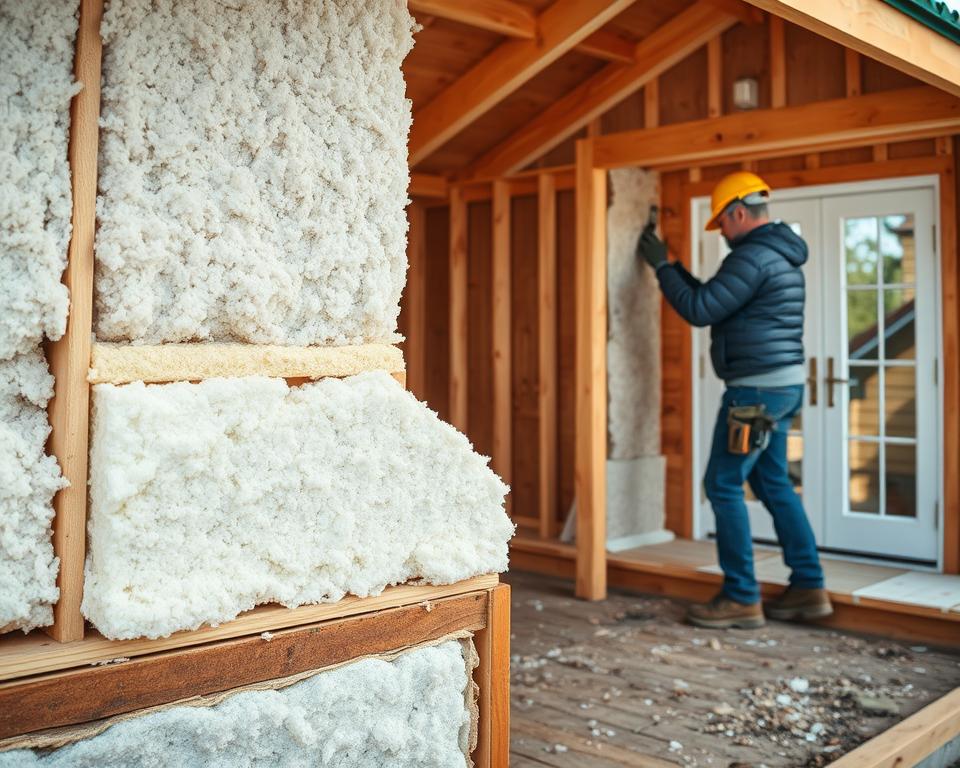
Step-by-Step Wall Insulation Process
The process of insulating your summerhouse walls involves several key steps:
- Prepare the walls by cleaning and checking for any damage or gaps.
- Choose and install the appropriate insulation material, ensuring it fits snugly between wall studs or against the wall surface.
- Seal any gaps or joints with appropriate sealing tape or caulk to prevent air leaks.
- Finish the internal surface with a suitable lining, such as plasterboard, to provide a smooth finish.
Dealing with Timber Frame Structures
For summerhouses with timber frame structures, it’s crucial to consider the unique challenges these constructions present. Timber frames require careful handling to avoid damage while ensuring effective insulation. Using insulation materials that are compatible with timber, such as breathable insulation, can help maintain the integrity of the timber while reducing heat loss.
Finishing Options After Insulation
After insulating your summerhouse walls, you have various finishing options to complete the interior. You can choose to install plasterboard and then decorate it with paint or wallpaper, or opt for other finishes like wooden lining, depending on your desired aesthetic and the level of comfort you wish to achieve.
| Insulation Type | Benefits | Considerations |
|---|---|---|
| Internal Wall Insulation | Preserves external appearance, easier to install in existing structures | Reduces internal space, may require re-finishing internal surfaces |
| External Wall Insulation | Highly effective in reducing heat loss, can improve external appearance | May require planning permission, can be more expensive |
Floor Insulation Methods to Prevent Heat Loss
When it comes to summerhouse insulation, one of the most critical areas to focus on is the floor. Proper floor insulation can significantly reduce heat loss, making your summerhouse more energy-efficient and comfortable throughout the year.
Underfloor Insulation Options
Underfloor insulation is a highly effective method for preventing heat loss. You can choose from various insulation materials, such as rigid foam boards or mineral wool, depending on your summerhouse’s design and construction. For raised floors, insulation can be installed between the joists, while for concrete bases, insulation can be placed below or on top of the slab.
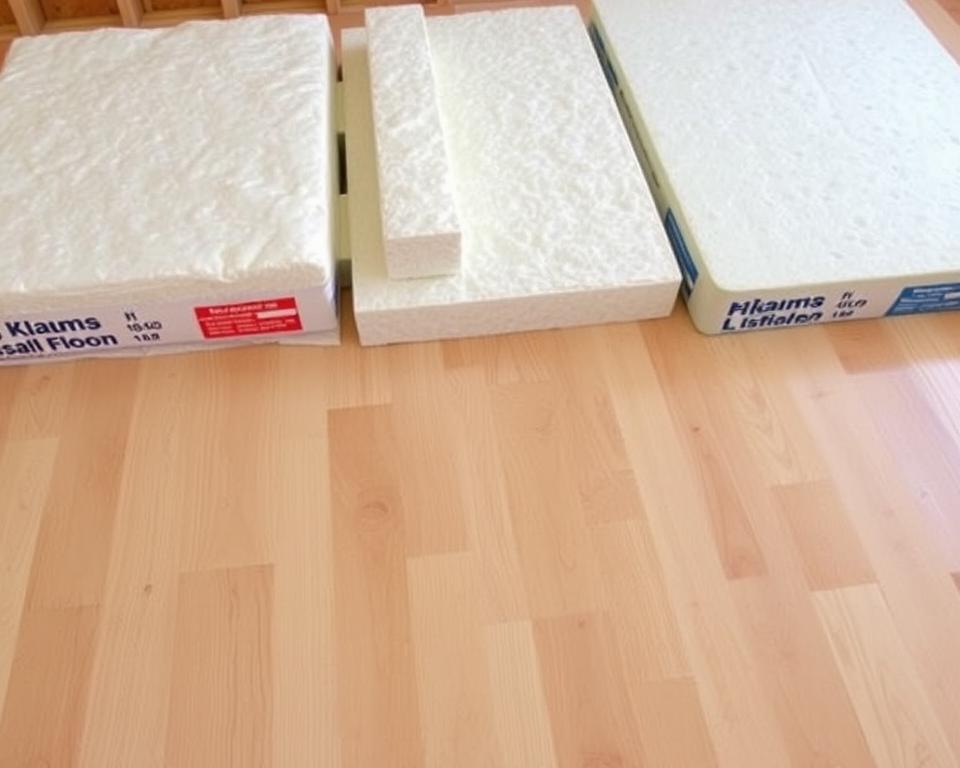
Raised Floor vs Concrete Base Considerations
The type of floor you have will dictate the best insulation approach. For raised floors, you can insulate between the joists, ensuring that the insulation is tightly fitted to prevent gaps. For concrete bases, consider using a high-performance insulation material that can withstand the conditions.
Addressing Damp Issues in Floor Insulation
Before insulating your summerhouse floor, it’s crucial to address any damp issues. Check for signs of moisture and treat any damp problems before installing insulation. This will help prevent mould growth and ensure the longevity of your insulation.
By choosing the right floor insulation method and addressing any potential damp issues, you can enjoy a warmer, more comfortable summerhouse while reducing your energy costs.
Roof Insulation Strategies for Maximum Efficiency
To maximize the efficiency of your summerhouse, it’s essential to implement proper roof insulation strategies. The roof is a significant area for heat loss in any building, and summerhouses are no exception. Effective insulation can help maintain a comfortable temperature inside, reducing the need for additional heating or cooling.
Pitched Roof Insulation Techniques
For pitched roofs, insulation can be installed between or under the rafters. This method involves placing insulation material, such as fiberglass or mineral wool, between the rafters to reduce heat transfer. It’s crucial to ensure that the insulation is properly fitted to avoid gaps and compression, which can compromise its effectiveness.
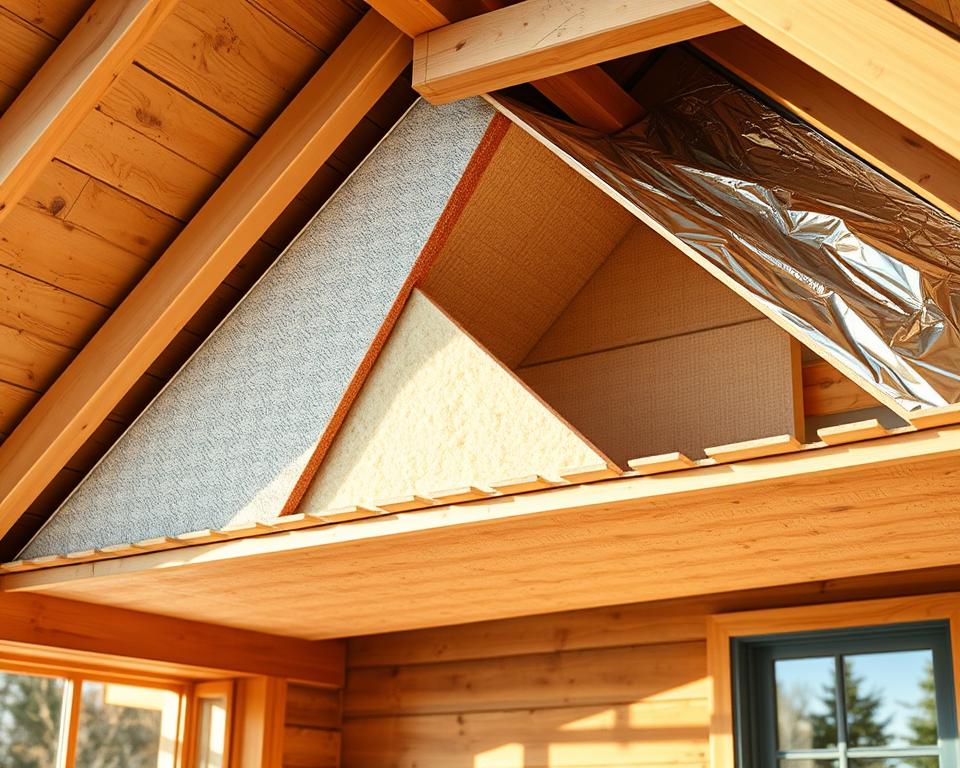
Flat Roof Insulation Solutions
Flat roofs require a different approach to insulation. Rigid insulation boards are commonly used for flat roofs due to their high thermal resistance and ability to provide a continuous layer of insulation. These boards can be installed on top of the roof deck, providing a uniform layer of insulation.
A well-insulated flat roof not only reduces heat loss but also helps protect the roof structure from extreme temperatures.
Combining Insulation with Proper Ventilation
Regardless of whether you have a pitched or flat roof, combining insulation with proper ventilation is crucial. Ventilation helps to prevent moisture buildup, which can lead to mold, rot, and structural damage. Proper ventilation ensures that your roof insulation performs optimally and lasts longer.
| Roof Type | Insulation Method | Ventilation Considerations |
|---|---|---|
| Pitched Roof | Insulation between or under rafters | Ensure adequate ventilation in the roof space |
| Flat Roof | Rigid insulation boards on top of the roof deck | Use ventilation layers or breather membranes |
As John Smith, a renowned building expert, notes, “Proper roof insulation and ventilation are key to maintaining a healthy and energy-efficient building envelope.”
By implementing the right roof insulation strategies and ensuring proper ventilation, you can enjoy a more comfortable and sustainable summerhouse throughout the year.
Window and Door Insulation to Eliminate Draughts
Draughts through windows and doors can make your summerhouse uncomfortable; let’s explore how to eliminate them. Windows and doors are common areas where heat can escape, making your summerhouse less energy-efficient. Proper insulation in these areas is crucial for maintaining a comfortable temperature.
Double Glazing Options for Summerhouse Windows
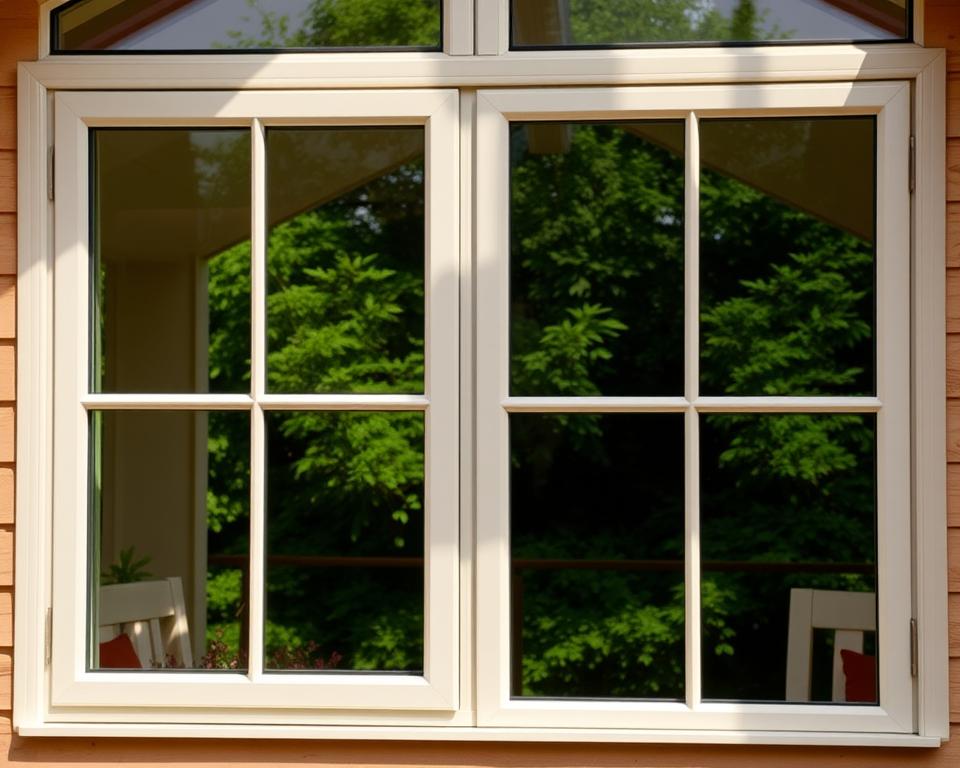
Upgrading to double glazing can significantly improve the energy efficiency of your summerhouse windows. Double glazing involves two glass panes separated by a gap, which reduces heat transfer and minimizes draughts. When selecting double glazing options, consider the following:
- Look for windows with a high energy efficiency rating.
- Choose frames made from durable, low-maintenance materials like uPVC or aluminium.
- Consider the width of the gap between the glass panes; a wider gap can provide better insulation.
Draught-proofing Techniques for Doors
Draught-proofing your summerhouse doors is an effective way to eliminate draughts. Techniques include:
- Sealing gaps around the door frame using draught-proofing strips or sealants.
- Installing a draught excluder at the bottom of the door.
- Replacing old doors with new, well-sealed ones.
For existing doors, applying a draught-proofing kit can be a cost-effective solution. These kits usually include a seal that fits around the door frame, preventing cold air from entering.
Using Thermal Curtains and Blinds
Thermal curtains and blinds offer an additional layer of insulation for your summerhouse windows. They work by trapping warm air between the curtain or blind and the window, reducing heat loss. When choosing thermal curtains or blinds, look for:
- Thick, heavy materials that provide good insulation.
- Thermal or blackout linings for enhanced performance.
- Easy-to-use mechanisms for opening and closing.
By implementing these window and door insulation techniques, you can significantly enhance the comfort and energy efficiency of your summerhouse.
Insulating Your Summerhouse: Techniques to Protect and Preserve
To protect and preserve your summerhouse, it’s essential to adopt a comprehensive approach that goes beyond just insulation. This involves considering various factors that contribute to the overall integrity and longevity of the structure.
Comprehensive Approach to Summerhouse Protection
A comprehensive strategy for summerhouse protection includes not only insulation but also measures to control moisture and ensure proper ventilation. By addressing these aspects collectively, you can prevent common issues such as dampness and rot, which can significantly compromise the structure’s integrity.
One crucial aspect of this comprehensive approach is understanding the interplay between insulation, moisture control, and ventilation. For instance, while insulation helps maintain a stable temperature, it can also trap moisture if not properly managed. Therefore, it’s vital to strike the right balance between these elements.

Balancing Insulation with Moisture Control
Moisture control is a critical component of summerhouse protection. Excess moisture can lead to dampness, mold, and structural damage. To mitigate this, it’s essential to implement effective moisture control measures, such as using breathable materials and ensuring adequate ventilation.
The table below highlights some key considerations for balancing insulation with moisture control:
| Insulation Type | Moisture Control Measure | Ventilation Requirement |
|---|---|---|
| Fibreglass | Breathable membrane | High |
| Rigid Foam | Damp-proofing | Medium |
| Natural Fibre | Natural ventilation | Low |
Long-term Preservation Strategies
To ensure the long-term preservation of your summerhouse, regular maintenance is crucial. This includes inspecting the structure for signs of damage, addressing any issues promptly, and making adjustments as needed to maintain optimal conditions.
Some key long-term preservation strategies include:
- Regularly inspecting the summerhouse for signs of dampness or structural damage
- Maintaining a consistent temperature and humidity level within the summerhouse
- Ensuring that all insulation and ventilation systems are functioning correctly
By adopting a comprehensive approach to summerhouse protection and preservation, you can enjoy your summerhouse for years to come while minimizing the need for costly repairs.
Seasonal Considerations for Summerhouse Insulation
Seasonal variations in the UK climate mean that your summerhouse insulation requires careful consideration throughout the year. The insulation needs of your summerhouse can vary significantly with the seasons, requiring a tailored approach to maintain a comfortable interior temperature and prevent seasonal damage.
Winter-specific Insulation Challenges
In winter, the primary focus is on retaining warmth and protecting your summerhouse against cold and moisture. To achieve this, you can use insulation materials with high thermal mass to keep your summerhouse warm. Ensuring that your summerhouse is well-sealed against draughts is also crucial.
| Insulation Material | Thermal Performance | Moisture Resistance |
|---|---|---|
| Fibreglass | High | Moderate |
| Rigid Foam | High | High |
| Mineral Wool | High | Moderate |
Summer Heat Management
In summer, managing heat and ensuring adequate ventilation become more important. You can use shading devices such as awnings or blinds to reduce direct sunlight heating your summerhouse. Additionally, improving ventilation by installing vents or windows that can be opened can help keep your summerhouse cool.

Adapting Your Insulation for Different Seasons
Adapting your insulation strategy to the different seasons involves adjusting your insulation materials and techniques. For example, using reflective foil insulation can help reflect summer heat, while ensuring that your summerhouse is well-insulated against cold air can keep it warm in winter.
By considering these seasonal factors and adapting your insulation accordingly, you can maintain a comfortable temperature in your summerhouse throughout the year and reduce the risk of seasonal damage.
Heating and Cooling Solutions for Insulated Summerhouses
After insulating your summerhouse, you’ll want to consider how to heat it in the winter and keep it cool in the summer. Effective heating and cooling solutions can significantly enhance the comfort and usability of your summerhouse throughout the year.
Energy-efficient Heating Options
When it comes to heating your insulated summerhouse, energy efficiency is key. Consider using radiant heaters or heat pumps, which provide warmth without high energy costs. Radiant heaters are particularly effective as they directly warm objects and people, rather than just heating the air.

Summer Cooling Strategies
For the summer months, you’ll want to keep your summerhouse cool. Strategies such as shading, ventilation, and reflective roofing can be highly effective. Installing shading devices like awnings or pergolas can block direct sunlight, while ensuring good ventilation helps to circulate air and reduce heat buildup.
Smart Temperature Control Systems
To maximize comfort and energy efficiency, consider installing smart temperature control systems. These allow you to manage the temperature remotely and optimize energy use. Smart thermostats can learn your schedule and preferences, adjusting the temperature accordingly to save energy when you’re not using the summerhouse.
By combining effective heating and cooling solutions with your insulated summerhouse, you can enjoy a comfortable and sustainable retreat throughout the year.
Environmental Considerations and Sustainable Insulation
When insulating your summerhouse, it’s crucial to consider the environmental impact of your choices. The materials you select and the methods you use can significantly affect the ecological footprint of your project.
Eco-friendly Insulation Materials
Opting for eco-friendly insulation materials is a vital step towards creating a sustainable summerhouse. Materials such as recycled denim, natural wool, and plant-based insulation offer effective thermal performance while minimizing environmental harm. These materials are not only better for the planet, but they also contribute to a healthier indoor environment by avoiding the use of harmful chemicals.

Reducing Carbon Footprint Through Proper Insulation
Proper insulation is key to reducing your carbon footprint. By minimizing heat loss in the winter and heat gain in the summer, you can decrease the energy required to maintain a comfortable temperature in your summerhouse. This not only saves you money on energy bills but also contributes to a reduction in carbon emissions, making your summerhouse more environmentally friendly.
Recycling and Disposal of Insulation Materials
It’s also important to consider the end-of-life disposal or recycling of insulation materials. Some insulation materials can be recycled or repurposed, reducing waste and the environmental impact of your summerhouse. Planning for the future by selecting materials with recyclable properties is a forward-thinking approach to sustainable insulation.
By making informed choices about insulation, you can create a more sustainable and environmentally friendly summerhouse. This not only benefits the planet but also enhances your enjoyment of the space by providing a healthier and more comfortable environment.
DIY vs Professional Installation: Making the Right Choice
When insulating your summerhouse, one of the key decisions you’ll face is whether to tackle the job yourself or hire a professional. This decision hinges on your DIY skills, the complexity of the insulation project, and your budget.
Skills Required for DIY Insulation
To successfully insulate your summerhouse yourself, you’ll need basic DIY skills, including measuring, cutting, and fitting insulation materials. You should also be comfortable with tasks like drilling and potentially working at heights. If you’re unsure about any aspect of the process, it may be wise to seek professional help.
When to Call in the Professionals
For more complex insulation projects, or when dealing with specific materials that require special handling, professional installation is recommended. Professionals can ensure the job is done correctly and safely, potentially saving you money in the long run by avoiding costly mistakes.
Cost Comparison Analysis
When deciding between DIY and professional installation, a cost comparison is essential. While DIY can be cost-effective for simpler tasks, professional installation may offer better value for more complex projects. Consider both the material costs and the potential long-term savings on energy bills.

Ultimately, the choice between DIY insulation and professional installation depends on your specific situation. By weighing your skills, the project’s complexity, and the costs involved, you can make an informed decision that suits your needs and budget.
Budgeting for Your Summerhouse Insulation Project
A well-planned budget is the foundation of a successful summerhouse insulation project. When considering the insulation of your summerhouse, it’s essential to break down the costs into manageable categories to ensure you stay within your financial means.
Material Costs Breakdown
The cost of insulation materials can vary significantly depending on the type and quality you choose. For instance, fibreglass and mineral wool are generally more affordable than rigid foam insulation boards. Natural insulation alternatives, while eco-friendly, can also be pricier. It’s crucial to research and compare prices to find the best value for your money.
Labour Costs Considerations
If you’re not undertaking the insulation work yourself, labour costs will be a significant factor in your overall budget. The complexity of the job, the size of your summerhouse, and the rates charged by contractors will all influence the final labour cost. Obtaining quotes from multiple professionals can help you find the most competitive pricing.
Return on Investment Analysis
While the initial outlay for insulation may seem substantial, it’s essential to consider the long-term savings and potential increase in your property’s value. Proper insulation can lead to significant reductions in energy bills and enhance the comfort and usability of your summerhouse throughout the year. This investment can yield returns in both financial savings and improved quality of life.
By carefully considering both material and labour costs, and weighing these against the potential return on investment, you can create a budget that meets your needs and enhances the value of your summerhouse.
Common Mistakes to Avoid When Insulating Summerhouses
Insulating your summerhouse can be a complex task, and being aware of potential pitfalls is key to success. A well-insulated summerhouse not only provides comfort but also enhances energy efficiency. However, several common mistakes can undermine your efforts.
Inadequate Vapour Barriers
One of the critical errors is failing to install adequate vapour barriers. Without proper vapour barriers, moisture can seep into your insulation, reducing its effectiveness and potentially causing damage. Ensure that you use a suitable vapour barrier material to protect your insulation.
Poor Ventilation Planning
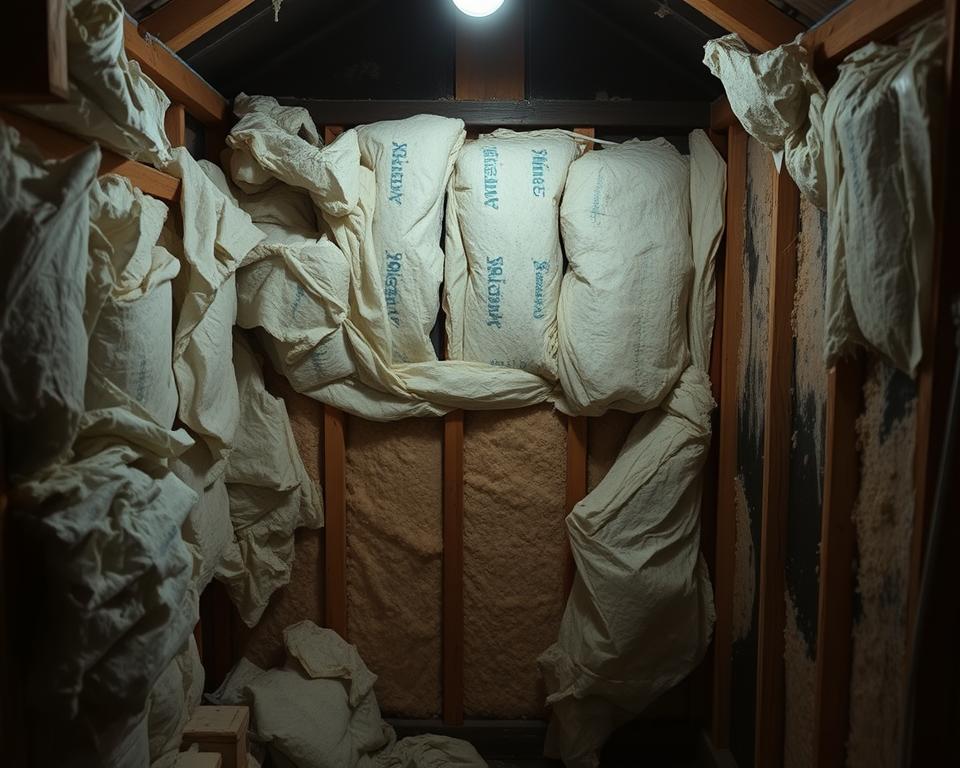
Another common mistake is poor ventilation planning. Inadequate ventilation can lead to condensation issues, which can compromise the integrity of your summerhouse. Proper ventilation helps to maintain a healthy environment and prevents moisture buildup.
Incorrect Material Selection
Choosing the wrong insulation materials for your summerhouse can significantly impact performance. Different materials offer varying levels of thermal resistance and moisture resistance. Select materials that are appropriate for your summerhouse’s specific needs.
Installation Errors
Installation errors, such as gaps or compression of insulation materials, can also affect performance. It’s crucial to follow manufacturer guidelines and best practices during installation to avoid these issues. A well-executed installation ensures that your summerhouse remains comfortable and energy-efficient.
By being aware of these common mistakes and taking steps to avoid them, you can ensure a successful insulation project. Proper planning, material selection, and installation are key to achieving a well-insulated summerhouse that meets your needs.
Conclusion: Enjoying Your Well-insulated Summerhouse Year-round
A well-insulated summerhouse provides the perfect retreat for relaxation, entertainment, or simply enjoying the outdoors. By implementing the techniques outlined in this article, you can enjoy a comfortable and inviting space throughout the year.
Proper insulation enhances the usability of your summerhouse, protecting it from potential damage and ensuring it remains a valuable part of your property. A well-insulated summerhouse allows you to make the most of your outdoor space, regardless of the season.
With a well-insulated summerhouse, you can enjoy year-round enjoyment, whether that’s hosting gatherings, reading a book, or simply taking in the surroundings. The benefits of a well-insulated summerhouse extend beyond comfort, as it also helps to protect your investment and reduce energy costs.
By following the strategies outlined in this article, you can create a well-insulated summerhouse that meets your needs and provides a peaceful retreat. Enjoy your summerhouse to the fullest, knowing it’s protected and preserved for years to come.
FAQ
What are the most common insulation materials used for summerhouses?
The most common insulation materials used for summerhouses include fibreglass, mineral wool, rigid foam insulation boards, and natural insulation alternatives like sheep’s wool.
How do I assess the current condition of my summerhouse for insulation?
To assess the current condition of your summerhouse, you should conduct a thorough inspection to identify any existing insulation problems, such as gaps or inadequate insulation in walls, floors, or roofs.
What is the difference between internal and external wall insulation?
Internal wall insulation involves installing insulation material on the inside of the walls, while external wall insulation involves installing it on the outside. The choice between the two depends on your summerhouse’s construction and your preferences.
How can I prevent heat loss through my summerhouse floor?
To prevent heat loss through your summerhouse floor, you can use underfloor insulation, which is a highly effective method. The choice between raised floor and concrete base insulation depends on your summerhouse’s design.
What are the benefits of double glazing for summerhouse windows?
Double glazing can significantly improve the energy efficiency of your summerhouse by reducing heat loss through the windows. It also helps to reduce condensation and draughts.
How can I manage moisture issues in my insulated summerhouse?
To manage moisture issues in your insulated summerhouse, you should ensure proper ventilation, use vapour barriers, and address any damp issues before insulating.
What are the environmental benefits of using eco-friendly insulation materials?
Using eco-friendly insulation materials, such as recycled denim or natural wool, can reduce your environmental footprint and contribute to a more sustainable summerhouse.
Should I DIY or hire a professional for my summerhouse insulation project?
The decision to DIY or hire a professional depends on your DIY skills, the complexity of the job, and your budget. For simpler tasks, DIY can be a cost-effective approach, while professional installation may be necessary for more complex projects.
How can I budget for my summerhouse insulation project?
To budget for your summerhouse insulation project, you should consider both material and labour costs, and weigh these against the long-term return on investment, including energy savings and potential increases in property value.
What are some common mistakes to avoid when insulating a summerhouse?
Common mistakes to avoid when insulating a summerhouse include inadequate vapour barriers, poor ventilation planning, incorrect material selection, and installation errors, such as gaps or compression of insulation materials.