Bringing Power to Your Summerhouse

Electrifying your summerhouse can significantly enhance your outdoor living experience. With summerhouse electrification, you can enjoy a comfortable and functional space for relaxation and entertainment.
Outdoor electrical installations can provide the necessary infrastructure for lighting, heating, and powering appliances in your summerhouse. This not only improves the ambiance but also increases the usability of the space throughout the year.
As you consider enhancing your summerhouse, it’s essential to understand the benefits and process of electrification. This article will guide you through the key aspects of outdoor electrical installations and how they can transform your summerhouse into a haven.
Inhaltsverzeichnis
Key Takeaways
- Summerhouse electrification enhances outdoor living experiences.
- Outdoor electrical installations provide necessary infrastructure.
- Electrification improves the ambiance and usability of the summerhouse.
- Proper planning is essential for a successful electrification project.
- Understanding the benefits and process is crucial for homeowners.
The Benefits of Electrifying Your Summerhouse
Summerhouse electrification offers numerous benefits, making your garden retreat more enjoyable and practical. With electricity, you can transform your summerhouse into a comfortable and inviting space that can be used throughout the year.
Year-round Usability
Electrifying your summerhouse enables you to use it year-round, regardless of the weather outside. This is achieved through:
Extended Seasonal Use
With electricity, you can heat or cool your summerhouse, extending its usage beyond the traditional summer months.
Weather Independence
Electricity allows you to create a comfortable environment inside your summerhouse, making it independent of the outside weather conditions.
Enhanced Comfort and Convenience
Modern amenities can significantly enhance your garden retreat experience. Some of these amenities include:
Modern Amenities in Your Garden Retreat
- Lighting systems for improved visibility and ambiance
- Heating and cooling systems for optimal temperature control
- Power outlets for charging devices and powering appliances
Increased Property Value
Electrifying your summerhouse can also increase your property’s value. A modern, electrified summerhouse is more attractive to potential buyers if you decide to sell your property in the future.
| Benefits | Description |
|---|---|
| Year-round Usability | Use your summerhouse throughout the year, regardless of the weather |
| Enhanced Comfort | Enjoy modern amenities like lighting, heating, and cooling |
| Increased Property Value | Boost your property’s value with a modern, electrified summerhouse |
Assessing Your Power Needs
To ensure your summerhouse is adequately powered, you need to evaluate your electrical needs carefully. This assessment is crucial for determining the right size and type of electrical supply for your summerhouse.
Calculating Electrical Requirements
Calculating your electrical requirements involves understanding the total power needed to run all your appliances and devices simultaneously. This calculation helps in determining the capacity of the electrical supply required.
Load Calculation Methods
There are various methods to calculate electrical load, including using a simple formula that adds up the wattage of all appliances and devices. It’s essential to consider both the continuous load and any peak demands.
Peak Usage Estimation
Estimating peak usage involves identifying times when multiple high-power devices are used simultaneously. This estimation helps in sizing the electrical supply to meet the maximum demand.
Identifying Essential Appliances and Devices
Make a list of all the appliances and devices you plan to use in your summerhouse, including lighting, heating, and entertainment systems. Prioritize essential items to ensure they are included in your electrical requirements calculation.
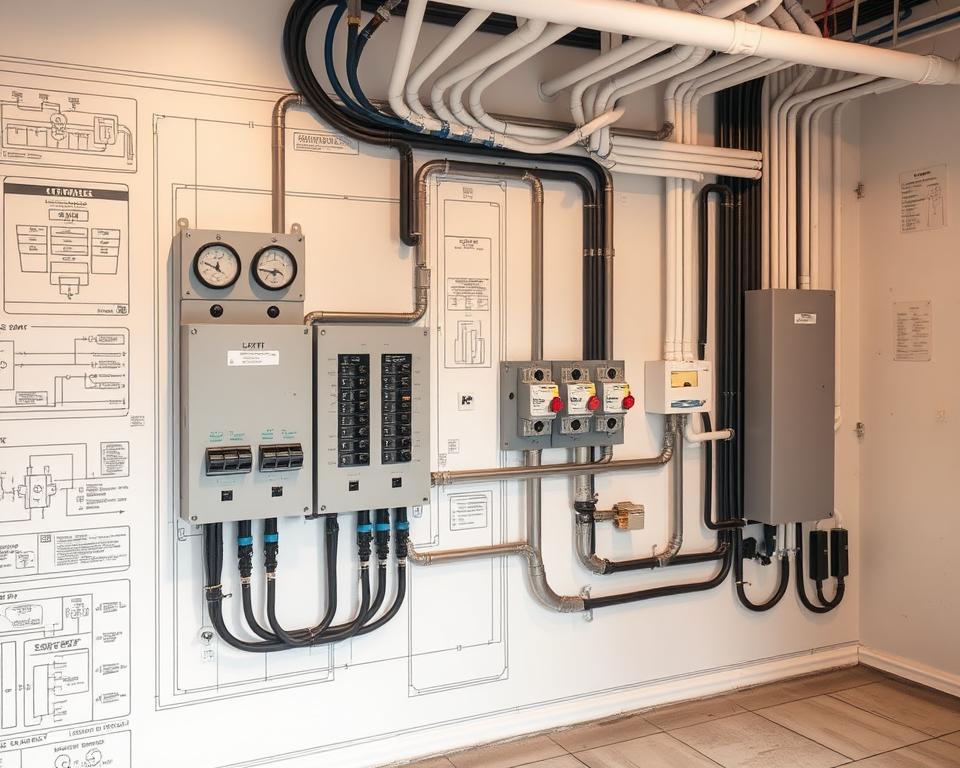
Planning for Future Expansion
Consider any future plans you may have for your summerhouse, such as adding more appliances or installing new electrical devices. Planning for future expansion ensures your electrical system can accommodate additional needs without requiring costly upgrades.
| Appliance/Device | Power Consumption (Watts) | Usage Hours per Day |
|---|---|---|
| LED Lighting | 9 | 8 |
| Electric Heater | 2000 | 4 |
| TV | 120 | 6 |
By carefully assessing your power needs, you can ensure your summerhouse electrical system is safe, efficient, and capable of meeting your current and future requirements.
Understanding UK Regulations for Outdoor Electrical Installations
When electrifying your summerhouse, it’s crucial to understand the UK regulations governing outdoor electrical installations. These regulations are in place to ensure safety and compliance with national standards.
Building Regulations and Planning Permission
You must consider Building Regulations and potentially obtain planning permission when installing electrical systems in your summerhouse. The specific requirements depend on the size and nature of your project. It’s essential to check with your local authority to determine the necessary steps.
Part P Electrical Safety Requirements
Part P of the Building Regulations focuses on electrical safety in dwellings, including outbuildings like summerhouses. To comply, you can either use a Competent Person Scheme or notify Building Control.
Competent Person Schemes
Using a Competent Person Scheme allows you to hire an electrician registered with a government-approved scheme. They can self-certify that their work complies with Building Regulations.
Building Control Notification
If you’re not using a Competent Person, you must notify Building Control before starting work. They will then inspect the installation to ensure it meets the required standards.
BS 7671 Wiring Regulations for Outdoor Buildings
The BS 7671 standard outlines the wiring regulations for electrical installations, including those in outdoor buildings. Compliance with BS 7671 is crucial for ensuring the safety and durability of your summerhouse’s electrical system. 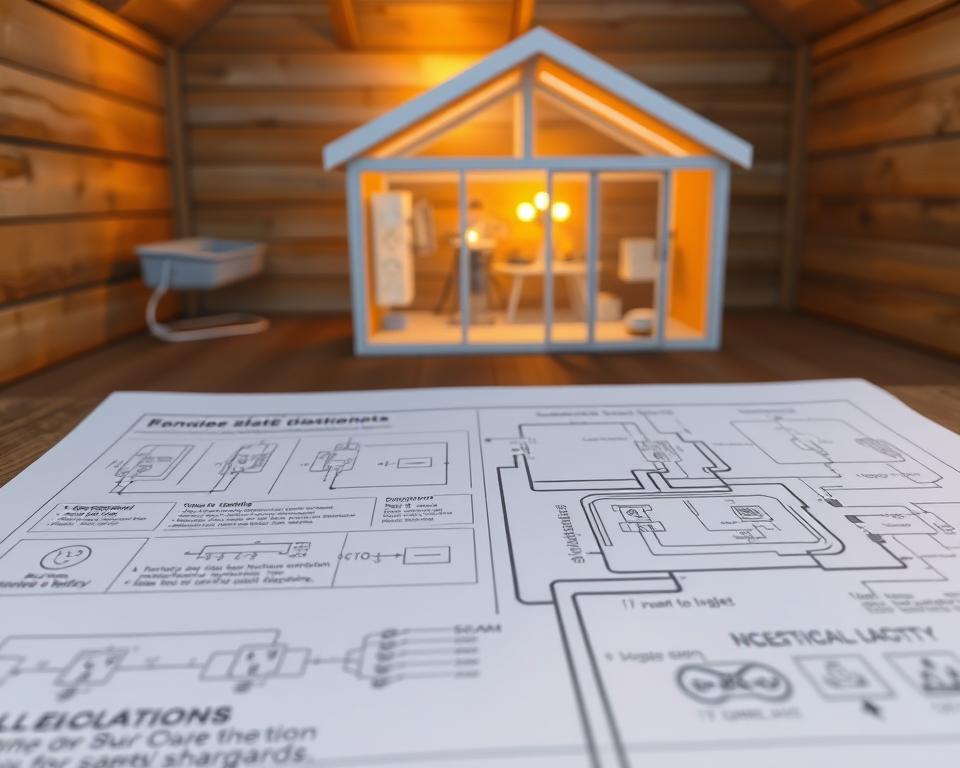
By understanding and adhering to these UK regulations, you can ensure your summerhouse electrical installation is safe, compliant, and functional. This not only protects you and your property but also potentially increases the value of your summerhouse.
Different Power Options for Your Summerhouse
Your summerhouse can be powered in various ways, each with its own set of advantages. The choice of power supply depends on several factors, including your energy needs, the location of your summerhouse, and your budget.
Mains Electricity Connection
Connecting your summerhouse to the mains electricity supply is a popular option. This provides a reliable and consistent power supply, suitable for a wide range of electrical appliances.
Advantages and Limitations
The main advantage of a mains connection is its reliability. However, the installation can be costly, especially if the summerhouse is far from the main electrical supply. Professional electrical work is required, adding to the overall cost.
Solar Power Systems
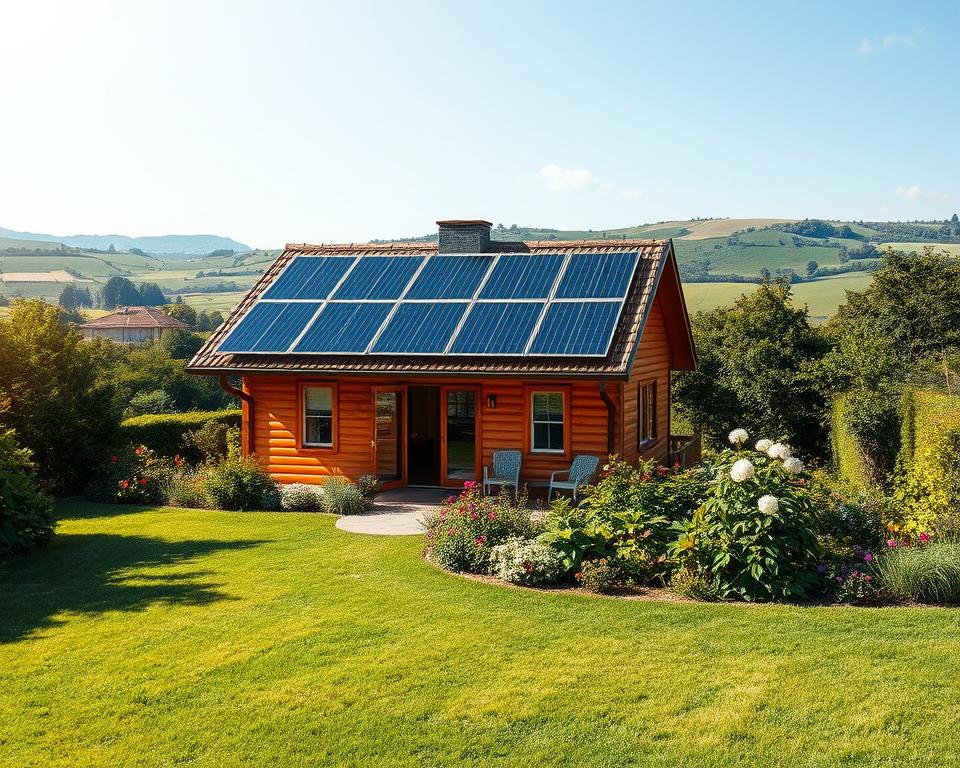
Solar power is a viable alternative to mains electricity, especially for summerhouses that receive sufficient sunlight. The UK’s solar potential may not be as high as in sunnier climates, but modern solar panels are efficient enough to generate a significant amount of electricity.
UK Solar Potential Assessment
While the UK’s solar irradiance is less than in many other countries, solar panels can still generate a substantial amount of electricity, particularly during the summer months when your summerhouse is likely to be in use.
Wind Turbines
Wind turbines offer another renewable energy option for powering your summerhouse. Small-scale domestic wind turbines can be effective, depending on the wind speeds in your area.
Small-Scale Domestic Options
For a summerhouse, a small wind turbine can be a suitable choice, providing a clean source of energy. However, the feasibility depends on the local wind speeds and potential planning restrictions.
Generators and Alternative Sources
Generators can serve as either a primary power source or a backup in case of power outages. Other alternative sources, such as battery banks, can also be considered, especially for summerhouses with low energy demands.
| Power Option | Reliability | Cost | Environmental Impact |
|---|---|---|---|
| Mains Electricity | High | High (installation) | Medium |
| Solar Power | Variable | Medium (initial cost) | Low |
| Wind Turbines | Variable | High (initial cost) | Low |
| Generators | High | Medium (running cost) | High |
Each power option has its advantages and disadvantages. By considering your specific needs and circumstances, you can choose the most appropriate power supply for your summerhouse.
Bringing Power to Your Summerhouse: Mains Connection Method
When it comes to electrifying your summerhouse, a mains connection is often the most reliable option. This method involves connecting your summerhouse to the main electrical supply of your house, either through an underground or overhead cable installation.
Underground Cable Installation
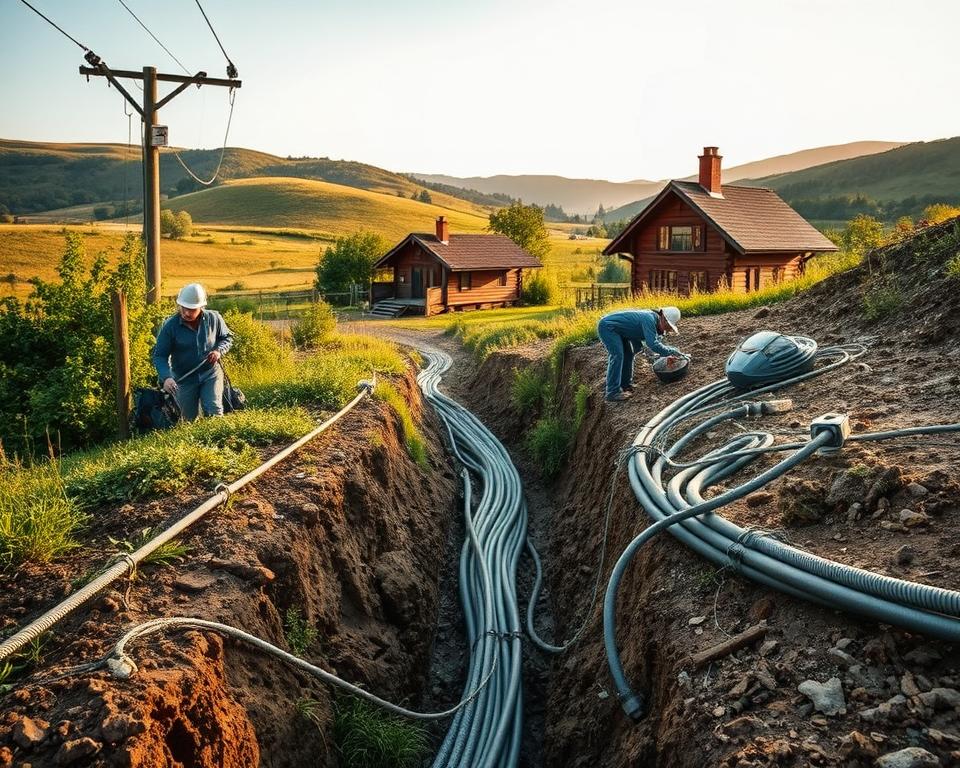
Underground cable installation is a popular choice for mains connection due to its aesthetic appeal and protection from weather conditions. When opting for this method, you need to consider the type of cable suitable for underground use in the UK climate.
Cable Types and Specifications for UK Climate
You should use armoured cables, such as SWA (Steel Wire Armoured) cables, which are designed to withstand underground conditions and protect against mechanical damage. “The use of armoured cables is crucial for underground installations,” as noted by electrical experts, “to ensure the longevity and safety of the electrical supply.”
Depth Requirements and Protection
The cable should be buried at a depth of at least 0.5 meters to avoid damage from gardening activities. Additionally, consider using conduit or ducting for extra protection, especially under driveways or paths.
Overhead Cable Options
Overhead cable installation is another viable option, particularly if you have existing poles or structures between your main house and summerhouse. However, this method requires careful consideration of cable sag, wind resistance, and potential visual impact.
Connection to Existing Circuits vs. Dedicated Supply
You must decide whether to connect your summerhouse to an existing circuit or install a dedicated supply. A dedicated supply is generally recommended as it provides a more stable and safe electrical connection.
Consumer Unit Considerations
When installing a dedicated supply, you’ll need to consider the consumer unit requirements. This includes selecting a suitable consumer unit that can handle the additional load and ensuring it complies with UK electrical regulations.
By carefully planning your mains connection method, you can ensure a safe, reliable, and efficient electrical supply to your summerhouse.
Solar Power Solutions for Summerhouses
Embracing solar energy can transform your summerhouse into a sustainable retreat. Solar power solutions offer a reliable and renewable source of energy, ideal for summerhouses, especially when a mains connection is not feasible.
Standalone Solar Panel Systems
Standalone solar panel systems are a popular choice for summerhouses. They consist of solar panels, a charge controller, and a battery bank. When selecting a standalone system, it’s crucial to consider the size of the solar array.
Panel Sizing for UK Light Conditions
In the UK, where sunlight can be limited, especially during winter months, sizing your solar panel array correctly is vital. A larger array can compensate for the lower light levels, ensuring your summerhouse remains powered throughout the year.
Battery Storage Options
Battery storage is a critical component of a solar power system, providing energy when the sun isn’t shining. Deep cycle batteries are typically used for this purpose.
Capacity Planning for Cloudy Days
When planning your battery storage capacity, consider the number of cloudy days your system needs to support. A larger capacity can provide peace of mind during prolonged periods of low sunlight.
Hybrid Solar Systems
Hybrid solar systems combine solar power with other energy sources, such as generators or mains electricity. These systems offer flexibility and reliability, ensuring your summerhouse remains powered under various conditions.
UK Solar Incentives and Grants
The UK government offers various incentives for renewable energy installations, including solar power systems. These can help offset the initial costs of installing a solar power solution for your summerhouse.
| System Component | Considerations | Benefits |
|---|---|---|
| Solar Panels | Sizing for UK light conditions, panel efficiency | Renewable energy source, reduced electricity bills |
| Battery Storage | Capacity planning, battery type | Energy availability during cloudy days, system reliability |
| Hybrid Systems | Combining solar with other energy sources | Flexibility, enhanced reliability, optimized energy supply |

By understanding the components and considerations of solar power solutions, you can make an informed decision about the best system for your summerhouse, ensuring a sustainable and reliable energy supply.
Essential Materials and Tools for Electrifying Your Summerhouse
Electrifying your summerhouse requires careful selection of materials and tools to ensure a safe and efficient installation. The right equipment will not only comply with UK regulations but also provide a reliable and durable electrical system.
Cable Types and Specifications
Choosing the correct cable type is crucial for outdoor electrical installations. The most common types are SWA (Steel Wire Armoured) and YY cables.
SWA vs. YY Cables
- SWA Cables: These are armoured cables that offer excellent mechanical protection, making them ideal for underground installations.
- YY Cables: These cables are more flexible and suitable for internal wiring or where mechanical protection is not a primary concern.
| Cable Type | Application | Mechanical Protection |
|---|---|---|
| SWA | Underground, outdoor | High |
| YY | Internal wiring | Low |
Conduit and Protection Materials
Conduits are used to protect cables from damage and provide a safe routing system. Materials like PVC and metal are commonly used.
Safety Equipment
Safety equipment, including RCDs (Residual Current Devices) and circuit breakers, is essential for protecting against electrical shocks and faults.
Specialist Tools for Outdoor Electrical Work
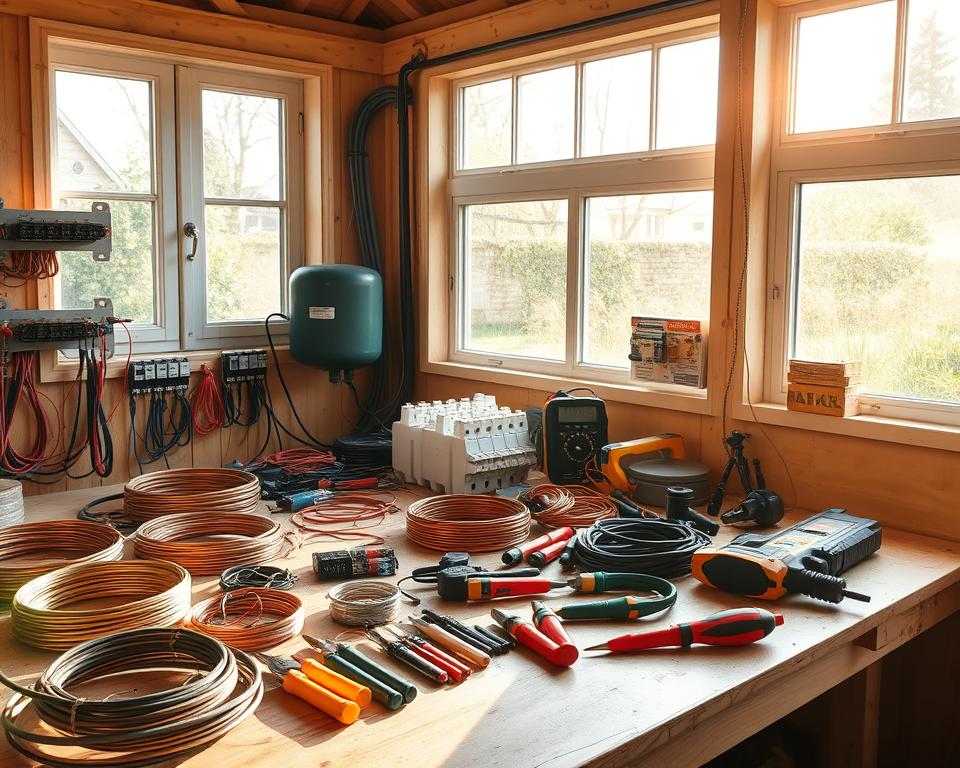
Specialist tools such as cable strippers, crimping tools, and trench diggers are necessary for a professional installation.
Planning Your Summerhouse Electrical Layout
When it comes to electrifying your summerhouse, a thoughtful layout is key to convenience and safety. A well-planned electrical system ensures that your summerhouse is not only functional but also safe for use throughout the year.
Optimal Socket and Light Placement
Strategically placing sockets and lighting in your summerhouse is crucial for its usability. Consider the layout of your furniture and the areas where you’ll need power. For instance, having sockets near workbenches or in areas where you plan to use electrical appliances is essential. For lighting, think about the pathways, entrances, and any areas that require task lighting.

Circuit Design Considerations
A well-designed circuit is vital for the safe operation of your summerhouse electrical system. You’ll need to consider the total power requirement of your appliances and lighting. This will help you decide on the number and type of circuits needed. It’s also important to think about future expansion and potential additional power needs.
Weatherproofing Requirements
Given that your summerhouse is outdoors, weatherproofing is a critical aspect of its electrical layout. This involves using appropriate materials and equipment that can withstand the elements. Ingress Protection (IP) ratings are crucial here, as they indicate the level of protection against solid objects and water.
IP Ratings Explained
IP ratings are composed of two numbers: the first indicates protection against solids, and the second against liquids. For outdoor installations, a higher rating (such as IP65 or higher) is typically recommended to ensure the electrical components can withstand various weather conditions.
Creating an Electrical Plan Diagram
Before you start the actual installation, creating a detailed electrical plan diagram is highly recommended. This diagram should outline the placement of sockets, lighting, and other electrical components, as well as the circuit design. It serves as a blueprint for your electrical installation, helping ensure that everything is installed correctly and safely.
Step-by-Step Guide to Underground Cable Installation
To bring power to your summerhouse safely, you’ll need to understand the process of underground cable installation. This crucial step in electrifying your summerhouse requires careful planning and execution.
Trench Digging Requirements
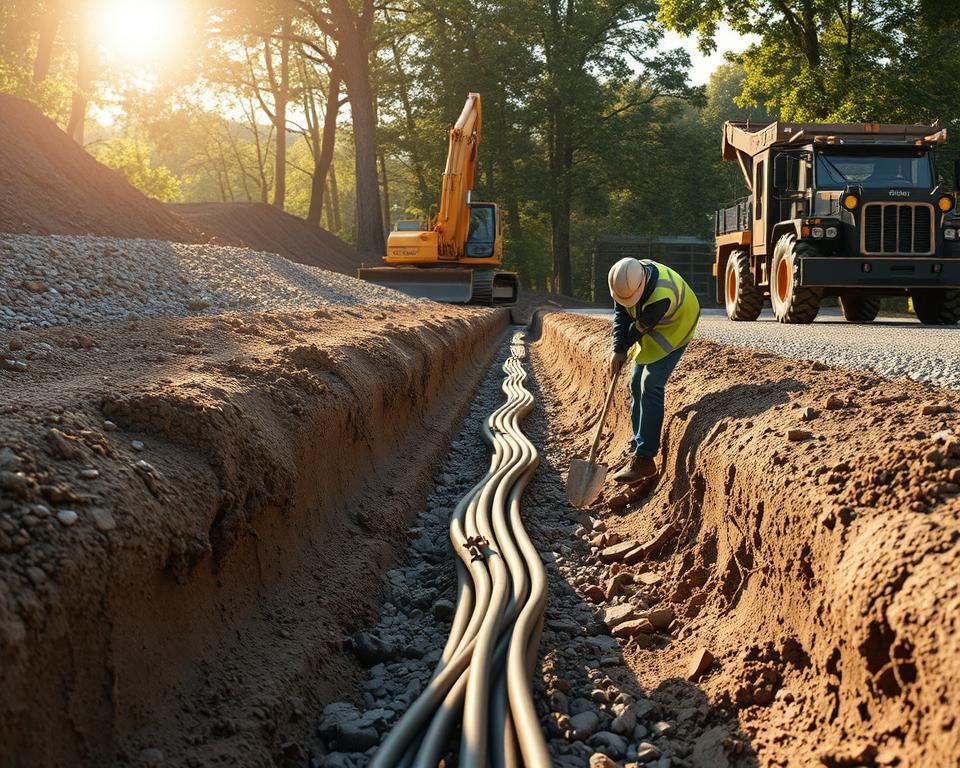
Before laying the cable, you need to dig a trench that meets specific requirements. The depth and width of the trench are critical for the safety and longevity of the cable.
Depth and Width Guidelines
The depth of the trench should be at least 450mm to 600mm to protect the cable from damage and comply with UK regulations. The width should be sufficient to allow for easy installation and cable protection.
Cable Protection Methods
Protecting the cable from damage is essential. One effective method is using sand bedding and warning tape.
Sand Bedding and Warning Tape
A layer of sand provides a soft base for the cable, reducing the risk of damage. Warning tape laid above the cable alerts future diggers to its presence.
| Cable Protection Method | Purpose |
|---|---|
| Sand Bedding | Provides a soft base for the cable |
| Warning Tape | Alerts future diggers to the cable’s presence |
Backfilling and Surface Restoration
After laying and protecting the cable, the trench needs to be backfilled, and the surface restored to its original condition.
“Proper backfilling and surface restoration are crucial for maintaining the integrity of your garden or yard and ensuring the cable remains protected.”
Connection to Main Building Supply
The final step is connecting the underground cable to the main building’s electrical supply. This requires careful consideration of the electrical connections and compliance with UK electrical regulations.
By following these steps, you can ensure a safe and reliable underground cable installation for your summerhouse.
Installing a Consumer Unit in Your Summerhouse
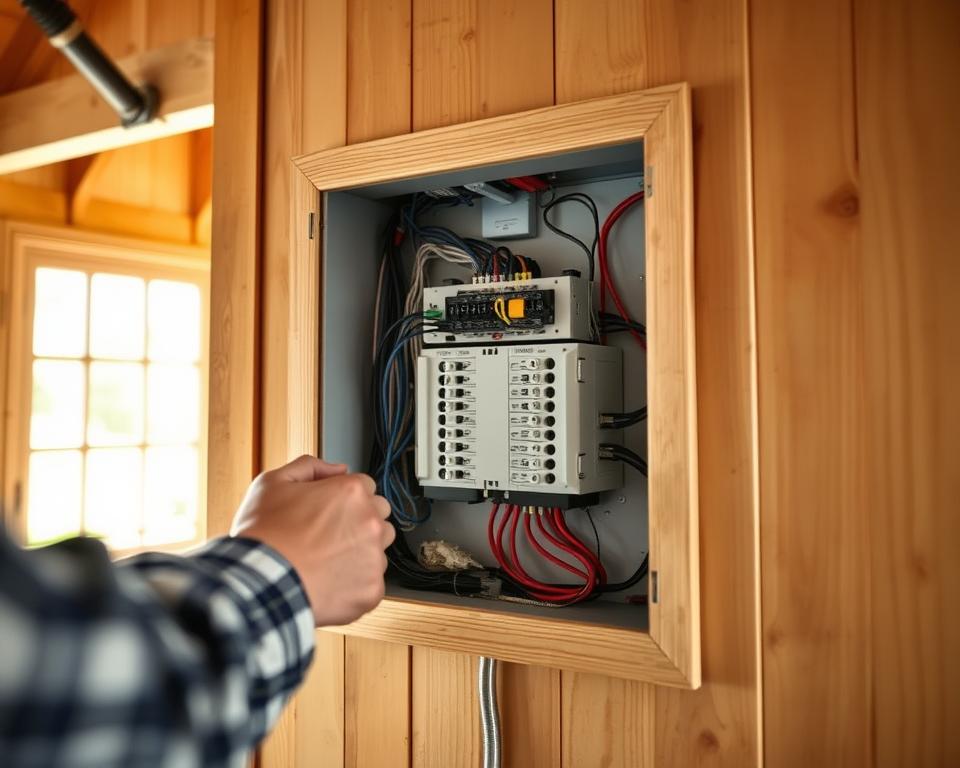
When electrifying your summerhouse, installing a suitable consumer unit is crucial for safe and efficient power distribution. The consumer unit acts as the central hub for your electrical system, managing power supply to various circuits within your summerhouse.
Selecting the Right Consumer Unit
Choosing the appropriate consumer unit for your summerhouse involves considering several factors, including the size of your summerhouse and your anticipated electrical needs. For outdoor installations, it’s essential to select an IP-rated consumer unit, which provides protection against ingress of dust and water.
IP-Rated Options for Garden Buildings
IP-rated consumer units are designed to withstand outdoor conditions. Look for units with a rating of at least IP65 to ensure they can handle the elements.
RCD Protection Requirements
Residual Current Devices (RCDs) are crucial for electrical safety in your summerhouse. RCDs protect against electrical shock by automatically switching off the power supply if they detect an imbalance.
| RCD Type | Trip Rating | Application |
|---|---|---|
| General Purpose RCD | 30mA | Sockets and lighting circuits |
| High Sensitivity RCD | 10mA | High-risk areas or specific appliances |
Earthing and Bonding Considerations
Proper earthing and bonding are vital for electrical safety. Your consumer unit installation must comply with UK regulations, including BS 7671.
TN-C-S (PME) Supply Considerations
If your summerhouse is supplied from a TN-C-S (PME) system, ensure that your earthing and bonding arrangements comply with the relevant regulations.
Circuit Breaker Selection
When selecting circuit breakers for your consumer unit, consider the specific electrical loads they will be protecting. Choose breakers that match your circuit requirements.
Wiring Your Summerhouse Interior
As you electrify your summerhouse, proper interior wiring becomes essential for safety and convenience. A well-designed wiring system ensures that your summerhouse is not only functional but also safe for use throughout the year.
Socket and Switch Installation
When installing sockets and switches, it’s crucial to choose weatherproof options, especially in humid environments. Weatherproof sockets and switches are designed to withstand moisture, reducing the risk of electrical shock.
Weatherproof Options for Humid Environments
For areas prone to moisture, consider using IP65 or higher-rated sockets and switches. These are designed to be dust-tight and protected against water jets, making them ideal for summerhouses.
Lighting Circuit Setup
A well-planned lighting circuit can enhance the ambiance and functionality of your summerhouse. Consider both indoor and outdoor lighting needs when designing your circuit.
Indoor and Outdoor Lighting Considerations
Indoor lighting should be energy-efficient and suited to the activities you’ll be undertaking in your summerhouse. Outdoor lighting, on the other hand, should be weather-resistant and potentially motion-sensitive for security.
| Lighting Type | Location | Features to Consider |
|---|---|---|
| Indoor | Main room, kitchen, bedrooms | Energy efficiency, dimmability |
| Outdoor | Pathways, entrances, patio areas | Weather resistance, motion sensitivity |
Appliance Connection Guidelines
When connecting appliances, ensure that you follow the manufacturer’s instructions and relevant electrical standards. This includes using the correct cable sizes and ensuring that all connections are secure and meet UK wiring regulations.
Cable Routing and Concealment Methods
Proper cable routing and concealment are crucial for maintaining a safe and tidy summerhouse. Use trunking or conduit to protect cables and keep them out of sight.
Heating and Cooling Options for Your Electrified Summerhouse
Once your summerhouse is electrified, you’ll want to consider how to maintain a comfortable temperature throughout the year. Effective heating and cooling solutions can transform your summerhouse into a year-round retreat.
Electric Heaters and Their Efficiency
Electric heaters are a popular choice for summerhouses due to their ease of installation and operation. When selecting an electric heater, consider the size of your summerhouse and the level of insulation.
Panel Heaters vs. Oil-Filled Radiators
Panel heaters are compact and efficient, while oil-filled radiators provide longer-lasting heat. Panel heaters are ideal for quick warmth, while oil-filled radiators are better for maintaining a consistent temperature.
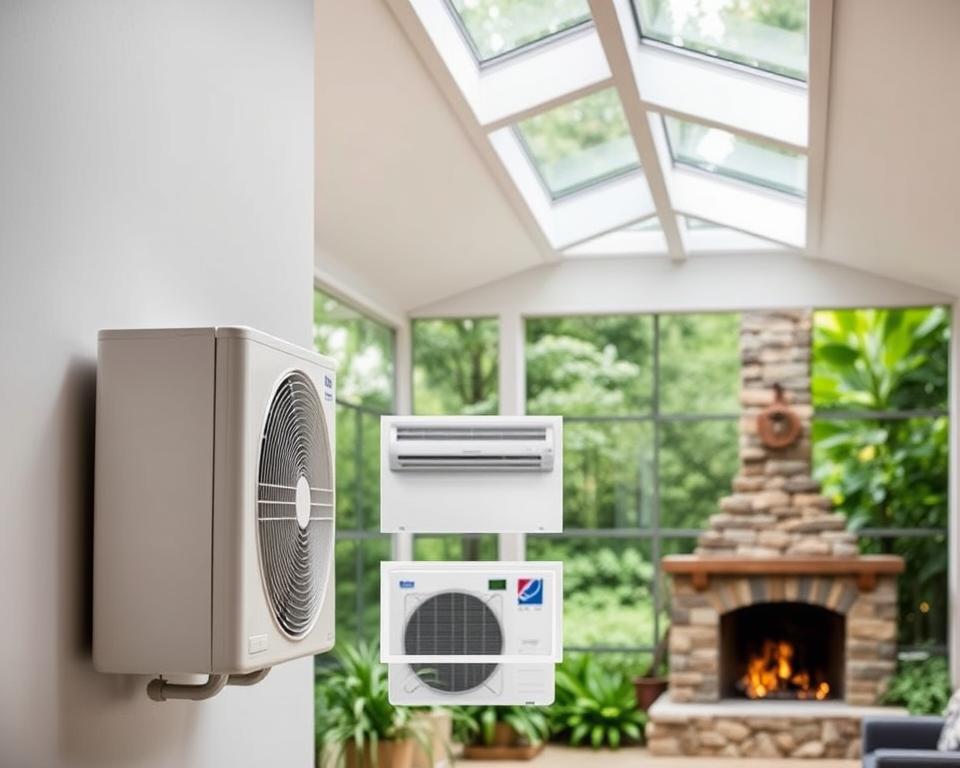
Air Conditioning Considerations
For warmer months, air conditioning can be a valuable addition to your summerhouse. Consider the size of the unit and its energy efficiency rating to ensure it meets your needs without excessive energy consumption.
Energy-Efficient Climate Control
Smart thermostats can significantly enhance energy efficiency by allowing you to control the temperature remotely and optimize heating and cooling schedules.
Smart Thermostats for Remote Buildings
Smart thermostats like those from British Gas or Nest offer advanced features such as geofencing and learning algorithms to minimize energy waste.
Insulation Improvements for Energy Conservation
Improving insulation in your summerhouse is crucial for maintaining the desired temperature and reducing energy costs. Consider adding insulation to walls, floors, and ceilings.
Smart Technology Integration for Modern Summerhouses
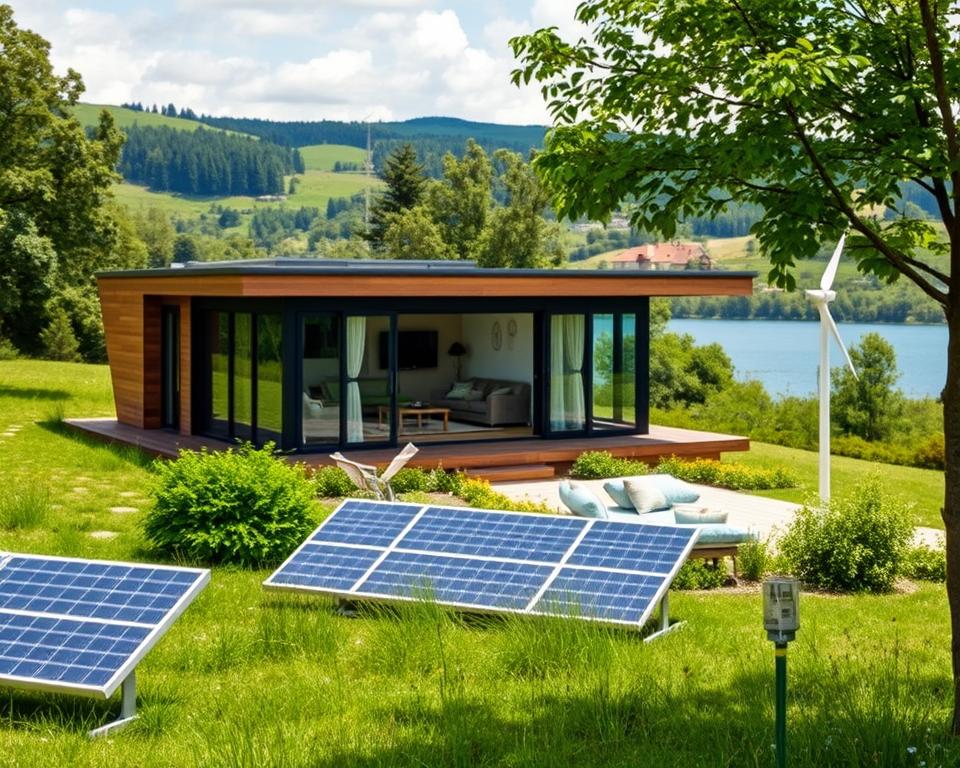
As you electrify your summerhouse, consider taking it a step further with smart technology integration. This can significantly enhance your living experience, offering convenience, security, and energy efficiency.
Wi-Fi Extension Methods
To make the most of smart technology, you’ll need a reliable Wi-Fi connection. You can extend your Wi-Fi network to your summerhouse using Wi-Fi extenders or mesh network systems. This ensures a strong and stable connection for all your smart devices.
Smart Lighting and Power Management
Smart lighting systems allow you to control the ambiance and brightness of your summerhouse remotely. You can also integrate smart plugs to manage power to various appliances, optimizing energy usage and reducing waste.
Security Systems for Remote Buildings
Security is a crucial aspect of smart technology. You can install CCTV cameras and motion detection systems to monitor your summerhouse. These systems can alert you to any suspicious activity, providing peace of mind when you’re not there.
CCTV and Motion Detection
CCTV cameras provide visual monitoring, while motion detection alerts you to potential security breaches. Together, they form a robust security solution for your summerhouse.
Remote Monitoring Solutions
With smart technology, you can monitor and control your summerhouse’s systems remotely. This includes checking security cameras, adjusting lighting, and managing heating or cooling systems, all from your smartphone or tablet.
DIY vs. Professional Installation: Making the Right Choice
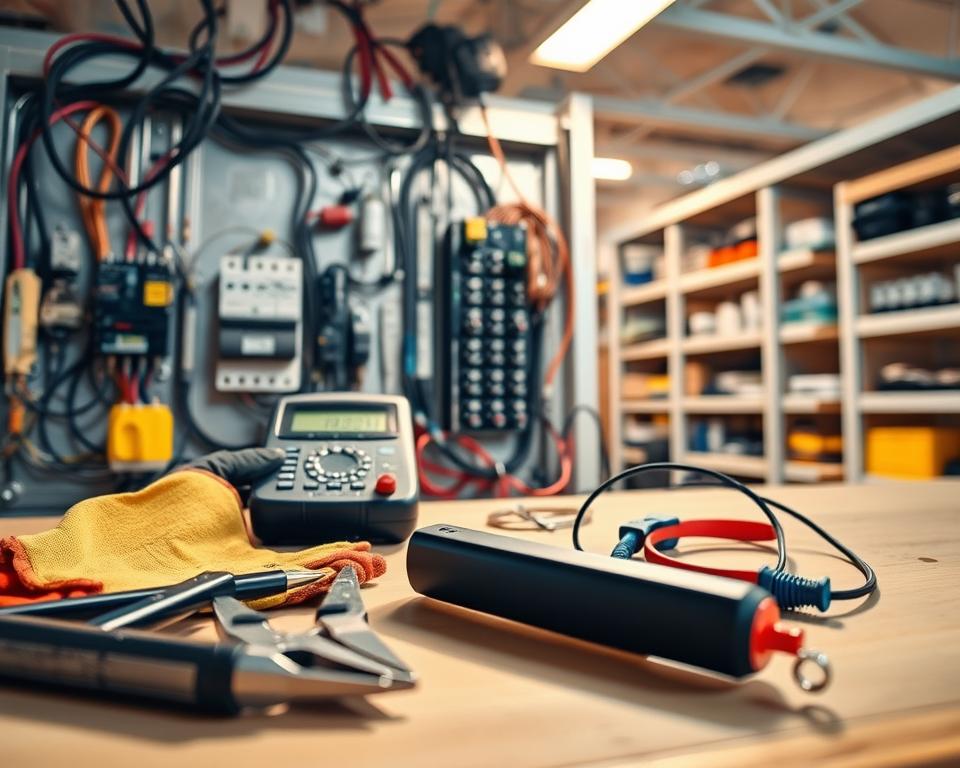
When it comes to electrifying your summerhouse, one of the most crucial decisions you’ll make is whether to opt for a DIY installation or hire a professional electrician. This choice significantly impacts the safety, efficiency, and cost of your project.
Legal Considerations for DIY Electrical Work in the UK
In the UK, there are specific regulations governing electrical work, particularly when it comes to notifiable and non-notifiable work. Understanding these distinctions is crucial for DIY enthusiasts.
Notifiable and Non-Notifiable Work
Notifiable work requires notification to the relevant authorities, such as work in bathrooms or installing new consumer units. Non-notifiable work, while still subject to safety standards, does not require formal notification. It’s essential to determine which category your summerhouse electrification falls into.
When to Call a Qualified Electrician
If your project involves complex wiring, new circuits, or you’re unsure about any aspect, it’s advisable to hire a qualified electrician. They ensure compliance with UK electrical regulations and guarantee a safe installation.

Cost Comparison and Value Assessment
While DIY might seem cost-effective initially, consider the long-term value. Professional installations may have higher upfront costs but offer durability and compliance, potentially saving you money and hassle in the long run.
Finding Certified Electricians in Your Area
To find a certified electrician, check online directories like NICEIC or ELECSA. These websites allow you to search for registered electricians in your area, ensuring you get a qualified professional for your summerhouse electrification.
Maintenance and Safety for Your Summerhouse Electrical System
To ensure your summerhouse remains a safe and enjoyable space, regular electrical maintenance is essential. A well-maintained electrical system not only enhances safety but also prolongs the lifespan of your equipment and appliances.
Regular Inspection Schedule
Regular inspections are vital to identify potential issues before they become major problems. It’s recommended to inspect your electrical system at least once a year.
EICR Requirements for Outbuildings
An Electrical Installation Condition Report (EICR) is crucial for outbuildings like summerhouses. This report assesses the safety of your electrical installation and identifies any necessary repairs or upgrades.
Weatherproofing Maintenance
Weatherproofing is essential to protect your electrical system from the elements. Regularly check for signs of wear or damage on outdoor sockets, lights, and other electrical components.
Troubleshooting Common Issues
Be aware of common issues such as flickering lights, tripped circuits, or malfunctioning appliances. These can often indicate underlying problems that need to be addressed.
Dealing with Tripped RCDs
A tripped RCD (Residual Current Device) can be a sign of an electrical fault. If your RCD trips frequently, it’s essential to investigate the cause and rectify the issue.
Winter Preparation Guidelines
Before winter sets in, ensure your summerhouse electrical system is prepared for the colder months. This includes checking insulation, ensuring heating systems are functioning correctly, and protecting against potential power surges.
| Maintenance Task | Frequency | Importance |
|---|---|---|
| Inspect Electrical System | Annually | High |
| Check Weatherproofing | Quarterly | High |
| Test RCDs | Monthly | High |
| Review EICR | Every 5 years or as needed | High |
Cost Breakdown: Budgeting for Your Summerhouse Electrification
Understanding the costs involved in summerhouse electrification is crucial for a successful project. To help you budget effectively, we’ve broken down the key cost components.
Materials and Equipment Costs
The cost of materials and equipment can vary significantly depending on the quality and brand you choose. Here are some estimated price ranges:
Price Ranges for Different Quality Levels
| Component | Basic | Standard | Premium |
|---|---|---|---|
| Cables | £0.50 – £1.00 per metre | £1.00 – £2.00 per metre | £2.00 – £3.00 per metre |
| Socket Outlets | £5 – £10 each | £10 – £20 each | £20 – £30 each |
| Lighting Fixtures | £20 – £50 each | £50 – £100 each | £100 – £200 each |
Labour Costs for Professional Installation
If you decide to hire a professional electrician, labour costs will be a significant factor. These costs can range from £50 to £100 per hour, depending on the electrician’s experience and location.
Long-term Running Expenses
In addition to initial installation costs, you’ll need to consider ongoing expenses such as electricity consumption and maintenance. Using energy-efficient appliances can help reduce your running costs.
Return on Investment Considerations
Electrifying your summerhouse can increase its value and usability, potentially providing a return on investment if you decide to sell your property in the future.

Conclusion: Enjoying Your Newly Powered Summerhouse
With your summerhouse now electrified, you can fully appreciate the benefits of summerhouse electrification, transforming it into a comfortable and functional space. The installation of electricity opens up a world of possibilities, from enjoying warm lighting on chilly evenings to powering essential appliances.
You can now relish enjoying your summerhouse throughout the year, regardless of the weather outside. Whether you’re looking to create a home office, a hobby room, or simply a cozy retreat, the addition of electricity has significantly enhanced the usability and appeal of your summerhouse.
As you settle into your newly powered summerhouse, remember to maintain your electrical system regularly to ensure it remains safe and efficient. By doing so, you’ll be able to enjoy your summerhouse for years to come, appreciating the value that summerhouse electrification has brought to your property.
FAQ
What are the benefits of electrifying my summerhouse?
Electrifying your summerhouse can increase its usability throughout the year, enhance comfort and convenience, and potentially increase your property value.
Do I need to notify Building Control for my summerhouse electrical installation?
Yes, certain electrical work, including installations in outbuildings like summerhouses, may require notification to Building Control under Part P of the Building Regulations.
Can I use solar power for my summerhouse?
Yes, solar power is a viable option for summerhouses, especially those not connected to the mains supply. You can install standalone solar panel systems, potentially with battery storage for cloudy days.
What type of cable should I use for underground installation to my summerhouse?
For underground cable installations, you should use a cable suitable for direct burial, such as SWA (Steel Wire Armoured) cable, ensuring it meets UK wiring regulations and is appropriately sized for your electrical needs.
How do I ensure my summerhouse electrical system is safe?
To ensure safety, your electrical system should be installed by a qualified electrician, comply with BS 7671 wiring regulations, and include RCD protection. Regular inspections, such as those required for an Electrical Installation Condition Report (EICR), are also crucial.
What are the key considerations for heating and cooling my summerhouse?
When considering heating and cooling, think about the efficiency of electric heaters, the feasibility of air conditioning, and the benefits of insulation improvements to conserve energy and maintain a comfortable environment.
Can I integrate smart technology into my summerhouse?
Yes, you can integrate smart technology, including Wi-Fi extension, smart lighting, and security systems, to enhance convenience, comfort, and security in your summerhouse.
Should I opt for DIY or professional installation for my summerhouse electrification?
The decision between DIY and professional installation depends on your competence with electrical work, the complexity of the installation, and legal considerations. For notifiable work under UK regulations, a certified electrician is required.
How often should I inspect my summerhouse electrical system?
Regular inspections are essential; the frequency can depend on the system’s age, condition, and usage. An EICR is recommended to identify any potential issues or necessary repairs.
What are the costs associated with electrifying my summerhouse?
Costs include materials and equipment, potentially labour if hiring a professional, and long-term running expenses. Understanding these costs will help you budget effectively for your project.