Is It Cheaper To Build Your Own Summerhouse?
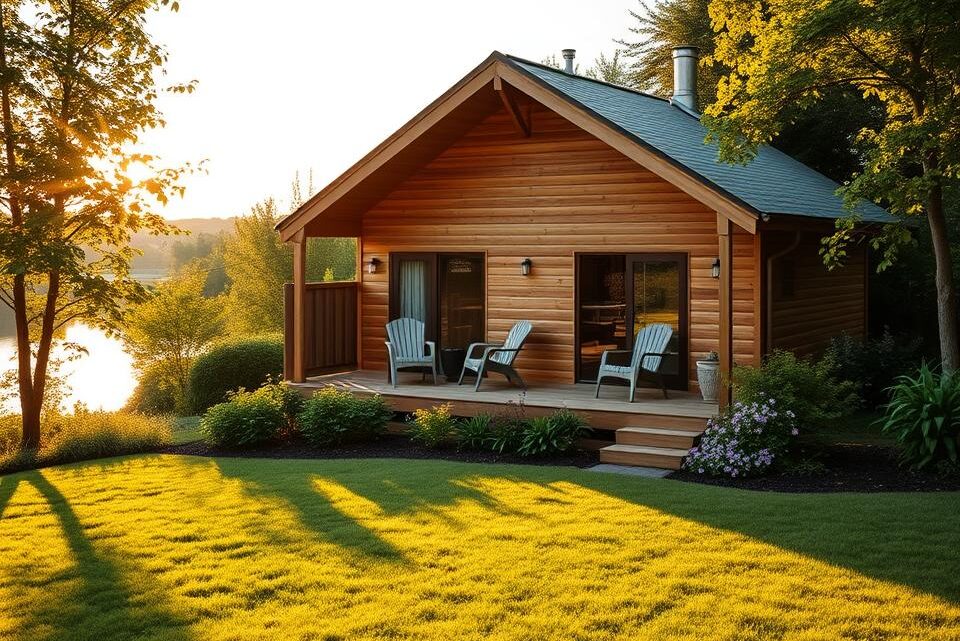
With the rising costs of leisure activities, homeowners are increasingly looking to create their own relaxing spaces within their gardens. One popular option is a summerhouse, which can serve as a tranquil retreat or an entertainment area. The question remains, however, whether it is more cost-effective to build your own summerhouse or purchase a pre-made one.
Building a summerhouse can be a significant DIY project, requiring careful planning and execution. The cost of materials, tools, and labour (if hired) can add up quickly. On the other hand, buying a pre-made summerhouse may seem straightforward, but it may not fit your specific garden requirements or budget.
This article will explore the various factors that influence the cost of building versus buying a summerhouse, helping you make an informed decision that suits your garden project needs and budget.
Inhaltsverzeichnis
Key Takeaways
- Understanding the total cost of building a summerhouse, including materials and labour.
- Comparing the costs of DIY versus pre-made summerhouses.
- Considering the value of time invested in a DIY summerhouse project.
- Evaluating different summerhouse styles and sizes to suit various garden spaces.
- Identifying hidden expenses associated with both building and buying options.
Understanding Summerhouse Options
When considering a summerhouse, it’s essential to understand the various options available to make an informed decision. A summerhouse can be a wonderful addition to your garden, providing a peaceful retreat or a functional space for various activities.
What Defines a Summerhouse
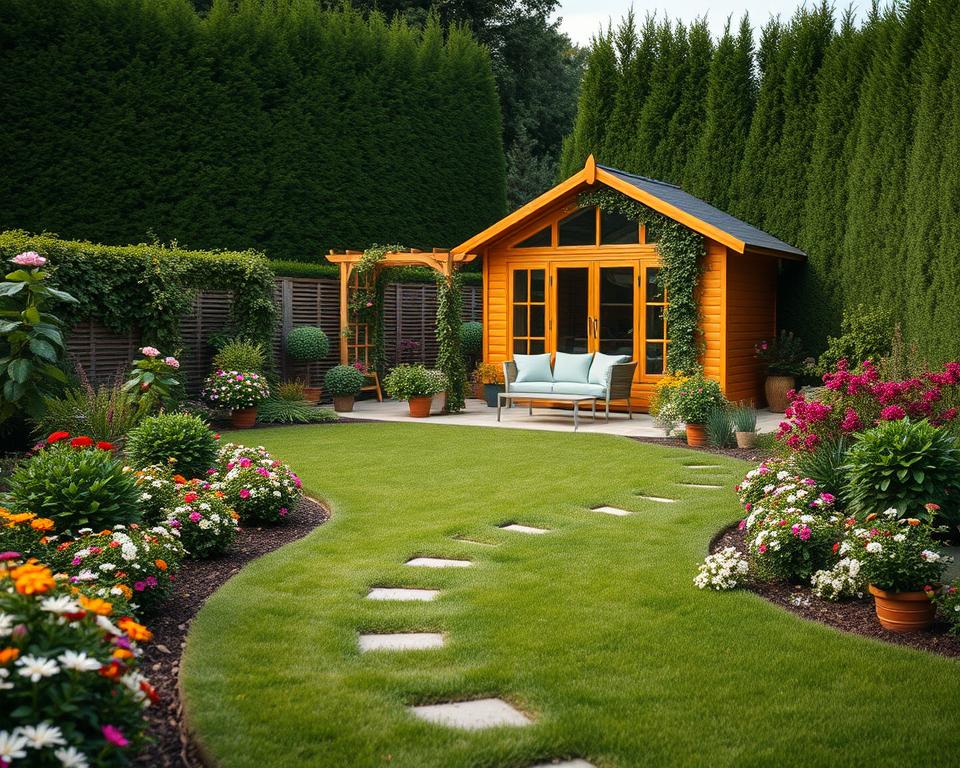
A summerhouse is typically a garden building designed for relaxation and enjoyment during the warmer months. However, many modern designs are constructed to be used throughout the year, offering insulation and weather resistance. The design and style of a summerhouse can vary significantly, from traditional to contemporary, allowing homeowners to choose a structure that complements their garden aesthetic.
Popular Summerhouse Styles in the UK
The UK offers a diverse range of summerhouse styles to suit different tastes and garden sizes. Some popular options include:
- Traditional summerhouses with Georgian-style windows and apex roofs, ideal for heritage properties.
- Contemporary models featuring large doors and glass areas, perfect for modern garden designs.
- Corner summerhouses, designed to fit neatly into smaller gardens, maximising space efficiency.
- Log cabin summerhouses, offering a rustic aesthetic and excellent insulation properties.
- Combination designs that incorporate storage areas alongside the main summerhouse space, providing a practical solution for those who need both a retreat and a shed in one.
These styles showcase the versatility of summerhouses, allowing homeowners to select a style that suits their preferences and needs.
Cost Breakdown: DIY vs Pre-Made Summerhouses
A detailed cost analysis is essential for determining whether building your own summerhouse is more economical than buying pre-made. The costs associated with both options vary widely based on materials, size, and features.
Average Cost of Pre-Made Summerhouses
The average cost of pre-made summerhouses in the UK can range significantly. For instance, a 10ft x 12ft flat-pack shed, including base materials, can cost around £2,333.20. Factors influencing this cost include the quality of materials, design complexity, and brand reputation.
Typical Costs of Building Your Own Summerhouse
Building your own summerhouse allows for customization and potential cost savings. The material costs for a standard DIY summerhouse measuring 10ft x 12ft typically range from £1,500 to £2,500. Essential materials include:
- Structural timber (£400-£600)
- Cladding (£500-£800)
- Roofing materials (£150-£300)
- Windows and doors (£200-£500)
- Insulation (if required, £100-£300)
- Fixings and hardware (£100-£200)
Additional costs to consider include tools (£200-£400) and foundation materials (£150-£350 for a concrete base or £150-£250 for a timber frame base). It’s also advisable to budget an additional 10-20% for unforeseen expenses.
Is It Cheaper To Build Your Own Summerhouse?
To determine if it’s cheaper to build your own summerhouse, you need to examine both direct and indirect costs associated with the project. While the initial investment in materials and tools might seem straightforward, there are several factors that can affect the overall expense.
Direct Cost Comparison
When comparing the costs of building your own summerhouse versus purchasing a pre-made one, the initial outlay for materials and tools is a significant consideration. DIY projects often require a substantial upfront investment in materials, which can be comparable to, if not more than, the cost of a pre-made summerhouse. However, the cost of labour is saved when you choose to build it yourself.

Hidden Costs to Consider
Beyond the direct costs, there are several hidden costs that can significantly impact the total expense of your DIY summerhouse project. These include:
- The cost of acquiring specialised tools, which can add £300-£800 to your budget.
- Material wastage due to errors or damage, potentially adding 10-15% to your material costs.
- The economic cost of your time, with a typical DIY summerhouse requiring 40-80 hours of labour, valued at £1,000-£2,000.
- Costs associated with correcting construction errors, which can be substantial.
- Additional finishing costs, including paint and interior fittings, which can add 15-25% to the final project cost.
It’s essential to factor in these hidden costs and consider adding a contingency buffer of 10% to 20% to your overall budget to account for unexpected expenses.
Materials Needed for a DIY Summerhouse
When embarking on a DIY summerhouse project, it’s crucial to have the right materials. The success of your project depends on selecting the appropriate building materials and tools.
Essential Building Materials
The choice of building materials is vital for the durability and aesthetic appeal of your summerhouse. Typical materials required include timber for the frame and cladding, roofing materials such as tiles or felt, and doors and windows. The type of material chosen will depend on the design and intended use of the summerhouse.
Tools Required for Construction
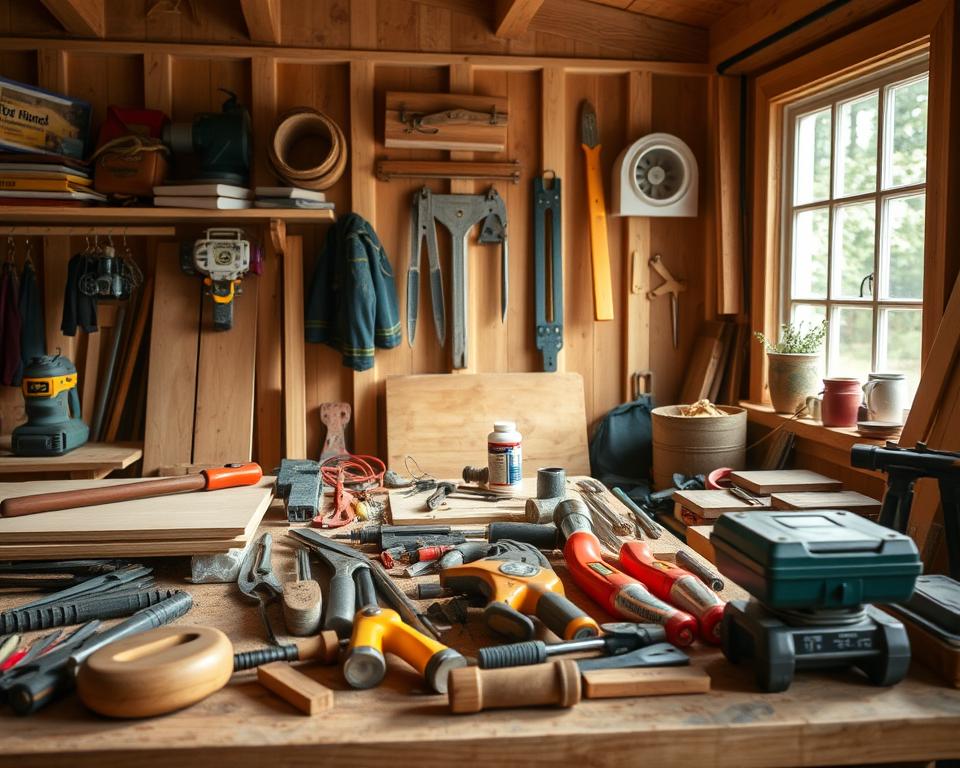
For the construction of a DIY summerhouse, various tools are necessary. Essential power tools include a circular saw or mitre saw for accurate timber cutting, a cordless drill/driver for fixings, and an impact driver for structural screws and bolts. Hand tools required include hammers, chisels, a spirit level, measuring tape, and various screwdrivers.
Time and Labour Considerations
Time and labour are crucial considerations for anyone looking to construct a summerhouse. The complexity of the project demands a significant investment of both, and understanding the requirements is essential for planning.
Professional Installation Timeframes
When opting for a pre-made summerhouse, professional installation is typically included. The timeframe for professional installation can vary depending on the size of the summerhouse and the complexity of the site preparation. Generally, a professional team can complete the installation within a few days to a week. This timeframe includes preparing the site, laying the foundation, and assembling the summerhouse. Professional installation ensures that the job is done efficiently and to a high standard, minimising the risk of delays or errors.

DIY Project Duration Expectations
For those undertaking a DIY summerhouse project, the duration can be significantly longer. The time required depends on the individual’s level of experience, the availability of tools, and the amount of help available. Typically, a DIY summerhouse construction can take 2-4 weekends (40-80 hours) for a small to medium-sized structure. However, first-time builders should expect to add 50-100% to this timeframe due to the learning curve and potential mistakes. Factors such as weather conditions and the number of people assisting can also impact the overall duration of the project.
Foundation Options for Your Summerhouse
When building a summerhouse, selecting the right foundation is crucial for its stability and longevity. The foundation provides the necessary support and ensures the structure remains level and secure.
Concrete Base Foundations
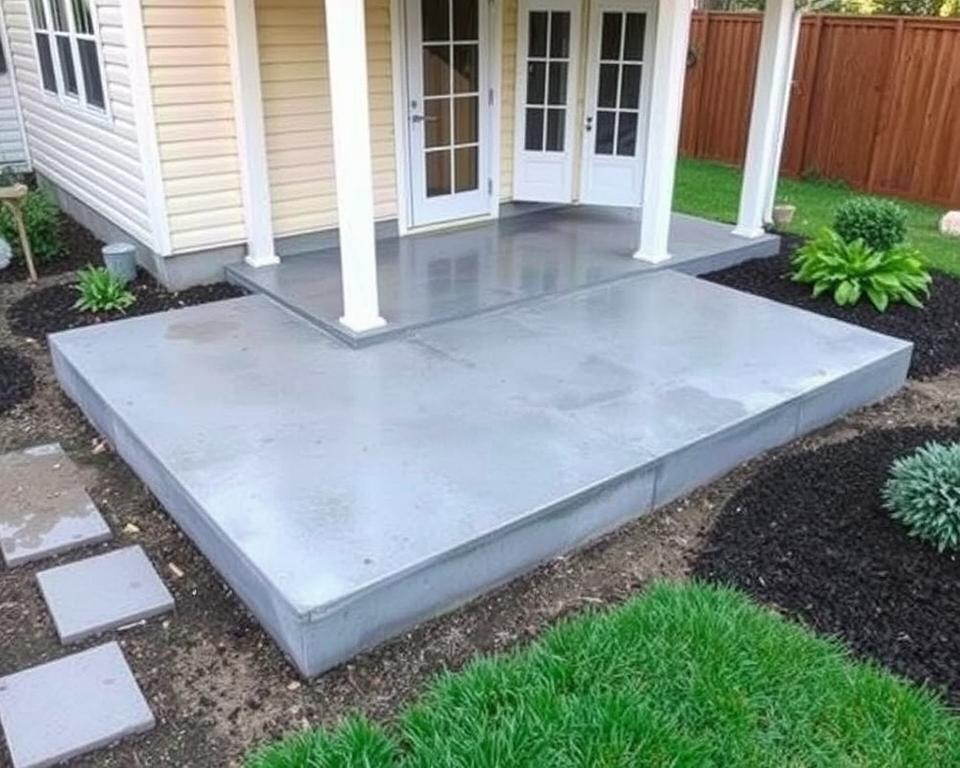
A concrete base foundation offers a solid, durable foundation for your summerhouse. It involves laying a concrete slab that provides a level surface. This type of foundation is ideal for most summerhouse styles and is particularly effective in areas with poor drainage.
Key benefits: durable, level surface, effective drainage
Timber Frame Foundations

Timber frame foundations provide a cost-effective alternative to concrete bases. They involve constructing a rectangular frame from pressure-treated timber, supported by concrete blocks or piers. This foundation type is suitable for sloping sites and offers excellent natural ventilation.
- Cost-effective, saving £150-£250 on material costs
- Suitable for sloping sites
- Provides natural ventilation, reducing moisture-related issues
Skills Required for DIY Summerhouse Construction
Successfully building a summerhouse requires a blend of skills, experience, and the right tools. Without the necessary expertise, the project can become daunting, leading to potential structural issues or aesthetic problems.
Essential Carpentry Skills
Carpentry skills are crucial for a DIY summerhouse project. Essential skills include measuring and cutting timber accurately, understanding basic joinery techniques, and being able to assemble the structure efficiently. Having experience with similar projects can significantly enhance the outcome.
When to Call in Professional Help
There are instances where professional assistance is advisable. Foundation work, electrical installations, complex roof constructions, and window and door installations often require specialized expertise. Recognizing when to seek professional help can prevent costly mistakes and ensure the structure is safe and durable.
Pros of Building Your Own Summerhouse
Constructing a summerhouse yourself offers numerous benefits, ranging from financial savings to personal satisfaction. When considering a DIY approach, it’s essential to weigh these advantages.
Cost Savings Potential
Building your own summerhouse can result in significant cost savings. By sourcing materials yourself and undertaking the construction, you can avoid labour costs associated with pre-made summerhouses. This approach allows you to allocate your budget more efficiently, potentially resulting in a more elaborate structure than initially planned.
Customisation Opportunities
A DIY summerhouse project provides the opportunity for extensive customisation. You can tailor the design, materials, and features to your specific needs and preferences, creating a unique space that reflects your personal style. This level of customisation is often difficult to achieve with pre-made summerhouses.
Sense of Achievement
Completing a substantial construction project like a summerhouse provides immense personal satisfaction and a tangible achievement that remains visible for many years. The process of building enhances your skills and confidence, representing a valuable learning experience that can be applied to future projects.
| Benefits | Description | Impact |
|---|---|---|
| Cost Savings | Reduced labour costs through DIY construction | Financial savings for other garden improvements |
| Customisation | Tailored design and features to personal preferences | Unique and personalised garden space |
| Sense of Achievement | Completion of a substantial construction project | Enhanced confidence and skills for future projects |
| Comparison to Pre-made Sheds | DIY vs pre-made shed or shed | Personal connection and greater appreciation for self-built structures |
Overall, building your own summerhouse can be a rewarding experience that not only provides a functional garden space but also enhances your DIY skills over the years.
Cons of DIY Summerhouse Construction
While building your own summerhouse can be a rewarding project, it’s essential to consider the potential downsides. One of the primary concerns is the significant amount of time and effort required to complete the project successfully.
Time Investment Challenges
Building a summerhouse demands a substantial time investment, taking away from other activities. The construction process involves numerous tasks, from preparation to completion, requiring a considerable level of commitment.
Quality and Durability Concerns
The quality and durability of a DIY summerhouse depend heavily on the skills and experience of the person building it. Without proper tools and techniques, the structure may not be as sturdy or long-lasting as desired.
Skill Level Requirements
A certain level of DIY knowledge is necessary for building a summerhouse. Key skills include understanding construction techniques, being proficient with power tools, and ensuring compliance with regulations.
| Skill Requirement | Description |
|---|---|
| Carpentry Skills | Measuring, cutting, and creating square corners |
| Tool Proficiency | Efficient and safe use of power tools |
| Roofing Techniques | Waterproofing, overlaps, and flashing installation |

In conclusion, while building your own summerhouse can be a fulfilling project, it’s crucial to be aware of the potential challenges, including the time required, quality concerns, and the need for specific skills and experience.
Benefits of Buying a Pre-Made Summerhouse
Purchasing a pre-made summerhouse can offer numerous benefits for homeowners looking to enhance their garden space. One of the primary advantages is the assurance of quality and durability that comes with a professionally manufactured product.
Professional Quality Assurance
Pre-made summerhouses are constructed with high-quality materials and built to last, ensuring that they withstand various weather conditions. The use of durable materials and robust construction methods guarantees a long lifespan for the structure, making it a worthwhile investment for any homeowner.
Time Efficiency
Buying a pre-made summerhouse saves a significant amount of time compared to building one from scratch. Since these structures are manufactured off-site and assembled on-site, the overall installation time is greatly reduced. This time efficiency allows homeowners to enjoy their new garden feature much sooner.
Warranty Protection
Most reputable suppliers of pre-made garden rooms offer a warranty that covers structural issues and components. This warranty typically lasts between 5 to 15 years, depending on the supplier, and provides financial protection against premature failure or defects. The warranty coverage often includes protection against timber rot, fungal decay, and insect infestation, addressing common concerns for outdoor wooden structures.
- Manufacturer warranties provide financial protection against premature failure or defects, potentially saving significant expense compared to self-funded remedial work on DIY constructions.
- Documentation of warranty coverage can add value when selling a property, as it provides the new owner with continued protection and evidence of the structure’s quality.
- Professional installation is typically required to maintain warranty validity, ensuring the summerhouse is assembled according to manufacturer specifications for maximum durability and performance.
Planning Permission and Building Regulations
Homeowners must navigate the complexities of planning permission and building regulations when constructing a summerhouse. In the UK, these regulations dictate the size, height, and placement of outbuildings like summerhouses.
UK Requirements for Summerhouses
The UK has specific regulations regarding summerhouse construction. For instance, the height of a summerhouse is restricted to 4m for a dual-pitched roof, 3m for other roof types, and 2.5m if it’s within 2m of the property boundary. Properties that are listed buildings or located on designated land, such as conservation areas or national parks, require planning permission regardless of these height restrictions.
Size and Placement Restrictions
There are several key restrictions to consider when building a summerhouse. These include:
- Size restrictions limit outbuildings to a maximum footprint of 30 square metres if replacing an existing structure, or 15 square metres for new buildings within 1 metre of property boundaries.
- Height limitations vary based on proximity to boundaries, with structures within 2 metres restricted to 2.5 metres in height.
- Placement considerations include maintaining the structure behind the principal elevation of the house and ensuring it remains ancillary to the main dwelling.
- Total garden coverage by all outbuildings must not exceed 50% of the original garden area.
Understanding these regulations is crucial for a successful summerhouse project.
Long-Term Considerations: Maintenance and Durability
The lifespan of your summerhouse is influenced by various factors including construction quality and maintenance. When investing in a garden shed or summerhouse, it’s essential to consider these long-term aspects to ensure your structure remains a valuable addition to your garden for years to come.
Maintenance Requirements
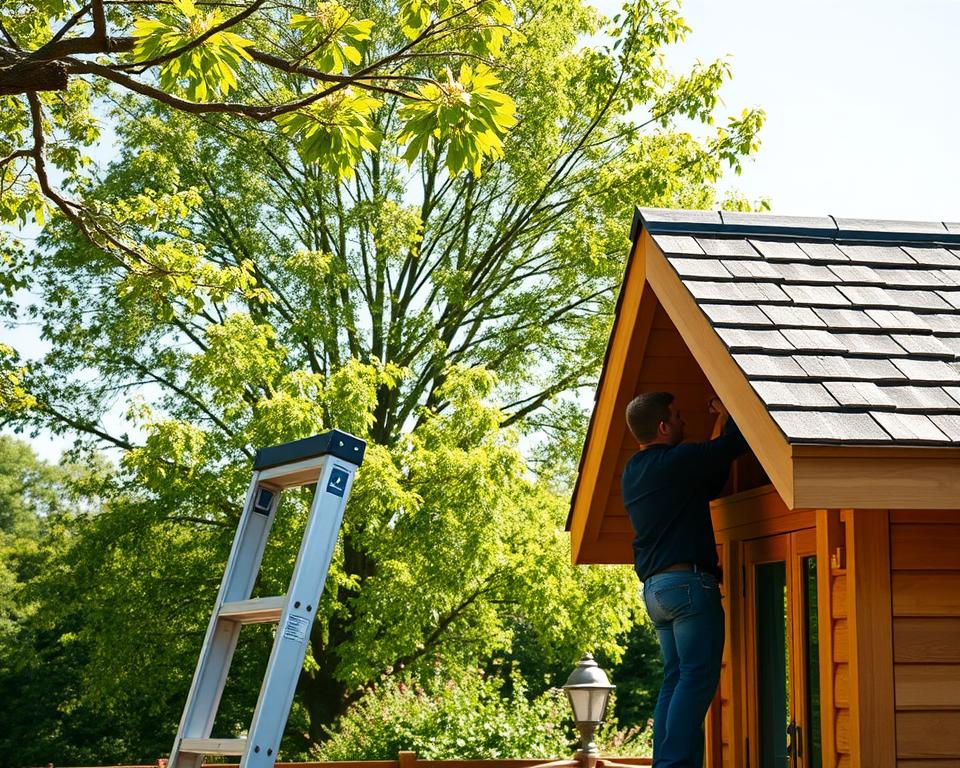
Regular maintenance is crucial for extending the life of your summerhouse. The type of materials used and the quality of construction play significant roles in determining maintenance needs. For instance, a summerhouse with a felt roof will require more frequent maintenance compared to one with an EPDM rubber membrane roof, which can last 20+ years. Proper insulation also contributes to the overall durability by protecting the structure from extreme temperatures.
- Regularly inspect the roof for damage or wear.
- Check the foundation for signs of deterioration.
- Treat timber surfaces to protect against rot and insect damage.
Expected Lifespan Comparison
The expected lifespan of a summerhouse varies significantly between DIY constructions and professional pre-made structures. While a DIY shed might last between 5-20 years depending on the quality of construction and materials, a professionally made summerhouse can last 15-25 years or more with proper maintenance. The choice of materials, such as pressure-treated timber, and the type of foundation, like a concrete base, can significantly impact the longevity of the structure.
Conclusion: Making the Right Choice for Your Garden
Ultimately, the decision to build or buy a summerhouse depends on your individual circumstances and priorities. When considering your garden space, it’s crucial to assess your budget, available time, and DIY skills.
For those with limited construction experience, pre-manufactured summerhouses offer quality assurance and time efficiency. On the other hand, DIY construction can be cost-effective for those with existing carpentry skills.
The intended use of your summerhouse is also vital. If you plan to use it as a home office or a year-round garden room with insulation, professional construction standards may be beneficial.
A balanced approach could be to purchase a pre-manufactured shell and undertake the interior finishing yourself. Regardless of your chosen approach, thorough planning, accurate budgeting, and consideration of long-term maintenance will ensure satisfaction with your final result and value for money in your garden space.
FAQ
What are the key factors to consider when deciding whether to build or buy a summerhouse?
When deciding whether to build or buy a summerhouse, consider factors such as budget, available time, DIY skills, and desired level of customisation. Building a summerhouse requires a significant time investment and carpentry skills, while buying a pre-made summerhouse offers a quicker solution with professional quality assurance.
What size summerhouse can I build without needing planning permission?
In the UK, you typically don’t need planning permission for a summerhouse if it’s not larger than a certain size, usually around 30 square metres, and is not used as a dwelling or office. However, it’s essential to check local regulations and size restrictions.
What type of foundation is required for a summerhouse?
The type of foundation required for a summerhouse depends on its size, design, and location. Common foundation options include a concrete base or a timber frame foundation. A level site is crucial to ensure the structure remains stable.
How long does it take to build a DIY summerhouse?
The time it takes to build a DIY summerhouse varies depending on the size, complexity, and individual’s DIY skills. A simple summerhouse can take a few days to a week to build, while a more complex design may take several weeks or even months.
What are the benefits of using a pre-made summerhouse kit?
Pre-made summerhouse kits offer several benefits, including professional quality assurance, time efficiency, and warranty protection. These kits usually come with pre-cut timber and detailed instructions, making the installation process easier.
How can I ensure my summerhouse is durable and long-lasting?
To ensure your summerhouse is durable and long-lasting, use high-quality materials, such as durable timber, and follow proper construction techniques. Regular maintenance, including inspecting and repairing the structure, is also crucial.
Can I use my summerhouse as an office or dwelling?
In the UK, summerhouses are typically not designed for use as dwellings or offices, as they may not meet building regulations. Check local regulations to determine if your summerhouse can be used for other purposes.
What are the typical costs associated with building a summerhouse?
The costs associated with building a summerhouse include materials, such as timber, roofing materials, and insulation, as well as tools and labour. The total cost will depend on the size, design, and complexity of the project.