
Tips for decorating a garden
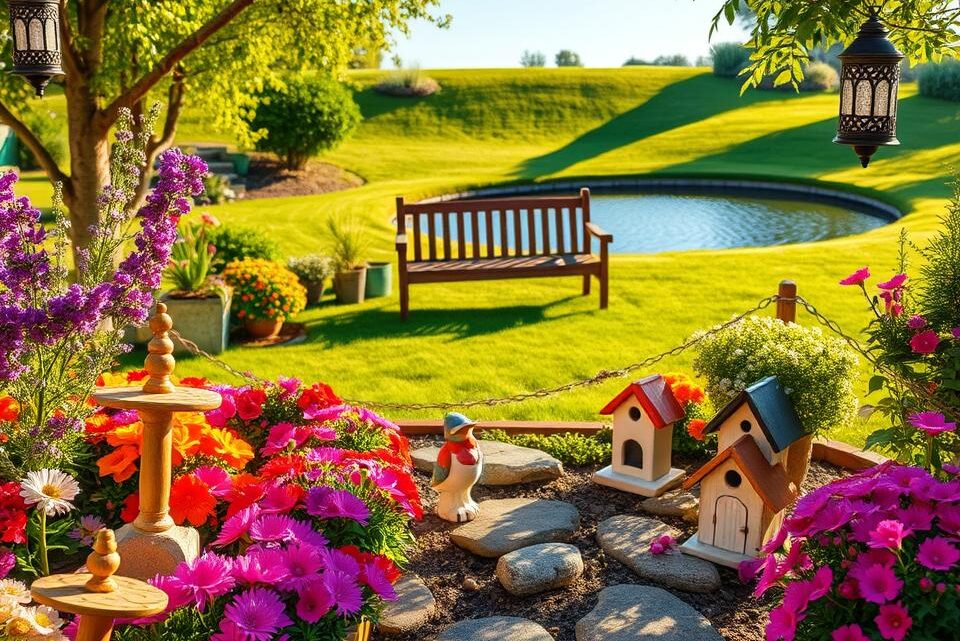
Transforming your outdoor space into a captivating garden sanctuary requires more than random plant placement. Garden decoration ideas are about crafting a personalised landscape that reflects your unique style and enhances your living environment. With strategic outdoor space design, you can turn even the smallest garden into a breathtaking retreat.
Garden planning goes beyond mere aesthetics. It’s an art form that blends natural beauty with intentional design. Your garden can become an extension of your home—a living canvas where creativity and nature intertwine. Whether you have a compact urban courtyard or a sprawling lawn, innovative decoration techniques can elevate your outdoor space.
Understanding the principles of garden design empowers you to create a stunning landscape that evolves beautifully through different seasons. Each element—from plant selection to structural features—contributes to a cohesive and inviting outdoor environment that invites relaxation and inspiration.
Inhaltsverzeichnis
Key Takeaways
- Gardens are living canvases that reflect personal style
- Strategic planning transforms ordinary spaces
- Consider your garden as an extension of your home
- Balance aesthetics with functional design
- Embrace creativity in outdoor decoration
- Select plants and features that complement each other
Creating Your Garden Vision and Style
Designing your garden is a deeply personal journey that reflects your unique aesthetic and connection to nature. Whether you’re drawn to a cottage garden style or a contemporary garden design, understanding your personal vision is the first step to creating an outdoor space that truly speaks to your soul.
Every garden tells a story, and your design should capture the essence of your personality and lifestyle. Traditional gardens offer structured elegance, while modern garden design embraces bold, innovative approaches.
Identifying Your Personal Garden Aesthetic
Discovering your garden style involves exploring different design philosophies:
- Examine your living spaces and interior design preferences
- Consider your emotional connection to outdoor environments
- Reflect on landscapes that inspire you
- Think about how you want to use your garden space
Drawing Inspiration from Nature and Design
Your garden can draw inspiration from multiple sources:
- Natural Landscapes: British countryside, local parks, and woodland areas
- Architectural Designs: Contemporary garden layouts with clean lines
- Cultural Influences: Japanese zen gardens, Mediterranean courtyards
- Personal Memories: Childhood gardens, travel experiences
Create a vision board that captures the essence of your desired garden style. Mix elements from cottage garden charm with modern garden design principles to craft a truly unique outdoor sanctuary.
Choosing the Right Plants for Visual Impact

Crafting a stunning garden requires thoughtful plant selection that delivers year-round garden interest. Your decorative plants are the paintbrush with which you’ll create a living masterpiece, transforming outdoor spaces into breathtaking landscapes.
Consider these key strategies for selecting plants that make a visual statement:
- Prioritise plants with diverse textures and heights
- Select specimens with multi-season appeal
- Balance structural elements with delicate flowering plants
Architectural plants like Cordyline and tree ferns can create dramatic focal points, while perennials such as Verbena bonariensis introduce graceful movement. Your goal is to design a garden that captivates throughout the seasons.
“A well-planned garden is a canvas of living art, constantly evolving and surprising,” says renowned landscape designer Beth Chatto.
When developing your garden colour schemes, think beyond summer blooms. Evergreen shrubs provide winter structure, while deciduous varieties offer stunning autumn transformations. Consider layering plants by combining bold foliage like Hostas with delicate grasses to create visual depth and excitement.
Your plant selection should balance aesthetic appeal with practical maintenance. Choose varieties that suit your lifestyle while delivering maximum decorative impact.
Incorporating Garden Structures and Features
Transforming your garden into a captivating outdoor sanctuary requires thoughtful integration of garden structures and decorative features. These elements not only enhance visual appeal but also create functional spaces that invite relaxation and exploration.
Selecting Arbours, Pergolas and Trellises
Garden structures offer remarkable opportunities to define spaces and add architectural interest. Pergola design plays a crucial role in creating dramatic vertical elements that draw the eye and provide stunning focal points.
- Wooden arbours create romantic entryways
- Metal pergolas offer contemporary elegance
- Trellises transform blank walls into living artwork
| Structure Type | Material | Best Use |
|---|---|---|
| Wooden Arbour | Timber | Garden entrance, climbing plants |
| Metal Pergola | Steel/Aluminium | Seating areas, shade |
| Decorative Trellis | Wrought Iron/Wood | Vertical gardening, privacy |
Adding Water Features for Tranquillity
Water features breathe life into garden ornaments, creating serene atmospheres that soothe and refresh. Whether you prefer a small bubbling fountain or an expansive pond, these elements introduce movement and tranquillity.

Consider scale, placement, and maintenance when selecting your water feature. Small solar-powered fountains can transform compact spaces, while larger installations might require professional design and electrical connections.
- Solar-powered fountains
- Classic stone water features
- Contemporary water walls
- Natural pond designs
Your garden structures and water features should harmonise with your overall landscape design, creating a cohesive and inviting outdoor environment.
Tips for Decorating a Garden with Colour and Texture
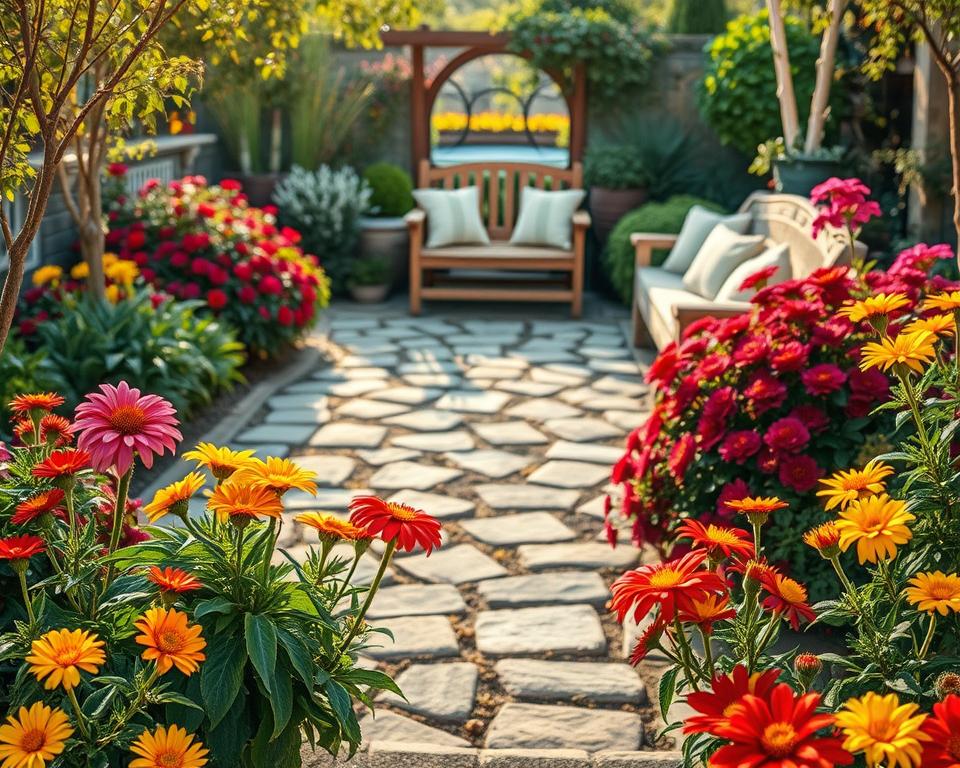
Transforming your garden into a visual masterpiece requires thoughtful consideration of colour schemes and texture in gardens. Your garden aesthetics can dramatically change by understanding how different elements interact and complement each other.
Creating stunning garden colour schemes is about more than randomly selecting plants. Consider these key strategies for developing a cohesive decorative element in your outdoor space:
- Use complementary colours to create visual excitement
- Explore monochromatic palettes for elegant simplicity
- Blend warm and cool tones for balanced garden design
Texture plays an equally crucial role in garden design. Mixing different plant textures creates depth and visual interest. Imagine combining smooth, glossy leaves with delicate, feathery grasses or rough bark against soft flower petals.
“A garden is a complex living artwork, where colour and texture dance together in harmonious celebration.” – Garden Design Expert
Strategic use of decorative elements can transform small spaces. Cool colours like blues and purples can make gardens appear larger, while warm tones create intimate, inviting atmospheres.
- Soft, feathery grasses provide movement
- Smooth stone pathways offer contrast
- Architectural plants create structural interest
Experiment with unexpected combinations and trust your creative instincts. Your garden is a personal canvas waiting to reveal its unique character through thoughtful colour and texture selections.
Lighting Your Garden for Ambience and Drama
Transform your outdoor space into a magical evening retreat with creative garden lighting ideas that breathe life into your landscape. Garden lighting is more than just illumination—it’s about crafting an enchanting atmosphere that extends your living space beyond daylight hours.
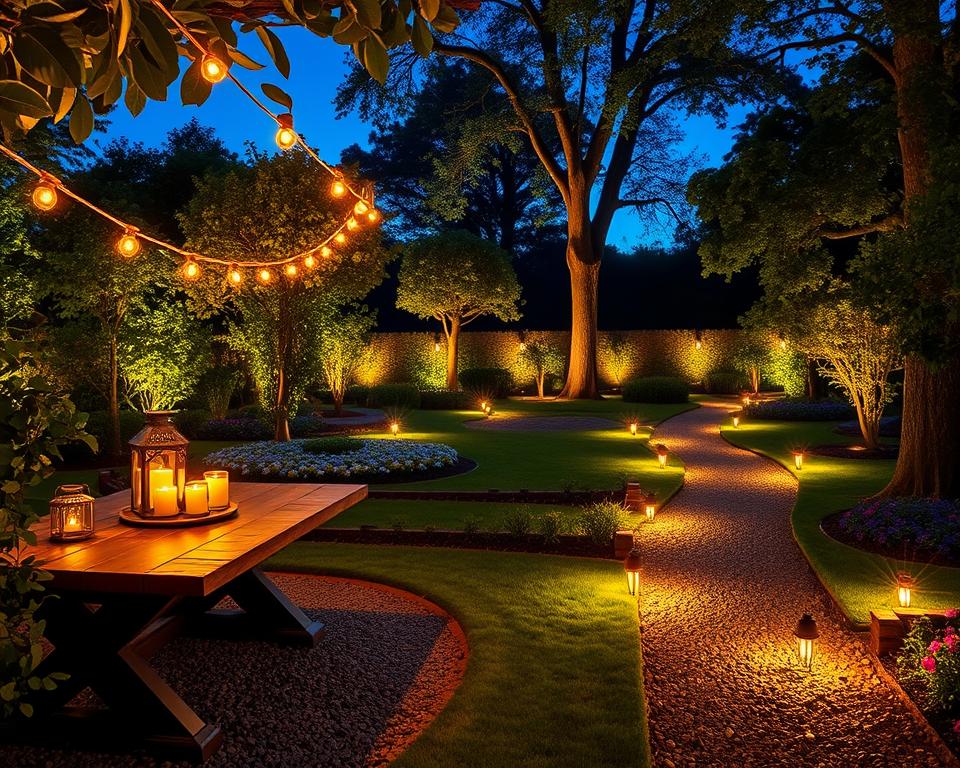
Outdoor lighting offers endless possibilities to create stunning visual experiences. By strategically placing lights, you can highlight your garden’s most beautiful features and create captivating focal points that draw the eye and spark imagination.
Choosing Between Solar and Electric Garden Lighting
When selecting outdoor lighting, you’ll want to consider two primary options:
- Solar Lighting: Eco-friendly and easy to install
- Electric Lighting: Consistent and powerful illumination
| Lighting Type | Pros | Cons |
|---|---|---|
| Solar Lighting | No electricity costs | Limited brightness |
| Electric Lighting | Consistent performance | Higher installation expense |
Creating Focal Points with Strategic Illumination
Master the art of garden atmosphere by using lighting to create dramatic focal points. Experiment with techniques like:
- Uplighting architectural plants
- Downlighting for moonlight effects
- Path lighting for safety and beauty
Consider mixing warm white lights for cosy corners with cool white options to highlight modern landscaping elements. Your garden will transform from a daytime landscape to a mesmerising nighttime wonderland.
Utilising Garden Furniture and Accessories
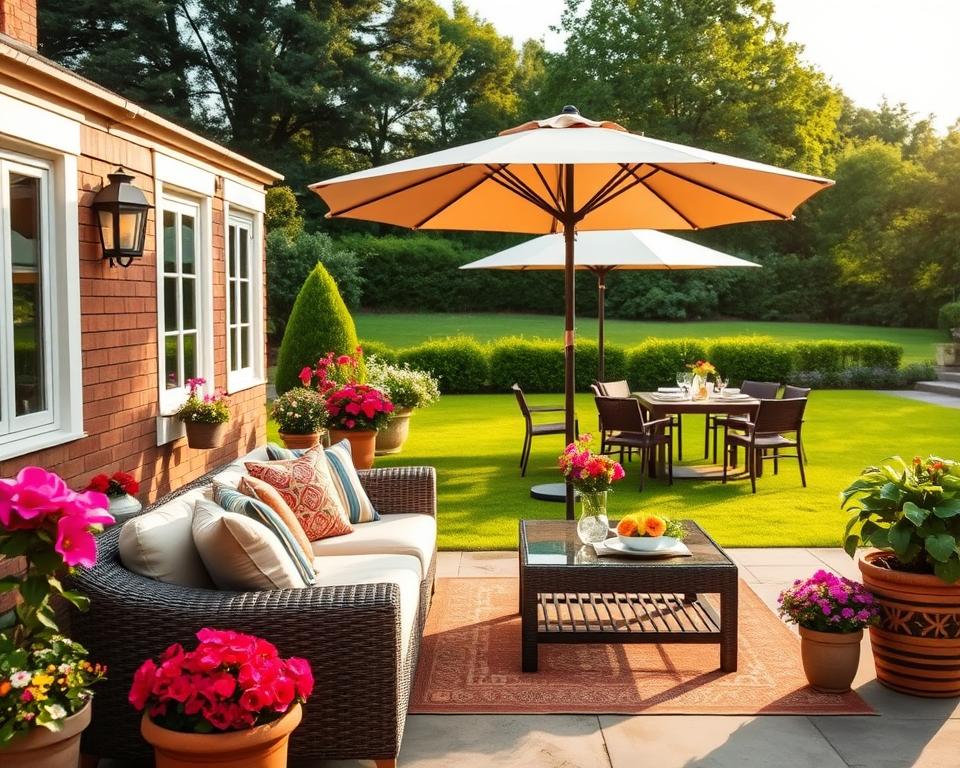
Transform your outdoor living space into a captivating retreat by carefully selecting garden furniture and accessories that reflect your personal style. The right pieces can elevate your garden from a simple green area to an enchanting extension of your home.
When choosing garden furniture, consider materials that complement your garden’s aesthetic and withstand British weather. Your options range from classic wooden benches to contemporary metal and rattan designs.
- Wooden furniture offers natural charm and timeless elegance
- Rattan sets provide modern sophistication
- Metal furniture brings sleek, durable solutions
Garden accessories play a crucial role in creating visual interest and personalising your outdoor decor. Select pieces that add character and functionality to your garden.
| Accessory Type | Style Impact | Functionality |
|---|---|---|
| Terracotta Pots | Traditional charm | Plant cultivation |
| Contemporary Planters | Modern aesthetic | Versatile placement |
| Garden Sculptures | Artistic focal point | Decorative statement |
Consider creating cohesive outdoor rooms by coordinating cushions, throws, and rugs that extend your interior design into the garden. Choose weather-resistant fabrics to maintain beauty through changing seasons.
Your garden furniture and accessories should not only look beautiful but also provide practical comfort for relaxation and entertainment. Invest in pieces that inspire you and transform your outdoor space into a stunning sanctuary.
Designing Pathways and Borders for Definition
Your garden’s structure tells a visual story, and pathway design plays a crucial role in creating that narrative. Landscape design transforms outdoor spaces from simple green areas into captivating environments that invite exploration and create visual interest.

Pathways are more than functional routes—they’re design elements that guide the eye and create movement through your garden. The right approach to garden borders and path selection can dramatically enhance your outdoor space’s aesthetic appeal.
Selecting Materials for Garden Paths
When choosing path materials, consider these key options:
- Gravel: Offers natural drainage and rustic charm
- Porcelain pavers: Provide sleek, low-maintenance surfaces
- Natural stone: Delivers timeless elegance and unique character
- Block paving: Creates consistent and durable pathways
Edging Techniques for Professional Results
Garden edging transforms ordinary landscapes into sophisticated outdoor rooms. Professional landscape designers recommend several techniques to define garden borders:
- Brick edging: Adds structural formality
- Flexible metal strips: Creates clean contemporary lines
- Stone borders: Provides natural, organic definition
- Log roll edging: Suits informal garden styles
By carefully selecting pathway materials and implementing strategic edging techniques, you’ll craft a garden that reflects your personal style while maintaining professional polish.
Seasonal Decoration Ideas for Year-Round Beauty
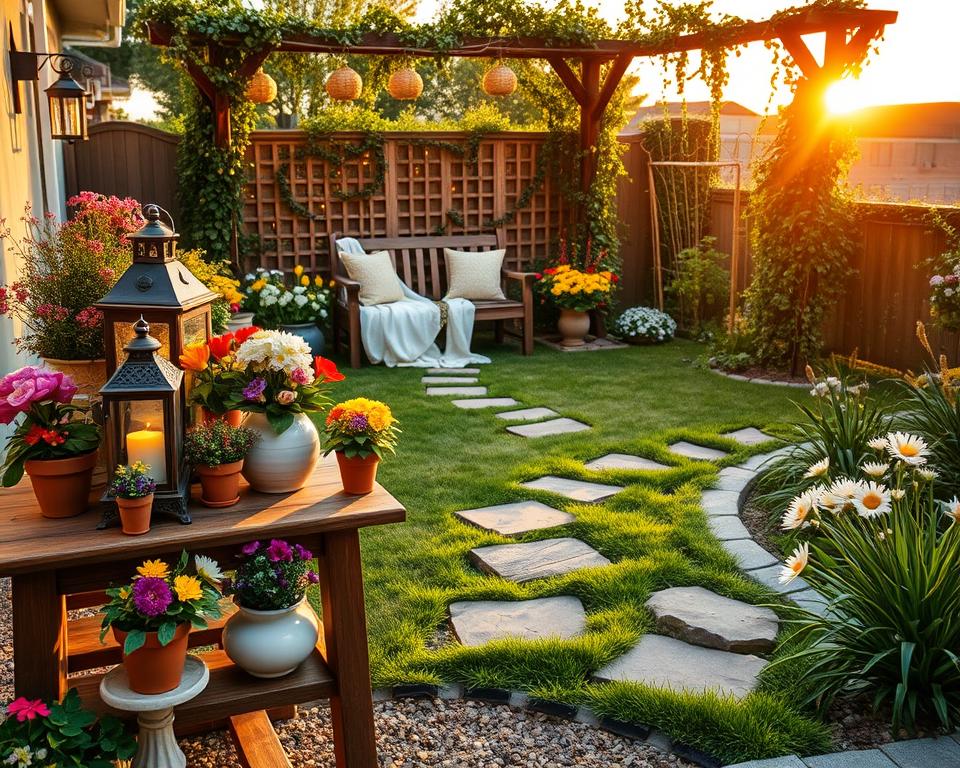
Transform your garden into a vibrant canvas that celebrates nature’s changing rhythms through clever seasonal garden decor. Each season brings unique opportunities to refresh your outdoor space and maintain year-round garden interest with thoughtful decorative elements.
Your garden planning should embrace the distinct character of each season. In spring, focus on awakening your space with:
- Pastel-coloured bulbs
- Delicate hanging baskets
- Lightweight garden ornaments
Summer invites bold, dramatic displays. Vibrant flowering plants, colourful ceramic pots, and intricate garden sculptures can create stunning visual impacts that capture the season’s energy.
Autumn transforms your garden into a rich tapestry of warm hues. Consider incorporating:
- Ornamental gourds
- Rustic wooden elements
- Copper garden accessories
Winter offers a unique opportunity to showcase structural beauty. Evergreen plants, strategic lighting, and sculptural elements can maintain visual interest during the quieter months.
Your garden can become a dynamic, ever-changing landscape that reflects the beauty of seasonal transitions through careful, creative decoration.
Conclusion
Your garden is more than just an outdoor space—it’s a canvas waiting to be transformed. The journey of garden decoration is deeply personal, blending creativity with practical outdoor space design. Each decision you make reflects your unique style and vision, turning a simple patch of land into a breathtaking sanctuary.
Remember that tips for decorating a garden are not rigid rules but gentle guidance. Your outdoor space should evolve with you, adapting to seasonal changes and your growing confidence. Start small, experiment boldly, and allow your garden to become a living reflection of your personality. Whether you’re working with a compact urban courtyard or a sprawling rural landscape, the principles remain the same: create harmony, embrace personal style, and enjoy the process.
Garden decoration is an ongoing creative journey that rewards patience and imagination. Every plant you select, every pathway you design, and every lighting feature you install builds towards a cohesive outdoor environment. Your garden can become the most cherished room of your home—a peaceful retreat that offers tranquillity, beauty, and endless opportunities for personal expression.
Take that first step. Sketch your dreams, visit local garden centres, and begin transforming your outdoor space. Your perfect garden awaits, ready to bloom with your creativity and passion.
FAQ
How do I start decorating my garden?
Begin by creating a vision board that captures your garden style preferences. Consider your lifestyle, the amount of time you can dedicate to maintenance, and the overall atmosphere you want to create. Take inspiration from nature, design magazines, and local botanical gardens to develop a clear concept that reflects your personal aesthetic.
What are the best low-maintenance plants for garden decoration?
Choose evergreen shrubs like Boxwood or Lavender, which provide year-round structure with minimal care. Ornamental grasses such as Miscanthus and drought-resistant perennials like Echinacea are excellent choices. These plants offer visual interest while requiring minimal pruning and maintenance, making them perfect for busy gardeners.
How can I create visual interest in a small garden?
Maximise your space by using vertical gardening techniques, such as trellises, wall-mounted planters, and climbing plants. Layer your plantings with varying heights and textures, and use strategic lighting to create depth. Consider multi-functional furniture and mirrors to create the illusion of more space.
What lighting options work best for garden ambience?
Combine different lighting techniques for maximum impact. Use solar spike lights for flexibility, wall-mounted fixtures for permanent illumination, and string lights for a festive touch. Consider layered lighting that highlights focal points like sculptures or water features, creating a magical evening atmosphere.
How do I choose garden furniture that complements my space?
Select furniture that matches your garden’s scale and style. For smaller spaces, choose compact bistro sets or foldable furniture. Consider weather-resistant materials like powder-coated metal or synthetic rattan. Coordinate colours and textures with your existing garden design, and opt for multi-functional pieces that provide comfort and practicality.
What are some budget-friendly garden decoration ideas?
Get creative with DIY projects like repurposing old containers as planters, creating garden art from recycled materials, and propagating plants from cuttings. Use gravel or bark mulch for cost-effective pathways, and shop end-of-season sales for plants and accessories. Focus on a few statement pieces rather than trying to decorate everything at once.
How can I decorate my garden for different seasons?
Create a year-round garden by incorporating evergreen plants for structure, using containers that can be easily changed, and selecting plants with interesting winter features like ornamental grasses or shrubs with colourful bark. Add seasonal decorations like spring bulbs, summer hanging baskets, autumn pumpkins, and winter fairy lights to keep your garden dynamic.
What are some tips for creating garden pathways?
Choose materials that complement your garden style, such as gravel for informal gardens or porcelain pavers for contemporary spaces. Consider path width and shape – meandering paths create a relaxed feel, while straight paths offer a more formal look. Incorporate edging to define borders and prevent spreading of materials.
How do I use colour effectively in garden design?
Experiment with colour theory by using complementary or analogous colour schemes. Create depth by using cool, receding colours to make spaces appear larger, or warm, advancing colours to create intimate areas. Consider the entire year’s colour palette, including foliage, bark, and seasonal flowers.
What water features work well in small gardens?
Choose compact water features like wall-mounted fountains, small bubbling stones, or contemporary water walls. Solar-powered options are excellent for areas without easy electrical access. Even a small water feature can transform your garden’s atmosphere, attracting wildlife and creating a sense of tranquillity.

