Optimise Your Shed: Tips & Practical Storage Systems
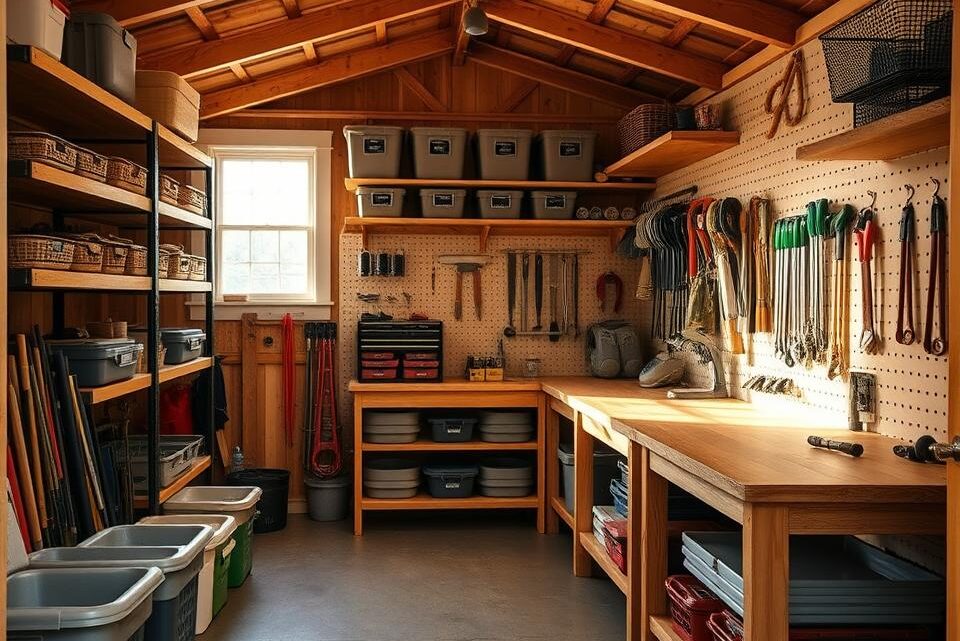
This guide offers practical guidance for UK homeowners, allotment holders and hobby gardeners who want to optimise their shed and improve garden shed organisation. Focusing on shed cabinets and hanging systems for shed, the article explains how to free up floor space, speed up tool retrieval and store hazardous materials safely. It also covers security measures and ways to extend the lifespan of equipment in damp, changeable British weather.
Across timber, metal and plastic sheds, simple changes to shed storage systems can make a big difference. You will find advice on prioritising cabinets and hanging systems, planning an efficient layout, choosing space-saving shelving, and picking the right rails, pegboards and slatwalls. The piece also looks at ventilated and lockable solutions for paints and chemicals, smart ideas for small sheds, and practical tips on budgeting and where to buy in the UK market.
Read on to learn concise, practical shed tips you can apply this weekend. The recommendations are tailored to British conditions and everyday shed use, helping you keep tools dry, accessible and secure.
Inhaltsverzeichnis
Key Takeaways
- Optimise shed layout to increase usable floor space and tool access.
- Use shed cabinets and hanging systems for safer, faster storage.
- Choose materials that withstand UK damp and temperature changes.
- Plan zones for gardening, DIY and seasonal items to stay organised.
- Invest wisely: budget-friendly DIY options and where to buy in the UK.
Tips – use practical cabinets and hanging systems in your garden shed
Start by thinking about function. Practical shed cabinets and hanging systems garden shed solutions make cleaning, safety and access far easier. A small investment in storage transforms cluttered floors into clear workspaces and speeds up everyday tasks.
Why prioritise cabinets and hanging systems
Cabinets protect items from dust, theft and moisture. They centralise hazardous items so you can fit locks for child safety and store chemicals away from pets.
Hanging systems free floor area and keep frequently used tools visible and within reach. That reduces search time and prevents tools from getting damaged.
Types of cabinets suitable for UK gardens
Timber cupboards suit a traditional garden shed look. Treat timber with preservative and recoat periodically to resist damp and rot in UK weather.
Galvanised steel cabinets give robust, long-lasting storage. Choose powder-coated finishes to lower the risk of corrosion and reduce maintenance.
Plastic resin cabinets offer weatherproof, low-maintenance options. They resist moisture and require minimal upkeep, ideal for exposed positions.
Modular metal workshop cabinets work well for heavier loads. Combine them with shelving and drawer units for professional-grade shed organisation UK projects.
Choosing hanging systems for tools and equipment
Pegboards are affordable and versatile. You can rearrange hooks quickly for seasonal tool swapping.
Slatwall panels give a cleaner, heavy-duty finish. They accept a wide range of accessories and suit busier workshops.
Rail-and-hook systems provide fast reconfiguration and clear horizontal storage lines. Pick fittings rated for the expected load and use galvanised or stainless-steel hooks in damp areas.
Plan placement so regular-use tools sit at a comfortable reach height. Combine cabinets with hanging solutions for mixed storage; keep hazardous items locked in cabinets while everyday tools hang ready.
Planning your shed layout for maximum efficiency
A clear plan turns a cluttered space into a working shed. Start with a brief shed storage assessment to set priorities. Note what you use daily, weekly and seasonally so you can place items where they are easiest to reach.
Assessing what you need to store
Carry out a full inventory of tools, equipment, chemicals, plant pots, seasonal items and lawncare machinery. List each item’s size, weight and how often you use it.
Classify items by priority and handling needs. Mark hazardous materials for lockable cabinets, heavy items for low shelving and fragile items for protected, padded storage.
Creating zones: gardening, DIY, seasonal storage
Divide the floor plan into distinct shed zones for gardening, DIY and seasonal storage. Group spades, secateurs and compost bags in a gardening area.
Place power tools, nails and screws in a separate DIY zone with strong shelving and clear labelling. Store patio cushions and Christmas lights in a seasonal zone away from everyday traffic.
Put high-use zones near the door for quick access. Keep heavy or rarely used items at the rear or on upper shelves to free central space.
Measuring and mapping for custom storage solutions
Measure internal dimensions, door swing, window positions and clearances for large items like lawnmowers and wheelbarrows. Record ceiling height for tall cabinets and hanging systems.
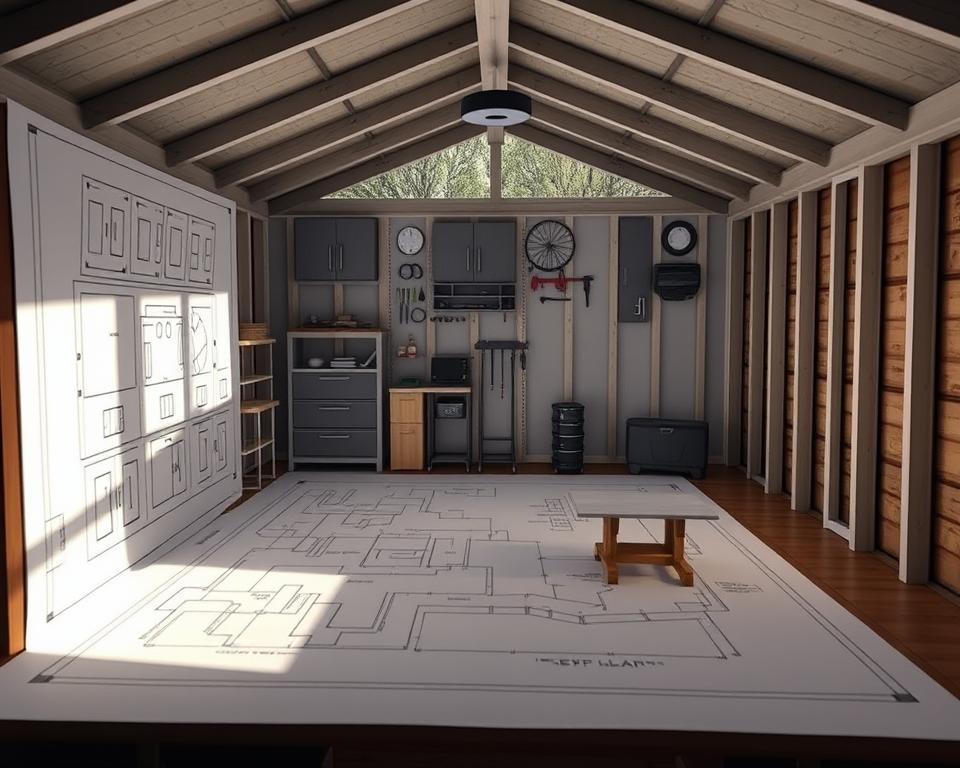
Sketch a scaled floor plan on graph paper or use simple software for precise shed mapping UK. Mark proposed positions for cabinets, pegboards and benches.
Allow a clear circulation path of 600–800 mm and leave room for future reconfiguration. Use measurements to measure shed storage accurately when planning bespoke cabinets or fitted storage.
| Task | Action | Reason |
|---|---|---|
| Inventory | List size, weight, use frequency | Supports a reliable shed storage assessment |
| Zoning | Assign gardening, DIY, seasonal areas | Makes daily access faster and safer |
| Measure | Note dimensions, door swing, clearances | Enables accurate shed mapping UK and custom builds |
| Plan | Sketch scaled layout, mark fittings | Reduces wasted space and future rework |
Space-saving shelving and modular storage options
Smart shelving transforms clutter into accessible gear. Pick systems that adapt as needs change and stand up to wet British weather. Balance flexibility with strength when fitting a modular storage shed or adding shed shelving UK to older buildings.
Adjustable shelving systems
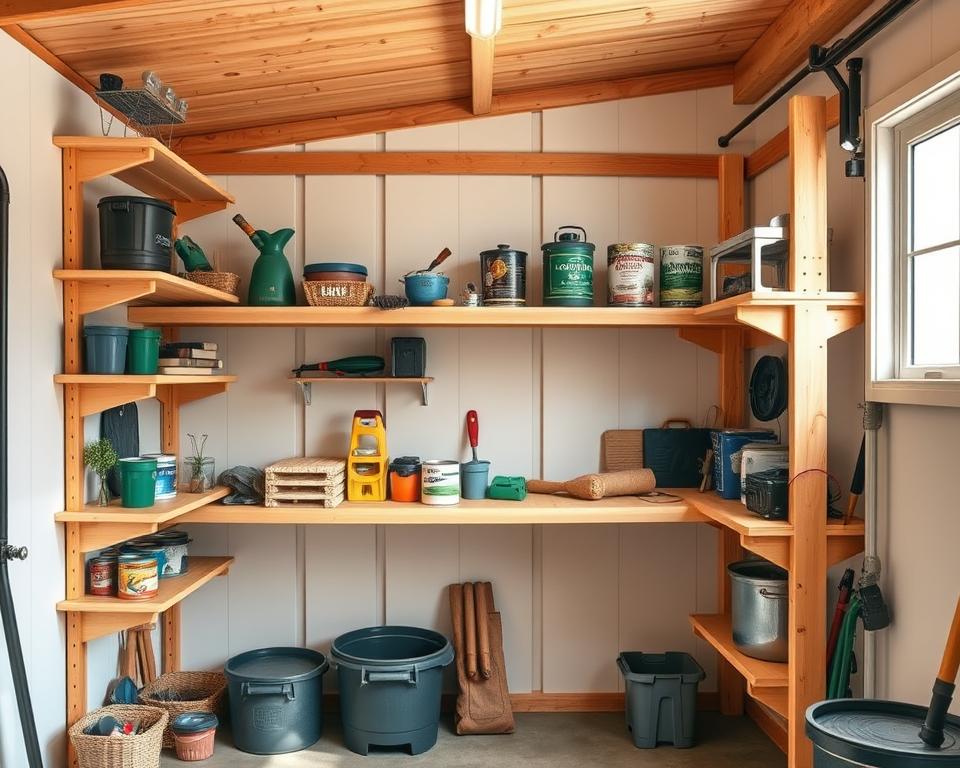
Steel shelving with adjustable brackets gives heavy-duty support for garden tools and paint tins. Slotted uprights paired with timber shelves suit irregular items such as plant pots and tall sprayers.
Floating shelf brackets work where space is tight and you want a cleaner look. Adjustable shed shelving lets you reconfigure heights quickly for seasonal swaps and larger purchases.
Modular units and stackable boxes
Plastic storage crates and lidded boxes, like Really Useful Boxes, fit neatly on racking and inside a modular storage shed. Stackable boxes garden shed owners favour make best use of vertical space and ease moving when reorganising.
Choose translucent or clear-front containers for instant visual checks. Stackable shelving modules let you grow storage in stages while keeping everything labelled and mobile.
Materials and finishes for durability in UK climates
Powder-coated steel resists corrosion far better than bare metal, which matters in damp gardens. Use marine-grade or stainless-steel fixings if you live near the coast to prevent rust at contact points.
For timber, pick pressure-treated or tanalised softwood to avoid rot. UV-stabilised plastics help prevent brittleness under summer sun. Secure shelving to studs or the floor and add moisture-resistant shelf liners in damp-prone sheds to protect stored items and ensure long life from durable shed materials.
Effective hanging systems: rails, pegboards and slatwalls
Choosing the right hanging system makes a big difference to how tidy and safe a shed feels. This section compares common options, recommends robust hooks and fittings, and gives practical installation tips to protect shed walls and ensure long service life.

Comparing rails, pegboards and slatwalls
Pegboard is a low-cost, flexible choice. It suits small hand tools and light garden kit. Pegboard vs slatwall becomes clear when load capacity matters. Pegboard struggles with heavy, concentrated loads.
Slatwall gives a professional finish and handles greater weights when fitted correctly. It works well for power tools, larger garden equipment and modular accessories. Slatwall panels often cost more than pegboard but repay that cost with durability.
Rail systems such as French cleats and tool rails offer rapid reconfiguration and excellent strength. Shed rails for tools can spread load across studs and are simple to adapt as your collection grows.
Best hooks and fittings for heavy tools
Choose powder-coated steel hooks for day-to-day corrosion resistance. Galvanised J-hooks are a smart pick for long-handled spades and forks.
Slotted heavy-duty brackets suit shelving and bulky items. Cradle mounts provide safe storage for awkward shapes such as trimmers and petrol cans.
For very heavy items like a chainsaw or compressor, use purpose-made cradles or combine hooks with a short shelf. Relying on a single hook risks damage to tools and walls in the long run. Heavy-duty hooks shed owners trust should match the weight rating of the tool.
Installation tips to protect shed walls
Always locate structural studs before fixing rails or slatwall panels. When studs are scarce, battening helps distribute the load across several fixings.
Use corrosion-resistant fixings such as stainless or galvanised screws in exterior sheds. In coastal or damp areas add rubber washers to isolate metal fittings from timber and reduce electrochemical corrosion.
Fit backing boards behind pegboard or slatwall to protect thin cladding. Seal timber inner walls where fittings pass through to reduce water ingress and rot. These simple steps will help protect shed walls and keep tool hanging systems UK working well for years.
| System | Typical cost | Load capacity (per metre) | Best use | Durability notes |
|---|---|---|---|---|
| Pegboard | Low | Light (hand tools) | Small tools, craft items | Cheap, needs backing for strength |
| Slatwall | Medium–high | Medium–high (modular) | Power tools, garden equipment | Professional finish, good load spread |
| Rail systems (French cleat, tool rails) | Medium | High (when fixed to studs) | Heavy tools, rapid reconfiguration | Very strong, easy to adapt |
| Accessories (hooks, cradles) | Low–medium | Varies by type | Hanging of specific items | Choose powder-coated or galvanised for longevity |
Practical cabinet choices for tools and hazardous materials
Choosing the right cabinets keeps tools secure and reduces risk from chemicals and flammable liquids. This short guide compares options for locked storage, ventilated paint storage and weatherproof models for UK gardens. Read each snippet to match the cabinet to your needs and legal duties.
Lockable cabinets for chemicals and sharp tools
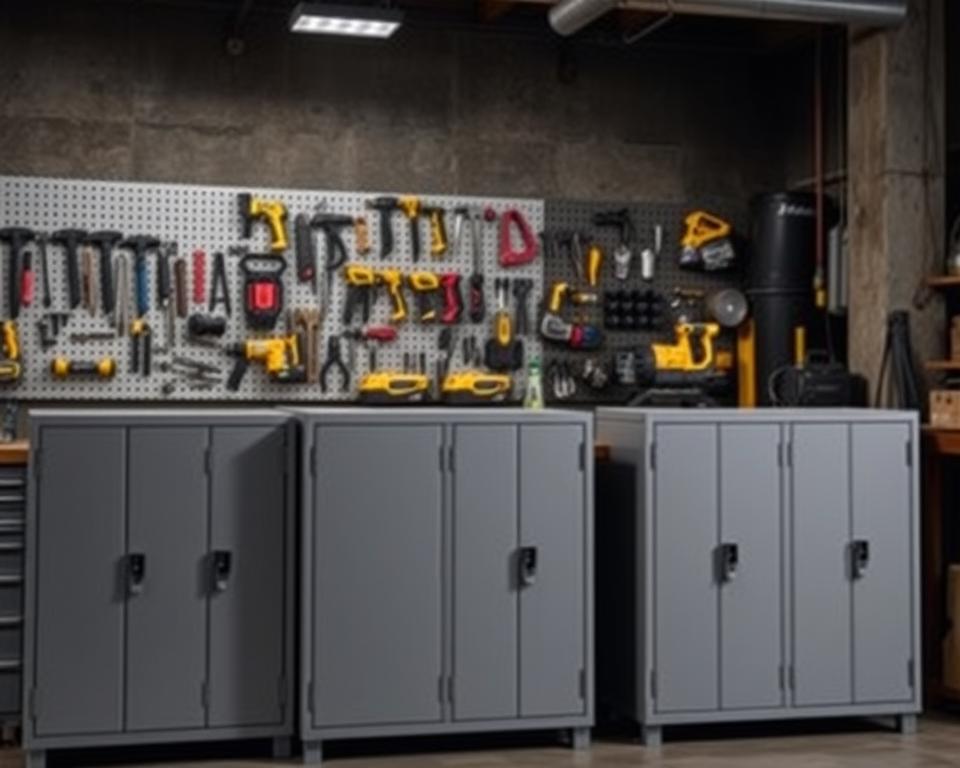
Keep pesticides, fertilisers, weedkiller and sharp tools out of reach of children and pets. A lockable tool cabinets option in metal with a secure latch and keyed lock meets most home needs. Plastic units from respected brands such as Keter or Rotho sometimes include integrated locks and resist corrosion.
Legal and safety duties mean you should label contents and separate incompatible substances. For heavier or bulk supplies consider bolting a lockable unit to the shed floor or wall to prevent theft and tipping.
Ventilated cabinets for paints and solvents
Paints and solvents give off vapour that can build up in confined spaces. A ventilated paint cabinet helps disperse fumes and lowers fire risk. Choose ventilated steel cabinets or shelving fitted with vents plus sealed drip trays to capture spills.
Store larger volumes of flammable liquids in purpose-made flame-proof cabinets when required and consult COSHH guidance for classification, labelling and safe separation of incompatible chemicals.
Weatherproof cabinets for outdoor exposure
For cabinets exposed to damp and sun, choose weatherproof cabinets UK models made from UV-stable polyethylene or powder-coated galvanised steel. Rubber door seals and treated hinges prevent moisture ingress and rust.
Raised-leg wooden cabinets treated for outdoor use can work too when set off the floor on pallets or shelving. Regularly check seals and hinges and keep items off the bare floor to reduce damp transfer in a hazardous storage shed.
| Feature | Best for | Material | Safety note |
|---|---|---|---|
| Lockable tool cabinets | Sharp tools, pesticides, fertilisers | Steel or heavy-duty plastic | Label contents and secure with keyed lock or padlock |
| Ventilated paint cabinet | Paints, solvents, small flammable liquids | Ventilated steel with drip trays | Follow COSHH; use flame-proof cabinet for larger quantities |
| Weatherproof cabinets UK | Outdoor tools and chemicals needing protection from elements | UV-stable polyethylene, powder-coated galvanised steel, treated wood | Position off the floor; check seals and hinges regularly |
Smart storage solutions for small sheds
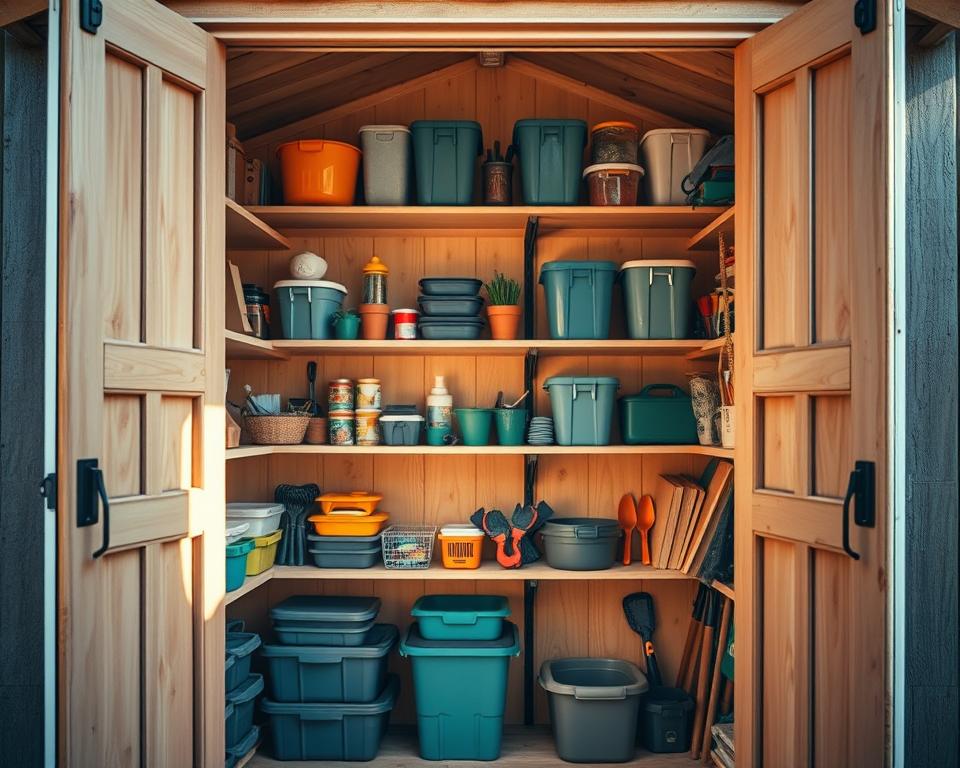
Small shed storage can feel cramped without a clear plan. Use height, doors and ceilings to increase capacity. A few smart choices turn a tight footprint into a tidy, functional workspace.
Vertical storage techniques
Vertical shed storage frees valuable floor space by keeping long-handled tools upright on racks. Wall-mounted rails and hooks hold rakes, spades and brooms securely. Tall, narrow cabinets exploit the shed’s height while keeping items organised.
Corner shelving and overdoor racks make the most of awkward gaps. Use magnetic strips for steel tools and stack clear bins on slim shelving to keep small parts visible and accessible.
Fold-away workbenches and multi-use furniture
A fold-away workbench UK is ideal for compact sheds. Choose wall-mounted fold-down benches from reputable retailers such as Wickes or Screwfix for reliable load ratings. Combination units that include drawers and a bench surface give work and storage in one footprint.
Fit robust hinges and supports rated for the expected load. Select lightweight, sturdy materials like plywood or aluminium to make installation easier without sacrificing strength. Consider retractable vice mounts to save space when the vice is not in use.
Utilising the door and ceiling space
Door storage shed solutions are great for small items. Over-the-door organisers keep seeds, gloves and small tools at eye level. Magnetic strips on the inside of doors store steel tools neatly and reduce clutter on benches.
Ceiling storage solutions include bike hoists and pulley systems for seasonal bulky items. Insulated loft-style platforms work where roof joists permit. Check that fixings are anchored into strong joists and seek professional fitting if you are unsure.
Organising accessories: labels, bins and drawer organisers
Good organising accessories turn a cluttered shed into a working space. Use clear labelling, the right bins and sensible drawer organisers to cut search time and protect tools from damp. Pick durable, weather-resistant items that match the scale of your storage needs.
Label systems that speed up retrieval
Choose waterproof printed labels and colour-coded labelling for quick visual sorting. Fit label holders to shelves and containers so you can swap descriptions without sticking new tags every time. Use a consistent taxonomy such as gardening, power tools and fasteners to keep the system logical.
Popular label makers in the UK include Brother P-touch and Dymo. They produce durable tape that stands up to damp and sunlight, making any shed labelling system far more reliable.
Choosing the right bins and stackable containers
Clear plastic lidded boxes give instant visibility. Modular interlocking boxes add stability when you stack, while robust totes handle heavier items like bags of compost or bulk tools. Pick containers with tight seals to keep out moisture.
For shoppers, look at ranges from B&Q, Wickes, Toolstation and Amazon UK for varied sizes and lids. When measuring, allow room for labels and handles so your stackable storage bins UK are easy to move and identify.
Drawer organisers for small parts and fittings
Compartmentalised inserts keep screws, nails and washers tidy. Modular parts organisers with removable trays help you take a selection to the workbench. Transparent lids speed up visual checks for small parts storage.
Magnetic parts trays are useful on metal workbenches. Keep a simple inventory sheet or small parts catalogue taped inside a drawer to record frequent consumables. Proper drawer organisers shed your frustration and save repair time.
- Choose waterproof labels and a consistent naming system.
- Use clear, sealed boxes and modular units for vertical stacking.
- Select compartment trays and magnetic bowls for small parts storage.
- Buy reputable shed organisation accessories from UK retailers for warranty and availability.
Security, maintenance and climate control
Keeping a shed secure and dry starts with smart fixes and routine checks. Anchor heavy units and shelving to the floor or wall to create secure shed storage that resists theft and accidental toppling. Fit closed-shackle padlocks, hasps and staple plates rated for outdoor use, and add hinge bolts to doors for extra protection. Photograph tools and record serial numbers for insurance claims. Place high-value items in less visible spots and use secure cabinets shed for anything that needs extra guarding.
Moisture control is as important as locks. To prevent shed damp, install airbricks or trickle vents and raise items off the floor using pallets or shelving. Use silica gel sachets in cabinets or a small dehumidifier in enclosed spaces to protect tools from mould. Regularly inspect roofs and replace damaged roofing felt or sealing to stop leaks. Treat timber with a preservative and apply fungicidal spray where mould appears.
Choose insulation that suits the UK climate and your storage needs. For warm, dry conditions consider celotex PIR boards for slim, effective insulation. Natural options such as sheep’s wool work well where breathability matters. Remember not to seal a shed without ventilation; trapped humidity will undo any gains from shed insulation UK choices.
Ventilation must work with insulation. Fit ridge vents, eaves ventilation or a powered extractor fan in high-humidity areas to keep air moving. If you store temperature-sensitive items, use a thermostatic heater with correct electrical safety measures. Maintain vents and fans free of debris and test systems seasonally to ensure year-round protection.
| Issue | Practical step | Benefit |
|---|---|---|
| Theft risk | Anchor cabinets, fit closed-shackle padlocks and hinge bolts | Creates secure shed storage and reduces chance of break-in |
| Condensation and mould | Install vents, use silica gel, raise items off floor, apply fungicide | Helps prevent shed damp and protect tools from mould |
| Temperature swings | Install celotex PIR or sheep’s wool insulation with ventilation | Improves comfort and suitability for stored items; practical shed insulation UK solutions |
| Electrical needs for heating | Use thermostatic heaters with certified installation and RCD protection | Safe, controlled warmth for sensitive equipment |
| Organising valuables | Use secure cabinets shed and discreet placement; log serial numbers | Simplifies insurance claims and adds an extra security layer |
Budgeting and sourcing storage systems in the UK
Planning a smart shed fit-out starts with a clear budget and realistic sourcing. Set a shed storage budget UK before you buy fittings. Decide what you can tackle as DIY shed storage and what needs to be bought or fitted professionally. Small choices now save time and cash later.
Cost-effective DIY options
Upcycling pallets into shelving gives fast results at low cost. Basic timber cabinets built from treated timber and plywood suit many garage tasks. Old kitchen units make sturdy worktops and lockable storage when repurposed sensibly.
Pegboard from B&Q or Screwfix is cheap and flexible for hand tools. Expect small DIY shelving projects to cost roughly £20–£100 in materials. DIY often reduces spend but adds time. Keep a modest contingency in your shed storage budget UK for fasteners, paint and fixings.
Where to buy pre-made cabinets and hanging systems in the UK
Major retailers stock a wide range: B&Q, Wickes, Screwfix, Toolstation, Homebase and Amazon UK. Specialist suppliers such as Storemore and Tigerbox offer slatwall and heavy-duty racking for heavier loads.
For bargain shed storage look at local charity shops, Facebook Marketplace and reclaimed timber merchants. These options help you buy shed cabinets UK at lower cost or source quality second-hand pieces for a fraction of retail prices.
When to invest in professional installation
Hire professionals for heavy racking, electrical work and complex bespoke cabinetry. Only a qualified electrician should handle wiring for lighting or powered tools. Structural changes and large workshop fit-outs benefit from insured tradespeople.
Simple wall-mounted systems fitted by a handyman may cost under £150. Bespoke workshop installations can run to several hundred or several thousand pounds. Obtain multiple quotes, check Trade Association memberships and read reviews before committing to professional shed installation.
| Option | Typical cost | Best for | Where to source |
|---|---|---|---|
| DIY shelving from pallets | £20–£50 | Light storage, budget builds | Reclaimed timber merchants, Facebook Marketplace |
| Basic timber cabinets | £50–£200 | Tool storage, moderate workloads | B&Q, Wickes, local joiners |
| Pre-made metal cabinets | £80–£400 | Lockable, weatherproof options | Screwfix, Toolstation, Amazon UK |
| Slatwall and heavy racking | £150–£800+ | Workshops, heavy tools | Storemore, Tigerbox, specialist suppliers |
| Professional installation | £100–£3,000 | Large fit-outs, electrical work | Local tradespeople, certified electricians |
Match choices to your needs and update your shed storage budget UK as quotes arrive. If you prefer to buy shed cabinets UK ready-made, balance cost against longevity and warranty. For tight pockets, hunt for bargain shed storage through second-hand channels before splashing out.
Conclusion
This shed optimisation summary pulls together the practical steps that make a real difference. Prioritise cabinets and hanging systems to protect items and free floor space, plan zones for gardening, DIY and seasonal storage, and measure carefully to fit durable materials suited to the UK climate. These garden shed storage tips reduce clutter and keep tools accessible.
For immediate progress, perform a quick inventory and sketch a simple plan. Fit essential anchors, a basic hanging system and one lockable cabinet before investing in bespoke units. This final shed organisation advice helps you address safety and damp prevention early, so you can store tools safely UK and extend the life of paints, chemicals and metalwork.
A three-step starter plan is practical and achievable: declutter and list what you own, install a robust hanging rail and a lockable cabinet, then add shelving and clear labelling. Modest investment in quality cabinets and fittings delivers improved safety, accessibility and longevity in British weather, making ongoing maintenance and upgrades straightforward.
FAQ
What is the main benefit of prioritising cabinets and hanging systems in a UK garden shed?
Cabinets and hanging systems increase usable floor space and make tools quicker to find. Cabinets protect items from dust, damp and theft, centralise hazardous materials for safer storage and allow lockable options for child safety. Hanging systems keep frequently used tools visible and accessible, reducing handling time and wear on equipment.
Which cabinet materials work best in the UK climate?
Powder‑coated galvanised steel, UV‑stabilised polyethylene and treated timber are suitable choices. Powder‑coated steel resists rust, plastic resin cabinets are low maintenance and weatherproof, and pressure‑treated or tanalised timber matches traditional sheds if regularly treated. Choose marine‑grade or stainless‑steel fixings in coastal or high‑humidity locations.
How do I choose the right hanging system—pegboard, slatwall or rails?
Match system to load and finish. Pegboard is affordable and versatile for light to medium tools. Slatwall offers higher load capacity and a professional look for heavier equipment. Rail systems (French cleats, tool rails) give strong support and rapid reconfiguration. Always use fittings rated for expected loads and corrosion‑resistant hooks in damp areas.
How should I assess what I need to store before planning a layout?
Carry out an inventory listing tools, machinery, chemicals and seasonal items. Note frequency of use, weight and fragility. Classify items by priority and handling needs (hazardous, heavy, delicate). Use the inventory to create zones and to size cabinets, shelving and hanging points appropriately.
What zoning strategy works best in a small shed?
Create distinct zones for gardening, DIY and seasonal storage. Place high‑use items near the door, heavier or infrequently accessed items at the rear or on higher shelves, and chemicals or sharp tools in a lockable cabinet. In small sheds, maximise vertical space and use narrow tall cabinets to preserve floor area.
How much clearance should I leave for circulation and door swing?
Leave a clear path of at least 600–800 mm for comfortable movement and safe handling of tools. Measure door swing and ensure it does not obstruct access to a high‑use zone or a workbench. Sketch a scaled floor plan to verify clearances before fixing cabinets or rails.
Are adjustable shelving systems worth the investment?
Yes. Adjustable shelves (steel uprights, slotted timber or floating brackets) let you reconfigure storage for tall items and adapt as needs change. They are practical for growing tool collections and make future changes easier without costly remodelling.
Which stackable containers and boxes work best for shed use?
Clear or translucent lidded boxes (for example Really Useful Boxes), interlocking modular boxes and robust totes are ideal. Look for seals against damp, UV‑stabilised plastics and stackable designs. Retailers such as B&Q, Wickes, Screwfix and Toolstation stock suitable options in the UK.
What are the best hooks and fittings for heavy tools?
Use powder‑coated or galvanised J‑hooks, heavy‑duty slotted brackets and cradle mounts for long‑handled tools. For very heavy items such as compressors or chainsaws, consider purpose‑made cradles or shelf support rather than single hooks. Always spread load across studs or battens.
How do I protect shed walls when fitting rails or heavy racking?
Fix rails to structural studs or use timber battens to spread load across multiple fixings. Use stainless‑steel or galvanised screws and rubber washers to isolate metal from timber in damp or coastal areas. Back boards and sealants prevent water ingress behind fittings.
What cabinet features are essential for storing chemicals and paints?
Lockability, ventilation and drip containment are key. Store hazardous substances in lockable metal cabinets or purpose‑made ventilated units. For significant quantities of flammable liquids follow COSHH guidance and use flame‑proof cabinets where required. Keep lids and seals in good condition and store containers upright with spill trays where possible.
How can I make a small shed feel and function larger?
Use vertical storage—tall narrow cabinets, wall rails and overhead storage for seasonal items. Fit fold‑away workbenches from retailers such as Wickes or Screwfix. Use over‑door organisers, magnetic strips on doors and ceiling hoists for bikes to free floor area and maintain clear circulation space.
What labelling and small‑parts systems speed up retrieval?
Waterproof printed labels, colour‑coded systems and label makers (Brother P‑touch, Dymo) help. Use transparent or clear‑front boxes for quick identification. Drawer organisers with compartment inserts, modular parts organisers and magnetic trays on workbenches reduce search time for screws, washers and fittings.
How can I prevent damp and mould in a shed?
Improve ventilation with airbricks, trickle vents or extractor fans. Raise items off the floor on pallets or shelving, use silica gel sachets or a small dehumidifier inside cabinets, and maintain roofing felt and seals. Treat timber with preservative and inspect for leaks regularly.
Should I insulate my shed and what materials are suitable?
Insulation helps regulate temperature and protect equipment. PIR boards such as Celotex, sheep’s wool insulation or insulated panels are common choices. Ensure adequate ventilation so moisture does not become trapped; ridge vents or eaves ventilation are good options. For electrical heating or lights, use a qualified electrician for installation.
Where can I buy cabinets, slatwall and hanging systems in the UK?
Major retailers include B&Q, Wickes, Screwfix, Toolstation, Homebase and Amazon UK. Specialist suppliers such as Storemore, Tigerbox and local reclaimed timber merchants also supply heavy‑duty racking and slatwall. Facebook Marketplace and local charity shops can be useful for second‑hand bargains.
When is it worth hiring a professional to install storage systems?
Hire a professional for heavy racking, complex bespoke cabinetry, structural alterations or any electrical work. A handyman can fit simple wall systems for modest fees, but for safety and warranty of heavy or structural installations obtain multiple quotes and check credentials and insurance.
What are cost‑effective DIY storage ideas for tight budgets?
Upcycle pallets into shelving, repurpose old kitchen units, fit pegboard from B&Q or Screwfix and construct simple timber cabinets with treated ply. DIY materials might cost from roughly £20–£100 for small shelving projects, though factor in your time and basic tools.
How do I secure cabinets and mounted systems against theft?
Anchor cabinets and shelving to walls or the floor, use quality closed‑shackle padlocks and exterior‑rated hasps, fit hinge bolts and consider a shed alarm or motion‑activated light. Photograph valuable items and record serial numbers for insurance purposes.
What maintenance should I schedule for a fitted shed storage system?
Inspect fixings, hinges and seals annually, reapply timber preservative where needed and check roofing felt or seals after storms. Lubricate locks, tighten fixings and replace corroded screws. Keep ventilation clear and clean out debris to prevent damp build‑up.