Garden Rooms, Log Cabins, Summerhouses, Sheds: Best Right Wall Thickness

Choosing the right wall thickness is fundamental to the success of garden room design, log cabin construction, durable summerhouses, and robust shed wall thickness. From enhancing the structural integrity to optimising the comfort of the users, this seemingly minute detail can have a colossal impact on the functionality and longevity of your outdoor buildings.
Whether you aim to create a cosy garden retreat, a resilient workshop, or a secure storage solution, understanding the relationship between wall thickness and building performance is key. A tailored approach that considers specific needs and environmental factors will help ensure your structures stand the test of time and the variances of British weather.
Starting with a solid foundation regarding wall measurement can significantly contribute to the overall satisfaction and usability of your outdoor space. As we delve further into this topic, we shall unpack the various dimensions available and their suitability for different purposes, providing readers with the knowledge necessary to make informed decisions.
Inhaltsverzeichnis
Key Takeaways
- Understanding the importance of wall thickness in garden room design
- Recognising how wall thickness affects the durability of log cabins
- Linking robust shed wall thickness to its intended use and longevity
- Considering wall thickness for seasonal efficiency in durable summerhouses
- Choosing appropriate measurements for balancing aesthetic appeal with structural integrity
Introduction to Wall Thickness in Outdoor Structures
Understanding the role of wall thickness in outdoor buildings is essential for achieving both structural stability and efficient insulation. The thickness of the walls not only impacts the durability and lifespan of structures like garden rooms, sheds, and summerhouses but also their ability to maintain comfortable internal temperatures.
Why Wall Thickness Matters
Wall thickness is a crucial factor in the construction of outdoor structures due to its significant influence on insulation properties and structural stability. Thicker walls typically provide better insulation, which is vital for buildings used throughout the year, particularly in climates that experience extreme temperatures. Additionally, the robustness provided by adequate wall thickness ensures that the structure can withstand environmental stresses such as high winds and heavy snowfall.
Overview of Common Wall Thickness Measurements
When choosing outdoor building materials, it’s important to consider common thickness measurements that suit various needs. The 12 mm, 19 mm, and 22 mm wall thicknesses are popular choices, each serving different functional and aesthetic purposes:
- 12 mm: Often used in basic sheds and storage units where insulation requirements are minimal.
- 19 mm: Suitable for more robust sheds and workshops, offering improved insulation and durability.
- 22 mm: Ideal for garden rooms and summerhouses that require good insulation properties to make them comfortable for year-round use.
Choosing the right thickness is not only a matter of ensuring the longevity of an outdoor structure but also maximising its usability and energy efficiency.
Optimal Wall Thickness for Garden Rooms
When selecting the ideal wall thickness for garden rooms, it is essential to balance insulation, durability, and multipurpose usage. The choice of wall thickness directly impacts the comfort, usability, and energy efficiency of these outdoor structures. In this section, we’ll explore the benefits of popular thicknesses such as 28 mm and 44 mm, and discuss considerations for going beyond these measurements to cater to specific needs.
Choosing between 28 mm, 44 mm, and beyond
The decision on wall thickness is influenced by various factors, including the intended use and climatic conditions. For lighter uses such as summer leisure rooms or storage, 28 mm walls might suffice. However, for insulated garden rooms that are used year-round as offices or entertainment spaces, 44 mm walls are preferable due to their superior insulation properties. Those seeking extra durability and even better thermal performance might consider wall thicknesses beyond 44 mm.
Considerations for Insulation and Use
Insulated garden rooms with walls thicker than 44 mm provide significant advantages in terms of energy conservation and interior comfort. This makes them ideal for multipurpose spaces that might be used for both work and relaxation. The right thickness ensures that the garden room remains warm in winter and cool in summer, making it a practical extension of your living space throughout the year.
| Wall Thickness | Insulation Quality | Recommended Uses |
|---|---|---|
| 28 mm | Basic | Seasonal use, light storage |
| 44 mm | High | Year-round office, hobby room |
| 60 mm and beyond | Excellent | All-season living spaces, high-impact uses |
The table above assists in making a judicious decision based on your specific needs, highlighting the correlation between wall thickness, insulation quality, and suitable applications for garden rooms.
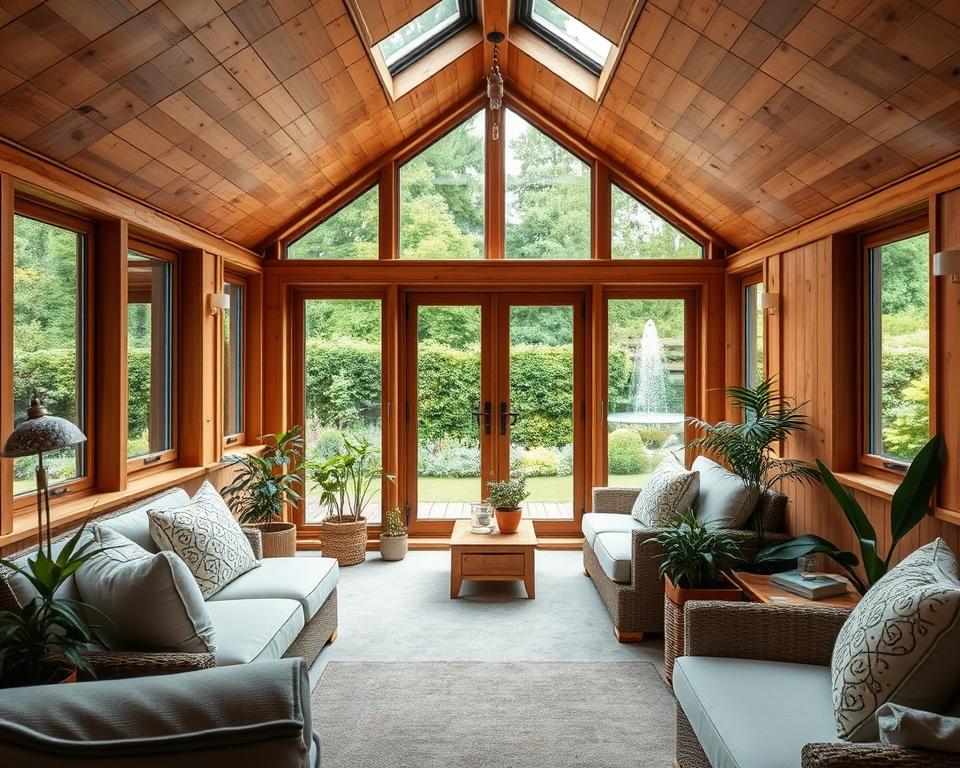
Wall Thickness Garden Rooms: Balancing Durability and Aesthetic
When considering the construction of garden rooms, the choice of wall thickness plays a pivotal role in both its longevity and visual charm. In this section, we delve into how thicknesses such as 34 mm and 38 mm not only influence the maintenance needs of these structures but also contribute to their aesthetic design and structural integrity.
Impact on Longevity and Maintenance
Choosing the correct wall thickness for garden rooms is crucial for maximizing durability while keeping maintenance considerations to a minimum. Thicker walls, particularly those around 38 mm, are inherently more resilient against environmental stressors such as harsh weather conditions. This resilience translates to fewer maintenance demands over the years, ensuring that the beauty and functionality of the garden room are preserved without requiring excessive upkeep.
Visual Appeal and Structural Integrity
The aesthetic design of any garden room is dramatically influenced by its wall thickness. Aesthetically, 34 mm walls offer a sleek, modern look while providing sufficient insulation and strength. However, for those who prefer a more robust and traditional appearance, opting for 38 mm walls can enhance the structure’s visual impact and overall solidity. The choice of wall thickness should harmonize with the garden’s existing layout and the homeowner’s personal taste, creating a visually appealing space that stands the test of time.
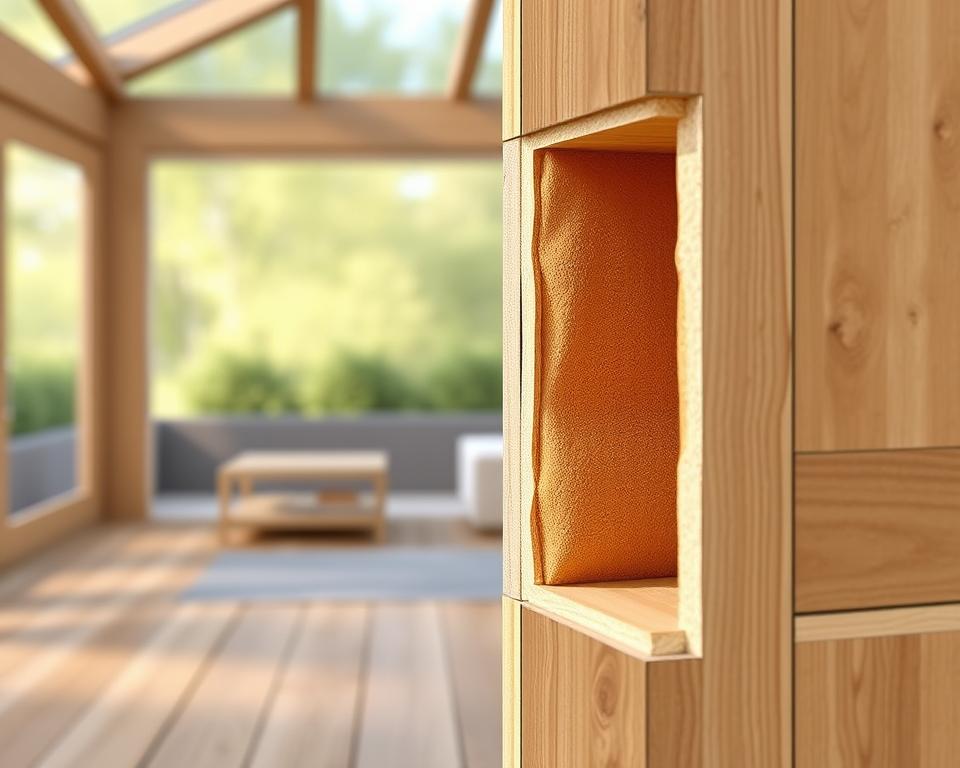
It’s clear that the selection of wall thickness has extensive implications for both the performance and the appearance of garden rooms. From simpler maintenance schedules afforded by thicker walls to the enhanced aesthetic value they provide, homeowners must consider their specific needs and preferences when deciding on the optimal wall thickness for their garden room projects.
Deciding on Wall Thickness for Log Cabins
Choosing the right wall thickness for log cabins is a critical decision that affects both the energy efficiency and the overall climate resilience of the structure. Whether you reside in a region with harsh winters or mild summers, understanding the implications of various wall thicknesses from 40 mm to 70 mm is essential.
The quest for energy-efficient log cabins necessitates a keen insight into how different wall thicknesses can influence indoor temperatures and energy consumption. Thicker walls generally offer better insulation, which is crucial for keeping a cabin warm in the winter and cool in the summer, thereby enhancing comfort levels and reducing energy costs.
- 40 mm Walls: Suitable for mild climates and are cost-effective, offering a basic level of insulation.
- 70 mm Walls: Ideal for colder regions, providing excellent insulation and heightened climate resilience.
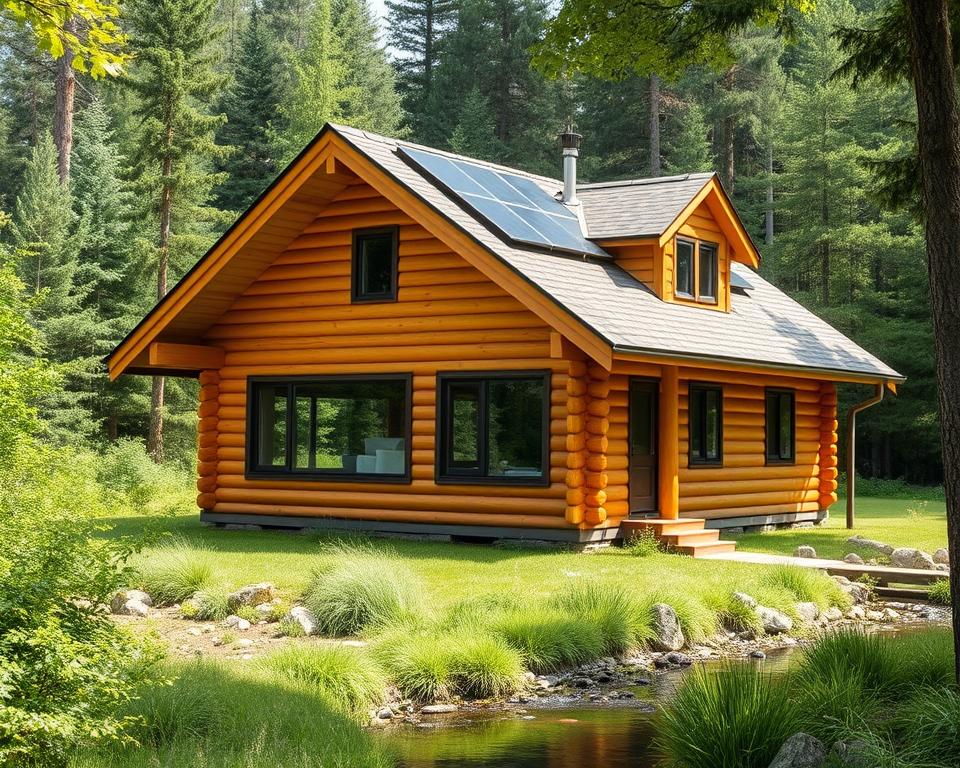
Understanding the relationship between wall thickness, energy efficiency, and environmental factors is pivotal for anyone looking to build a log cabin that stands the test of time and the elements. Opting for a thicker wall can be a wise investment, significantly contributing to the cabin’s energy efficiency and its ability to withstand diverse weather conditions.
In conclusion, if climate resilience and energy conservation are top priorities, considering a wall thickness towards the upper range, like 70 mm, can be particularly beneficial. However, for more temperate conditions or where budget constraints are a consideration, a wall thickness of 40 mm might suffice. Each choice has its unique set of benefits tailored to varying climatic demands and personal preferences.
Summerhouses: Selecting the Right Wall Thickness for Year-Round Use
When choosing a summerhouse that serves as an all-season retreat, the wall thickness plays a crucial role in ensuring comfort, durability, and weather resistance. The common thickness measurements such as 34 mm, 44 mm, and 70 mm each offer different benefits and challenges, tailoring to the varying needs of weatherproofing and insulation.
Pros and Cons of 34mm, 44mm, and 70mm Walls
The choice between 34 mm, 44 mm, and 70 mm wall thicknesses affects everything from installation to long-term usability. Here’s a breakdown:
- 34 mm Walls: Ideal for relatively mild climates and are more cost-effective. They offer moderate insulation but may not be sufficient for harsh winters unless supplemented with additional heating solutions.
- 44 mm Walls: A balanced option, providing better insulation than 34 mm walls and generally sufficient for most seasonal changes without the need for extensive additional heating or cooling.
- 70 mm Walls: The premium choice for all-season summerhouses, offering excellent insulation properties. They are perfect for environments experiencing extreme weather variations, ensuring a comfortable internal climate year-round.
Weather Resistance and Seasonal Considerations
In the UK, weatherproofing is an essential consideration for selecting the right wall thickness in your summerhouse. Thicker walls not only provide better insulation but also withstand harsh weather conditions better, thus prolonging the life of your investment. Here’s a glance at how different thicknesses align with weather resistance:
- 34 mm: Suitable for sheltered or mild environments; may require regular maintenance in challenging weather conditions.
- 44 mm: An effective compromise, offering resilience against most seasonal weather fluctuations without being overly bulky or expensive.
- 70 mm: Ideal for exposed locations or areas with severe weather patterns, providing robust protection and minimal maintenance needs.
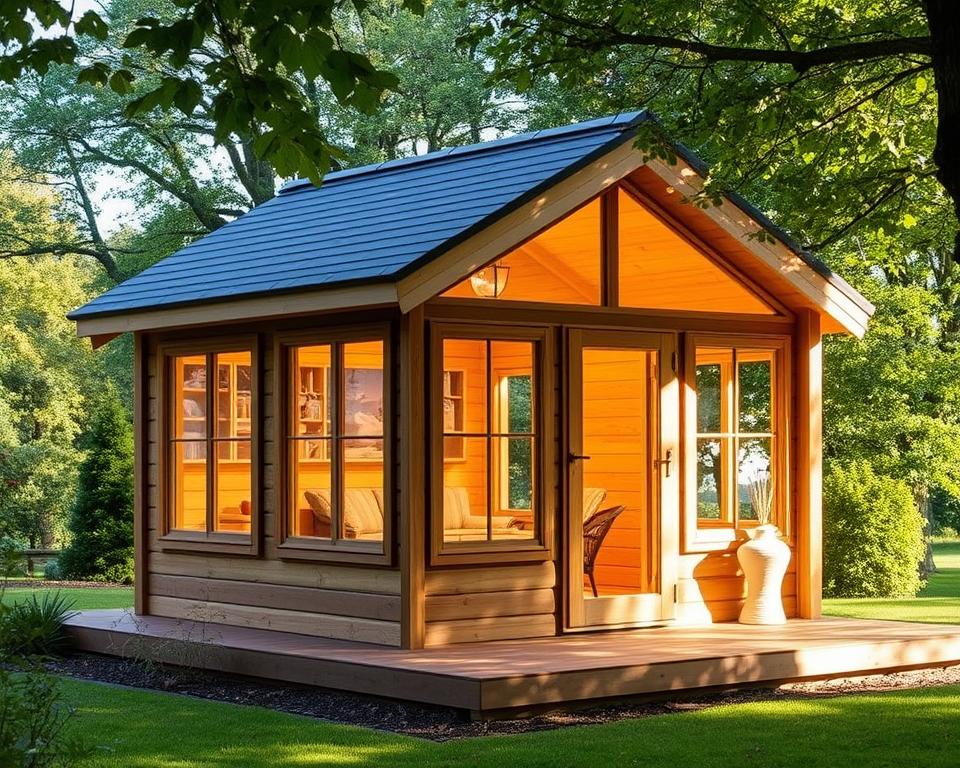
Investing in the correct wall thickness for your summerhouse is vital to ensure it adapts well to the year-round climate, providing a cosy and secure escape no matter the season. Whether it is a sunlit reading nook in the summer or a snug hideaway in the winter, selecting an appropriate thickness is key to making the most of your outdoor structure.
Shed Wall Thickness: Practical Advice for Storage and Workshops
When considering the construction of practical sheds, choosing the right wall thickness is critical for creating optimal storage solutions. This section delves into the benefits and applications of different wall thicknesses, particularly 12 mm and 19 mm, to help you decide based on your specific needs for storage or as a workshop.
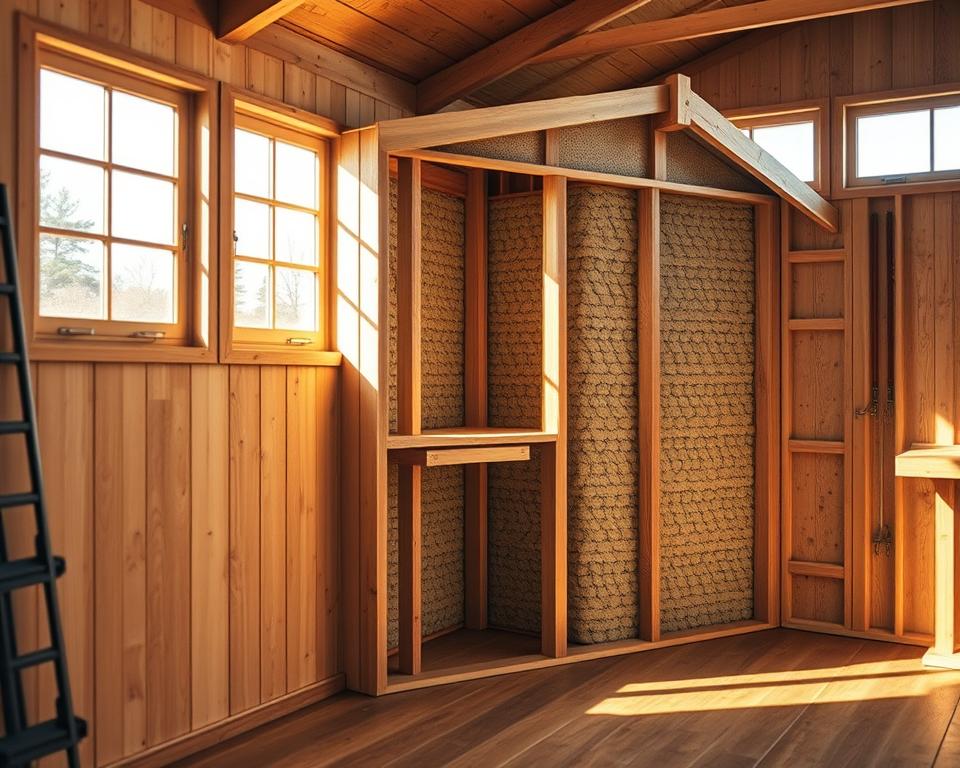
For those constructing a shed purely for storage, 12 mm walls can often suffice. This thickness is cost-effective, making it an appealing option for storing garden tools, seasonal decorations, or sports equipment. However, for sheds intended to function as workshops, where more robust usage is anticipated, 19 mm wall thickness is advisable. The increased thickness provides greater insulation, a crucial consideration for those spending extended periods inside the shed during both cooler and warmer months.
- 12 mm: Ideal for light storage needs; more cost-effective but less insulative.
- 19 mm: Better for workshops; offers better insulation and durability.
To maximize the space and enhance the functionality of your shed, proper construction techniques are paramount. By selecting the right wall thickness, you can ensure that your shed remains a versatile and durable aspect of your property for many years to come. Balanced with strategic internal design choices, such as shelving and organisational solutions, a well-thought-out shed can provide excellent utility and convenience, aligning perfectly with your requirements from both an economic and functional standpoint.
The Role of Wall Thickness in Insulating Garden Buildings
Understanding the critical role of wall thickness in the thermal insulation properties of garden buildings is essential for anyone aiming to create an efficient, insulated outdoor environment. Different thicknesses, particularly 22 mm, 45 mm, and 90 mm, have varied insulative capabilities which can significantly impact the performance and comfort of garden structures.
The ideal thickness for insulated outdoor buildings largely depends on the intended use and the climate conditions. Here, we delve into the thermal properties associated with different thicknesses and explore which dimension offers the most effective insulation for garden buildings.
Understanding Thermal Properties of Different Thicknesses
Thermal insulation performance increases with the thickness of the walls used in the construction of outdoor buildings. For instance, 22 mm thick walls, generally considered the minimum requirement, provide basic protection against the elements, making them suitable for mild climates and less frequent use.
22mm, 45mm, 90mm: Which Provides the Best Insulation?
- 22 mm: Sufficient for basic storage solutions and seasonal usage where significant thermal retention is not critical.
- 45 mm: Offers a balanced option, enhancing thermal efficiency without the cost and material usage of thicker walls. Ideal for more regular use throughout the year.
- 90 mm: Best for high insulation needs, such as in workshops, home offices, or year-round recreational spaces in colder climates.
Choosing the right wall thickness is crucial not only for comfort but also for energy efficiency, potentially reducing heating costs in the insulated outdoor buildings during colder seasons.
Guidelines for DIY Enthusiasts: Building Your Own Garden Room
Embarking on the construction of a DIY garden room can be an exciting project for those who love personalised spaces. This section provides crucial construction guidelines, material selection advice, and insight into building regulations essential for creating a successful garden room.
Selecting Materials and Wall Thickness
Choosing the right materials is pivotal for both the aesthetics and longevity of your DIY garden room. Preference for sustainable and durable materials should be balanced with considerations of insulation needs and budget constraints. Wall thickness, for instance, plays a significant role in thermal regulation and structural integrity. Typical materials include treated wood, which stands up well to weather, and composite panels that offer enhanced insulation properties.
Navigating Building Regulations and Standards
Understanding and adhering to building regulations is essential to ensure your garden room meets legal standards and safety requirements. This includes checking whether you need planning permission, adhering to size limitations, and ensuring the structure is built at a permissible distance from property boundaries. Consulting local council guidelines or a construction expert before beginning your project can save a lot of potential troubles.
Below is a table which outlines some common material options and their thicknesses, helping you make an informed decision based on your specific needs and local building regulations:
| Material | Wall Thickness | Insulation Properties | Cost Estimate |
|---|---|---|---|
| Treated Wood | 44mm | Good | Medium |
| Composite Panels | 60mm | Excellent | High |
| Brick Veneer | 70mm | Very Good | High |
| Glass | 10mm Double Glazed | Moderate | Variable |
This table aims to provide a broad overview, though specific costs and properties can vary based on supplier and location. Always verify material suitability against local climate conditions and building standards to ensure your garden room is both compliant and comfortable throughout the year.
Common Mistakes to Avoid When Choosing Wall Thickness
When embarking on constructing or purchasing garden buildings such as sheds, summerhouses, or log cabins, key considerations like wall thickness can dramatically influence the project’s overall success. Before delving into specific common errors, it’s essential to understand that balancing costs, structural stability, and insulation effectiveness requires careful thought and planning.
Insulation oversight is one of the primary mistakes that many people make. Insufficient insulation can lead to increased energy costs and lower comfort levels, especially in areas prone to extreme weather. Below, we discuss further why skimping on proper insulation can be detrimental to the usability and sustainability of garden buildings.
Opting for cost-effective solutions may initially appear financially prudent, but it’s important to consider long-term implications. Cheaper materials with inadequate thickness may not provide the necessary durability and resistance against environmental stressors, leading to potential structural instabilities. Now, let’s explore these pitfalls more deeply.
Many assume that smaller outdoor structures do not require the same level of insulation as a main house would. However, if the intention is to use such spaces throughout various seasons, ensuring adequate insulation is crucial. The right wall thickness, generally thicker than initially assumed, plays a vital role in retaining heat during colder months and keeping the structure cool during the summer. This design choice helps avoid future retrofitting costs and enhances energy efficiency, deeply resonating with the concept of insulation oversight.
Overlooking Structural Stability in Favor of Cost
A visionary approach to choosing wall thickness would prioritise structural stability, regardless of the up-front material costs. Structures that support heavy loads, withstand harsh climate conditions, and offer longevity need walls of adequate thickness, potentially going beyond the conventional options available. For example, selecting a wall thickness inappropriate for the climatic demands of the region can result in structural failure, leading to unexpected repair costs or a complete rebuild, undermining even the most well-meaning cost-effective choices initially made.
Ultimately, picking the right wall thickness is about achieving a balance where insulation oversight, cost-effective solutions, and structural stability align to meet both practical needs and aesthetic preferences. A little foresight and investment in the right areas can prevent these common mishaps from turning your dream garden building project into a regrettable endeavour.
Comparing Wood Types and Their Impact on Wall Thickness
When planning the construction of garden buildings, the choice between softwood and hardwood is pivotal, influencing both the structural integrity and the aesthetics of the final product. This section explores how these wood types vary in their properties and what that means for wall thickness selection.
Softwood, known for its softwood versatility, is commonly used in the construction of garden rooms and sheds due to its relative affordability and ease of use. However, its lower density can sometimes limit the wall thickness selection that is structurally feasible without additional supports.
Hardwood, on the other hand, boasts hardwood durability, making it suitable for thicker, more robust garden structures that require minimal maintenance over time. Its higher cost is often justified by its superior timber quality and longevity.
The table below contrasts softwood and hardwood with respect to their common uses, ideal wall thicknesses for various applications, and general attributes, helping homeowners make informed decisions tailored to their specific needs.
| Wood Type | Common Uses | Ideal Wall Thickness | Attributes |
|---|---|---|---|
| Softwood | Garden sheds, summerhouses | 28mm-44mm | Lightweight, cost-effective |
| Hardwood | Luxury garden rooms, durable structures | 44mm-70mm | High durability, excellent insulation properties |
Understanding these differences empowers homeowners to better match the wall thickness selection to their garden building’s intended use, ensuring both practical and aesthetic requirements are met. Whether opting for the softwood versatility for lighter applications or the hardwood durability for more demanding structures, the timber quality must always be at the forefront of this decision.
Conclusion
In the realm of bespoke outdoor havens, the choice of wall thickness plays an instrumental role in ensuring the endurance, efficacy, and aesthetic of these structures. This thorough exploration has shed light on how an informed decision regarding the ideal wall thickness choice lies at the heart of constructing quality garden structures that stand the test of time and fluctuating climate conditions. We’ve delved into various dimensions from 28mm to a robust 70mm, examining each option’s pros and cons to guide you towards making the most suitable selection for your needs.
Whether enshrining precious moments in a summerhouse or nurturing a hobby in a garden room, the insights offered throughout this guide aim to sculpt your understanding of how wall thickness impacts everything from insulation to durability. It is clear now that a substantial wall can translate to enhanced cosiness, reduced energy bills, and a fortification against the elements, echoing the merits of making an informed, calculated capital outlay on wall thickness that aligns with the planned use and location of your outdoor structure.
As we conclude, let it be a reminder that the compilation of informed decisions, forged from understanding crucial details outlined in this discourse, can be the difference between a fleeting addition to your garden and a timeless, resilient abode. Your judicious choice in balancing visual charm with structural integrity can bring forth a sanctuary that resonates with quality and comfort. Whilst tastes and requirements may vary, the quest for crafting the ideal wall thickness choice for your garden room, log cabin, or shed should always lead to a space that is both inviting and steadfast against the whims of nature.
FAQ
Why does wall thickness matter in outdoor structures?
Wall thickness is crucial for outdoor structures because it affects insulation, durability, and overall performance. A correctly measured wall can enhance comfort levels, extend the lifespan of the building, and provide the necessary strength to withstand various weather conditions.
What are common wall thickness measurements for garden buildings?
Common wall thickness measurements include 12 mm, 19 mm, and 22 mm for basic structures like sheds; 28 mm and 34 mm for more robust requirements; and 44 mm, 70 mm, or even 90 mm for top-of-the-line insulation and stability in garden rooms and log cabins.
What factors should be considered when choosing wall thickness for a garden room?
When choosing wall thickness for a garden room, consider the intended use (leisure, workspace, entertainment), the climate it will be exposed to, desired insulation efficiency, aesthetics, and maintenance requirements. Heavier-duty walls (28 mm or thicker) are more suited to insulated, year-round use.
How do wall thickness measurements like 34 mm and 38 mm affect garden room durability and aesthetics?
Wall thicknesses such as 34 mm and 38 mm enhance a garden room’s durability by providing increased support and resistance to harsh weather. They also contribute to the aesthetic appeal through solid construction and can help reduce the frequency of maintenance.
What wall thickness is best for log cabins in different climates?
In colder climates, thicker walls (from 44 mm to 70 mm) are preferable for better insulation. In moderate climates, 28 mm to 44 mm may suffice. Always consider the specific climate and weather conditions you’ll be facing to ensure optimal comfort and energy efficiency.
What are the considerations for selecting wall thickness in summerhouses for year-round use?
If you plan on using a summerhouse throughout the year, consider wall thicknesses that offer good insulation (34 mm to 70 mm), weather resistance, and the ability to keep the interior comfortable both in summer heat and winter cold.
How do I determine whether a 12 mm or 19 mm wall thickness is suitable for my garden shed?
Choose a 12 mm wall thickness for light storage needs and where budget is a key concern. Opt for a 19 mm thickness if you require more durability, better insulation, or if the shed will be used as a workshop. Consider what will be stored and how often the shed will be used.
What wall thickness provides the best insulation for garden buildings?
For superior insulation in garden buildings, thicker walls such as 45 mm or 90 mm are usually best. They feature enhanced thermal properties, keeping the interior warmer in the winter and cooler in the summer.
As a DIY enthusiast, how do I choose the appropriate wall thickness for my garden room project?
Analyse your intended usage, the climate, and insulation needs. Also, familiarise yourself with UK building regulations and standards to ensure your project’s compliance and select a wall thickness that fulfils both your practical requirements and legal necessities.
What common mistakes should I avoid when choosing garden building wall thickness?
Avoid underestimating the importance of proper insulation, as it is essential for comfort and energy efficiency. Also, do not neglect structural stability for the sake of saving costs; investing in a sufficient wall thickness is crucial for the longevity of the structure.
How do different wood types impact my choice of wall thickness?
The type of wood – softwood or hardwood – impacts the wall’s insulative properties and its overall strength. Hardwood is denser and may contribute to better insulation and durability, potentially allowing for slightly thinner walls compared to softwood.