10 Ideas for Covering a Terrace | Outdoor Oasis
Meta title — “10 Ideas for Covering a Terrace | Outdoor Oasis.”
Meta description — “Transform your terrace into a stunning outdoor retreat with our top 10 ideas for covering a terrace, designed for style and comfort.”
This guide presents ten practical and stylish terrace cover ideas tailored for the United Kingdom. It aims to help homeowners, flat owners with terraces, garden designers and landlords create an outdoor oasis that works in British weather.
Readers will find both temporary and permanent options, with clear notes on weather resilience for UK conditions, materials and finish choices, cost and planning implications, and how to integrate lighting, heating and biodiversity into terrace design UK projects.
The article begins with an overview and decision guidance, before moving through nine detailed covering options — from retractable awnings to timber louvred roofs — and finishes with a concise summary and actionable next steps to improve comfort, privacy and property value.
Inhaltsverzeichnis
Key Takeaways
- Explore a mix of temporary and permanent options to suit budgets and planning limits.
- Choose materials that withstand UK rain, wind and sun for long‑term performance.
- Consider integration with lighting and heating to extend usable months outdoors.
- Balance aesthetic choices with maintenance, drainage and structural needs.
- Prioritise solutions that add value, privacy and biodiversity to your outdoor oasis.
10 ideas for covering a terrace
The right terrace cover transforms an outdoor space into a year‑round living area. This section outlines practical options and helps with choosing terrace cover, terrace budget planning and a simple terrace covering comparison to guide your decision.
Overview of options
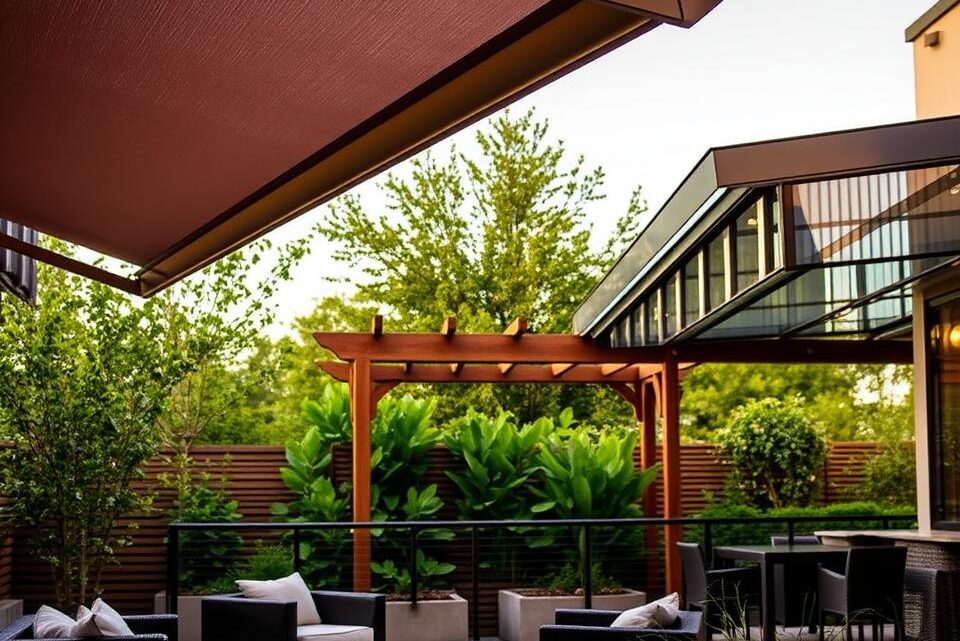
Options range from flexible awnings to fixed glazed canopies and living roofs. Retractable awnings offer flexibility for sun and rain, while permanent pergolas deliver architectural impact and can act as a framework for lights and heaters.
Glass roofs and glazed canopies keep views and light, making them ideal for cooler months. Shade sails and tensioned fabric are low‑cost, fast to install and stylish when mounted correctly.
Green roofs and living covers add biodiversity and insulation. Outdoor blinds and screens create privacy and wind protection. Timber canopies and louvered roofs let you control light with adjustable slats.
Combinations of these solutions work well. Think about accessories such as patio heaters, integrated lighting and side screens when comparing outdoor cover options UK.
How to choose the right cover for your terrace
Begin by assessing terrace size and aspect. A south‑facing terrace may need more sun control than a north‑facing one. Note prevailing winds, rainfall patterns and any microclimate created by nearby buildings or trees.
Decide on permanence and maintenance tolerance. Fabrics require periodic replacement, timber needs treatment, and glass or aluminium structures need less upkeep. Match aesthetic goals to the property: a listed building may suit discreet blinds rather than a large aluminium structure.
Check leasehold conditions, freehold titles and communal rules if you live in flats. Speak to manufacturers such as Markilux for awnings, Kettal for designer canopies and Somfy for motors, and get local installers to survey the site before committing.
Budgeting and planning considerations
Cost bands vary widely. Budget options like shade sails can be fitted over a weekend. Mid‑range choices, such as motorised awnings, tend to need professional fitting and fall into a moderate budget band. Bespoke glazed canopies and structural pergolas may require structural surveys and run into higher costs.
Factors that drive price include materials (aluminium, hardwood, glass, high‑performance fabric), automation, foundations and any need for structural reinforcement. DIY saves on labour but not on safety or warranty for complex installs.
Planning permission and building regulations may apply when alterations change the structure or create enclosed spaces. Check local authority guidance and the Planning Portal for UK requirements. Timelines range from a weekend for a simple shade sail to several weeks for bespoke glazed systems.
Practical tips: measure carefully, request multiple quotes, check warranties for fabric fade and motor components, confirm insurance implications and factor energy use for added heating or lighting into your terrace budget planning.
Retractable awnings for flexible sun and rain protection
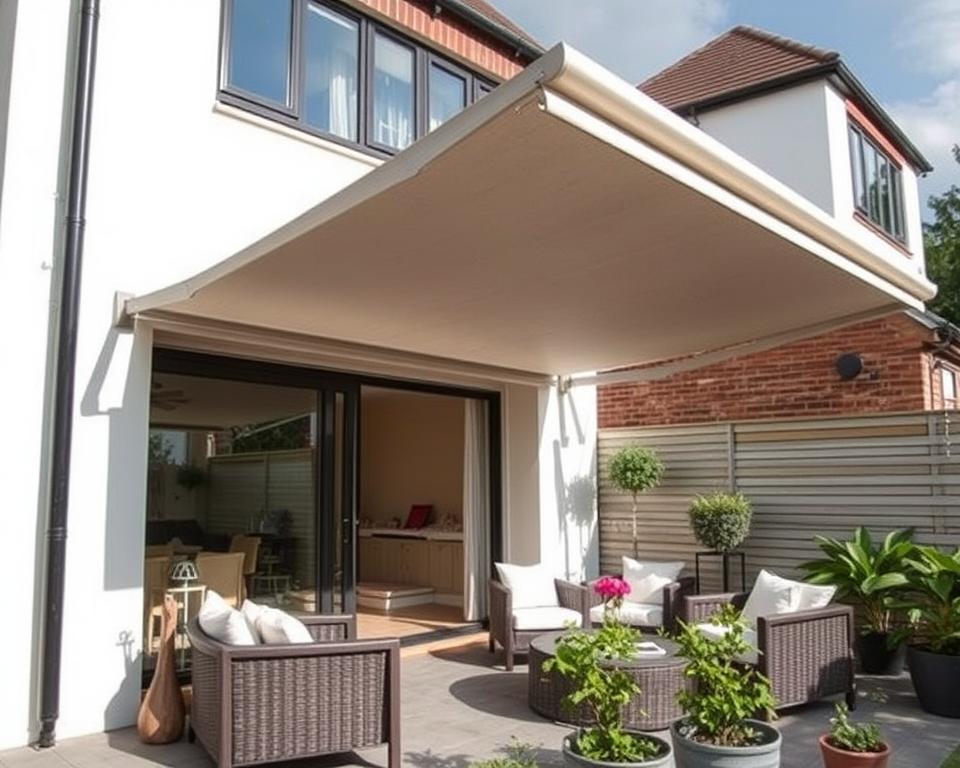
Retractable awnings offer a simple way to add shade and shelter to a terrace. They give users control over light and weather, folding back when not needed and extending to protect from sun or light rain. Popular choices in the UK blend traditional fabric systems with modern controls to suit urban and rural homes.
Types of retractable awnings
Cassette awnings provide full enclosure of the fabric and mechanism, protecting the unit when retracted. Semi‑cassette models leave part of the roller exposed but still give good protection. Folding arm awnings use articulated arms to extend fabric and are common for patios and terraces.
Freestanding retractable canopies suit areas without a reliable wall to mount on and create flexible outdoor rooms. Pergola‑style retractable roofs run on a tracked frame, combining the look of a pergola with the function of a roof.
Operation can be manual with a crank or electric. Motorised awnings often use Somfy motors and Somfy RTS controls, with options for wind, sun and rain sensors for automatic retraction or extension.
Benefits for UK weather
These systems are valuable in the UK because the weather can change quickly. Retractability lets you extend coverage during bright sun or light showers and retract units in storms to reduce damage risk.
Choose fabrics with UV protection and water‑repellent coatings. Acrylic fabrics from Sunbrella or Dickson are common for their colourfastness and durability. Weatherproof awnings help protect doors and windows while reducing heat gain inside in summer.
Installation and maintenance tips
Correct mounting is essential. Fit awnings to suitable masonry or a structural beam. Heavy or motorised awnings should be installed by a professional to ensure safety and compliance with local guidance.
For upkeep, clean fabric with a mild detergent and soft brush. Avoid high‑pressure washers that can damage coating. Lubricate moving parts annually and inspect brackets and fixings for corrosion. Retract or secure awnings during high winds; wind sensors add protection.
Warranties vary by maker but commonly range from 5 to 10 years for frames and fabric. Regular checks help keep patio awnings and motorised awnings performing well across seasons.
| Feature | Cassette | Semi‑cassette | Folding arm | Pergola‑style |
|---|---|---|---|---|
| Protection when retracted | Full enclosure | Partial enclosure | Exposed roller | Protected tracks |
| Best for | Wall‑mounted terraces | Budget‑conscious installs | Patio awnings over seating | Large openings and pergolas |
| Motorisation | Common, easy to integrate | Available | Available | Often motorised |
| Weather resilience | High | Medium | Medium | High when closed |
| Typical fabric | Acrylic, PVC‑coated | Acrylic, polyester blends | Acrylic | Acrylic or polycarbonate panels |
| Average warranty | 5–10 years | 3–8 years | 3–8 years | 5–10 years |
Permanent pergolas for architectural appeal
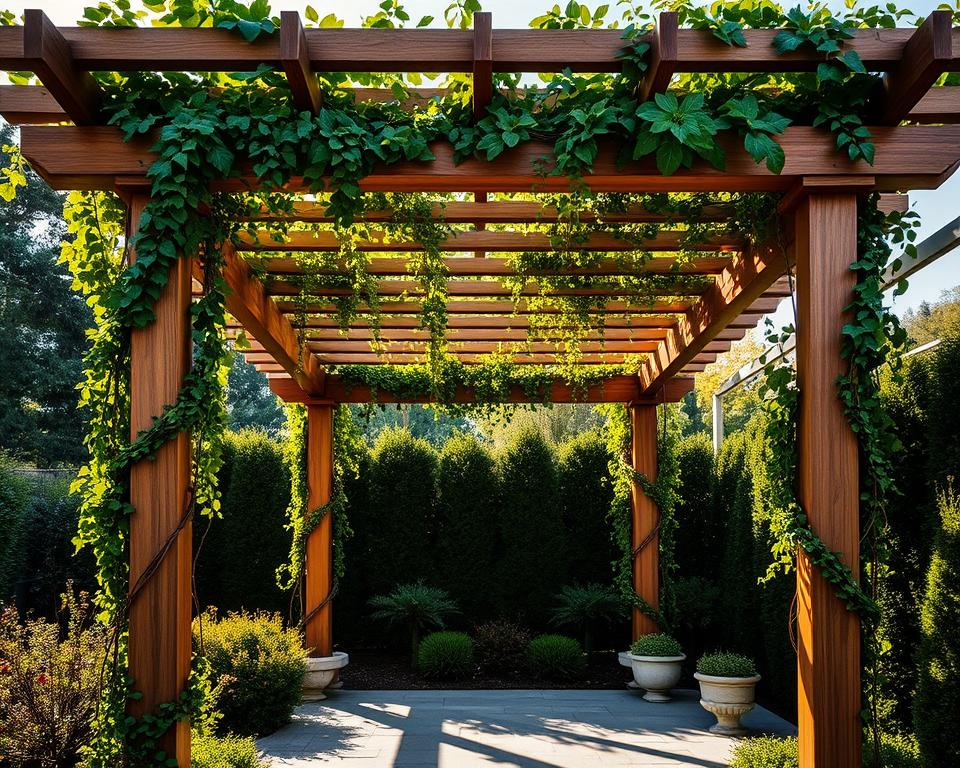
Permanent pergolas transform a terrace into a defined outdoor room. They add texture, height and a sense of place that lifts garden design. Choices in material and finish shape the look, maintenance and lifespan of the structure.
Materials and finishes
A timber pergola gives warmth and character. Oak and cedar offer natural rot resistance and age to a rich patina. Larch is a cost-effective option with good durability. Hardwoods such as oak or iroko last longer but cost more than softwoods.
An aluminium pergola suits a modern aesthetic and needs little upkeep. Powder coating provides a durable, low‑maintenance finish. Metal frames work well with slimline glazing and integrated roof panels.
Finishes for wood include stain, oil or paint to protect against moisture and UV. Pressure‑treated timber extends service life for damp UK climates. For metal frames, choose powder coating for colour stability and corrosion resistance.
Adding climbing plants and soft shading
Climbing plants on pergola structures create seasonal colour and natural shade. Clematis offers bright blooms in spring and summer. Wisteria produces dramatic cascades but needs strong support and regular pruning.
Grapevine gives summer shade and fruit where sun exposure is good. Honeysuckle adds scent and attracts pollinators. Plant training and regular maintenance prevent excessive weight on beams.
Combine vegetation with fabric solutions to soften light and shelter from light rain. Retractable canopies, bamboo rollers and shade cloth allow airflow while improving comfort. These additions suit both a timber pergola and an aluminium pergola.
Planning permission and structural considerations
Planning permission may be required if the pergola is tall, close to boundaries or has a solid roof. Check the Planning Portal or speak to your local planning authority for guidance.
Structural needs include proper footings and accurate load calculations. Heavy plant troughs, glazing or fixed coverings increase loads and may trigger building regulations. A timber pergola with a living roof needs deeper foundations than a light aluminium pergola.
Hire a structural engineer for larger builds or when attaching the pergola to a house. Professional plans reduce risk and ensure compliance with safety and longevity expectations.
| Feature | Timber pergola | Aluminium pergola |
|---|---|---|
| Appearance | Warm, natural grain; ages to patina | Sleek, contemporary lines; uniform finish |
| Maintenance | Periodic staining or oiling; inspect for rot | Low maintenance; occasional cleaning |
| Durability | Long lifespan with hardwoods; variable with softwoods | High resistance to weather and corrosion |
| Cost | Mid to high, depending on species | Mid to high, cost tempered by low upkeep |
| Suitability for climbing plants on pergola | Excellent when beams sized for load | Very good if designed to carry extra weight |
| Compatibility with additional roofing | Adaptable to fabric, polycarbonate or glazing | Works well with integrated glass or louvres |
| Planning and structural notes | May need deeper footings for heavy loads | Often lighter but requires correct anchoring |
Glass roofs and glazed canopies for uninterrupted views
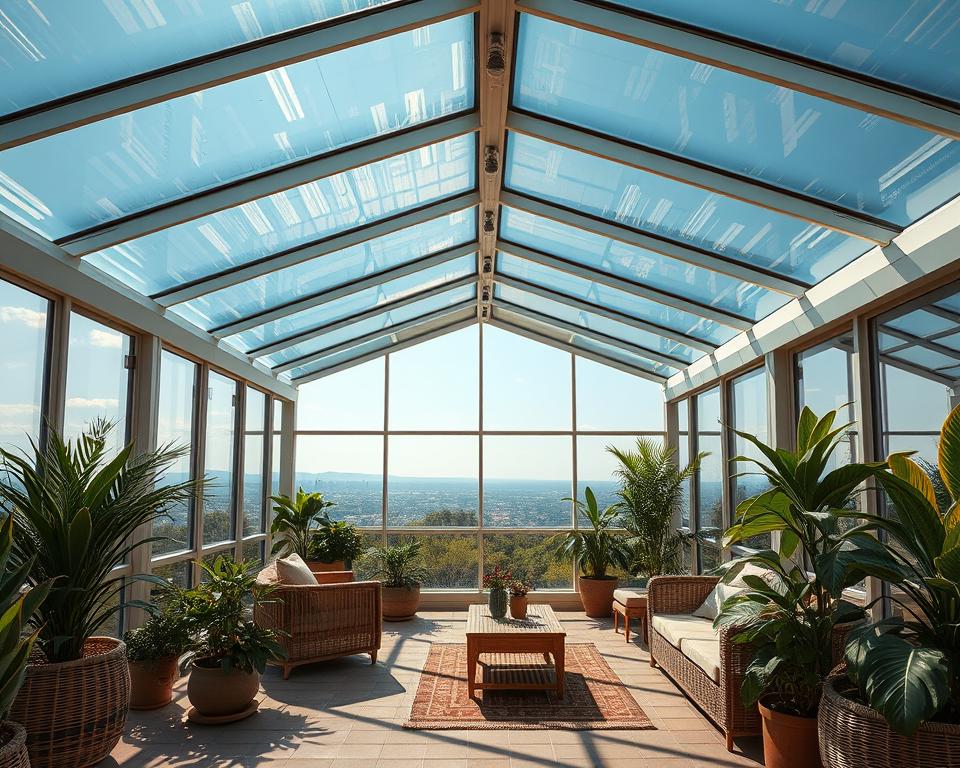
A glass roof terrace can transform a garden room and keep sightlines clear to sky and trees. Careful choice of frame and glazing balances light with thermal comfort. A well designed glazed canopy UK installation gives year‑round use, with a bright feel in winter and shelter in wet weather.
Framing options and thermal performance
Frames come in aluminium, galvanised steel and oak or sapele timber. Aluminium is lightweight and low maintenance while timber brings natural warmth. Steel suits larger spans but needs corrosion protection.
Thermal breaks in aluminium systems cut heat transfer and reduce condensation. Insulated glazing canopy systems use double‑glazed units with low‑e coatings and warm edge spacers to improve U‑values. Choosing higher light transmission can increase solar gain, so trade‑offs exist between daylight and comfort.
Cleaning, drainage and safety considerations
Pitch the roof enough to shed water and link guttering to discreet downpipes. For walkable areas add anti‑slip finishes and fall protection. Regular cleaning prevents algae and limescale build up in hard water zones.
Use safe access methods, extension poles and pH‑neutral cleaners. Fit outlets at low points to avoid ponding. To meet British Standards, specify toughened or laminated safety glass and consider guarding where people may be below.
When to choose double‑glazing or laminated glass
Laminated safety glass is the right choice where retained fragments are critical, such as balcony overheads or areas above seating. For thermal insulation and noise reduction pick double‑glazed units with low‑e coatings. An insulated glazing canopy will keep heat in and cut external noise, helping comfort across seasons.
Consult certified glazing suppliers and installers for structural calculations and compliance with Building Regulations. They will recommend the right combination of laminated safety glass, double glazing and frame to match site conditions and usage.
Shade sails and tensioned fabric structures
Shade sails bring a modern, flexible option for terraces of all sizes. In the UK they suit city patios and coastal decks alike. A well chosen tensioned fabric canopy softens glare, cools seating areas and adds sculptural form.

Design flexibility and colour choices
Designers offer triangular, rectangular and bespoke shapes to fit awkward spaces. Fabrics from brands such as Serge Ferrari and Ferrari Prevot carry UV ratings and defined warranties. Pick neutral tones for subtle shading or bold colours to make a statement.
Translucency affects the light and warmth beneath the sail. A more translucent weave lets dappled light through and reduces heat, while a denser fabric gives deeper shade. Tailoring size and overlap can create layered effects and better sun coverage.
Mounting points, wind loading and durability
Good anchor design begins with purpose‑designed steel posts, masonry anchors or secure fixings to existing beams. Stainless steel fittings and high‑quality webbing extend service life. Use turnbuckles and reinforced corners to achieve safe tensioning.
Wind loading must be calculated for exposed sites. Leave some tension to avoid flapping and reduce stress peaks. Elevated terraces and coastal locations may need engineered solutions or heavier posts to meet safety standards.
Seasonal removal and storage advice
Remove sails during severe winter storms or long idle periods to prolong fabric life. Heavy‑duty sails exist for year‑round use but still benefit from regular checks. Inspect for UV degradation and seam wear at least once a year.
Dry fabric fully before storing in breathable bags to prevent mildew. Avoid folding when wet and store in a cool, ventilated place. Proper sail installation and routine care will keep outdoor shade sails performing for many seasons.
Green roofs and living covers to enhance biodiversity
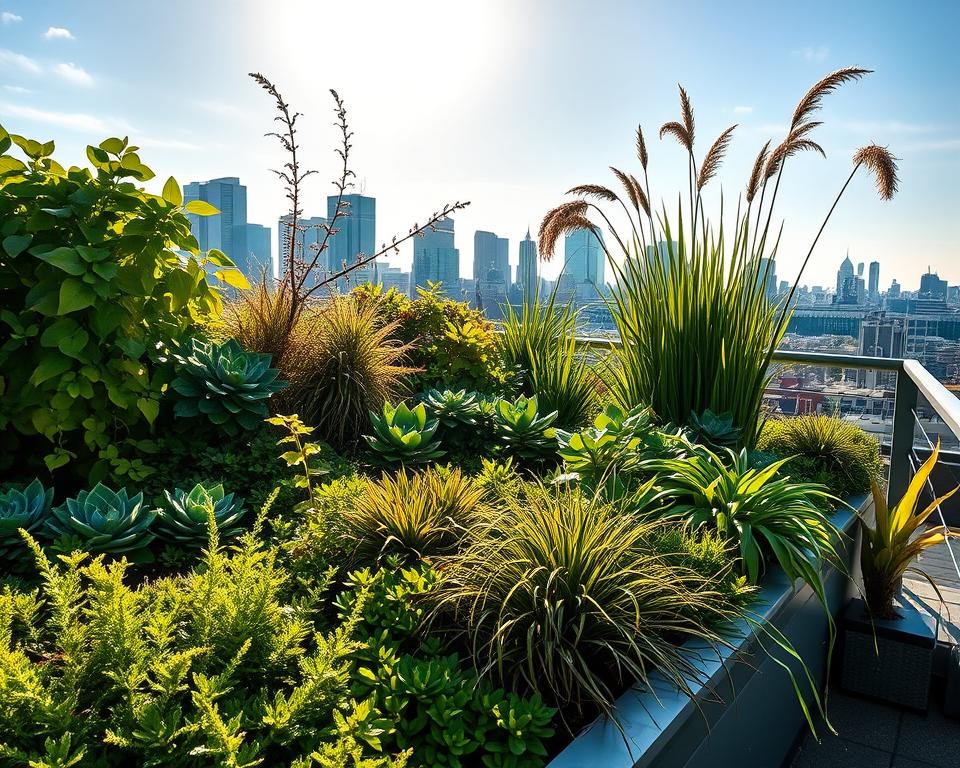
A green roof terrace can transform a plain outdoor area into a productive, wildlife-friendly space. A living roof softens hard surfaces, reduces urban heat and creates habitat for pollinators. Before choosing a system, consider plant type, waterproofing and the weight your terrace can safely bear.
Types of plants suited to terrace covers
Extensive systems favour low‑maintenance mixes. Sedum spp., sempervivum and mosses thrive in thin substrate and need little irrigation. A sedum roof UK style is common for balconies and flat roofs where access is limited.
Intensive living roofs support a wider palette. Small shrubs, grasses and even shallow-rooted vegetables work where substrate depth and irrigation allow. Wildflowers such as oxeye daisy and bird’s-foot trefoil attract bees and butterflies, boosting a biodiversity roof’s value.
Waterproofing, drainage and weight limits
Waterproof membranes must be robust. EPDM, PVC and bituminous membranes with a certified root barrier prevent leaks. Proper drainage layers protect the membrane and avoid waterlogging.
Substrate depth dictates plant choice: extensive 50–150mm, intensive 150mm or more. These layers add significant dead and live load. Always consult a structural engineer to confirm that a terrace or balcony can support a green roof terrace before installation.
Routine upkeep is straightforward. Expect seasonal weeding, occasional irrigation in dry spells and inspection of outlets and membrane integrity.
Environmental and aesthetic benefits
A living roof improves insulation and helps attenuate rainfall, reducing runoff into drains. A well-planned biodiversity roof supports pollinators and enhances urban wildlife corridors.
Aesthetic gains are immediate. A sedum roof UK installation can soften concrete, create privacy and offer space for herbs in intensive zones. Local councils sometimes offer grants or incentives for biodiversity projects, which can offset initial costs.
| Feature | Extensive green roof | Intensive living roof |
|---|---|---|
| Typical substrate depth | 50–150mm | 150mm and above |
| Plant types | Sedum spp., mosses, alpine plants | Grasses, shrubs, small trees, vegetables |
| Maintenance | Low: occasional weeding, checks | Moderate: irrigation, pruning, planting |
| Typical load | Lower additional dead/live load | Higher structural load; engineer check required |
| Best use | Green roof terrace for lightweight retrofit | Living roof for rooftop gardens and terraces |
| Benefits | Stormwater attenuation, habitat for pollinators | Insulation, food growing, enhanced biodiversity roof |
Outdoor blinds and screens for privacy and wind protection
Well-chosen covers transform a terrace into a private, sheltered room. Options range from tight PVC roll-down blinds to woven acrylics and timber slatted screens. Each material suits different priorities such as wind resistance, light control and visual warmth.
Materials
PVC roll-down blinds give strong wind and water protection while letting in diffuse light. They excel on exposed terraces where weatherproof outdoor fabrics alone might fail. Woven acrylic fabrics, like those by Sunbrella and Dickson, offer breathability, shade and a wide palette of colours. Timber slats bring texture and a natural look but need preservative treatment and regular maintenance to resist rot.
Manual versus motorised
Manual systems use cords or a crank. They keep initial costs low and are simple to repair. Motorised blinds add convenience and can integrate with smart home systems. Many UK installers fit Somfy motors or Somfy‑compatible drives for reliable performance. Battery-powered motor options solve wiring problems on older terraces.
Choosing weatherproof fabrics
Look for UV ratings, waterproof performance and mildew resistance when assessing weatherproof outdoor fabrics. Check fire-retardant certifications where rules require them. Colourfastness guarantees help avoid rapid fading in strong sun.
Practical tips
For windy sites, specify robust guide channels and secure fixings to stop fabric flapping. Order correctly sized fittings to avoid gaps that let wind through. Ask suppliers for clear warranty terms and installation that matches your terrace exposure and local climate.
| Feature | PVC roll-down | Woven acrylic | Timber slats |
|---|---|---|---|
| Weather protection | Excellent for wind and rain | Good for rain, breathable for heat | Moderate; needs sealant |
| Aesthetic | Functional, minimal | Wide colour choices | Warm, natural texture |
| Maintenance | Wipe-clean, low | Periodic cleaning, low | Regular treatment required |
| Cost | Low to mid | Mid to high | Mid to high (depending on timber) |
| Best for | Exposed terraces needing shelter | Sun control with aesthetic appeal | Privacy screens and design focal points |
| Compatibility with motorisation | High — suitable for motorised blinds | High — commonly motorised | Limited — often fixed panels |
Timber canopies and louvered roofs for adjustable light
A timber canopy can transform a terrace into a flexible living space. Pairing timber with a louvered roof combines natural warmth and precise light control. This mix suits variable UK weather and adds value to a property.
Below are focused notes on how bioclimatic systems work, which woods perform best and practical ways to add lighting and heat. Short sections make the information quick to scan and simple to act on.
Bioclimatic louvres: how they work
Aluminium blades rotate to control sun, ventilation and rain shedding. Motorised drives set blades at precise angles for comfort and light management. Rain sensors trigger automatic blade closure to protect the space below.
Programmable positions let you set scenes for dining or relaxation. Integrated guttering within the frame channels water away without bulky additions. A bioclimatic pergola UK model gives a neat finish and reliable weather response.
Wood species, treatment and longevity
Cedar and larch offer natural rot resistance and a pleasant aroma. Oak brings exceptional strength and a long lifespan. Treated softwoods keep costs down while still performing well with regular care.
Preservative coatings, pressure treatment and regular oiling extend life. Expect annual oiling or staining in exposed coastal locations. Watch for early signs of trouble such as splitting or rot at footings.
| Wood Type | Strength | Durability | Maintenance | Typical Life Expectancy |
|---|---|---|---|---|
| Cedar | Moderate | High natural resistance | Oiling every 12–24 months | 20–30 years |
| Larch | Moderate | Good natural resistance | Staining or oiling every 12–24 months | 20–30 years |
| Oak | Very high | Excellent with low decay | Occasional oiling, inspect footings | 30+ years |
| Treated softwood | Variable | Good when pressure-treated | Reapply preservative or stain every 12 months | 15–25 years |
Integrating lighting and heating
Use outdoor LED strips and recessed spotlights in beams to keep fittings discreet. Pendant lights work well over dining areas. Choose IP44 or higher for damp conditions and pick outdoor‑rated fittings.
Infrared patio heaters from Heatscope, Philips and Burda extend use into cooler evenings. Position heaters to avoid direct heat on timber surfaces and aim for even coverage of seated zones.
Always hire a qualified NICEIC electrician for mains work. Safe wiring and correct IP ratings protect against damp. A bioclimatic pergola UK with integrated electrics gives a tidy finish and long-term reliability.
Conclusion
This terrace covering summary brings together ten practical ways to transform an outdoor space into a usable, attractive area all year round. From retractable awnings and pergolas to glass roofs, shade sails, green roofs, blinds and louvered timber canopies, each solution suits different orientations, exposure and budgets. Match the cover type to how much sun, wind and rain your terrace receives, and decide whether you want a temporary, seasonal or permanent installation.
To choose terrace cover UK options wisely, take clear measurements and note structural constraints. Get at least three quotes from local certified installers and request technical specifications, load calculations and warranty details. Check planning rules and any leasehold permissions early, and involve professionals such as an architect, structural engineer, glazing specialist or accredited tradespeople from TrustMark or the Federation of Master Builders for larger works.
Consider complementary additions to create a year‑round outdoor oasis: integrated lighting, patio heaters, wind screens and planting can extend use into colder months. Prioritise sustainable choices where possible, like low‑maintenance aluminium frames, durable weatherproof fabrics and biodiverse green roofs to reduce long‑term upkeep and environmental impact. With careful planning and the right team, your chosen cover will deliver comfort, style and lasting value.
FAQ
What are the main options for covering a terrace in the UK?
The principal solutions include retractable awnings, permanent pergolas, glass roofs or glazed canopies, shade sails and tensioned fabric structures, green roofs or living covers, outdoor blinds and screens, timber canopies and bioclimatic louvred roofs, plus combinations with heaters, lighting and side screens. Each option varies in permanence, cost, maintenance and suitability for wind and rain.
How do I choose the right cover for my terrace?
Start by assessing terrace size, orientation (south‑facing vs north‑facing), exposure to wind and rain, local microclimate and desired permanence. Consider maintenance tolerance and aesthetic goals. Check leasehold or freehold conditions and any communal rules for flats. Use a decision framework: match flexibility needs (retractable awnings) or architectural impact (pergola/glass) to structural constraints. Consult manufacturers such as Markilux or Sunbrella fabric suppliers and local installers for bespoke guidance.
Do I need planning permission or building regulations approval?
It depends. Simple, non‑enclosed additions often fall within permitted development, but fixed roofs, enclosed structures, or works that alter a building’s structure may require planning permission or building regulations approval. Flats in blocks commonly have lease or communal restrictions. Always check the Planning Portal or talk to your local planning authority and, for significant works, consult a structural engineer.
What are typical cost bands and timelines for different covers?
Costs vary widely. Shade sails or DIY awnings can be a low‑cost weekend project. Motorised retractable awnings, bespoke pergolas and glazed canopies move into mid to high cost bands. Glass roofs, bioclimatic louvred systems and green intensive roofs are at the higher end due to materials, glazing and structural work. Timelines range from a few days for a simple install to several weeks for bespoke glazed canopies that need structural work and glazing certification.
Which materials perform best in the UK climate?
Durable options include powder‑coated aluminium for frames, hardwoods like oak or cedar for character, and performance fabrics such as Sunbrella or Dickson for UV resistance and colourfastness. For glazing, double‑glazed or laminated glass with thermal breaks improves insulation and safety. Waterproof membranes like EPDM or quality PVC are essential for green roofs and terraces with planting.
How do retractable awnings cope with UK weather and wind?
Retractable awnings offer flexibility: extend for sun or light rain, and retract in storms. Choose cassette or semi‑cassette designs for better protection of fabric and mechanism. Motorised units with wind sensors (Somfy and compatible systems) add automatic retraction in high winds. Proper mounting to masonry or structural beams and regular maintenance—cleaning fabric, lubricating mechanisms and checking fixings—are essential for longevity.
What maintenance do timber pergolas and canopies require?
Timber needs periodic treatment—oiling, staining or preservative coatings—to resist rot and UV damage. The frequency depends on species and exposure; a yearly inspection and maintenance cycle is common. Use rot‑resistant species (cedar, larch, oak) or pressure‑treated softwoods. Check footings, replace any split or rotten elements promptly and keep fastenings corrosion‑resistant.
Are green roofs suitable for terraces and balconies?
Yes, but suitability depends on weight capacity and waterproofing. Extensive green roofs (sedum mixes) are lighter and low‑maintenance, while intensive systems with shrubs, vegetables or planters need deeper substrate and higher structural capacity. Use quality waterproof membranes and root barriers, allow for drainage layers, and consult a structural engineer to confirm load limits before installation.
What safety and cleaning issues apply to glass roofs?
Use toughened or laminated glass to meet British Standards and reduce risk of breakage. Choose appropriate pitch and integrated drainage (gutters and downpipes) to avoid ponding. Regular cleaning prevents algae and limescale; use extension poles and suitable cleaners, and ensure safe access. For thermal comfort and condensation control, consider double‑glazed or low‑e units and discuss specifications with certified glazing suppliers.
How do I protect fabric sails and blinds during winter storms?
Where possible, remove and store shade sails in a dry, breathable bag and ensure fabric is completely dry to prevent mildew. For roll‑down blinds and motorised fabrics, retract or stow them and use wind sensors if fitted. Use high‑quality stainless steel fixings and tensioning hardware to reduce flapping if left installed in milder conditions.
Can I integrate heating and lighting into my terrace cover?
Yes. LED lighting, recessed spotlights and infrared patio heaters (from brands such as Heatscope) can extend terrace use into evenings and cooler months. Ensure all fittings are outdoor‑rated (IP44+ or higher as appropriate) and have electrical work installed by a qualified NICEIC electrician. Plan positions to avoid heat damage to timber and to maximise comfort for seated areas.
What warranties and guarantees should I request?
Request manufacturer warranties for frames, fabrics and motors (typical ranges: 5–10 years vary by brand). Ask for installation guarantees from the fitter and written details of materials used, maintenance requirements and expected lifespan. Confirm motor warranties for Somfy or similar systems and check terms for fabric fade, waterproofing and corrosion protection on metal components.
How can I improve biodiversity with a terrace cover?
Opt for green roofs with native wildflower mixes and sedum to support pollinators, or use climbing plants on pergolas—clematis, grapevine, wisteria and honeysuckle suit many UK terraces. Incorporate planters with herbs and native shrubs in intensive systems. Choose substrates and irrigation appropriate to plant types and consider local council biodiversity grants or guidance when planning larger schemes.
Where can I find trustworthy installers and suppliers?
Seek accredited tradespeople via TrustMark, the Federation of Master Builders or local trade associations. Request at least three detailed quotes, check references and view previous work. For specialist components, consult reputable manufacturers and suppliers—Markilux for awnings, Somfy for motors, Sunbrella or Dickson for fabrics—and ask installers for manufacturer‑approved status.
What are common pitfalls to avoid?
Common mistakes include under‑estimating wind loading, failing to check structural load capacity for green or glazed systems, neglecting planning or leasehold permissions, choosing low‑quality fabrics or fixings, and skimping on professional installation for heavy or motorised units. Measure carefully, obtain technical specifications, and ensure insurance and warranties are in place before work begins.