Garden Makeover Ideas to Spruce Up Your Garden
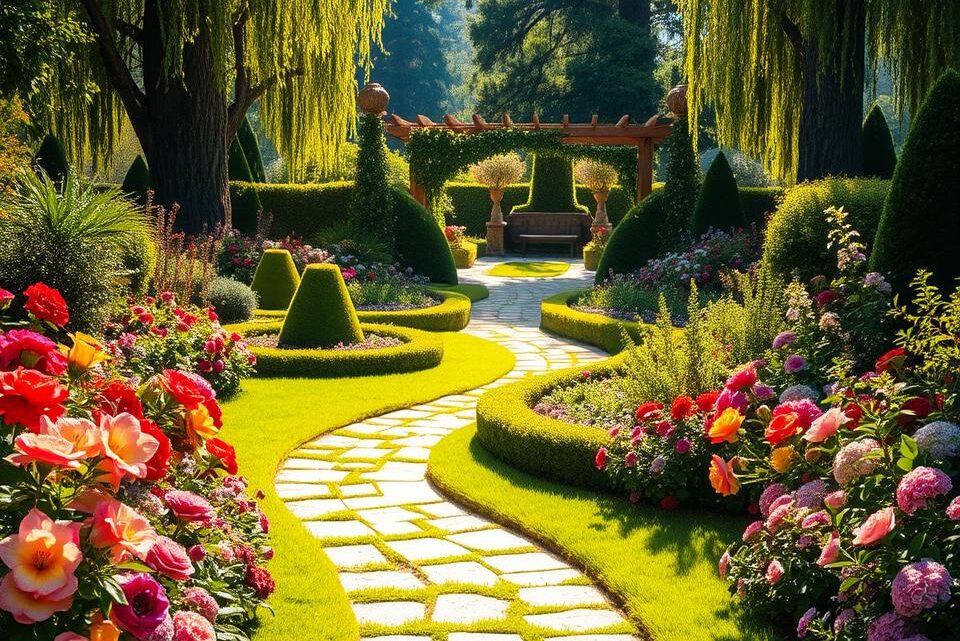
A garden makeover can be a transformative experience, turning an ordinary outdoor space into a beautiful haven. Even small changes can dramatically alter the look and feel of a garden, making it a more enjoyable area for relaxation and entertainment.
These ideas can be implemented without breaking the bank or spending too much time. A well-designed garden not only enhances mental wellbeing and property value but also has a positive environmental impact.
This article will provide practical advice for garden makeovers suitable for all sizes and budgets, offering actionable tips that readers can implement immediately.
Inhaltsverzeichnis
Key Takeaways
- Discover simple and effective garden makeover strategies.
- Learn how to enhance your outdoor space without extensive renovations.
- Understand the benefits of a well-designed garden for mental wellbeing.
- Explore a range of ideas to suit different budgets and garden sizes.
- Find practical tips to improve your garden’s environmental impact.
Transform Your Outdoor Space with Simple Changes
Transforming your garden doesn’t have to be a daunting task; sometimes, simple changes can make a significant impact. Understanding your garden’s potential is the first step towards creating an outdoor space that is both beautiful and functional.
Understanding Your Garden’s Potential
To assess your garden’s current state, consider factors such as sunlight, soil type, and existing features. Hardy shrubs and evergreen plants are excellent choices as they are long-lived and require minimal maintenance, as suggested by the RHS. By identifying your garden’s strengths and weaknesses, you can plan changes that enhance its natural beauty.
Setting a Realistic Budget
Setting a realistic budget is crucial for a successful garden makeover. Prioritize your needs and allocate funds accordingly. Consider the cost of materials, plants, and any professional help you might need. A well-planned budget ensures that you can achieve your garden goals without financial strain.
Planning Your Garden Makeover
Start by envisioning how you want to use your outdoor space—whether for relaxation, entertaining, or growing food. Create mood boards and research ideas to guide your planning. Breaking down the makeover into manageable phases can make the task less overwhelming, especially if you’re working with a limited budget or time. Maintenance requirements should also be a key consideration when selecting new features or plants.
Budget-Friendly Garden Makeover Ideas to Spruce Up Your Garden
With a little ingenuity, you can revamp your garden without exceeding your budget, using some clever and affordable strategies. A well-planned garden makeover can transform your outdoor space into a haven for relaxation and entertainment.
Cost-Effective Planning Strategies
To maximise impact while minimising costs, prioritise spending on elements that will provide the most visual impact. Consider repurposing existing garden items rather than buying new, and create a phased approach to garden improvements to spread costs over time.
Seasonal Bargain Hunting
Keep an eye out for discounted plants, materials, and garden furniture at different times of the year. Make sure to source free or low-cost materials like compost, mulch, and plant divisions from community schemes.
DIY vs Professional Help
Determine which garden projects are suitable for DIY and which might require professional assistance. Simple tasks like planting and mulching can be done yourself, while complex tasks like patio installation may need expert help.
| Project | DIY/Professional | Cost Saving |
|---|---|---|
| Planting | DIY | £50 |
| Patio Installation | Professional | £0 |
| Mulching | DIY | £30 |
Revitalise Your Garden Boundaries
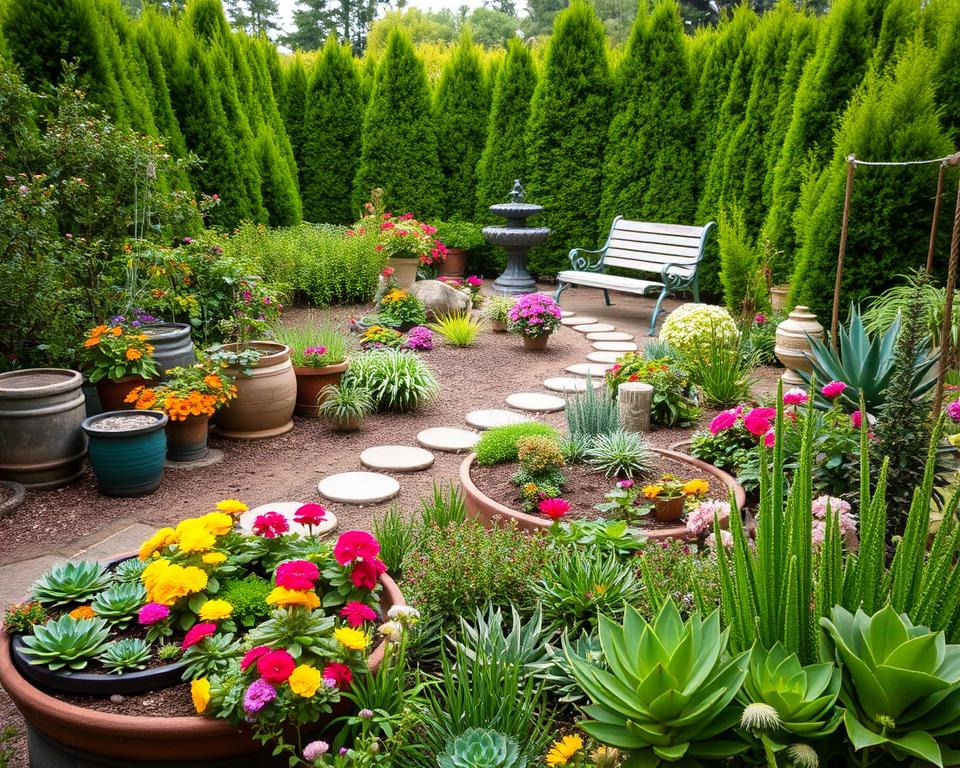
Garden boundaries are more than just dividers; they frame the entire garden design and significantly impact its overall appearance. A well-maintained boundary can elevate the entire outdoor space, making it more inviting and aesthetically pleasing.
Painting Fences for Instant Impact
Painting your fence can instantly revitalise your garden’s boundaries. According to B&Q, a simple coat of paint can bring a shabby fence back to life. To achieve maximum durability and visual impact, ensure the fence is properly prepared before painting. Choose a colour that complements your garden and consider creative techniques like stencils or ombre effects to add a personal touch.

Creating Living Boundaries with Climbers
Incorporating plants into your boundary can soften hard edges and create a lush, living wall. Climbers are an excellent choice for this purpose, offering a range of varieties suitable for different aspects and soil conditions. By selecting the right climbers, you can enhance your garden’s biodiversity and create a more dynamic boundary.
Decorative Fence Panel Ideas
If replacing your entire fence isn’t feasible, consider updating specific panels with decorative ideas. This approach can add visual interest to your boundary without the need for a complete overhaul. You can choose from various materials and designs to find the perfect match for your garden style, potentially incorporating a bold colour to make a statement.
Transforming Garden Pathways and Surfaces
The pathways and surfaces in your garden play a significant role in its overall aesthetic and functionality. Well-designed pathways can guide visitors through your garden, highlighting its best features, while also providing a safe and accessible route.
Gravel and Mulch Alternatives to Paving
When landscaping your garden on a tight budget, considering alternatives to paving slabs is a cost-effective strategy. Gravel and mulch are excellent options for garden pathways. Not only are they cheaper to purchase, but they are also easier and quicker to install compared to traditional paving slabs. For instance, a gravel garden path can be laid down with proper base preparation and edging techniques, making it a durable and attractive choice.

Defining Edges for a Polished Look
Defining the edges between different garden elements, such as between a lawn and a flower bed, creates a more professional and finished appearance. Using edging materials like metal, plastic, or brick can help maintain a neat and tidy look. This not only enhances the visual appeal but also prevents the spread of gravel or mulch into other areas, keeping your garden looking well-maintained.
Creative Stepping Stone Ideas
Stepping stones offer a creative way to navigate through your garden. Using materials like concrete pavers, log slices, or repurposed materials can add a unique touch to your garden’s surface. These materials can be arranged in various patterns to suit different garden styles, from formal to cottage or contemporary. Ensuring that stepping stones are safely positioned and accessible in all weather conditions is crucial for a functional garden design.
By thoughtfully selecting and installing garden pathways and surfaces, you can significantly enhance the overall landscaping of your garden, making it a more enjoyable and inviting space.
Clever Planting Strategies for Year-Round Interest
To keep your garden looking its best all year, it’s essential to adopt clever planting strategies. “A well-designed garden should offer something to enjoy in every season, not just during the peak summer months,” as this ensures continuous visual interest.

Perennials for Long-Term Value
Choosing perennials is a cost-effective strategy for maintaining a vibrant garden. According to B&Q, “Plant perennials in your beds, borders, and containers” as they “will bloom year after year, whereas annuals die at the end of the season and will need to be replanted.” This approach not only saves money but also reduces maintenance.
Architectural Plants as Focal Points
Incorporating architectural plants with distinctive forms can create impact even in winter months. These plants serve as focal points in the garden, adding structure and visual appeal throughout the year.
Low-Maintenance Combinations
Selecting the right plant combinations is key to a low-maintenance garden design. Consider combining evergreen plants with perennials that offer different bloom times and foliage colours to maintain interest across all seasons. Succession planting techniques can ensure continuous visual appeal, making your garden a joy to behold year-round.
Vertical Gardening Solutions
By utilising walls and other vertical surfaces, you can create a lush garden even in the most space-constrained areas. Vertical gardening is particularly beneficial for small gardens or urban settings where traditional gardening space is limited.
Wall-Mounted Planters and Living Walls
One of the most effective ways to implement vertical gardening is through wall-mounted planters and living walls. These systems allow you to grow a variety of plants, from herbs and succulents to flowering plants, directly on your garden walls. Wall-mounted planters are versatile and can be arranged in various configurations to suit your garden’s aesthetic.

Trellis and Climbing Plant Ideas
Trellises provide another excellent option for vertical gardening. By training climbing plants such as wisteria or star jasmine to grow up a trellis, you can create a beautiful, flowering screen that adds depth and interest to your garden.
Upcycled Vertical Garden Projects
For a more creative approach, consider upcycling materials like old pallets, guttering, or shoe organisers to create unique vertical garden planters. This not only adds a personal touch to your garden but also promotes sustainability.
Some key considerations for vertical gardens include watering, feeding, and pruning. Regular maintenance ensures that your vertical garden remains healthy and thriving.
- Maximise your garden space with wall-mounted planters.
- Use trellises to support climbing plants.
- Create a unique garden feature with upcycled materials.
Water-Saving Garden Features
Implementing water-saving features in your garden not only benefits the environment but also reduces your water bills. By making a few simple changes, you can significantly reduce your water usage while maintaining a beautiful and thriving garden.
Installing Water Butts and Collection Systems
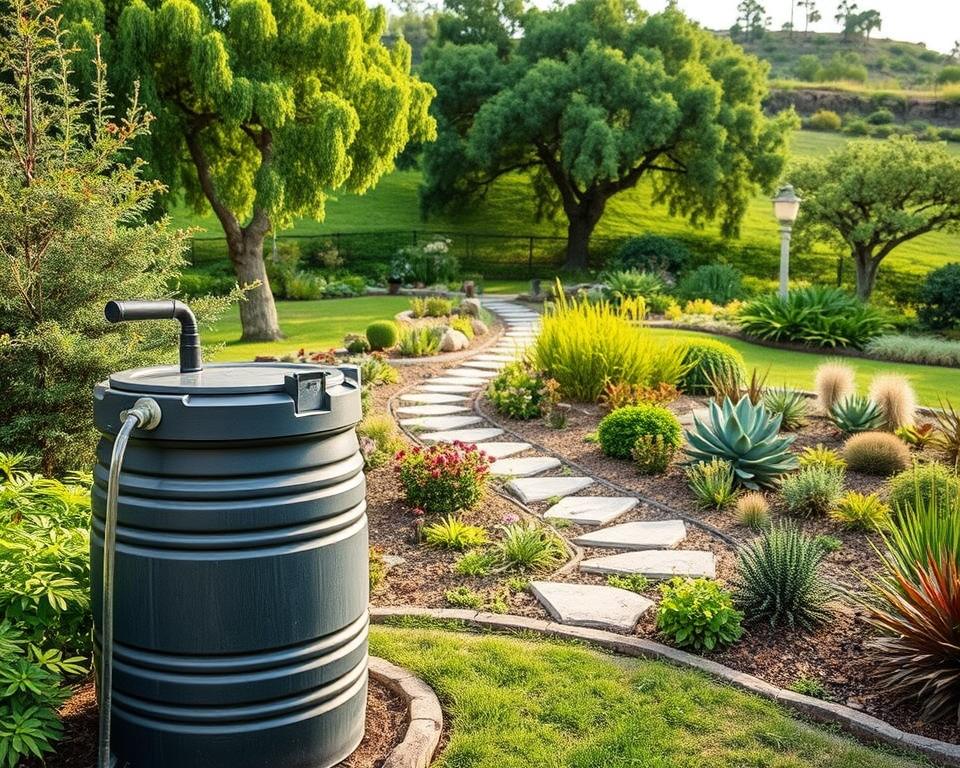
One effective way to conserve water is by installing a water butt to collect and store rainwater. According to B&Q, “Rainwater contains nitrates and organic matter which helps to feed and nourish your plants.” This not only saves money on water but also on plant food. Water butts are quick and easy to install and can save up to 24,000 litres of water a year.
Drought-Resistant Planting Schemes
Choosing drought-resistant plants is another strategy for reducing water consumption. These plants thrive with minimal watering once established, making them ideal for water-conscious gardening. Grouping plants with similar water requirements together allows for more efficient irrigation, ensuring that each plant receives the right amount of water.
Efficient Irrigation Methods
Efficient irrigation methods, such as drip systems and soaker hoses, deliver water directly to the roots of plants, minimizing evaporation and runoff. Additionally, techniques like mulching and improving soil structure help retain moisture, while watering at the right time of day reduces waste. Creating rain gardens that make the most of natural precipitation patterns is also an effective way to conserve water.
Upcycling and Recycling in the Garden
Incorporating upcycled elements into your garden design not only reduces environmental impact but also adds uniqueness. By giving old materials a new lease of life, you can create a garden that is both eco-friendly and aesthetically pleasing.
Pallet Projects for Planters and Furniture
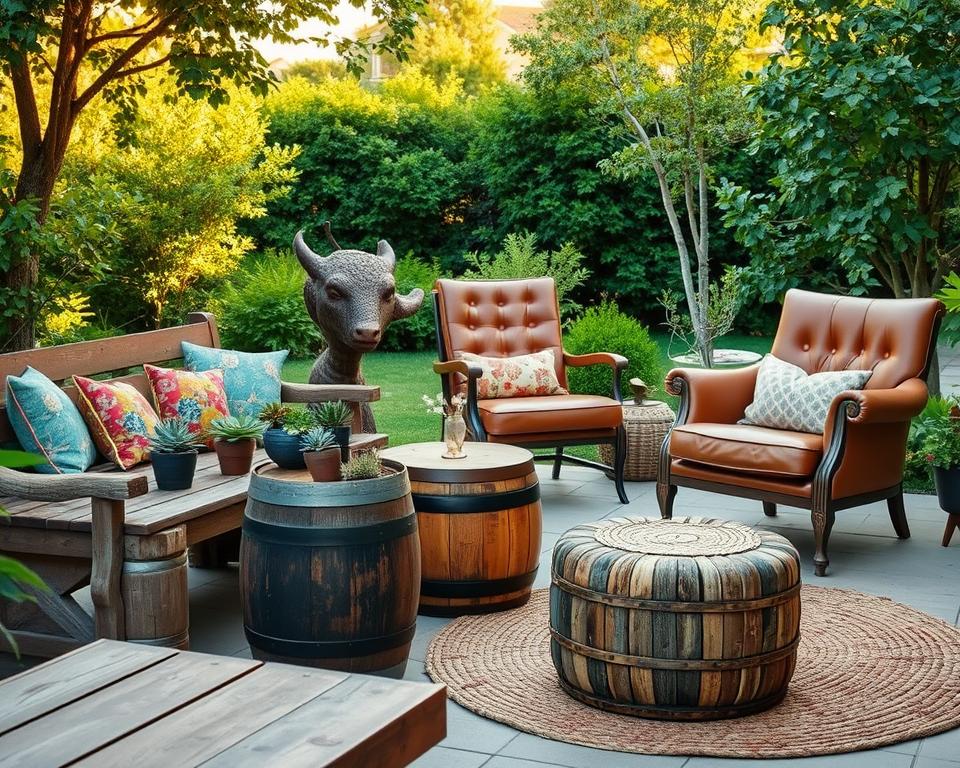
Old wooden pallets can be transformed into inexpensive and spacious planters or garden furniture. With a bit of creativity, pallets can become a beautiful addition to your garden. For instance, you can create a vertical garden by affixing painted pallets to your garden wall, adding a touch of greenery to your outdoor space.
Creative Container Gardens from Household Items
Household items such as old boots, colanders, or rubber tyres can be repurposed as quirky planters. This not only reduces waste but also adds character to your garden. You can get creative with the items you have at home to create unique pots that reflect your personal style.
Building a Compost System from Reclaimed Materials
Building a compost system using reclaimed materials like wooden pallets or old bins is an effective way to recycle garden waste. This eco-friendly practice helps in reducing landfill waste and creates nutrient-rich soil for your garden.
| Material | Upcycled Use | Benefit |
|---|---|---|
| Wooden Pallets | Planters, Furniture | Cost-effective, eco-friendly |
| Old Boots | Planters | Unique, reduces waste |
| Rubber Tyres | Quirky Planters | Durable, creative |
By incorporating upcycled elements into your garden, you not only contribute to a more sustainable environment but also create a space that is truly one-of-a-kind. Whether you’re working on a budget or looking to add some DIY charm, upcycling is a great way to achieve your garden makeover goals.
Lighting Your Garden for Evening Enjoyment
Garden lighting is not just about visibility; it’s about creating an atmosphere that extends the usability of your outdoor space into the evening. Proper lighting can transform your garden into a warm and inviting area, perfect for relaxation or entertainment.
Solar-Powered Lighting Solutions
Solar-powered garden lights are an eco-friendly and cost-effective option. They harness energy from the sun during the day and provide light at night without any additional cost. This makes them an attractive choice for those looking to reduce their environmental impact and energy bills.
| Lighting Type | Energy Source | Cost-Effectiveness |
|---|---|---|
| Solar-Powered | Sunlight | High |
| Mains Powered | Electricity | Low |
| Battery Powered | Batteries | Medium |
Creating Atmosphere with String Lights
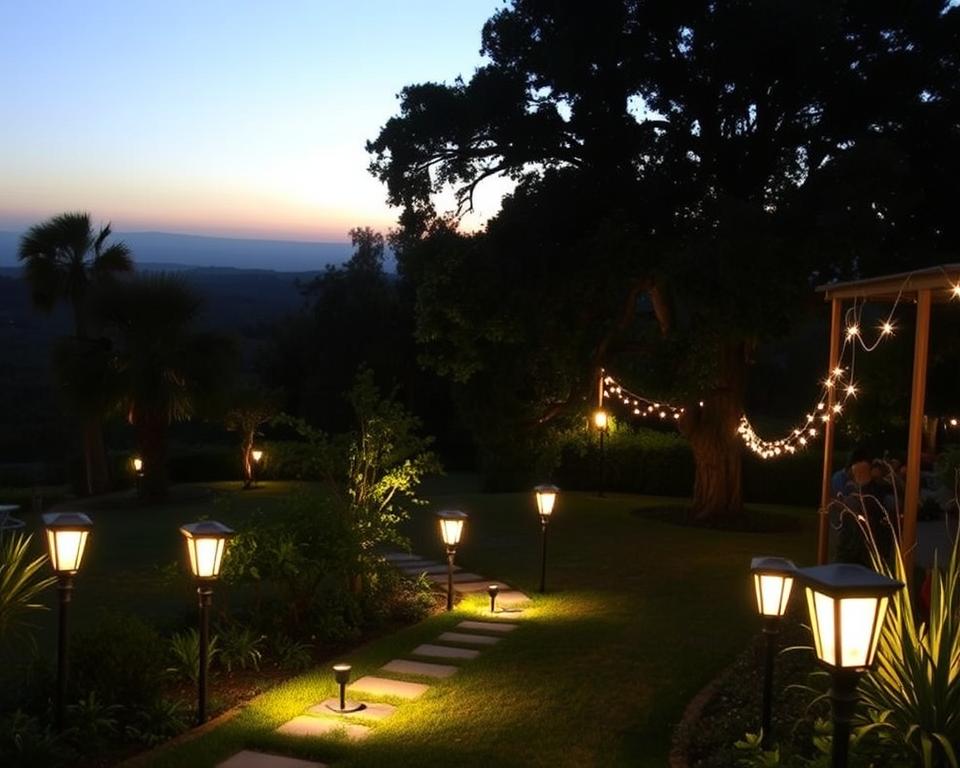
String lights can add a magical touch to your garden. They come in various styles and can be used to create a warm ambiance. Fairy lights, lanterns, and string lights are perfect for decorating trees, gazebos, or outdoor seating areas.
Highlighting Garden Features with Spotlights
Spotlights can be used to highlight specific features in your garden, such as sculptures, water features, or beautiful trees. By focusing light on these elements, you can create visual interest and depth in your garden.
When planning your garden lighting, it’s also important to consider the impact on local wildlife and take steps to minimize light pollution. Different lighting temperatures and intensities can create varying moods and effects, so choose wisely to achieve the desired atmosphere.
Refreshing Garden Furniture and Seating Areas
A well-designed seating area is crucial for fully enjoying your garden. Comfortable and attractive garden furniture can transform your outdoor space into an extension of your home.
Restoring Wooden Furniture
Restoring wooden furniture is a cost-effective way to give your garden a new look. Start by cleaning the furniture with a mild detergent, then sand it to remove any rough patches. Finally, apply a waterproof finish to protect it from the elements.
Creating Comfortable Outdoor Living Spaces
To create a comfortable outdoor living space, consider the layout and arrangement of your furniture. Arrange seating to maximize social interaction and views of the garden.
Using Outdoor Rugs and Textiles
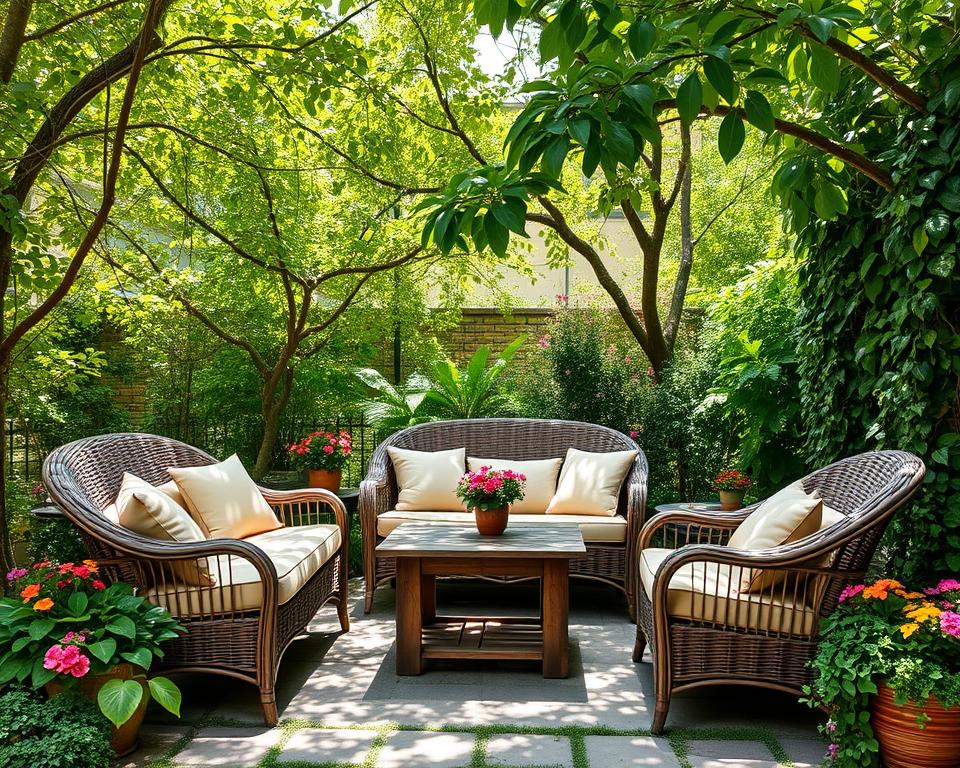
Outdoor rugs and textiles can add warmth and character to your seating areas. Choose weather-resistant materials to ensure durability.
| Furniture Type | Maintenance Tip | Best Use |
|---|---|---|
| Wooden | Regularly apply a waterproof sealant | Dining and seating areas |
| Metal | Clean with a rust-resistant solution | Accent pieces and decorative items |
| Wicker | Dust regularly and store under cover | Cozy reading nooks and corner seating |
Wildlife-Friendly Garden Makeover Ideas
By incorporating wildlife-friendly features into your garden, you can create a thriving ecosystem that supports local biodiversity. This not only enhances the aesthetic appeal of your outdoor space but also contributes to the well-being of various species.
Building Simple Bird Baths and Feeders
Creating a haven for birds can be as simple as upcycling old materials. For instance, you can make a bird bath using a terracotta pot, a glazed terracotta saucer, and some external waterproof glue. This DIY project is not only cost-effective but also adds a unique feature to your garden.
Planting to Attract Pollinators
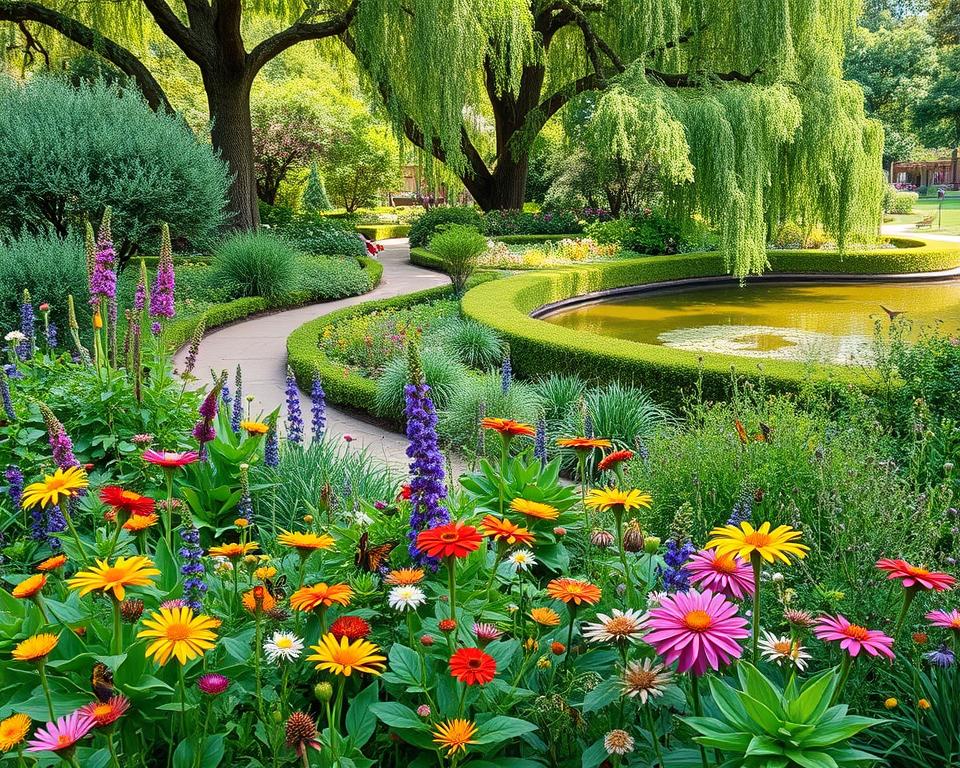
To attract bees, butterflies, and other pollinators, incorporate a variety of plants rich in nectar and pollen into your garden. Some excellent choices include lavender, sunflowers, and coneflowers. These plants will not only attract pollinators but also add color and vibrancy to your garden.
Creating Habitats for Beneficial Garden Creatures
Diverse habitats like log piles, leaf mounds, and wildflower areas can provide shelter and food for beneficial insects. By creating these habitats, you can encourage natural pest control and maintain a balanced ecosystem in your garden.
| Wildlife-Friendly Feature | Benefits |
|---|---|
| Bird Baths and Feeders | Attracts birds, provides water and food source |
| Pollinator-Friendly Plants | Attracts bees, butterflies, and other pollinators |
| Diverse Habitats | Provides shelter and food for beneficial insects |
By implementing these wildlife-friendly garden makeover ideas, you can create a haven that supports local biodiversity and enhances your outdoor space.
Small Garden Transformation Techniques
With the right strategies, even the smallest of gardens can be transformed into a lovely oasis. Small garden spaces present unique challenges, but with careful planning, they can be maximised to create inviting and functional areas.
Maximising Limited Space
One effective way to maximise space is by removing unnecessary features like lawns, which can be high maintenance. According to the RHS, ditching the lawn in favour of big borders and a reasonably-sized paved, gravelled, or decked area can reduce work and save storage space for other gardening essentials.
Optical Illusions to Make Gardens Appear Larger
Optical illusions can make small gardens appear more spacious. Using light colours on walls and surfaces can create a sense of openness. Strategically placing mirrors can also enhance the perception of space by reflecting views and light.
Multi-Functional Garden Elements
Incorporating multi-functional elements is key to efficient small garden design. Features like seating with built-in storage serve multiple purposes, reducing clutter and enhancing usability.
| Design Technique | Benefit |
|---|---|
| Vertical Gardening | Maximises wall space for planting |
| Tiered Containers | Increases planting area without taking up floor space |
| Espalier Fruit Trees | Provides fruit while acting as a decorative wall feature |

By implementing these strategies, small gardens can be transformed into beautiful, functional spaces that are both inviting and sustainable.
Conclusion: Enjoying Your Transformed Garden
Embracing the process of garden transformation allows you to create a unique outdoor space that evolves with your tastes and the changing seasons. Throughout this article, we’ve explored various garden makeover ideas, from budget-friendly tips to creative landscaping solutions.
Key takeaways include the importance of design in creating a cohesive look, selecting the right plants for year-round interest, and making the most of your budget. By starting with small changes, you can make a significant impact on your outdoor area.
Remember, a successful garden design balances aesthetics with practicality. As you enjoy your transformed garden, consider documenting its evolution through photos and sharing it with friends and family. By adopting sustainable gardening practices, you’ll not only enhance your personal enjoyment but also contribute to the well-being of the wider environment.
FAQ
What is the best way to start a garden makeover on a limited budget?
Begin by assessing your outdoor space and identifying areas that need improvement. Set a realistic budget and prioritise cost-effective changes, such as repainting fences or repurposing old containers as planters.
How can I maximise a small garden space?
To maximise a small garden, consider using vertical gardening solutions, such as wall-mounted planters or trellises, to make the most of your walls. Additionally, opt for multi-functional garden elements, like storage benches or foldable furniture.
What are some low-maintenance planting combinations?
For a low-maintenance garden, choose perennials that require minimal upkeep, such as sedum or succulents. Combine these with groundcovers like creeping thyme or vinca minor to suppress weeds and reduce watering needs.
How can I create a wildlife-friendly garden?
To attract beneficial creatures to your garden, incorporate features like bird baths, insect hotels, and pollinator-friendly plants. Use native plants and avoid using pesticides to create a welcoming habitat for wildlife.
What are some creative ways to reuse old materials in the garden?
Consider upcycling old pallets into planters or furniture, or repurposing household items like old boots or colanders as unique containers. You can also create a compost system using reclaimed materials.
How can I illuminate my garden for evening enjoyment?
Use solar-powered lights to reduce energy consumption and create a warm ambiance. String lights or fairy lights can add a magical touch, while spotlights can be used to highlight specific garden features.