How to Bug-Proof Your Summerhouse

Creating a bug-proof environment in your summerhouse is crucial for maintaining its condition and ensuring a pleasant experience when using it. Pests and unwanted insects can quickly turn a relaxing retreat into a nuisance.
Understanding the common entry points that bugs and pests use to access your summerhouse is the first step in effective prevention. By identifying these vulnerabilities, you can take practical steps to keep your home free from unwanted critters.
Inhaltsverzeichnis
Key Takeaways
- Regularly inspect your summerhouse for signs of pests.
- Seal all entry points to prevent bugs from entering.
- Keep your summerhouse clean and clutter-free.
- Use natural deterrents to repel insects.
- Implement preventative measures to avoid infestations.
Why Bug-Proofing Your Summerhouse Is Essential
Summerhouses, often situated in gardens teeming with life, require special attention to prevent pest infestations that can compromise their structure and your enjoyment. Gardens are vibrant ecosystems with a multitude of creatures, some of which can become unwelcome guests in your summerhouse.
The location of summerhouses in gardens makes them particularly vulnerable to pest infestations. The intermittent use of these structures throughout the year can also contribute to the problem, as periods of inactivity can allow pest issues to develop unnoticed.
Common Pests That Target Summerhouses
Various pests are known to target summerhouses, including spiders, ants, wasps, flies, moths, rodents, and wood-boring insects. These pests can be attracted to the structure, furniture, or stored items within the summerhouse. Understanding the types of pests common to your area is crucial for implementing effective prevention strategies.
Potential Damage Caused by Pest Infestations
Pest infestations can lead to significant damage to your summerhouse, affecting not only the structure itself but also the furniture, stored items, and electrical wiring. Moreover, pests can create unhygienic conditions, making your summerhouse unusable during peak summer months. Some pests can also pose health risks by carrying diseases or triggering allergic reactions.
By understanding the risks and taking proactive measures, you can protect your summerhouse from the potential damage caused by pests and ensure it remains a safe and enjoyable space.
Sealing Entry Points: The First Line of Defence
The first step in protecting your summerhouse from bugs is to seal any gaps or cracks. This crucial measure prevents pests from entering and infesting your summerhouse. Thorough inspection is key to identifying potential entry points, as even the smallest gap can be an open invitation for insects.
Identifying and Filling Cracks and Gaps
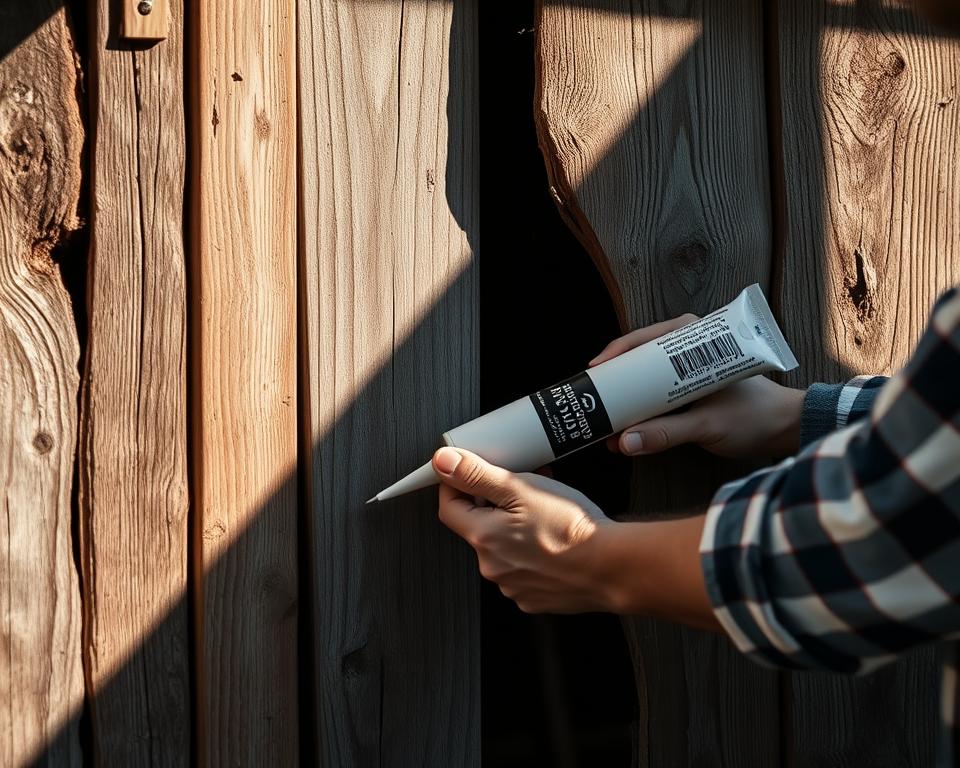
Common entry points include gaps around windows and doors, spaces between wall panels, holes around utility lines, and cracks in the foundation. Silicone caulk is highly effective for sealing smaller cracks and gaps, creating a flexible, waterproof barrier that prevents pest entry. Regular maintenance checks are essential as seasonal temperature changes can cause wood to expand and contract, potentially creating new entry points.
Installing Door Sweeps and Weatherstripping
Installing door sweeps on external doors creates a tight seal at the bottom, preventing crawling insects and small rodents from entering underneath. Weatherstripping around windows and doors not only prevents pest entry but also improves energy efficiency by reducing drafts. For added protection, consider installing metal mesh screens for windows and vents to allow for ventilation while keeping flying insects out.
How to Bug-Proof Your Summerhouse Structure
Ensuring the structural integrity of your summerhouse is crucial for effective pest prevention. A well-maintained structure prevents pests from entering and inhabiting your summerhouse.
Securing the Roof and Walls
The roof and walls are critical areas that require attention to prevent pest infestations. Leaks and cracks in these areas can attract insects and provide entry points. To secure them, inspect your summerhouse regularly for any damage or gaps. Fill any leaks in the walls with silicone, and patch up holes in the roof to prevent water damage and pest entry. Ensure that the roof covering is in good condition, and the fascia boards are secure.
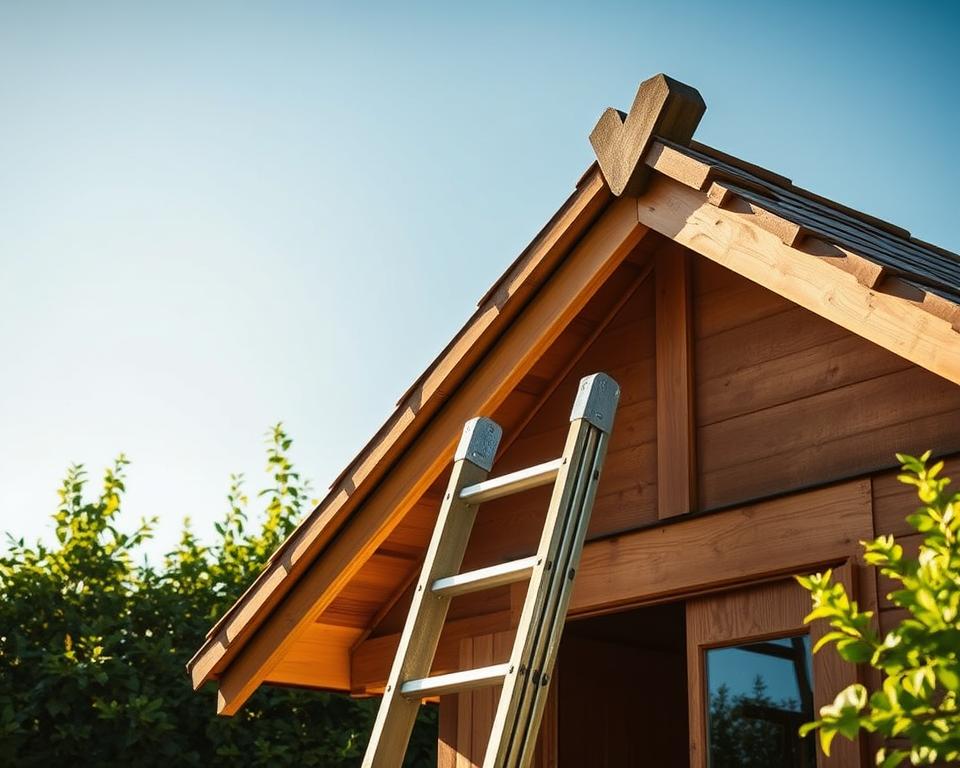
Using quality materials for your summerhouse’s construction or renovation can significantly reduce the likelihood of pest problems. Proper installation of roof materials is also essential to prevent water infiltration and pest entry.
Protecting the Foundation and Floor
Protecting the foundation and floor of your summerhouse is equally important. Applying wire mesh under the floor and around the foundation creates a barrier against rodents and larger pests. Treating wooden structural elements with preservatives can deter wood-boring insects and extend the lifespan of your summerhouse.
For elevated summerhouses, enclosing the space underneath with wire mesh prevents it from becoming a habitat for pests. Regular inspection and maintenance of vulnerable structural points can help maintain the integrity of your summerhouse.
Managing Moisture and Water Issues
One of the key factors in bug-proofing your summerhouse is managing moisture and water issues. Leaks and excess moisture can lead to water damage and mould, attracting unwanted insects.
Preventing Leaks and Water Damage
To prevent leaks and subsequent damage, it’s essential to ensure your summerhouse’s roof is properly maintained. Choosing quality roof felt and installing roof shingles, especially for log cabins, adds an extra layer of protection and insulation. Ensuring proper drainage around your summerhouse prevents water accumulation near the foundation, reducing pest activity and structural damage.

Controlling Humidity Levels
Controlling moisture levels is vital to prevent pest infestations. Using a dehumidifier during damp periods helps maintain optimal humidity levels, making the environment less attractive to pests. Proper ventilation systems, including vents and windows that can be opened safely, help reduce condensation and maintain healthy air circulation. Applying water-resistant sealants to wooden surfaces provides additional protection against moisture penetration.
Effective Cleaning Practices to Deter Pests
Regular cleaning is a simple yet effective way to help keep pests at bay in your summerhouse. Damp and dirty surfaces are a breeding ground for pests, so it’s essential to keep your space clean and tidy.
Regular Maintenance Schedule
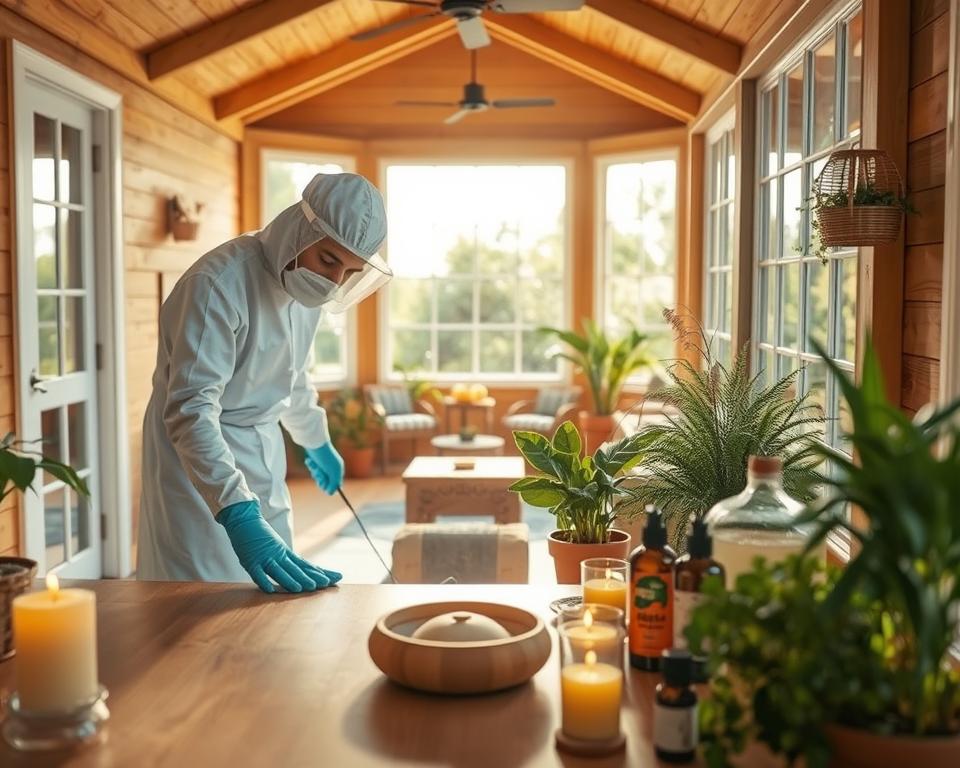
Establishing a regular cleaning routine is one of the most effective ways to deter pests. This includes sweeping floors, dusting surfaces, and removing cobwebs, which eliminates potential nesting sites and disrupts pest establishment.
Implementing a seasonal deep clean schedule ensures that hidden areas and less accessible spaces receive attention before they become pest havens.
Proper Storage Solutions
Proper storage of items in sealed plastic containers rather than cardboard boxes prevents pests from using these materials for nesting and feeding. Organising storage areas to minimise clutter creates fewer hiding spots for pests and makes it easier to spot signs of infestation early.
| Cleaning Task | Frequency | Benefit |
|---|---|---|
| Sweeping floors | Weekly | Removes debris and dust |
| Dusting surfaces | Monthly | Eliminates dust and cobwebs |
| Deep cleaning | Seasonally | Targets hidden areas and clutter |
Using storage solutions that elevate items off the floor provides better protection against moisture and crawling insects, while making cleaning underneath easier. By maintaining a clean and organised summerhouse, you can significantly reduce the risk of pest infestations.
Natural Repellents and Deterrents
Natural repellents offer a viable solution for deterring pests from your summerhouse. By leveraging certain plants, essential oils, and strategic landscaping, you can create an environment that discourages insects and other pests.
Essential Oils and Plant-Based Solutions
Certain plants and herbs are known to repel insects through the essential oils they produce. For instance, marigolds can be planted around outdoor living areas to repel mosquitoes, while pots of fresh basil near doors can ward off moths. Lavender, when grown in your garden, can discourage flies, moths, mosquitoes, beetles, ticks, and fleas. Additionally, lemongrass and citronella grass are effective repellents for mosquitoes, flies, and gnats due to the citronella oil in their leaves.

Essential oils such as peppermint, eucalyptus, tea tree, and lavender are particularly effective against spiders, ants, flies, and moths when used correctly. DIY repellent sprays made from diluted essential oils can be safely applied to doorways and windowsills as a preventative measure.
Strategic Landscaping Around Your Summerhouse
Creating a natural barrier around your summerhouse through strategic planting can significantly reduce the number of insects that approach the structure. Plants like lavender, mint, rosemary, and citronella naturally repel various pests. Maintaining a clear zone of about 1-2 metres between dense vegetation and your summerhouse eliminates bridges that insects and rodents use to access the building.
| Plant | Repels |
|---|---|
| Marigolds | Mosquitoes |
| Basil | Moths |
| Lavender | Flies, Moths, Mosquitoes, Beetles, Ticks, Fleas |
| Lemongrass/Citronella Grass | Mosquitoes, Flies, Gnats |
Items to Never Store in Your Summerhouse
To keep your summerhouse bug-free, understanding what not to store is just as important as knowing how to seal entry points. Certain items can attract pests, making your summerhouse an invitation to unwanted guests.
Food and Organic Materials
Storing food items in your summerhouse, even in sealed containers, can attract pests like ants and rodents. Temperatures in garden sheds can rise significantly during warmer weather, causing tinned food to spoil or become contaminated. It’s best to store food in a cool, dry place, such as an empty cupboard in your house. Organic gardening materials like compost, mulch, and potting soil should also be stored away from the summerhouse as they naturally contain insects and their eggs.
Using containers that are not airtight can also lead to pest infestations. For instance, leftover seeds, bird food, and pet food are particularly problematic and should be stored in airtight containers if they must be kept in the summerhouse.
Fabrics and Other Pest-Attracting Items
Moths and carpet beetles are attracted to fabrics and clothing items, which can cause significant damage if left undisturbed in storage. Exposure to moisture and humid weather can also make your clothes musty and mouldy. Paper products, including books, magazines, and cardboard boxes, provide ideal nesting materials for rodents and harbour silverfish and cockroaches if not properly protected.
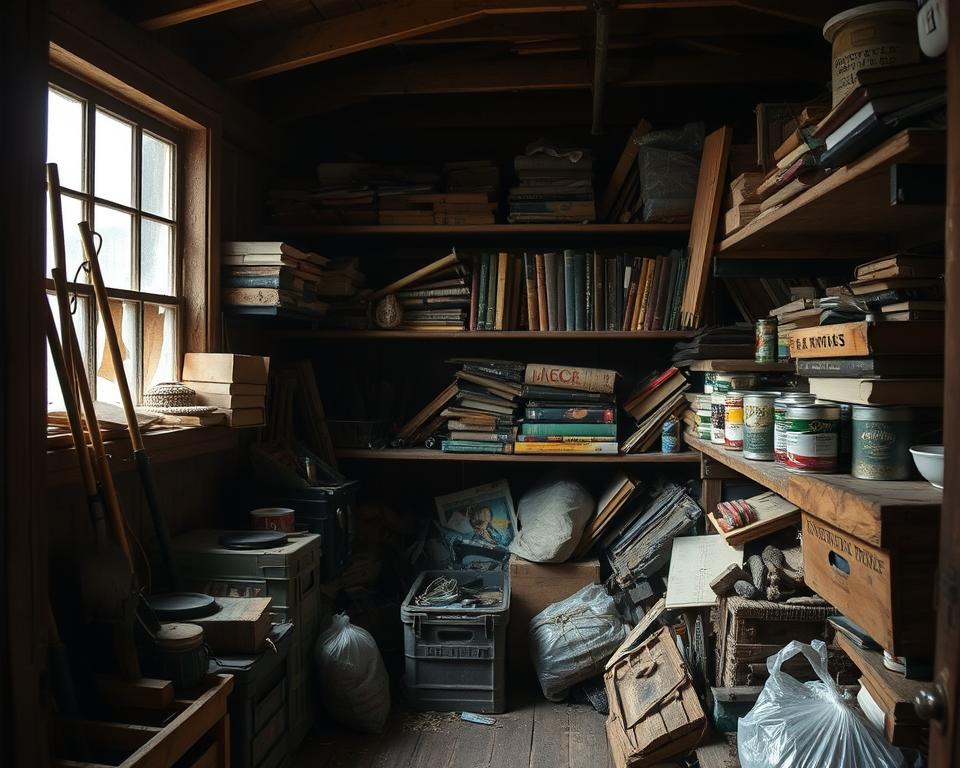
Scented items like candles, soaps, and certain cleaning products can attract various pests with their fragrances and should be stored in sealed containers. Understanding which items naturally attract pests helps in making informed decisions about what can be safely stored in your summerhouse without creating pest issues.
Dealing with Existing Infestations
Effectively managing existing pest infestations involves understanding the types of pests involved and the most suitable removal methods. To get rid of pests, it’s essential to adopt a comprehensive approach.
Identifying the Type of Pest
Correctly identifying the type of pest infestation is crucial for implementing effective control measures. Different types of pests require different treatment strategies.
Humane Removal Methods
Humane removal methods should be considered first, particularly for larger pests like birds, squirrels, or hedgehogs. These methods are not only more ethical but also safer for the animals and humans involved.
When to Call Professional Pest Control
For persistent or large-scale infestations, pest control services offer expertise and access to treatments not available to the general public. It’s advisable to call professionals when dealing with potentially dangerous pests such as wasps or hornets.
By understanding the nature of the infestation and choosing the right removal strategy, you can effectively get rid of rodents and spiders, ensuring your summerhouse remains pest-free.
Conclusion: Maintaining a Bug-Free Summerhouse Year-Round
The key to a pest-free summerhouse lies in consistent maintenance and vigilance. To help keep your summerhouse bug-free, it’s essential to combine preventative measures with regular inspections and prompt action when issues arise.
Seasonal inspections play a crucial role in catching potential pest problems early, particularly during transitional periods when bugs change their behaviour. By implementing the tips and techniques outlined in this guide, you can protect your summerhouse from unwanted visitors throughout the year, enhancing your home and garden experience.
A proactive approach to pest prevention is always more effective and less costly than reactive measures. Creating a maintenance calendar and adapting your strategy based on changing conditions will continually improve the protection of your summerhouse, showing you the way to a bug-free haven.
FAQ
What are the most common pests that target summerhouses?
Common pests that target summerhouses include ants, spiders, moths, flies, and rodents, which are attracted to food, water, and shelter.
How can I prevent pests from entering my summerhouse through the roof and walls?
To prevent pests from entering through the roof and walls, ensure that all cracks and gaps are sealed, and consider installing mesh screens to cover vents and chimneys.
What is the best way to manage moisture and water issues in my summerhouse?
Managing moisture and water issues involves preventing leaks, controlling humidity levels, and ensuring proper drainage around the summerhouse.
What types of materials should I store in my summerhouse to avoid attracting pests?
Avoid storing food, organic materials, fabrics, and other items that may attract pests, and opt for pest-repellent storage solutions instead.
Are there any natural repellents that can help deter pests from my summerhouse?
Yes, essential oils and plant-based solutions, such as citronella and lemongrass, can be used to repel pests, and strategic landscaping around the summerhouse can also help.
When should I call professional pest control services to deal with an infestation?
If the infestation is severe or you are unsure of the type of pest, it is recommended to call professional pest control services to ensure effective and humane removal.
What are some effective cleaning practices to deter pests from my summerhouse?
Regular maintenance, including cleaning and decluttering, can help deter pests, and proper storage solutions can also prevent pest infestations.
Can I use weatherstripping and door sweeps to prevent pests from entering my summerhouse?
Yes, installing door sweeps and weatherstripping around doors and windows can help prevent pests from entering the summerhouse.