How to Build a Shed Base on Uneven Ground
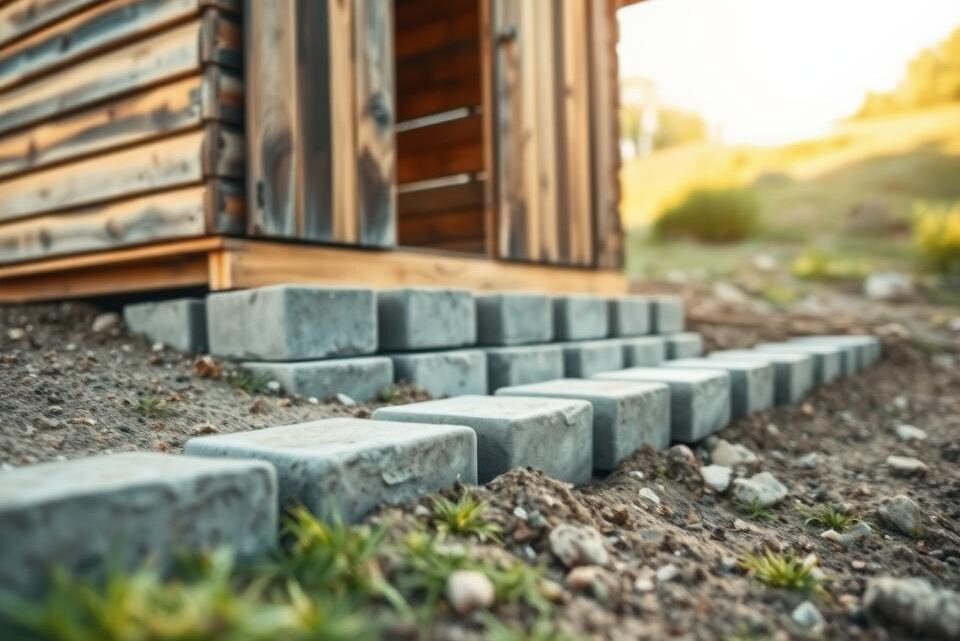
Building a garden shed on uneven ground presents unique challenges for DIY enthusiasts. A stable shed base is crucial for protecting your investment and ensuring the structure’s longevity. Uneven terrain can compromise the structural integrity of your garden shed foundation, making proper preparation essential.
Creating a robust shed base on sloping or irregular ground requires careful planning and specific techniques. Homeowners need to understand ground conditions, assess terrain challenges, and implement strategic levelling methods to establish a secure and level surface for their garden shed.
This comprehensive guide will walk you through the critical steps of constructing a reliable shed base on challenging terrain. You’ll learn professional techniques for managing uneven ground, selecting appropriate materials, and creating a solid garden shed foundation that withstands environmental pressures.
Inhaltsverzeichnis
Key Takeaways
- Assess ground conditions before starting shed base construction
- Choose appropriate levelling techniques for your specific terrain
- Understand the importance of a stable foundation
- Select proper materials for uneven ground
- Follow safety guidelines and local building regulations
- Implement drainage solutions for sloped surfaces
Understanding the Challenges of Uneven Ground for Shed Construction
Building a shed on uneven terrain presents unique challenges that can significantly impact the stability and longevity of your structure. Ground slope and soil composition play crucial roles in determining the success of your shed base construction.
Understanding the intricacies of ground conditions is essential for creating a robust and reliable shed foundation. Different landscapes present varying challenges that require careful assessment and strategic planning.
Common Ground Slope Issues
Ground slope can create substantial obstacles for shed construction. Steep gradients can lead to several potential problems:
- Uneven weight distribution
- Potential structural instability
- Water drainage complications
- Foundation settlement risks
Impact of Soil Types on Base Stability
Soil types significantly influence the structural integrity of your shed base. Different soil compositions react differently to weight and environmental conditions.
| Soil Type | Stability Characteristics | Construction Considerations |
|---|---|---|
| Clay | High moisture retention | Requires additional drainage |
| Sandy | Good drainage | May need compaction |
| Loam | Balanced composition | Ideal for most constructions |
Measuring Ground Irregularities
Accurate measurement of ground slope and irregularities is critical for successful shed base construction. Precision tools and techniques help ensure a level foundation:
- Use a digital level for precise measurements
- Create a site grid for comprehensive assessment
- Mark significant elevation changes
- Calculate gradient percentages
Professional landscapers recommend thorough ground assessment before initiating any construction project.
By understanding these challenges, you’ll be better equipped to create a stable and long-lasting shed foundation that withstands various ground conditions.
Essential Tools and Materials for Building a Shed Base
Preparing for a shed base project requires careful selection of shed base tools and construction materials. DIY equipment plays a crucial role in creating a stable foundation, especially on challenging terrain.

Before starting your project, gather these essential tools and materials:
- Measuring tape for precise ground assessment
- Spirit level to ensure perfect alignment
- Shovel and pickaxe for ground preparation
- Compact laser level for accurate measurements
- Protective work gloves
Your construction materials will depend on ground conditions and shed design. Here’s a comprehensive breakdown of recommended materials:
| Material | Best Used For | Durability |
|---|---|---|
| Concrete blocks | Uneven, soft ground | High |
| Pressure-treated timber | Sloped terrain | Medium-High |
| Gravel | Drainage support | Medium |
“Proper preparation prevents poor performance in shed base construction.” – Professional DIY Expert
When selecting DIY equipment, invest in quality tools that provide accuracy and durability. Precision is key when working with challenging ground conditions.
Professional tip: Always purchase slightly more materials than your initial calculations suggest to account for unexpected challenges during construction.
Site Preparation and Ground Assessment
Successful shed construction begins with meticulous site preparation and ground assessment. Proper groundwork ensures a stable, long-lasting foundation that will protect your investment and prevent future structural issues.
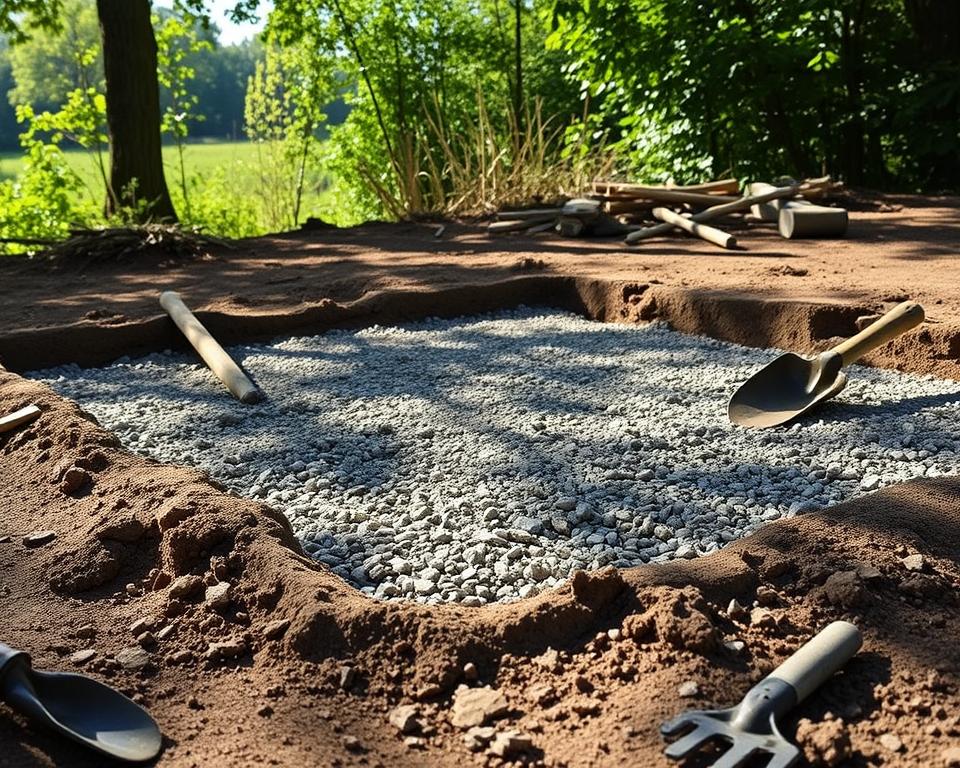
Before diving into your shed project, comprehensive ground assessment is crucial. This initial stage sets the foundation for a robust and reliable structure.
Clearing Vegetation and Debris
Site preparation starts with creating a clean workspace. Remove all vegetation, rocks, and debris from the chosen area to ensure a clear ground surface. Use these tools for effective clearing:
- Garden spade
- Rake
- Brush cutter
- Wheelbarrow
Marking Out Your Shed Base Area
Accurate marking out is essential for ground assessment and ensuring your shed sits perfectly. Follow these steps:
- Measure the exact dimensions of your planned shed
- Use wooden stakes and string to outline the area
- Check diagonal measurements to confirm squareness
Testing Ground Conditions
Understanding your ground’s characteristics prevents future structural problems. Conduct these critical ground assessments:
| Assessment Type | Method | Purpose |
|---|---|---|
| Soil Composition | Soil texture test | Determine drainage and stability |
| Ground Level | Spirit level measurement | Identify slope and required levelling |
| Drainage Check | Water percolation test | Prevent water accumulation |
“Proper site preparation is the foundation of a successful shed project” – Professional Landscaping Expert
Remember, thorough ground assessment and site preparation are your first steps towards a stable, durable shed base.
How to Build a Shed Base on Uneven Ground
Tackling shed base construction on uneven terrain requires careful planning and precise execution. Successful foundation building begins with understanding the unique challenges presented by irregular ground surfaces. Homeowners can transform a challenging landscape into a stable platform for their garden shed with the right approach.

The key to effective shed base construction on uneven ground involves several critical steps:
- Comprehensive ground assessment
- Selecting appropriate levelling techniques
- Choosing suitable foundation materials
- Implementing precise measurement strategies
Different terrain types demand specific foundation building methods. Sloped areas require more intricate preparation compared to relatively flat surfaces. Homeowners should consider these core techniques:
| Terrain Type | Recommended Approach | Difficulty Level |
|---|---|---|
| Gentle Slope | Stepped Foundation | Low |
| Moderate Slope | Cut and Fill Method | Medium |
| Steep Terrain | Raised Pier Foundation | High |
Professional gardeners recommend using pressure-treated timber or concrete blocks as primary foundation materials. These options provide exceptional stability and resistance to ground moisture, ensuring your shed remains level and secure for years to come.
The secret to a robust shed base is meticulous preparation and understanding your specific ground conditions.
Investing time in proper ground preparation will save significant effort and prevent future structural issues. Careful measurement, strategic material selection, and patient installation are the cornerstones of successful shed base construction on challenging terrain.
Levelling Techniques for Sloped Terrain
Creating a stable shed base on uneven ground requires careful ground levelling techniques. Homeowners often face challenges when dealing with sloped terrain, but with the right approach, you can transform an uneven surface into a perfect foundation for your shed.
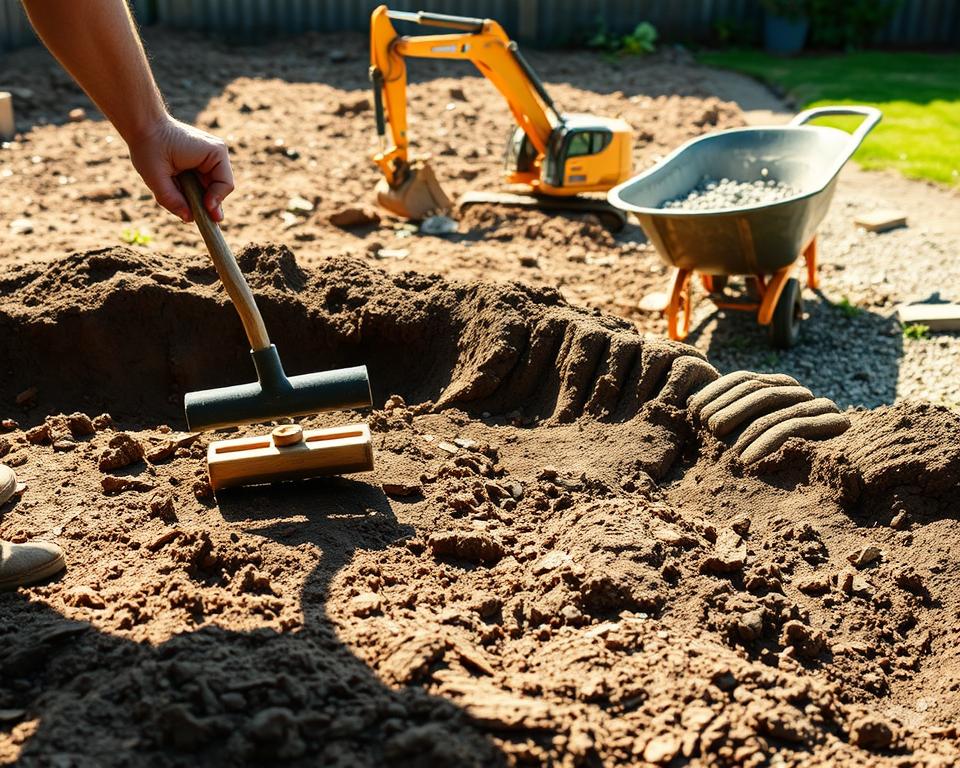
Professional ground levelling involves several strategic methods to ensure a flat and stable surface. The most effective techniques help you manage terrain variations and create a solid base for your outdoor structure.
Cut and Fill Method
The cut and fill technique is a fundamental ground levelling strategy for managing sloped terrain. This method involves:
- Removing soil from higher areas (cut)
- Redistributing soil to lower areas (fill)
- Creating a uniform, level surface
Ground levelling using cut and fill requires precise measurement and careful soil movement to achieve a balanced, stable foundation.
Using String Lines for Accuracy
The string line technique provides an excellent way to ensure precise ground levelling. By stretching a taut string between stakes, you can:
- Establish a perfect horizontal reference point
- Check ground elevation consistently
- Identify and correct surface irregularities
Professional tip: Use a spirit level alongside your string line for maximum accuracy during ground levelling.
Ground Levelling Equipment Guide
Successful ground levelling depends on having the right tools. Essential equipment includes:
- Laser level
- Landscaping rake
- Shovel and pickaxe
- Wheelbarrow
- Compacting plate
Investing in quality ground levelling equipment will make your shed base preparation much smoother and more precise.
Creating a Solid Foundation with Concrete Blocks
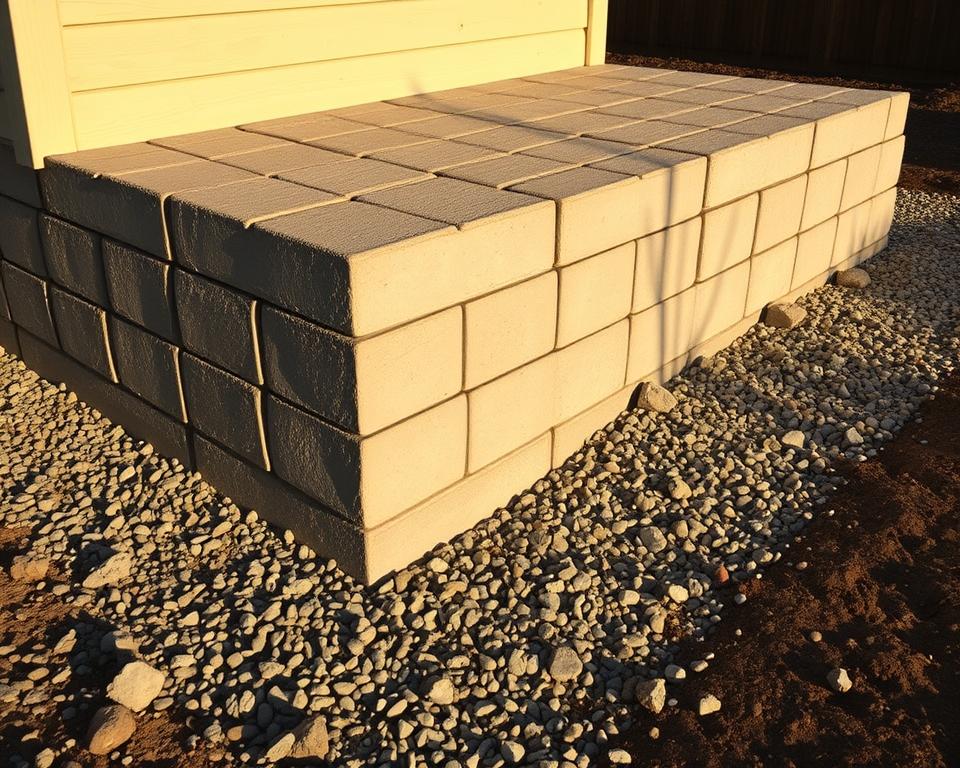
Building a robust concrete block foundation provides an excellent solution for creating a solid base for your garden shed. Concrete blocks offer superior stability, especially when dealing with uneven ground conditions. They create a dependable shed support system that can withstand various terrain challenges.
When selecting concrete blocks for your shed foundation, consider the following key factors:
- Choose high-quality concrete blocks designed for ground-level construction
- Ensure blocks are uniform in size and shape
- Select blocks with proper drainage capabilities
- Check for resistance to moisture and ground movement
Proper placement of concrete blocks is crucial for maintaining a level and stable foundation. Start by clearing the ground and creating a flat surface. Space the blocks evenly, ensuring they provide consistent support across the entire shed base.
“A well-constructed concrete block foundation is the cornerstone of a durable and long-lasting garden shed.” – Professional Landscaping Association
Your concrete block foundation should create a sturdy platform that elevates the shed slightly above ground level. This approach helps prevent moisture damage and provides excellent shed support in challenging terrain conditions.
By carefully implementing a concrete block foundation, you’ll create a resilient base that protects your shed from ground-related issues and ensures long-term structural integrity.
Installing a Timber Frame Base System
Creating a robust timber frame base requires careful planning and precise execution. Your shed’s stability depends on selecting the right materials and implementing correct assembly techniques. A well-constructed timber frame base provides a solid foundation that protects your structure from ground moisture and uneven terrain.
Selecting Pressure-Treated Wood
Choosing the right pressure-treated wood is crucial for a durable timber frame base. Look for lumber specifically designed to resist decay and insect damage. Key considerations include:
- Moisture resistance
- Structural integrity
- Longevity in outdoor conditions
- Appropriate wood grade for ground contact
Frame Assembly Techniques
Successful frame assembly demands precision and attention to detail. Start by creating a level surface and cutting your pressure-treated timber to exact measurements. Use galvanised bolts and screws to ensure strong connections between frame components.
- Measure and mark timber precisely
- Cut timbers at 90-degree angles
- Align frame sections carefully
- Secure joints with appropriate fasteners
Securing the Structure
Anchoring your timber frame base prevents shifting and provides additional stability. Use ground anchors or concrete footings to create a permanent, secure foundation. Check that each connection is tight and the entire frame remains level throughout the installation process.
Pro tip: Always wear protective gear and use professional-grade tools when constructing your timber frame base.
By following these guidelines, you’ll create a robust timber frame base that supports your shed for years to come.
Drainage Solutions for Sloped Ground
Effective water management is crucial when building a shed on uneven ground. Sloped terrain presents unique challenges for shed drainage that can potentially compromise your structure’s foundation. Understanding the right drainage solutions will protect your investment and prevent water-related damage.
Key drainage strategies for managing water on sloped ground include:
- French Drain Installation: A perforated pipe surrounded by gravel that redirects water away from the shed base
- Terracing: Creating level platforms to interrupt water flow and reduce erosion
- Grading: Strategically shaping the ground to encourage natural water runoff
When planning shed drainage, consider these critical factors:
- Assess the natural water flow direction
- Identify potential water accumulation zones
- Select appropriate drainage materials
Implementing proper water management techniques will ensure your shed remains stable and dry, even on challenging sloped terrain. Proactive drainage solutions can prevent costly repairs and extend the lifespan of your outdoor structure.
Professional tip: Always plan drainage before constructing your shed base to mitigate potential water-related issues.
Ensuring Your Base is Square and Level
Creating a precise square base is crucial for the stability and longevity of your shed. Accurate measurements and a level foundation will prevent future structural issues and ensure your shed sits perfectly on the ground.
Achieving a square base requires careful attention to detail and the right tools. Professional builders know that precision starts with proper measurement and alignment techniques.
Using a Spirit Level
A spirit level is your most important tool for creating a level foundation. When using this tool:
- Place the spirit level across different areas of your base
- Check both horizontal and vertical alignments
- Look for the bubble to sit precisely in the centre of the level’s markings
Diagonal Measurements
Diagonal measurements are essential for ensuring a perfectly square base. Here’s how to check:
- Measure from corner to opposite corner diagonally
- Repeat the measurement in the opposite direction
- Both diagonal measurements should be exactly equal
Final Adjustments
After initial measurements, make precise adjustments to your square base. Small corrections can prevent significant structural problems later. Use additional support like timber shims or compact gravel to level out minor ground irregularities.
Accurate measurements and a level foundation are the key to a sturdy, long-lasting shed that will serve you well for years to come.
Adding a Damp Proof Membrane
Protecting your shed from ground moisture is crucial for its longevity. A damp proof membrane serves as a critical moisture barrier, preventing water from seeping into the shed’s foundation and causing potential structural damage.
When selecting a damp proofing solution, consider these key factors:
- Material durability
- Thickness of the membrane
- Compatibility with your base material
- Local ground conditions
The installation process for shed protection involves several precise steps:
- Clean the prepared base thoroughly
- Ensure the surface is completely dry
- Roll out the membrane smoothly
- Secure edges with appropriate fixings
Different membrane types offer varying levels of protection:
| Membrane Type | Durability | Cost |
|---|---|---|
| Polythene | Low | £ |
| Reinforced | Medium | ££ |
| Professional Grade | High | £££ |
Pro tip: Always overlap membrane edges by at least 20cm to create a robust moisture barrier.
Safety Considerations and Building Regulations
Building a shed requires careful attention to shed safety and local building regulations. Understanding construction permits and compliance is crucial for any DIY project involving outdoor structures.
Before starting your shed base project, research local planning requirements. Different regions in the United Kingdom have specific guidelines that homeowners must follow.
- Check local council planning restrictions
- Verify maximum shed dimensions allowed
- Understand setback requirements from property boundaries
- Assess potential need for construction permits
Safety considerations extend beyond legal compliance. Proper ground preparation and structural integrity are paramount when constructing a shed base on uneven terrain.
| Safety Aspect | Recommended Action |
|---|---|
| Ground Stability | Conduct thorough site assessment |
| Structural Support | Use appropriate levelling techniques |
| Drainage | Implement effective water management |
Small structures under 15 square metres typically require permitted development rights. Nevertheless, always confirm specific requirements with your local planning authority to ensure full compliance with building regulations.
Remember: Proper preparation prevents potential legal and safety complications.
Professional consultation can provide detailed guidance on shed safety and navigating complex construction permit processes, ensuring your project meets all necessary standards.
Conclusion
Building a shed base on uneven ground might seem challenging, but with the right techniques and preparation, your DIY project can be a resounding success. The shed base construction process requires careful planning, precise measurements, and strategic levelling solutions to overcome ground irregularities.
Uneven ground solutions are not just about creating a stable foundation; they’re about ensuring your shed remains durable and functional for years to come. By understanding ground conditions, selecting appropriate materials, and following the systematic approach outlined in this guide, you can transform even the most problematic terrain into a solid base for your outdoor storage structure.
Remember that patience and attention to detail are key in any shed base construction project. Whether you’re dealing with slopes, soft soil, or drainage challenges, the techniques we’ve discussed will help you create a robust and level foundation. Your commitment to careful preparation will pay off with a shed that stands strong and looks professional.
With these insights and practical steps, you’re now equipped to tackle your shed base project with confidence. Take your time, follow each stage meticulously, and don’t hesitate to seek professional advice if you encounter complex ground conditions. Your dream of a perfectly situated shed is within reach!
FAQ
What tools do I need to build a shed base on uneven ground?
You’ll need several essential tools, including a spirit level, measuring tape, string lines, shovel, rake, wheelbarrow, concrete blocks or timber, and optional ground levelling equipment like a plate compactor. Safety gear such as gloves and protective eyewear is also recommended.
How do I determine if my ground is too uneven for a shed base?
Assess the ground’s slope using a spirit level and measuring stakes. Generally, a slope of more than 10 degrees will require significant levelling techniques like the cut and fill method or installing adjustable foundation supports. Minor slopes up to 5 degrees can often be managed with standard levelling techniques.
Do I need planning permission to build a shed base?
In the UK, you typically don’t need planning permission for a shed base if the structure is within permitted development rights. However, check local regulations, as restrictions may apply if your property is in a conservation area or if the shed exceeds certain dimensions. Always consult your local planning authority for specific guidance.
How thick should my concrete base or timber frame be?
For a concrete base, aim for a minimum thickness of 100mm (4 inches). For a timber frame base, use pressure-treated timber that is at least 47mm x 100mm (2 inches x 4 inches). The thickness depends on the shed’s size and weight, so larger structures may require more robust foundations.
What is a damp proof membrane, and why do I need one?
A damp proof membrane is a waterproof layer that prevents ground moisture from penetrating your shed’s base. It’s crucial for protecting wooden structures from rot, mould, and structural damage. Typically made from thick polythene, it should be laid beneath the base to create a barrier against ground moisture.
How can I ensure proper drainage for my shed base?
Implement drainage solutions such as creating a slight gradient away from the shed, installing French drains, using gravel around the base, or incorporating raised foundation techniques. These methods help prevent water accumulation and potential damage to your shed’s foundation.
What type of ground is most challenging for building a shed base?
Clay soil and waterlogged ground are typically the most challenging. Clay soil becomes compacted and retains water, leading to potential shifting and instability. Sandy or gravelly soils tend to be easier to work with, providing better drainage and more straightforward levelling.
How long does it take to build a shed base on uneven ground?
The time varies depending on ground conditions and your chosen method. A simple levelling project might take 1-2 days, while more complex sites with significant slope or poor soil conditions could require 3-5 days of preparation and construction.