How to Choose the Best Summer House Base
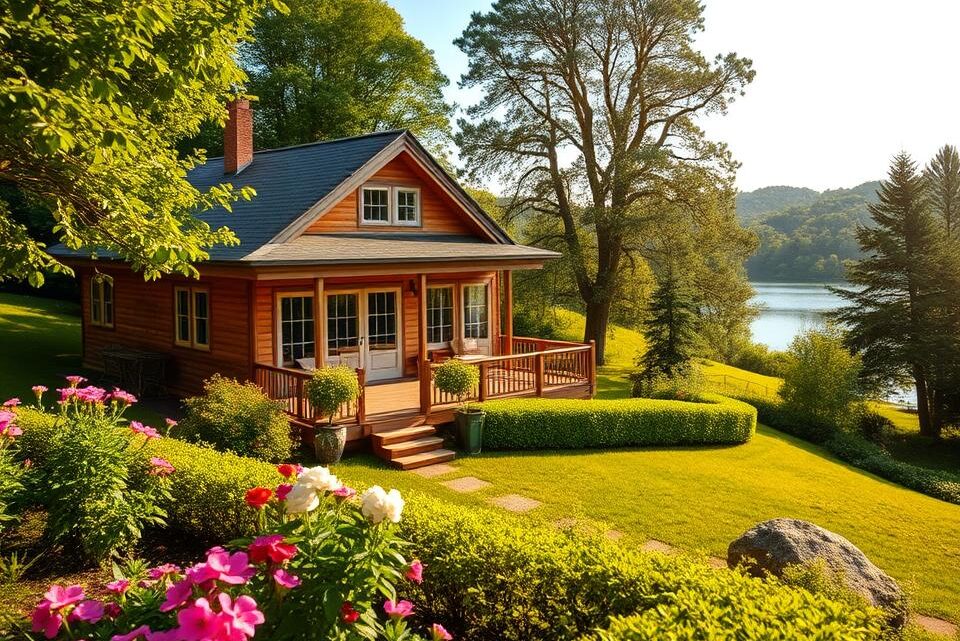
Selecting the right summer house for your garden can be an exciting experience, especially with the delightful range of options available.
However, before you can enjoy your new garden building, you need to create a safe and solid base on which it can stand.
Deciding on the right foundation is crucial for ensuring the stability and longevity of your summer house.
A proper base prevents issues such as subsidence, warping, and moisture damage, which can significantly reduce the lifespan of your garden building.
Inhaltsverzeichnis
Key Takeaways
- Selecting the right base is crucial for the stability and longevity of your summer house.
- A proper foundation prevents issues such as subsidence and moisture damage.
- Different types of bases are suitable for different garden conditions and summer house sizes.
- The right base provides structural support, proper drainage, and ventilation.
- A solid base is essential for a successful garden building project.
The Importance of a Proper Foundation for Your Summer House
A proper foundation is essential for ensuring the structural integrity of your summer house. A well-laid foundation provides the necessary support for the entire structure, ensuring it remains stable and secure.
Why a Solid Base Matters
A solid base is crucial for the longevity of your summer house. It helps to prevent issues such as subsidence, which can cause timber walls to warp, making doors and windows difficult to operate. A level foundation ensures that the building remains stable, reducing the risk of damage from uneven ground.
Common Issues with Improper Foundations
Improperly installed foundations can lead to a range of problems, including structural distortion and water pooling around the base. This can result in damp issues, timber rot, and reduced stability. The table below highlights some common issues associated with inadequate foundations.
| Issue | Cause | Effect |
|---|---|---|
| Structural Distortion | Uneven base | Gaps in walls and roofing |
| Damp Issues | Water pooling | Timber rot and reduced stability |
| Ground Movement | Improper foundation | Ongoing issues worsening over time |
As shown in the table, a proper foundation is vital to prevent these issues. Ensuring your summer house is built on a level and stable base will help to safeguard against costly repairs and maintenance in the future.
Key Factors to Consider When Choosing a Summer House Base
Choosing the right base for your summer house is a crucial decision that affects its stability and longevity. Several factors need to be considered to ensure that your summer house remains safe and secure over time.
Size and Weight of Your Summer House
The size and weight of your summer house are critical factors in determining the type of base you need. A larger and heavier structure requires a more robust foundation to support its weight.
Ground Conditions and Terrain
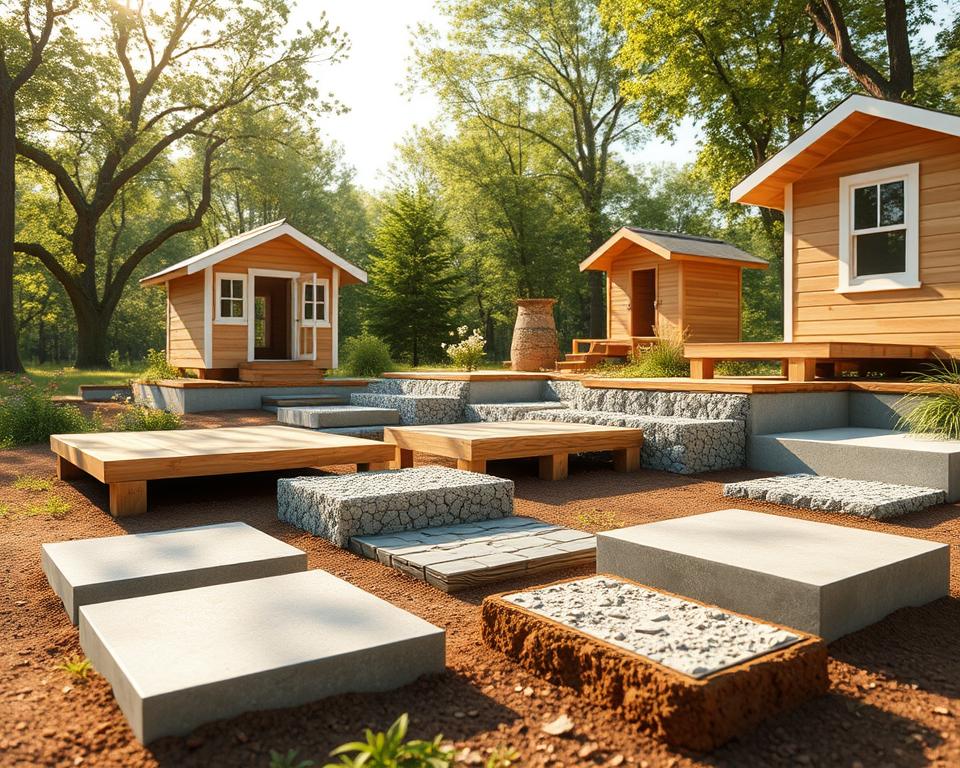
The condition and terrain of your garden also play a significant role in choosing the right base. For instance, if your garden has sloping or uneven ground, you may need to opt for a base that can be adjusted or is specifically designed for such terrain.
Budget Considerations
Budget is another crucial factor to consider when selecting a base for your summer house. Different base options come with varying costs, including material costs, labour expenses, and maintenance requirements. For example, a concrete base is a more expensive option, especially if you hire professional help. It can be considered an over-engineered solution for smaller summer houses or garden rooms, and it lacks flexibility once installed.
| Base Type | Material Cost | Labour Cost | Maintenance Cost |
|---|---|---|---|
| Concrete Base | High | High | Low |
| Paving Slab Base | Medium | Medium | Medium |
| Timber Decking Base | Medium | Low | High |
By considering these factors and understanding the costs associated with different base options, you can make an informed decision that suits your budget and meets your summer house needs.
Concrete Base: The Traditional Option
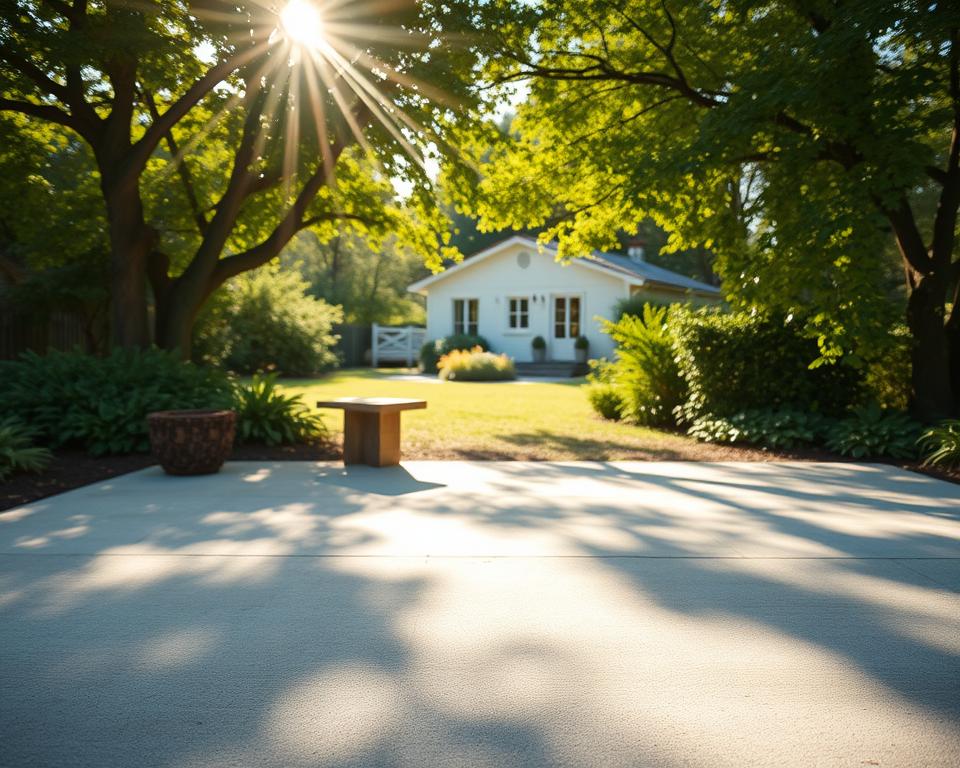
Concrete bases have been used for decades as a reliable foundation for summer houses, offering a sense of permanence. When considering a concrete base for your summer house, it’s essential to understand the installation process and the pros and cons associated with this traditional option.
Installation Process for a Concrete Foundation
The installation of a concrete base involves several key steps. Initially, the ground must be prepared by clearing the area and laying a sub-base material such as hardcore. The concrete is then poured into a prepared shuttering framework, allowed to set, and finished to a suitable standard. This process requires specialised skills and equipment, often necessitating professional installation.
Pros and Cons of Concrete Bases
As with any foundation option, concrete bases have their advantages and disadvantages.
Advantages of Concrete Foundations
One of the primary benefits of a concrete base is its durability and stability, providing a solid foundation for your summer house. Additionally, concrete bases are relatively low maintenance, as they are resistant to pests and rot.
Disadvantages of Concrete Foundations
However, there are several drawbacks to consider. The production of concrete is not environmentally friendly, as it releases significant amounts of carbon dioxide. Furthermore, concrete bases can be expensive, especially if professional installation is required. Another concern is that concrete does not allow water to drain away, potentially leading to damp issues with the timber structure of your summer house.
In conclusion, while a concrete base offers a traditional and durable solution for summer house foundations, it’s crucial to weigh the pros and cons, considering factors such as environmental impact, cost, and potential maintenance issues.
Paving Slab Base: A Versatile Alternative
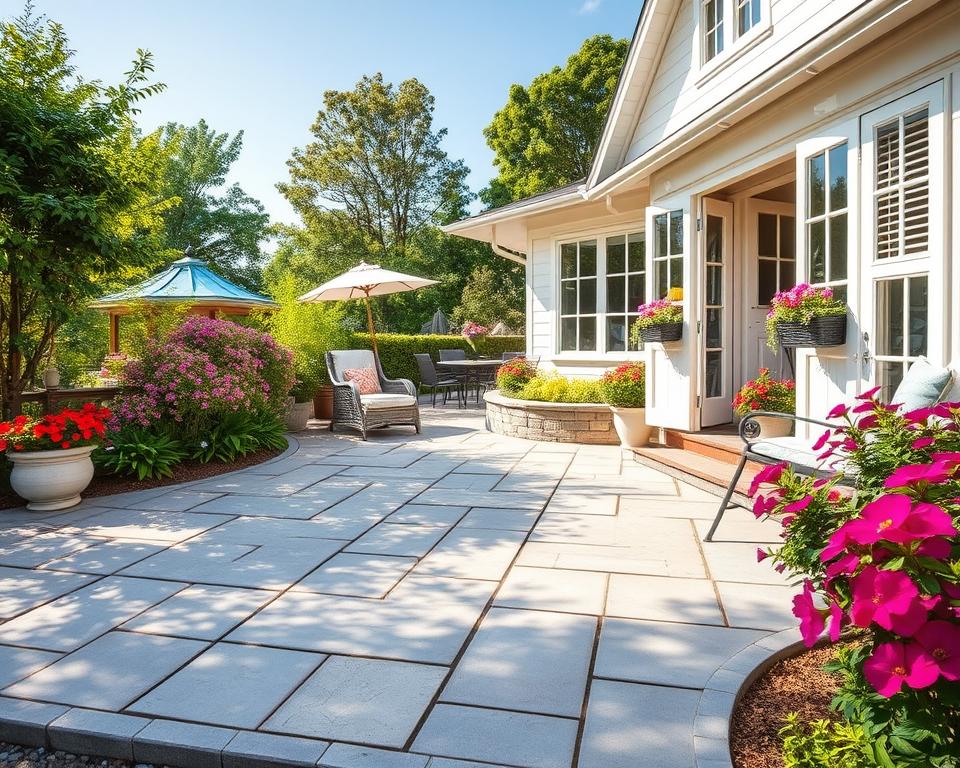
A paving slab base is not only functional but also adds to the overall visual appeal of the garden. Paving slabs are a popular choice for summer house foundations due to their ease of installation and aesthetic versatility.
Installation Process
Installing paving slabs for your summer house involves preparing the ground, laying a sand base, and then placing the slabs. This process is relatively straightforward and can be completed without specialised equipment.
Advantages and Limitations
Paving slabs offer several advantages, including cost-effectiveness and the ability to create an attractive patio area. However, they also have limitations, such as potential issues with settlement over time and the need for periodic maintenance to prevent weed growth between slabs.
To overcome these challenges, it’s essential to ensure proper drainage and regular upkeep. By doing so, you can enjoy a stable and visually appealing summer house base that enhances your garden.
Timber Decking Base: A Natural Solution
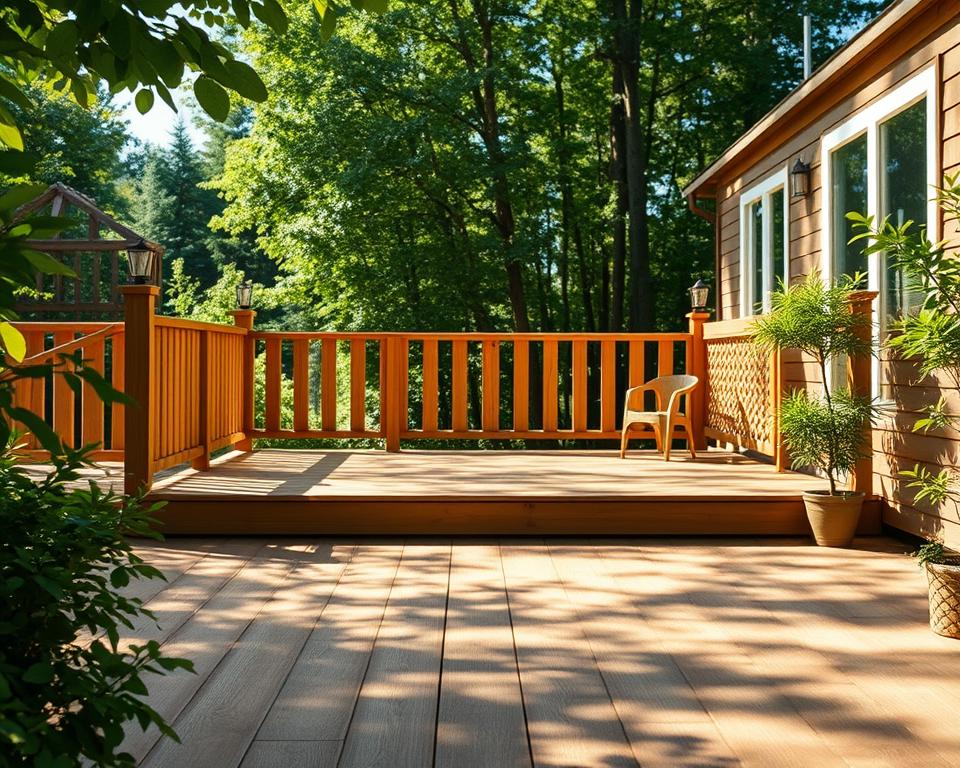
A timber decking base offers a unique blend of functionality and natural beauty for summer houses. This natural solution not only enhances the aesthetic appeal of the garden but also provides a durable foundation.
Installation Guide
The installation of timber decking involves preparing the ground, laying the decking frames, and then installing the timber boards. It is essential to ensure the decking is level and securely fixed to prevent any structural issues with the summer house.
Benefits and Drawbacks
Timber decking allows for the creation of an attractive verandah area, enhancing the usability of the summer house. The ridged decking facilitates water runoff, reducing the risk of damp problems around the building. Moreover, the space underneath the decking promotes air circulation, preventing damp from rising. However, timber decking may not be suitable for larger cabins due to cost and structural integrity concerns. Regular maintenance, including annual washing and treatment with decking oil, is necessary to prolong its lifespan.
When considering timber decking, it’s crucial to weigh its benefits against its drawbacks. While it offers a natural and attractive solution, its longevity and maintenance requirements are key factors in determining its suitability for your summer house.
Composite Decking Base: Modern and Durable
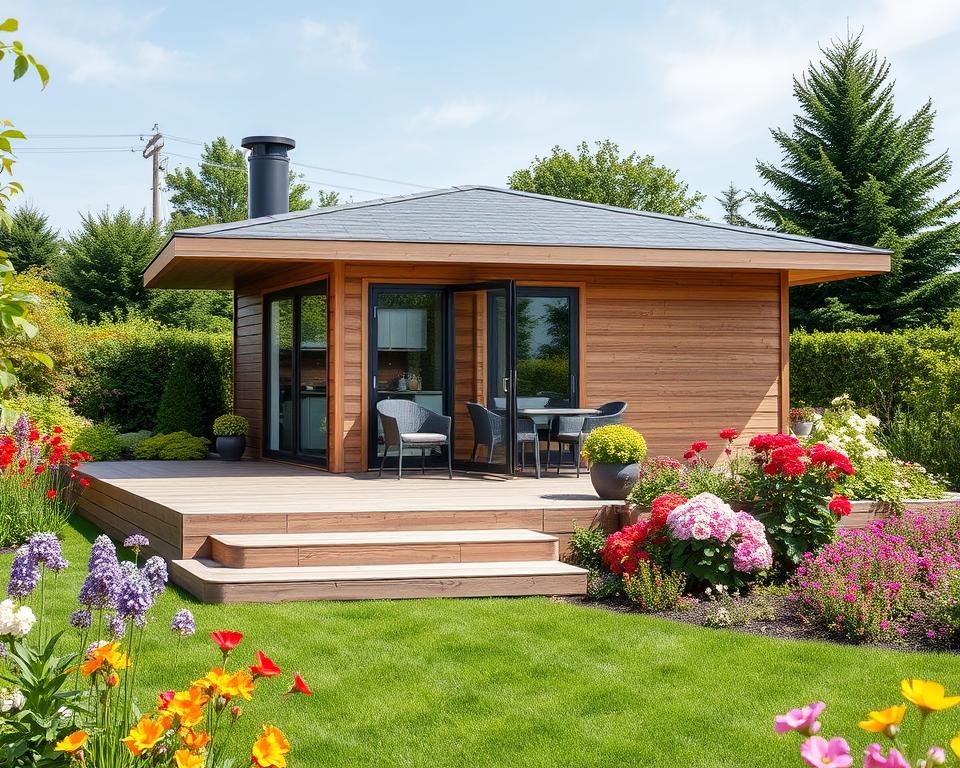
Composite decking offers a contemporary alternative to traditional materials for summer house bases, boasting both style and resilience. Made from a combination of recycled plastic and wood fibres, composite decking is an environmentally friendly option that provides a durable foundation for your summer house.
Installing Composite Decking for Your Summer House
The installation process for composite decking involves preparing the ground, laying the decking frames, and then installing the composite boards. It is essential to follow the manufacturer’s instructions for spacing and fixing to ensure a stable and long-lasting base.
Pros and Cons of Composite Decking Bases
Advantages: Composite decking requires less maintenance than traditional timber, is more durable, and has a longer lifespan (around 25-30 years). It is also available in a wide range of colours, allowing homeowners to choose a tone that complements their summer house and garden planting.
Limitations: While composite decking is durable, it can become slippery when wet, similar to timber. Additionally, it is generally more expensive than timber, and some homeowners may find that it lacks the natural appearance of traditional decking materials.
In conclusion, composite decking is a viable option for those seeking a modern and durable base for their summer house. By weighing the pros and cons, homeowners can make an informed decision that suits their needs and enhances their garden space.
Ground Screw Base: An Innovative Foundation Solution
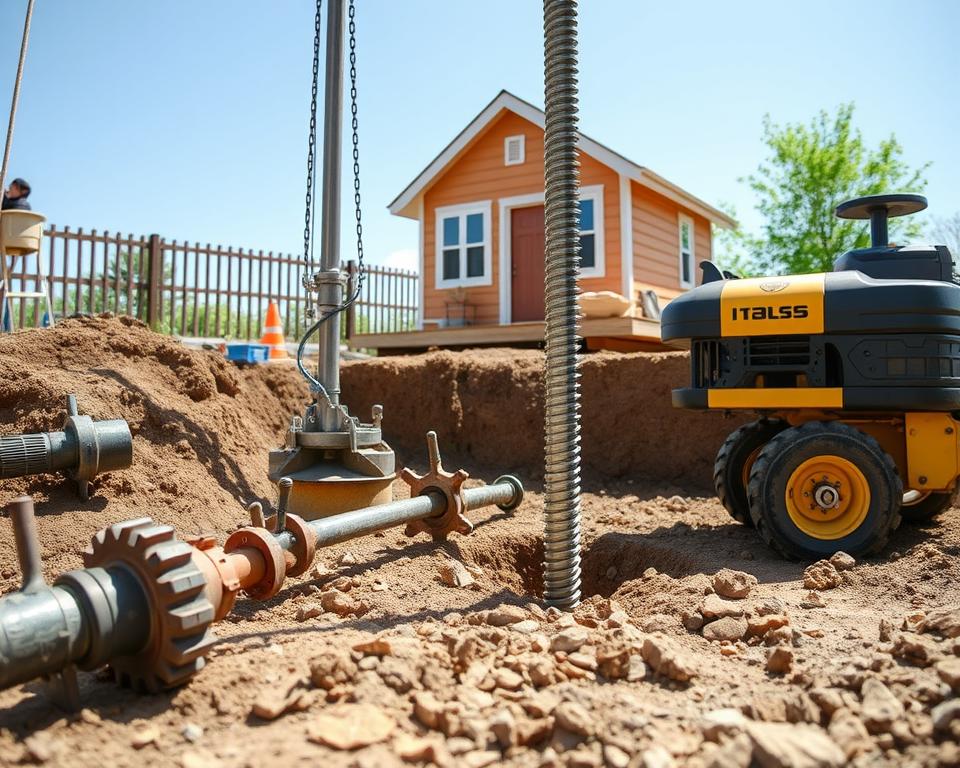
Ground screws are revolutionising the way summer houses are installed, providing a foundation solution that is both sustainable and efficient. This innovative approach eliminates the need for extensive ground excavation, making it an attractive option for environmentally conscious homeowners.
The Ground Screw Installation Process
The installation of ground screws is a straightforward process that can be completed within a single day, without the need for heavy machinery on site. This not only reduces the disturbance to the surrounding area but also allows for the immediate placement of the summer house onto the foundation. The ground screw and timber joist base system is designed to be adaptable, accommodating both level ground and sloping sites.
Benefits and Limitations of Ground Screws
The benefits of using ground screws include their minimal environmental impact, ease of installation, and flexibility. They enable airflow around the timber base, reducing the risk of moisture accumulation and decay. However, it’s essential to consider the potential limitations, such as suitability for certain soil types and the upfront costs. Ground screws may not be the ideal solution for very large or unusually heavy summer house structures.
A comprehensive assessment of the site conditions and the specific requirements of the summer house is crucial in determining the suitability of ground screws as a foundation solution.
How to Choose the Best Summer House Base for Your Specific Needs
Selecting the ideal summer house base is crucial for ensuring the longevity and stability of your garden structure. The right foundation not only enhances the aesthetic appeal of your summer house but also ensures its durability and functionality.
Best Options for Small Summer Houses
For smaller summer houses, a paving slab base or a timber decking base can be an ideal choice. These options are not only cost-effective but also relatively easy to install, making them suitable for smaller garden structures.
Recommended Foundations for Large Garden Rooms
Large garden rooms require more substantial foundations to ensure stability. A concrete base is often recommended for larger structures due to its strength and durability. Alternatively, a ground screw base can provide a stable and adjustable foundation.
Solutions for Sloping or Uneven Ground
For sites with sloping or uneven ground, a ground screw and timber joist base system offers a flexible and environmentally friendly solution. This system allows for adjustments to be made to accommodate the slope, ensuring a level platform without extensive groundworks.
| Base Type | Suitable for | Key Benefits |
|---|---|---|
| Paving Slab Base | Small Summer Houses | Cost-effective, Easy to Install |
| Concrete Base | Large Garden Rooms | Strong, Durable |
| Ground Screw Base | Sloping or Uneven Ground | Adjustable, Environmentally Friendly |
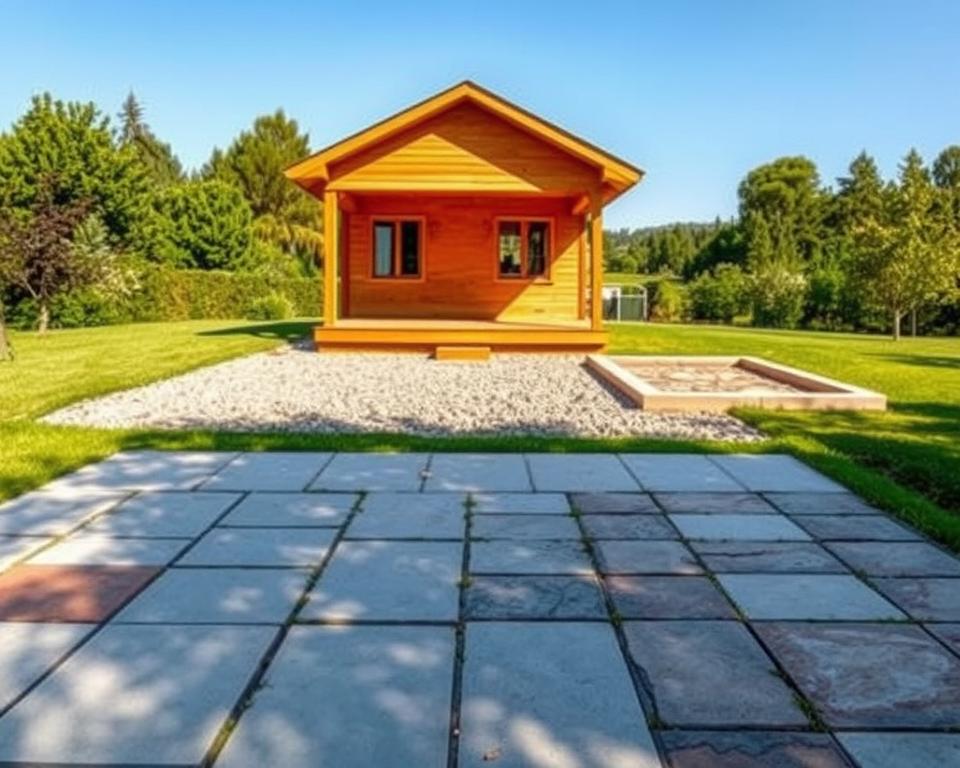
Preparing Your Site: Essential Steps Before Installation
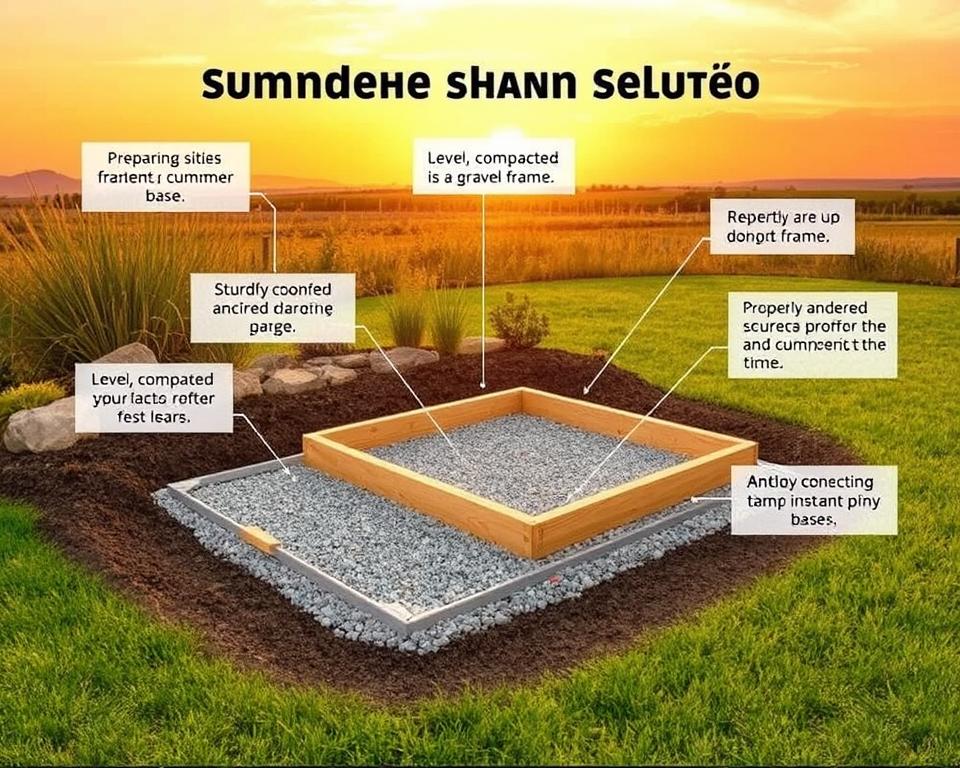
Proper site preparation is essential for a successful summer house installation. This step is crucial as it ensures the base is level, stable, and suitable for the chosen foundation type.
Ground Preparation Checklist
Before laying the foundation, the ground must be properly prepared. This involves:
- Clearing the area of debris and vegetation
- Checking for underground utilities
- Leveling the ground to ensure it’s even
- Compacting the soil to prevent settling
Following this checklist will help create a solid base for your summer house.
Tools and Materials You’ll Need
The tools and materials required may vary depending on the foundation type. For a concrete base, you’ll need a wheelbarrow, shovel, cement mixer, and a straight edge. For timber or composite decking, you’ll need a drill, screwdriver, and appropriate fasteners. It’s also advisable to have an extra pair of hands to assist with the installation.
Having the right tools and materials on hand will streamline the installation process and ensure a professional finish.
Conclusion: Making the Right Foundation Choice for Long-Term Stability
The right foundation can make all the difference in the longevity and enjoyment of your garden summer house. As we’ve explored, various base options are available, each with its strengths and ideal applications. For a permanent and durable solution, consider a concrete or paving slab base. If you prefer to invest in a high-quality summer house, a timber or composite decking base could be suitable. For those who may move or want to minimize environmental impact, a Ground Screw base is a viable option.
When choosing a foundation, consider your site conditions, building requirements, and future plans. Investing in a proper foundation ensures the stability and longevity of your summer house, potentially saving you significant costs in the long term. For larger structures or challenging sites, seek professional advice to make an informed decision.
FAQ
What type of base is best suited for a summer house on uneven ground?
For a summer house on uneven ground, a ground screw base or timber decking base can be a suitable option as they can be adjusted to accommodate the slope, providing a level surface.
How long does it take to install a concrete base for a summer house?
The installation time for a concrete base can vary depending on the size of the summer house and the complexity of the site preparation, but it typically takes several days to a week to complete.
Can I install a summer house on paving slabs?
Yes, paving slabs can be used as a base for a summer house, provided they are laid on a level and stable surface, and the summer house is not too heavy.
What are the benefits of using a timber decking base for a summer house?
A timber decking base provides a natural and attractive solution, allowing for good drainage and flexibility on uneven ground, while also adding to the aesthetic appeal of the garden.
Are ground screws a viable option for large garden rooms?
Yes, ground screws can be a viable option for large garden rooms as they provide a stable and secure foundation, and can be used on a variety of soil types, including soft or unstable ground.
What are the key considerations when choosing a base for a summer house?
When choosing a base, consider the size and weight of the summer house, ground conditions, and budget, as well as the desired level of maintenance and durability.
Can I use composite decking as a base for my summer house?
Yes, composite decking can be used as a base, offering a durable and low-maintenance solution, but it may require additional support and careful installation to ensure stability.