
How to Heat Your Shed, Log Cabin or Summerhouse
Garden buildings have become essential spaces for relaxation, work, and leisure in the United Kingdom. Maintaining comfortable outdoor structure warmth can transform these spaces from cold, unused areas into cosy retreats during chilly British seasons.
Many homeowners invest in sheds, log cabins, and summerhouses without considering the critical aspect of garden building heating. Proper warmth ensures these versatile spaces remain functional throughout the year, providing a comfortable environment for hobbies, home offices, or peaceful retreats.
Understanding the unique heating challenges of outdoor structures is crucial. Factors like insulation, building size, and local climate play significant roles in creating an effective heating strategy for your garden building.
Inhaltsverzeichnis
Key Takeaways
- Outdoor structures require specialised heating solutions
- Proper insulation is crucial for maintaining warmth
- Different heating options suit various garden building types
- Climate considerations impact heating effectiveness
- Energy efficiency should guide heating choices
Understanding Your Outdoor Structure’s Heating Needs
Creating a comfortable outdoor space requires careful planning and a strategic approach to heating. A comprehensive heat loss assessment is crucial for maintaining warmth in your shed, log cabin, or summerhouse during the unpredictable UK climate.
Effective insulation evaluation begins with understanding your specific structure’s unique characteristics. Different factors influence heat retention and energy efficiency:
- Building materials
- Construction quality
- Current insulation levels
- Structural age
Assessing Building Size and Thermal Properties
The size of your outdoor structure directly impacts heating requirements. Smaller spaces heat more quickly, while larger areas demand more sophisticated heating strategies. Precise measurements help determine the appropriate heating solution.
“Knowing your space is the first step to efficient heating” – UK Energy Efficiency Experts
Calculating Heat Requirements
Calculating heat requirements involves multiple UK climate factors. Professional assessments consider:
- Square meterage of the structure
- Existing insulation quality
- Regional temperature variations
- Typical usage patterns
Climate Considerations in the UK
The British climate presents unique challenges for outdoor structure heating. High humidity, frequent temperature fluctuations, and coastal winds significantly impact heat retention. Proper insulation becomes paramount in managing these environmental variables.
Professional heat loss assessments can help you develop a targeted heating strategy tailored to your specific outdoor structure and local climate conditions.
Essential Preparation Before Installing Heating
Preparing your outdoor structure for heating requires careful planning and attention to detail. The pre-heating installation steps are crucial for creating a safe and efficient heating environment. Proper outdoor structure preparation can significantly improve your heating system’s performance and longevity.

Before installing any heating solution, you’ll need to complete several critical preparatory tasks:
- Inspect the structural integrity of your shed, log cabin, or summerhouse
- Check for any potential moisture or dampness issues
- Evaluate the current insulation levels
- Measure the precise interior dimensions
Structural assessment is paramount. Look for:
- Cracks in walls or foundations
- Signs of wood rot or decay
- Potential ventilation gaps
- Electrical or plumbing considerations
“Proper preparation prevents poor performance” – A golden rule for outdoor structure heating projects.
Ventilation plays a critical role in your heating strategy. Inadequate airflow can lead to moisture buildup, potentially damaging your structure and heating equipment.
| Preparation Area | Key Considerations | Recommended Action |
|---|---|---|
| Structural Integrity | Wall and floor condition | Repair any damages before installation |
| Insulation | Current thermal efficiency | Assess and upgrade if necessary |
| Ventilation | Airflow and moisture control | Ensure proper air circulation |
Remember, thorough preparation is the foundation of a successful heating installation in your outdoor structure.
Different Types of Heating Solutions Available
Selecting the right outdoor heating options for your garden building requires careful consideration. Garden building heaters come in various types, each with unique advantages to suit different needs and preferences.
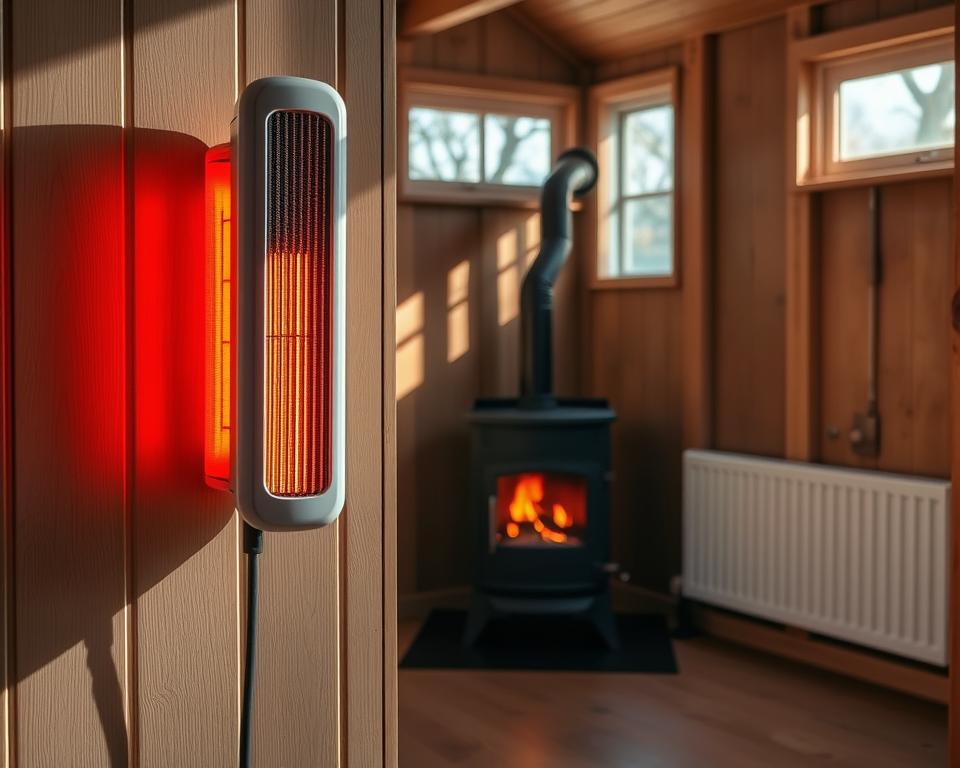
When exploring outdoor heating options, homeowners have several effective choices to keep their garden structures warm and comfortable during cooler months.
Electric Heaters
Electric heaters provide a convenient and clean heating solution for garden buildings. These versatile garden building heaters offer:
- Easy installation
- Low maintenance requirements
- Precise temperature control
- No direct emissions
Gas Heaters
Gas heaters present another robust option for outdoor heating solutions. They deliver powerful warmth with some distinct characteristics:
- High heat output
- Cost-effective fuel consumption
- Suitable for larger garden structures
- Portable models available
Wood Burning Stoves
For those seeking a traditional approach to garden building heaters, wood burning stoves offer a charming and rustic heating method. They create a cosy atmosphere while providing substantial warmth.
Infrared Heating Options
Infrared heaters represent a modern approach to outdoor heating options. These innovative devices use electromagnetic radiation to directly warm objects and people, making them an energy-efficient choice for garden buildings.
Each heating solution brings unique benefits, allowing you to select the most appropriate option for your specific garden structure and personal preferences.
How to Heat Your Shed, Log Cabin or Summerhouse Efficiently

Creating an energy-efficient outdoor heating strategy can transform your shed, log cabin, or summerhouse into a comfortable retreat while keeping energy costs down. Effective heat conservation tips are crucial for maintaining warmth without breaking the bank.
Strategic heater placement plays a critical role in energy-efficient outdoor heating. Consider these key approaches:
- Position heaters near walls to reflect heat back into the space
- Use reflective foil panels behind heating units to maximise heat distribution
- Install draft excluders around doors and windows
Zoning your outdoor structure can significantly improve heat retention. Divide the space into smaller areas that can be heated independently, allowing you to warm only the sections you’re actively using. This approach reduces unnecessary energy consumption and helps manage heating costs more effectively.
Investing in smart heating controls can dramatically enhance your energy efficiency. Modern thermostats with zone control and programmable settings enable precise temperature management, ensuring you’re not wasting energy when the space is unoccupied.
Consider supplementary heat conservation tips like:
- Using thermal curtains or insulated blinds
- Applying weatherstripping to seal small gaps
- Placing rugs on bare floors to reduce heat loss
Smart heating isn’t just about saving money—it’s about creating a sustainable, comfortable environment in your outdoor space.
Installing Proper Insulation for Maximum Heat Retention
Creating an effective outdoor structure requires strategic insulation to maximise heat retention. Proper outdoor structure insulation is crucial for maintaining a comfortable environment and reducing energy consumption in your shed, log cabin, or summerhouse.

Effective heat retention techniques involve a comprehensive approach to sealing and protecting your outdoor space from heat loss. Understanding the key areas of insulation can significantly improve your structure’s thermal efficiency.
Wall Insulation Methods
Wall insulation plays a critical role in preventing heat escape. Consider these primary approaches:
- Fibreglass batts for traditional wall cavities
- Spray foam insulation for comprehensive coverage
- Rigid foam boards for enhanced thermal resistance
Floor and Ceiling Insulation
Thermal protection extends beyond walls. Comprehensive heat retention techniques include addressing floor and ceiling spaces:
- Install rigid insulation boards underneath flooring
- Use mineral wool for ceiling spaces
- Create a vapour barrier to prevent moisture penetration
Door and Window Sealing
Critical points of heat loss often occur around doors and windows. Implement these sealing strategies:
| Sealing Method | Effectiveness Rating |
|---|---|
| Weatherstripping | High |
| Double-glazed windows | Very High |
| Draught excluders | Medium |
Pro tip: Regularly inspect and replace sealing materials to maintain optimal thermal performance in your outdoor structure.
Electric Heating Solutions and Installation Guide
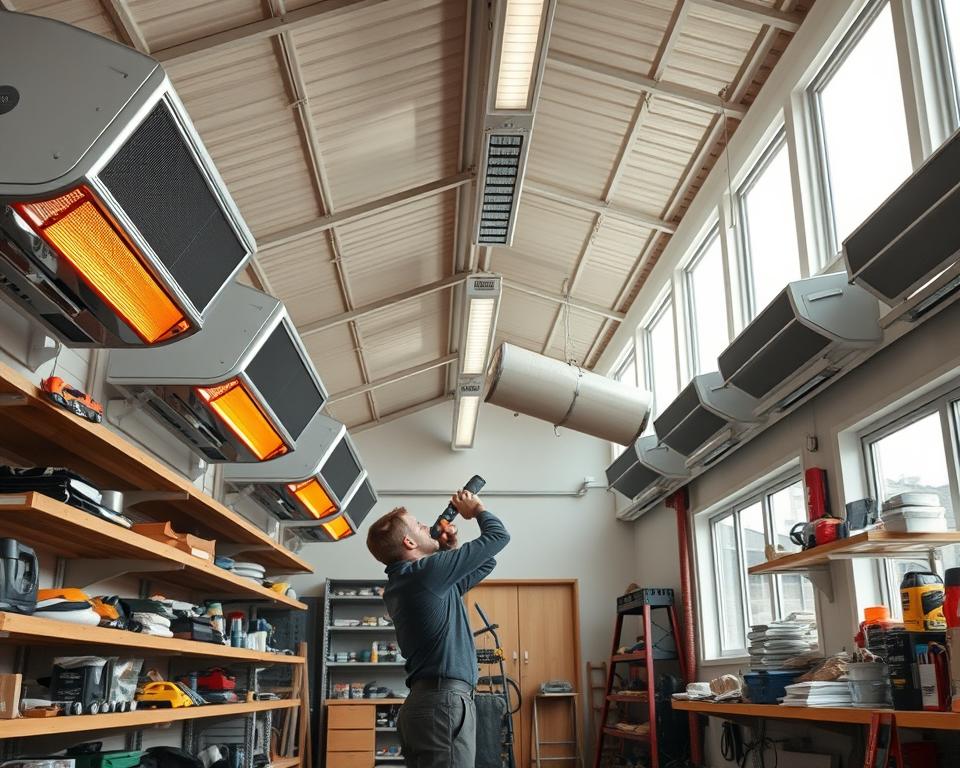
Electric heaters for sheds offer a reliable and efficient heating solution for outdoor structures. When considering outdoor electric heating installation, homeowners must carefully evaluate their specific needs and the unique characteristics of their shed or log cabin.
Selecting the right electric heater involves several critical factors:
- Power output matching shed dimensions
- Weatherproof design for external use
- Energy efficiency ratings
- Safety features
The installation process requires meticulous planning. Professional electrical expertise is recommended to ensure safe and compliant setup. Key considerations include:
- Assessing electrical circuit capacity
- Selecting appropriate cable ratings
- Installing dedicated circuit breakers
- Implementing proper earthing mechanisms
“Proper installation is crucial for both performance and safety in outdoor electric heating systems.” – UK Electrical Safety Standards
Modern electric heaters for sheds range from compact wall-mounted units to robust free-standing models. Infrared panel heaters and ceramic space heaters represent popular choices for outdoor electric heating installation, offering targeted warmth with minimal energy consumption.
When planning your outdoor electric heating, prioritise models with adjustable thermostats and energy-saving features to maximise efficiency and minimise running costs.
Gas Heating Options and Safety Considerations
Gas heaters for garden buildings offer an efficient heating solution for outdoor structures like sheds, log cabins, and summerhouses. Understanding the nuanced approach to outdoor gas heating safety is crucial for creating a warm and secure environment.
Selecting the right gas heating option requires careful consideration of several key factors. Homeowners must evaluate their specific needs while prioritising safety and performance.
Portable Gas Heaters
Portable gas heaters provide flexible heating solutions for garden buildings. These units offer several advantages:
- Easy mobility and repositioning
- Quick heat generation
- Ideal for smaller spaces
- Cost-effective initial investment
Fixed Gas Installation Requirements
Permanent gas heating installations demand meticulous planning and professional expertise. Outdoor gas heating safety becomes paramount when considering fixed systems.
| Requirement | Specification |
|---|---|
| Ventilation | Minimum 50% open wall space |
| Gas Line Connection | Certified professional installation |
| Safety Certification | Annual professional inspection |
Safety Measures and Ventilation
Implementing robust safety protocols is essential when using gas heaters for garden buildings. Proper ventilation prevents dangerous gas accumulation and ensures optimal heating performance.
- Install carbon monoxide detectors
- Maintain clear surrounding areas
- Check gas connections regularly
- Ensure adequate air circulation
Always prioritise professional guidance and manufacturer recommendations when installing and operating gas heating systems in outdoor structures.
Wood Burning Stoves and Installation Requirements
Wood stoves for log cabins offer a charming and efficient heating solution for outdoor structures. These traditional heating options bring warmth and rustic appeal to small spaces, making them perfect for garden retreats and compact living areas.
When considering an outdoor wood burning heater installation, several key factors must be evaluated:
- Stove size and heat output
- Ventilation requirements
- Clearance from combustible materials
- Chimney and flue specifications
Selecting the right wood stove involves understanding your specific heating needs. Size matters – a stove too small won’t adequately heat your space, while an oversized model can lead to inefficient burning and unnecessary fuel consumption.
Professional installation is crucial for wood stoves in log cabins. Key considerations include:
- Proper floor protection
- Adequate ventilation
- Safe distance from walls
- Compliant chimney installation
“A well-installed wood stove can provide years of reliable heating and create a cosy atmosphere in your outdoor space.”
Safety should always be your primary concern during outdoor wood burning heater installation. Ensure you comply with local building regulations and seek professional guidance to guarantee a safe and efficient heating solution for your log cabin.
Smart Heating Controls and Thermostats
Modern garden buildings and outdoor structures are becoming increasingly sophisticated with smart heating control technologies. WiFi thermostats for garden buildings have revolutionised how we manage temperature in sheds, log cabins, and summerhouses.
Smart outdoor heating control offers unprecedented convenience and energy efficiency for homeowners. These intelligent systems allow you to manage your outdoor space’s temperature remotely, ensuring comfort and reducing unnecessary energy consumption.
WiFi-Enabled Systems
WiFi thermostats for garden buildings provide seamless temperature management through smartphone applications. Key features include:
- Remote temperature adjustment
- Real-time energy consumption tracking
- Compatibility with multiple devices
- Advanced scheduling capabilities
Timer Controls
Programmable timer controls enable precise heating management. Users can:
- Set specific heating schedules
- Create custom temperature profiles
- Implement energy-saving modes
Temperature Monitoring
| Feature | Benefits |
|---|---|
| Real-time tracking | Monitor temperatures instantly |
| Historical data logging | Analyse heating patterns |
| Alert notifications | Receive temperature change warnings |
Smart heating controls transform outdoor spaces into responsive, energy-efficient environments.
Maintenance and Energy Efficiency Tips
Keeping your outdoor heating system in top condition requires regular attention and strategic energy-saving heating practices. Proper maintenance not only extends the life of your heater but also ensures optimal performance and reduces unnecessary energy consumption.
Key outdoor heater maintenance tasks include:
- Regular cleaning of heating surfaces and vents
- Checking electrical connections and gas fittings
- Inspecting seals and insulation around the heating unit
- Replacing filters and worn components promptly
Energy-saving heating practices can significantly reduce your running costs. Consider these practical strategies:
- Install programmable thermostats to control temperature precisely
- Use draft excluders to prevent heat loss
- Apply reflective panels behind heaters to maximise heat distribution
- Conduct annual professional servicing
Proactive maintenance can reduce energy consumption by up to 20% and prevent costly repairs. By implementing these simple techniques, you’ll create a more efficient and comfortable outdoor heating environment while keeping expenses in check.
Cost Comparison of Different Heating Methods
Understanding the financial implications of garden building heating expenses is crucial for making an informed decision. The outdoor heating cost analysis reveals significant variations across different heating solutions for sheds, log cabins, and summerhouses.
Let’s break down the primary heating options and their associated costs:
- Electric heaters: Low initial investment
- Gas heaters: Medium installation costs
- Wood burning stoves: Higher upfront expenses
- Infrared heating: Modern and energy-efficient
| Heating Method | Initial Cost | Annual Running Cost | Energy Efficiency |
|---|---|---|---|
| Electric Heaters | £50-£200 | £300-£500 | Medium |
| Gas Heaters | £150-£500 | £250-£450 | High |
| Wood Burning Stoves | £500-£2,000 | £200-£350 | Very High |
| Infrared Heating | £200-£600 | £250-£400 | High |
Your choice depends on several factors: building size, insulation quality, and local climate conditions. Careful consideration of these aspects can significantly reduce garden building heating expenses.
Remember that initial costs are just one part of the equation. Long-term energy efficiency and maintenance requirements play crucial roles in determining the most cost-effective solution for your outdoor structure.
Conclusion
Creating the perfect heating strategy for your garden building requires careful planning and thoughtful selection of outdoor structure heating solutions. Whether you have a cosy shed, rustic log cabin, or charming summerhouse, understanding your specific warmth requirements is crucial for transforming these spaces into comfortable retreats.
Garden building warmth tips go beyond simply selecting a heater. They encompass comprehensive approaches including proper insulation, strategic heating choices, and smart control systems. By evaluating your specific needs, considering safety protocols, and investing in energy-efficient technologies, you can develop a robust heating plan that maximises comfort while minimising energy consumption.
The key to success lies in balancing practicality with personal preference. Each outdoor structure is unique, and your heating solution should reflect that individuality. From electric and gas options to wood-burning stoves, the market offers diverse solutions to suit different budgets, spaces, and aesthetic preferences.
Armed with the insights from this guide, you are now prepared to create a warm, inviting outdoor space that can be enjoyed throughout the year. Remember to prioritise safety, efficiency, and your specific requirements when implementing your chosen heating strategy.
FAQ
What is the most energy-efficient way to heat my shed or log cabin?
The most energy-efficient heating method depends on your specific structure, but infrared heaters and well-insulated electric panel heaters typically offer the best balance of efficiency and cost-effectiveness. Combining proper insulation with a smart thermostat can significantly reduce energy consumption.
How much does it cost to heat a typical garden shed or log cabin?
Heating costs vary depending on the size of your structure, insulation quality, and chosen heating method. On average, you might expect to spend between £50-£200 per month during colder months. Electric heaters typically cost less to install but can be more expensive to run compared to gas or wood-burning alternatives.
Do I need planning permission to install a heating system in my shed?
For most garden structures under 2.5 metres in height, you won’t need planning permission. However, if you’re installing a wood-burning stove or making significant electrical modifications, it’s advisable to check with your local council and consult a qualified electrician or heating professional.
What are the best insulation methods for outdoor structures?
The most effective insulation methods include spray foam insulation, rigid foam boards, and fibreglass batts. Pay special attention to walls, floors, and roof spaces. Weatherstripping around doors and windows can also dramatically improve heat retention and reduce energy costs.
Are gas heaters safe to use in wooden structures?
Gas heaters can be used safely in wooden structures if proper precautions are taken. Ensure adequate ventilation, use carbon monoxide detectors, and have the installation completed by a qualified professional. Portable gas heaters with tip-over protection are typically the safest option for smaller structures.
How can I prevent dampness when heating my shed or log cabin?
Prevent dampness by ensuring proper ventilation and using a dehumidifier alongside your heating system. Maintain consistent temperatures, seal any gaps or cracks, and consider using a moisture-resistant paint or sealant on interior walls. Good air circulation is key to preventing mould and moisture buildup.
Can I use an electric heater in a damp environment?
Only use IP-rated electrical heaters designed for damp environments. Look for heaters with IP24 rating or higher, which provide protection against water splashes. Always ensure the electrical system is properly protected and use a residual current device (RCD) for additional safety.
What is the most cost-effective heating solution for a small summerhouse?
For small structures, infrared panel heaters or oil-filled electric radiators often provide the most cost-effective solution. These options offer efficient heating, low installation costs, and can be easily controlled with smart thermostats to minimise energy consumption.

