Garden Shed Roof Styles: Mono-Pitched, Gable, Flat

Garden shed roof styles shape the look, function and longevity of small outdoor buildings across the UK. This introduction outlines the three common types you’ll meet: the mono-pitched roof (also called a single-slope or shed roof), the gable roof (a dual-pitched, traditional style) and the flat roof (in practice usually a low-pitched option to aid drainage). The aim is to help homeowners, gardeners and DIYers choose the right roof for appearance, cost, usable internal volume and local weather.
To make sensible comparisons we need a few clear definitions. Pitch or slope describes the angle of the roof; the ridge is the highest line where two slopes meet; eaves are the lower edges; verges finish the gable ends; span is the distance between supporting walls. Roofing membrane types vary from traditional felt to modern EPDM, and usable internal volume relates to potential loft or storage space beneath the roof.
The UK context matters. Gardens are often compact, weather is changeable with wind and heavy rain, and many homeowners must consider matching a shed to a period property or following local planning rules. This article will compare styles, review materials and insulation, cover costs and planning, and give practical guidance on DIY versus professional installation and ongoing maintenance.
Inhaltsverzeichnis
Key Takeaways
- Mono-pitched, gable and flat roofs are the main garden shed roof styles to consider.
- Understand pitch, ridge, eaves and verge to compare designs and internal volume.
- Shed roofing UK choices depend on garden size, local climate and property style.
- Flat roofs are usually low-pitched in practice to ensure adequate drainage.
- Consider materials, insulation and ventilation early when planning a new roof.
Mono-pitched roof, gable roof, flat roof – Garden sheds and their roof designs
The three main options for small garden buildings are straightforward. A mono-pitched roof has a single slope and suits modern studios or lean-tos. A gable roof features two slopes meeting at a ridge and gives a classic appearance with potential loft space. A flat roof has minimal pitch and works well in tight or contemporary gardens.
Types of shed roofs differ in how they manage water, wind and internal space. Mono-pitched roofs shed rain quickly on one side, gable roofs offer more headroom and ventilation, and flat roofs keep a low profile that blends into compact plots.
Choosing the right roof matters for more than looks. Drainage performance affects longevity and maintenance. Internal headroom determines usable storage or a workshop loft. Wind resistance, construction complexity and the ability to take solar panels or a sedum roof all affect the practical outcome of your roof choice garden shed.
UK climate impact on roofs is an important part of the decision. Much of the UK sees prevailing south-west winds, so consider windward exposure when siting a shed. Heavy rain in western regions increases the need for effective drainage. In upland Scotland or the Pennines, snow loads can influence pitch and structure.
Local context can change the equation. Urban conservation areas may favour the traditional look of a gable roof to match period properties. Sheltered courtyards tolerate lower pitches; exposed coastal gardens benefit from robust fixings and steeper slopes to resist gusts. A careful shed roof comparison will balance aesthetic goals with these site-specific risks.
Understanding mono-pitched roofs for garden sheds
A mono-pitched shed uses a single continuous plane that rises from one eave to the opposite. The simple geometry creates a clean silhouette that suits compact gardens and contemporary builds. Typical pitches range from 5° to 30°, chosen to match roofing material, headroom needs and rain runoff requirements.
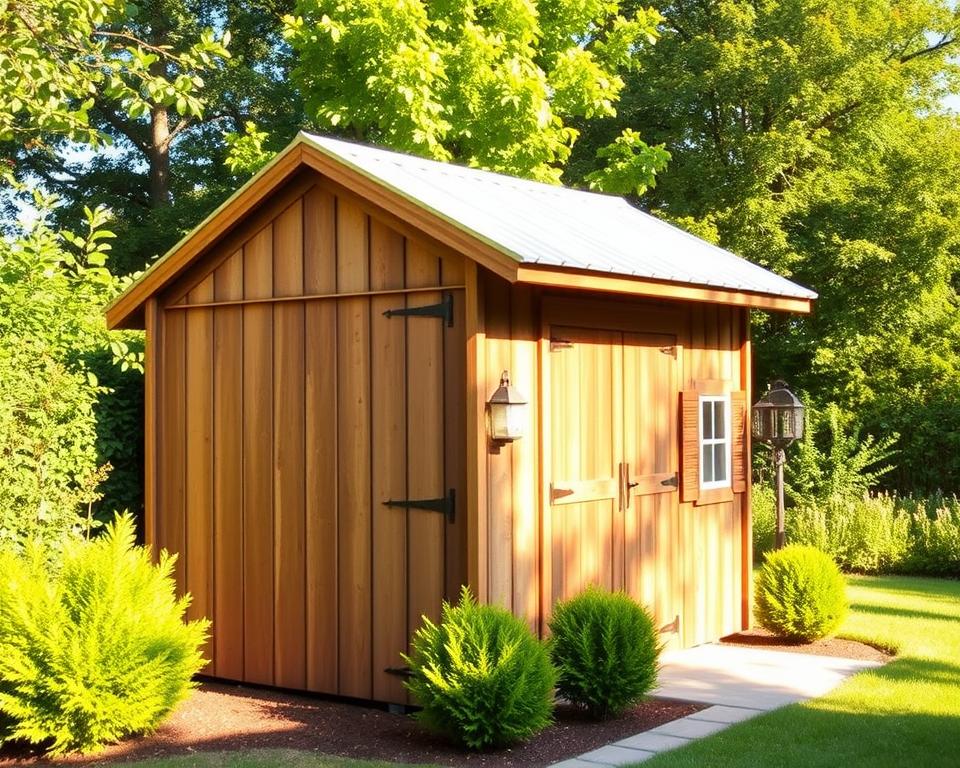
Building a shed with single slope roof is common as a lean-to against a boundary wall or as a standalone unit with the higher eave at the rear. The single slope allows rooflights and higher glazing on the tall side, bringing daylight into workspaces, studios and home offices.
Design characteristics
The structure needs one high eave and one low eave, simple rafter layout and consistent fall. Drainage follows the lower edge, so gutter and downpipe placement is critical. Materials chosen for the pitch influence the exact angle and detailing.
Advantages
A mono-pitched roof advantages include excellent water runoff when the pitch is correct and a modern look that complements extensions and garden studios. Fewer rafters reduce timber and labour, cutting build costs. The higher slope makes fitting solar PV straightforward and offers space for continuous rooflights on the tall side.
Potential drawbacks and mitigations
Wind uplift can be higher on the exposed high side, so careful fixings, bracing and anchor points are necessary. A shed with single slope roof offers less loft storage than a gable design, which may limit attic use. Ensure drainage discharges away from low boundaries to avoid splashback; upsizing gutters or adding a soakaway helps in confined plots. In exposed UK locations, a steeper pitch or extra ties improves resistance to strong winds.
| Feature | Mono-pitched shed | Practical tip |
|---|---|---|
| Roof form | Single continuous slope | Choose pitch by material and headroom needs |
| Drainage | Concentrated to low eave | Fit correctly sized gutter and downpipe |
| Construction | Simple rafters, lower timber use | Saves labour and cost |
| Daylight | Good provision for rooflights on high side | Place glazing along taller eave for even light |
| Wind behaviour | Higher uplift risk on exposed high side | Use robust fixings and extra bracing |
| Storage | Limited loft space versus gable | Plan internal shelving or external sheds for overflow |
| Suitability in the UK | Popular as a modern shed roof UK option | Consider local exposure and rainfall when selecting pitch |
Gable roofs: traditional look and practical benefits
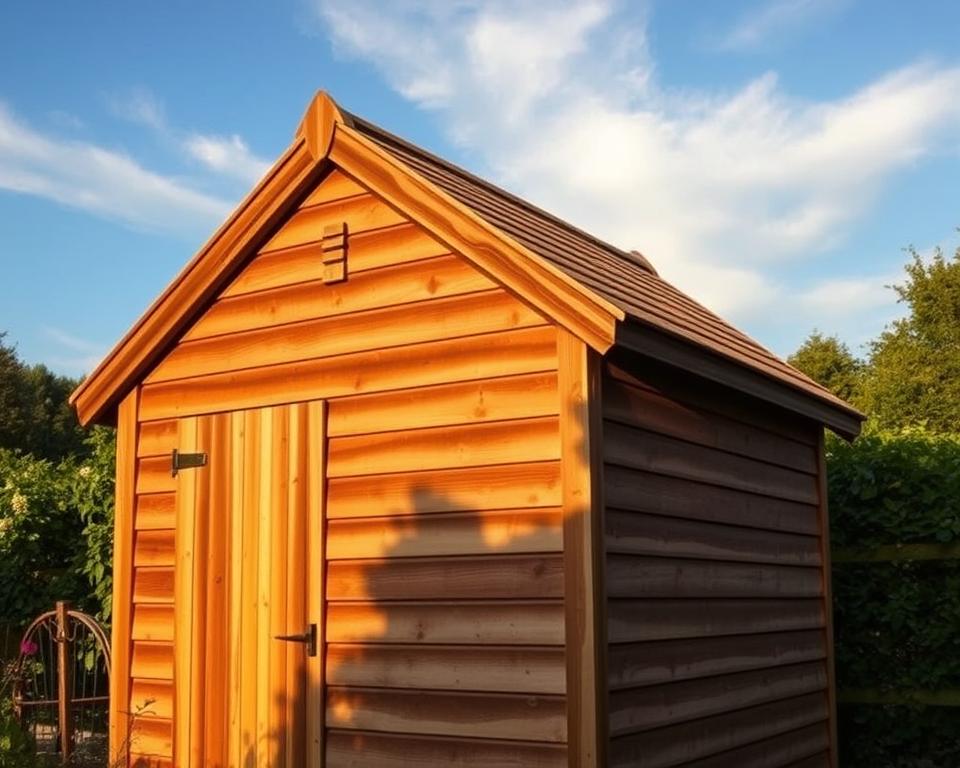
The gable roof remains a popular choice for garden buildings across the UK. Two symmetrical slopes meet at a central ridge, creating the familiar triangular gable ends that suit period properties and stand-alone sheds. Typical pitches for small gable roofs sit between 20° and 45°, which gives good internal headroom and a classic profile.
Architectural features
A pair of matching slopes forms a clear ridge line and neat verge detail. The gable ends create triangular façades that take decorative bargeboards and verge trims well. Inside, the steeper pitch produces usable volume, making a gable roof shed visually similar to many traditional house roofs.
Benefits for ventilation and loft storage
The shape lends itself to effective airflow. Ridge vents, gable vents or soffit openings create natural stack movement that reduces condensation and keeps contents drier. This same internal space often becomes useful shed loft storage or an insulation cavity, so you can stash seasonal items or add thermal layers without complex framing.
Wind and snow considerations in the UK
Gable ends are exposed to wind uplift, especially on coastal and upland sites. Higher pitches shed snow more readily, yet they raise wind loads. Ensure secure wall plate fixings, metal tie-downs and wind braces when siting a gable roof in exposed locations.
In areas such as the Scottish Highlands consult local snow load guidance and consider stronger rafter sections and more frequent fixings. Regular checks on bargeboard fixings and ridge fastening help maintain performance over time.
Flat roofs: minimalist option for compact gardens
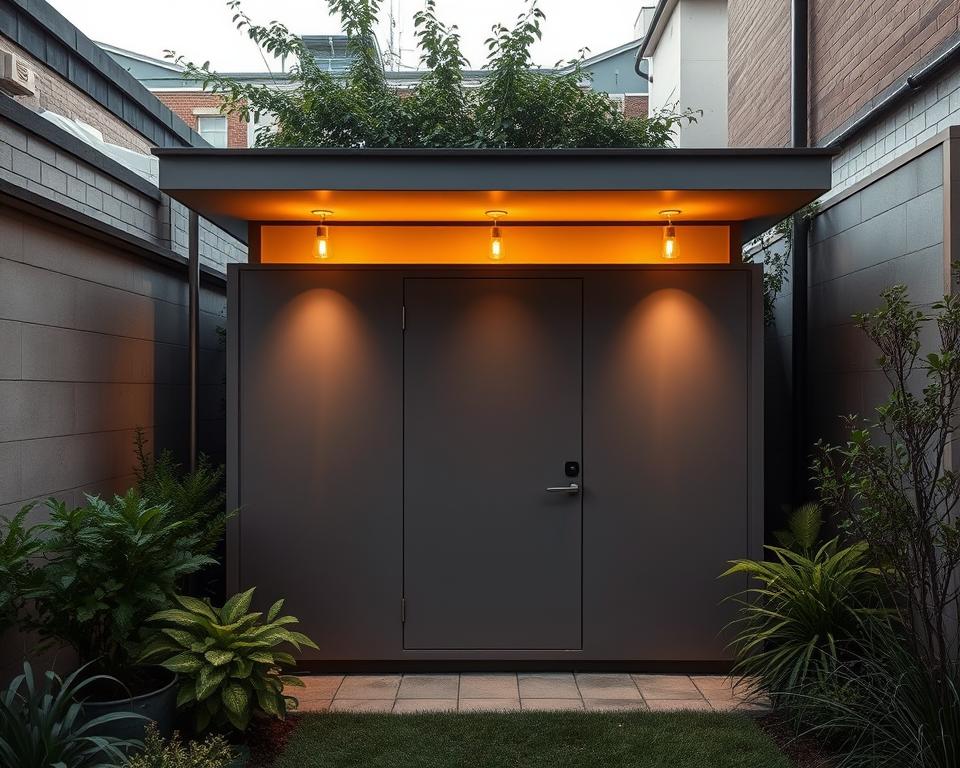
Flat roofs suit tight back gardens and modern layouts. A flat shed roof keeps a low profile shed roof line that stays hidden behind hedges and fences while giving easy access for repairs or a small green roof. Careful choice of materials and drainage makes the difference for long-term performance.
Materials commonly used for flat shed roofs
Common flat roof materials include traditional mineral felt, modern bitumen-polymer membranes, EPDM rubber and GRP. Each option varies in lifespan, cost and ease of installation.
Mineral felt often arrives as torch-on or cold-applied sheets. EPDM offers a seamless membrane with strong weather resistance. GRP gives a hard, durable surface popular with manufacturers and installers.
Pros and cons: low profile vs drainage challenges
One benefit is the unobtrusive look of a low profile shed roof that blends with planted boundaries. Flat roofs are simpler to step onto for inspections and suit sedum or light planting.
Drawbacks centre on drainage. Small falls—typically between 1:40 and 1:80—must be established. Poor falls or blocked outlets cause standing water, which accelerates wear and can lead to leaks without prompt attention.
Maintenance essentials to prevent leaks and ponding
Routine checks reduce risk. Clear gutters and outlets, inspect seams for splits or blisters and examine upstands where the roof meets walls. Promptly repair damage using manufacturer-approved tapes or patch compounds.
Consider protection if the roof will be walked on or planted. A sacrificial board path or protective mat prevents punctures and helps with shed roof ponding prevention by keeping drainage clear.
| Material | Typical lifespan | Key benefit | Consideration for maintenance |
|---|---|---|---|
| Mineral felt (torch-on/cold-applied) | 10–25 years | Cost-effective, widely available | Check seams and re-seal joints regularly |
| EPDM rubber | 20–30+ years | Seamless membrane, good UV resistance | Inspect for edge lift and keep outlets clear |
| GRP (glass-reinforced plastic) | 20–30 years | Hard-wearing, smooth finish | Repair cracks quickly to avoid water ingress |
| Bitumen-polymer membrane | 15–30 years | Durable with good adhesion | Monitor for blisters and maintain proper falls |
Materials and coverings for shed roofs
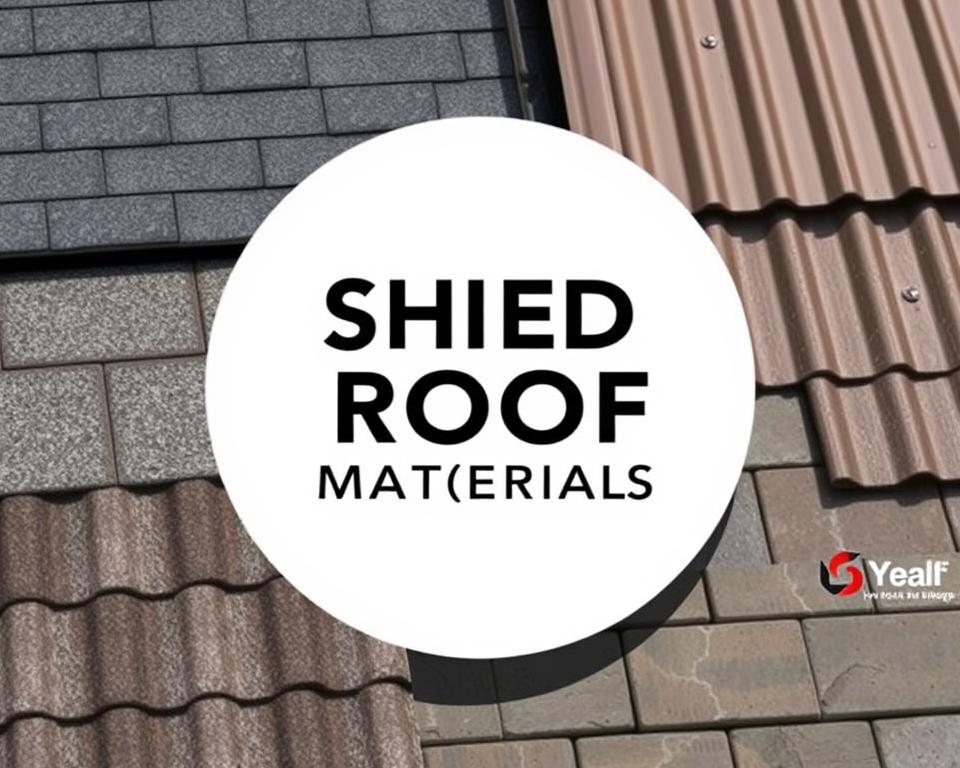
Choosing the right shed roof materials affects durability, cost and appearance. This short guide compares common coverings so you can match performance to need and budget.
Felt and mineral felt options
Felt roof sheds remain a budget-friendly choice for flat roofs. Mineral wool or bitumen felts come as torch-on or self-adhesive sheets. Lifespans typically range from eight to fifteen years. Poor installation or UV exposure reduces longevity, so mechanical fixings or protective boarding help prevent tears.
EPDM, rubber and modern membrane systems
An EPDM shed roof uses large synthetic rubber sheets that cut down on seams. Expect a long life of two to five decades, strong UV resistance and flexibility in cold weather. Proper bonding or secure mechanical fixings are essential for watertight performance and warranty support.
Single-ply PVC and TPO membranes offer alternatives with good chemical resistance. GRP composite roofs give a rigid, seamless finish and are ideal for bespoke falls. Professional fitting is recommended to maintain guarantees and ensure correct drainage.
Corrugated metal and fibre cement sheeting
Corrugated metal shed roof options such as galvanised steel or aluminium suit mono-pitched and shallow-pitch designs. Sheets are lightweight and speed up installation. Fibre cement panels, like those by Eternit, are robust but heavier and need correct joist spacing.
Consider acoustic effects during rain and the need for anti-condensation layers when using metal. Fixings, flashings and underlay are critical to prevent leaks where panels meet roof edges.
Green roofs and sedum options for sustainability
A sedum roof shed UK market now offers lightweight extensive systems that add biodiversity and thermal benefits. These systems need a certified green-roof kit, a root barrier, drainage layer and regular upkeep. Check structural loading and waterproofing compatibility before installation.
Green roofs improve rainwater retention and can extend the life of underlying membranes when fitted correctly.
| Material | Typical lifespan | Best use | Key pros | Key cons |
|---|---|---|---|---|
| Mineral felt | 8–15 years | Low-cost flat roofs | Economical, easy to install | UV and mechanical damage risk |
| EPDM rubber | 20–50 years | Flat and shallow-pitch roofs | Long life, flexible, few seams | Needs correct bonding or fixing |
| Single-ply PVC / TPO | 20–30 years | Commercial-style waterproofing | Good chemical resistance, low weight | Welded seams need skilled fitters |
| GRP (glass-reinforced plastic) | 25–40 years | Bespoke roofs with integrated falls | Seamless finish, bespoke shaping | Professional installation required |
| Corrugated metal | 20–40 years | Mono-pitched and pitched sheds | Lightweight, quick to fit | Noise in rain, condensation issues |
| Fibre cement | 30+ years | Durable pitched roofs | Robust, fire resistant | Heavy, needs correct support |
| Sedum green roof | 15–40 years (system dependent) | Sustainable, biodiverse roofs | Thermal benefits, water retention | Requires waterproofing, maintenance |
Insulation and ventilation considerations
Good thermal performance and airflow are essential for a comfortable, long-lasting shed. Choosing the right approach to shed roof insulation and ventilating garden shed spaces reduces heat loss, improves usability and helps prevent damp problems in UK weather.
Insulation choices for cold and temperate UK weather
Rigid PIR or polyiso boards deliver high thermal resistance with slim profiles. They suit flat roofs when headroom is limited, offering an insulated shed roof UK without bulky build-up.
Mineral wool fitted between rafters is cost-effective for pitched roofs and workshops. Closed-cell spray foam gives an air-tight finish and strong U-values where a sealed cavity is needed.
Ventilation techniques to prevent condensation
To prevent shed condensation, ensure clear airflow from low to high points. Passive vents in eaves and gable ends create a path that moves warm moist air outside.
Continuous ridge vents work well on pitched roofs. Trickle vents in windows or doors help if the shed is used occasionally. Extract fans are useful in workshops where moisture or fumes are produced.
Combining insulation with different roof styles
Mono-pitched roofs can use insulation above the rafters for a warm roof or beneath them for a cold roof where access is easier. Choose warm-roof layers when you want to protect the deck and reduce thermal bridging.
Gable roofs offer larger cavities for mineral wool and dedicated ventilation paths. Flat roofs benefit from insulation above the deck to avoid cold bridging and to better prevent shed condensation.
Always include an appropriate vapour control layer and follow manufacturer guidance to preserve materials and thermal performance.
| Roof Type | Best Insulation | Key Ventilation | Typical Benefit |
|---|---|---|---|
| Mono-pitched | Rigid PIR above rafters or mineral wool between rafters | Soffit vents plus ridge or high wall vents | Good headroom with warm-roof option; reduces cold bridging |
| Gable (pitched) | Mineral wool in cavity or spray foam for air-seal | Eaves to ridge ventilation; gable end vents | Generous insulation depth; effective continuous airflow |
| Flat | Rigid PIR above deck (warm roof) | Perimeter vents and monitored condensation control | Preserves internal headroom; limits risk of condensation |
Plan insulation to match intended use. A simple storage shed needs a different target U-value than a workshop or studio. Proper planning makes an insulated shed roof UK both practical and durable while ventilating garden shed spaces to prevent moisture build-up.
Planning permission, building regulations and UK guidance
Altering a shed roof can be simple or complex. Minor changes often sit within permitted development rules, while larger works may need formal approval. Read on for clear steps to check whether your project triggers any controls and where to get authoritative advice.
When planning permission is required for a shed roof change
Most small garden structures fall under permitted development shed rights if they meet size and siting limits. You must watch overall height, proximity to boundaries and whether the structure stands in front of the principal elevation. Replacing a roof with a similar style usually stays permitted development, but raising the ridge or enlarging the footprint can require planning permission.
Conservation areas and listed buildings have tighter controls. Work that changes appearance or adds living space commonly needs consent. Check your local planning authority before starting to avoid enforcement action.
Building regulation considerations for larger structures
Storage-only sheds are often exempt from building regs. The picture changes when the shed becomes a workshop, office or contains sleeping accommodation. In those cases, elements such as structural stability, fire safety, insulation and drainage must meet building regs shed roof requirements.
Fixed, larger roofs may need structural calculations and certified installation. Electrical or plumbing work inside a converted shed should be notified to building control or carried out by a registered installer to ensure compliance and safety.
Local council resources and common restrictions
Start with your local council shed guidance pages and the Planning Portal for the latest rules. Many councils offer pre-application advice, especially for work inside conservation areas. Building control teams can advise whether your design needs formal checks.
| Issue | Typical trigger | Where to check |
|---|---|---|
| Size increase | Raised ridge, larger footprint | Local planning authority |
| Change of use | Storage to office or dwelling | Building control / planning |
| Listed or conservation | Any external alteration | Council conservation officer |
| Electrical/plumbing | New circuits or drains | Registered installers / building regs shed roof |
| Siting | Forward of principal elevation | Permitted development shed rules |
| Advice before work | Complex or borderline cases | Local council shed guidance / pre-application service |
Cost comparison: mono-pitched, gable and flat roofs
Choosing a roof involves up-front spend and long-term care. Below is a concise guide to expected ranges for small UK sheds, with common factors that push prices up or down. The figures reflect material and labour for standard installations across England, Scotland, Wales and Northern Ireland.
Typical material and labour cost ranges in the UK
Basic flat felt roofs are the most economical option. Materials usually cost between £50 and £200. If you hire a fitter expect labour of roughly £150 to £400.
Higher-spec flat membranes such as EPDM or GRP raise the flat roof price shed. Installed prices commonly sit in the £300–£800 bracket for a small shed.
Mono-pitched roofs with profiled sheeting or basic tiles start from modest material sums of about £150 and can rise to £600. Installation tends to fall between £300 and £1,200 depending on access and finish. That range makes mono-pitched vs gable cost comparisons useful when planning a budget.
Gable roofs typically demand more timber, ridge work and possible tiling. Installed costs often start around £400 and can exceed £1,500 for larger or higher-spec builds. Complexity and additional carpentry add to the total.
Long-term costs: maintenance and lifespan factors
Different coverings have varying lifespans and shed roof maintenance cost profiles. Felt may need replacement every 8–15 years. That creates repeat costs for materials and labour.
EPDM and GRP last longer, frequently 20–50 years, which reduces lifetime spend despite higher initial outlay. Pitched roofs with tiles or metal sheeting offer durable options with lower routine repair needs but may need occasional re-felting of flashings or redecoration.
Account for extra items such as gutters, drainage, painting and potential structural patching from water ingress. These add to lifetime costs and influence which roof style is most economical over 10–20 years.
Value considerations for resale and garden aesthetics
Roof choice affects perceived garden quality and property appeal. A well-crafted mono-pitched studio or attractive gable summerhouse can enhance usefulness and look, improving resale appeal.
Spending more on a quality membrane or a sedum green roof can deliver insulation benefits and biodiversity gains. These features may justify higher initial costs by increasing value and cutting running costs.
| Roof type | Typical materials cost | Typical installed cost (small shed) | Common lifespan | Key maintenance items |
|---|---|---|---|---|
| Basic flat felt | £50–£200 | £200–£600 | 8–15 years | Re-felting, patch repairs, clearing debris |
| EPDM / GRP flat | £200–£500 | £300–£800 | 20–50 years | Seam checks, gutter clearance, moss control |
| Mono-pitched (sheeting/tiles) | £150–£600 | £300–£1,200 | 15–40 years | Fastener checks, paint/treatment, flashing upkeep |
| Gable (timber + tiles or sheeting) | £250–£800 | £400–£1,500+ | 20–50+ years | Ridge repairs, tile replacement, gutter and soffit care |
Balancing shed roof cost UK with longevity and look is key. Compare mono-pitched vs gable cost against expected use and maintenance appetite. If low immediate spend is crucial, a basic flat option can work. If longevity and resale impact matter, investing in higher-quality membranes or a pitched solution often makes sound financial sense.
DIY vs professional installation
Choosing between a DIY shed roof and a professional install hinges on skill, risk and the complexity of the job. Small repairs or a simple felt re-covering suit a competent DIYer. Complex pitched roofs, GRP or EPDM systems and work that affects structure or habitability are best left to a trade professional.
Skills and tools needed for a DIY roof installation
Basic carpentry skills and safe ladder work are essential. Expect to use a circular saw, drill, spirit level, ladder and either a nail gun or hammer. Tin snips are handy for corrugated or metal sheeting. Wear appropriate PPE at all times.
Follow manufacturer instructions for felt or EPDM. Simple corrugated sheet replacement or felt re-covering can be tackled by a careful DIYer who understands flashing and overlaps.
When to hire a roofer or carpenter
Hire a pro when the roof is pitched and complex, when warranties demand certified installers for GRP or EPDM, or when scaffolding and structural alterations are needed. A qualified roofer or carpenter will fit correct vapour barriers, structural fixings and long-term waterproofing.
If the shed will become a habitable space, building regulations can apply. Professional tradespeople will advise on compliance and safe materials for that purpose.
How to get quotes and check credentials in the UK
Obtain three written quotes that break down materials, labour and timescales. Check references and ask to see examples of similar shed roof installation work.
Verify membership of trade bodies such as the Federation of Master Builders or the National Federation of Roofing Contractors. Confirm public liability insurance and clear warranty terms before you pay.
Use services like Checkatrade or TrustATrader and seek local council trading standards advice when checking tradespeople UK. Good vetting helps you decide whether to DIY or hire roofer UK for a durable, safe finish.
Design ideas and aesthetic considerations
Choose a roof form that helps the shed sit comfortably in the garden. A mono-pitched roof gives a contemporary feel and can echo a single-storey extension. A gable roof matches period homes such as Victorian or Edwardian terraces. A flat roof keeps sightlines low in compact plots.
Matching roofing style to home and garden
Think about scale and rooflines when you match shed to house. Match the pitch, eaves height and materials to create cohesion. For example, slate or tiled bargeboards will link a gable shed to a slate-roofed cottage. Use lower eaves and frameless glazing if the aim is to keep a view open.
Colour, texture and trim options for visual impact
Choose from corrugated metal in anthracite, painted tiles to match the main roof, or textured roofing felt in a complementary shade. EPDM membranes allow you to add timber decking or planting to soften the roof plane. Select quality fascias and soffits in a colour that ties with the window frames or fencing.
Lighting, gutters and accessories to complement the roof
Integrated LED roofline lighting or discrete rooflights can brighten an internal workspace. Select narrow-profile gutters and downpipes to avoid visual bulk. Consider solar-powered roof lights and rain chains to add interest without wiring work.
Practical accessories help appearance and function. Fit a rainwater butt or connect to a soakaway. Add exterior shelving or trellis to merge the shed with planting. For secure fixes, choose stainless steel fixings and purpose-made shed roof accessories UK to ensure durability in British weather.
| Design Aim | Roof Form | Material/Finish | Key accessory |
|---|---|---|---|
| Contemporary studio | Mono-pitched | EPDM with timber decking | Rooflights and LED roofline |
| Period match | Gable | Painted tiles or slate-look | Timber bargeboards and matching fascias |
| Low-profile garden | Flat | Green roof or textured felt | Discrete gutters and rainwater butt |
| Durable utility shed | Mono or gable | Corrugated metal, anthracite | Shed roof accessories UK: stainless fixings, downpipe filters |
Maintenance checklist for different roof types
Regular care keeps a shed serviceable and dry. Use a simple seasonal routine to spot wear early and plan repairs. The checks below suit mono-pitched, gable and flat roofs found across the UK.
Seasonal inspection routine for the UK climate
Carry out a shed roof inspection UK in spring and autumn. Clear leaves and debris from gutters and roof surfaces to help water run away. Look for ponding on flat roofs and remove blockages promptly.
Examine seams, flashings and upstands after storms. Check fixings for corrosion and timber members for rot. Inspect felt or membrane for splits, blisters or shrinkage following winter exposure.
Common repairs and when to replace a roof
Patch small tears in EPDM or mineral felt to extend life. Replace corroded corrugated sheets and retighten loose fasteners on mono-pitched roofs. For pitched roofs, repair missing or cracked tiles and address sagging ridges or rotten rafters.
Consider when to replace shed roof if leaks recur, ponding persists, extensive blistering appears or membrane shrinkage is evident. Widespread structural decay and repeated repairs are signs that full replacement is more cost-effective.
Preventative measures to extend roof life
Trim vegetation away from roof edges and fit gutter guards to prevent debris build-up. Install adequately sized downpipes to move water clear of the structure and reduce stress on the roof.
Apply protective coatings where manufacturer guidance recommends them and secure loose fixings after strong winds. Schedule a professional inspection every 3–5 years for older roofs to spot issues a homeowner might miss.
| Roof type | Key seasonal checks | Common minor repairs | Replacement triggers |
|---|---|---|---|
| Flat (felt/EPDM) | Clear ponding, inspect seams, check drainage outlets | Patch tears, reseal seams, clear outlets | Persistent ponding, extensive blistering, membrane shrinkage |
| Mono-pitched (corrugated/metal) | Inspect fasteners, flashings and edge fixings after storms | Replace corroded sheets, retighten screws, reseal flashings | Widespread corrosion, repeated leaks, structural sagging |
| Gable/pitched (tiles/slates) | Check ridge, tiles and loft ventilation; look for rot in rafters | Replace cracked tiles, repoint ridge, treat minor timber decay | Sagging ridge, roted rafters, large areas of missing tiles |
| Green/sedum roof | Clear drains, check substrate and plant health annually | Top up substrate, re-lay sedum mats, unblock drainage | Compacted substrate, failed drainage, root damage to membrane |
Conclusion
Choosing the best shed roof UK depends on use, style and site. For a modern studio with good slope and single-plane drainage, a mono‑pitched roof is often the best shed roof UK option. A gable roof suits traditional gardens and gives extra loft space and ventilation, while a flat roof keeps a low profile in tight spaces but needs high‑quality membranes and careful drainage.
When you choose shed roof, weigh intended use (storage or workspace), local exposure and budget—both initial cost and long‑term maintenance. Material choice matters: EPDM and GRP offer long life, felt is economical, metal is durable, and green roofs add insulation and biodiversity. Each material will affect lifespan and maintenance routines.
For a sound garden shed roof decision, measure site constraints and required headroom, get multiple quotes if using tradespeople, and check local planning and building control. Prioritise waterproofing and ventilation so the shed remains dry and durable in UK weather. Proper planning now saves repair and replacement later.
FAQ
What are the main garden shed roof styles commonly used in the UK?
The three primary roof styles are mono‑pitched (single‑slope or shed roof), gable (dual‑pitched/traditional) and flat roofs (actually low‑pitched in practice). Mono‑pitched suits contemporary studios and lean‑tos, gable provides loft/storage and a classic appearance, and flat roofs offer a low profile for tight gardens. Each style has different drainage, headroom and aesthetic characteristics.
What do roofing terms like pitch, ridge, eaves and verge mean?
Pitch (or slope) is the angle of the roof plane. The ridge is the highest horizontal line where two slopes meet. Eaves are the lower projecting edges that overhang the walls. The verge is the finish at the gable end where the roof meets the wall. Span is the distance the roof covers, and roofing membranes refer to coverings such as felt, EPDM or GRP. “Flat” roofs usually have a slight fall to allow drainage.
How should UK climate and location influence my roof choice?
Consider prevailing winds (south‑west in much of the UK), rainfall intensity and any local snow load. In exposed coastal or upland areas choose stronger fixings and steeper pitches where appropriate. Urban conservation areas may require traditional gable profiles to match period properties. Microclimates — sheltered courtyards versus exposed gardens — also affect susceptibility to wind uplift and splashback.
What pitch is typical for a mono‑pitched shed roof and why?
Mono‑pitched shed roofs commonly range from about 5° to 30°. Lower pitches suit roofing membranes and low‑profile designs; steeper pitches increase headroom and reduce wind uplift risk. The correct pitch also ensures effective runoff to gutters or downpipes and determines whether you can fit rooflights or solar PV easily.
What are the advantages and drawbacks of a mono‑pitched roof?
Advantages include excellent water runoff when installed with correct fall, a contemporary look, lower timber and labour needs and easy fitting of rooflights or solar panels on the higher slope. Drawbacks are potential wind uplift on the exposed high side, limited loft space and the need for correctly sized gutters to avoid splashback on lower boundaries.
Why choose a gable roof for a garden shed?
Gable roofs provide generous internal headroom and loft/storage potential, good natural ventilation when fitted with ridge or gable vents, and a traditional appearance that suits many period houses. They also allow decorative bargeboards and verge trims for a high‑quality finish.
Are gable roofs more vulnerable in windy or snowy areas?
Gable ends can be susceptible to wind pressure and uplift, particularly in exposed coastal or upland locations. Higher pitches shed snow better but increase wind exposure. Proper wall plate fixings, tie‑downs and wind bracing are essential, and in heavy snow areas local guidance should be followed to strengthen rafters and fixings.
What materials are commonly used for flat shed roofs?
Typical coverings include traditional mineral felt (torch‑on or self‑adhesive), EPDM rubber membranes, GRP (glass‑reinforced plastic), and modern bitumen or polymer membranes. Falls of around 1:40 to 1:80 are often used to ensure drainage; manufacturer guidance must be followed for installation and warranty.
What are the pros and cons of flat roofs?
Pros: low visual impact, ideal for tight spaces, easy access for maintenance and can accommodate a sedum green roof. Cons: they require careful falls and drainage to avoid ponding, need frequent inspection of seams and outlets, and poor installation can shorten lifespan through leaks or membrane deterioration.
How long do common roofing materials last?
Lifespan varies: basic felt roofs typically last 8–15 years; EPDM and quality single‑ply membranes can last 20–50 years; GRP also offers long life when professionally installed. Corrugated metal and tiled coverings can last several decades but require correct support and fixings. Lifespan depends on quality of materials, installation and maintenance.
What insulation and ventilation options work best for shed roofs in the UK?
For insulation, rigid PIR or polyiso boards above the deck (warm‑roof) or mineral wool between rafters are common choices. Closed‑cell spray foam provides air‑tightness. Ventilation techniques include eaves/soffit vents, continuous ridge vents for pitched roofs, and trickle vents or extract fans where moisture is produced. Combining warm‑roof construction with vapour control layers reduces condensation risk, especially on flat roofs.
When will changing a shed roof require planning permission or building control involvement?
Many small sheds are permitted development, but significant increases in height, footprint or change to habitable use can require planning permission. Conservation areas and listed buildings have stricter rules. Building Regulations may apply if the structure becomes a workspace, office or contains sleeping accommodation — matters such as structural stability, fire safety, insulation and drainage should then be checked with building control.
How do costs compare between flat, mono‑pitched and gable roofs?
Costs vary with size, materials and region. Ballpark: a basic flat felt roof materials £50–£200 (labour extra), EPDM/GRP flats £300–£800 installed. Mono‑pitched roofs with profiled sheeting or tiles typically range from £150–£1,200+ installed depending on finish. Gable roofs are often more expensive due to timberwork and potentially tiling, from several hundred to £1,500+ installed. Factor in long‑term maintenance and lifespan when assessing value.
Can I install a shed roof as a DIY project?
Simple repairs or reroofing with felt or replacing corrugated sheets are common DIY tasks for competent homeowners with basic carpentry tools and safe working practices. Complex pitched roofs, GRP/EPDM installations for warranty, structural changes or work at height are best handled by professionals. Always follow manufacturer instructions and consider safety, access and insurance implications.
How should I choose and vet a tradesperson for roof installation?
Obtain at least three written quotes, check references and examples of similar work, verify membership of trade bodies such as the Federation of Master Builders or the National Federation of Roofing Contractors, and ensure public liability insurance. Use platforms such as Checkatrade or TrustATrader and request clear warranties and payment terms before starting work.
Are green roofs suitable for garden sheds?
Extensive green roofs with sedum mats are suitable for many sheds and provide thermal benefits, biodiversity and improved rainwater retention. Lightweight systems exist, but you must ensure the roof waterproofing, root barrier and drainage layer are compatible and that the structure can bear the additional load. Regular maintenance of the vegetation and drainage is required.
What maintenance should I carry out seasonally to extend roof life?
Carry out spring and autumn inspections: clear gutters and outlets, remove debris from the roof, inspect seams, flashings and upstands, check for ponding on flat roofs and examine timber for rot. Promptly patch small tears, replace corroded fixings or sheets, secure loose flashing after storms, and schedule professional inspections every 3–5 years for older roofs.
How can I prevent condensation and damp in a shed roof space?
Provide adequate ventilation (soffit vents, ridge vents or trickle vents), use a warm‑roof construction where appropriate with continuous insulation and a correct vapour control layer, avoid cold bridging, and maintain an airflow path from eaves to ridge. For workshops or spaces producing moisture, add extract ventilation and monitor humidity.
What design choices help a shed roof match my house and garden?
Match roof form to the house style — mono‑pitched for contemporary homes, gable for traditional period properties, flat for minimal modern gardens. Coordinate materials and colours (e.g. anthracite metal, painted tiles or timber bargeboards), use quality fascias and gutters in complementary finishes, and consider rooflights, LED roofline lighting or solar panels to enhance both utility and aesthetics.