The Ultimate Guide to Wooden Sheds: Durability Meets Design
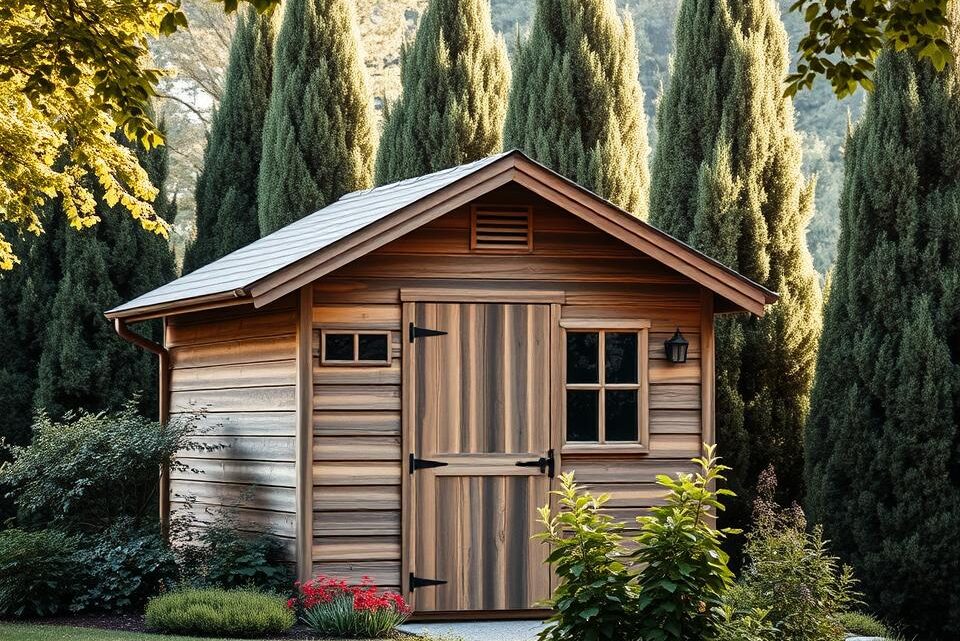
You’re looking to enhance your outdoor space with a functional and aesthetically pleasing structure. Wooden sheds are an excellent choice, offering a blend of durability and design flexibility.
These garden structures not only provide additional storage but also become a part of your garden’s landscape. With various design options available, you can choose a shed that complements your home’s style.
Whether you’re seeking a simple storage solution or a bespoke garden retreat, wooden sheds can meet your needs. By considering factors such as the type of wood and installation requirements, you can ensure your shed remains a valuable addition to your outdoor space.
Inhaltsverzeichnis
Key Takeaways
- Wooden sheds offer a combination of durability and design flexibility.
- They can enhance your outdoor space while providing additional storage.
- Various design options are available to complement your home’s style.
- Consider the type of wood and installation requirements for a long-lasting shed.
- Wooden sheds can be used as a simple storage solution or a bespoke garden retreat.
The Enduring Appeal of Wooden Sheds
A well-crafted wooden shed can be the crown jewel of your outdoor space, providing both storage and style. The natural beauty of wood brings warmth to any garden, while its durability ensures a long-lasting structure.
The Timeless Charm of Wood in Garden Structures
Wooden sheds have a timeless appeal that combines functionality with aesthetic charm. The use of wood in garden structures is not just about creating a storage space; it’s about enhancing the overall look and feel of your garden.
Balancing Functionality with Aesthetic Appeal
When choosing a wooden shed, it’s essential to strike a balance between functionality and aesthetic appeal. Consider the design, size, and style to ensure it complements your garden.
Sustainability Benefits of Choosing Wood
Choosing wood for your shed is a sustainable choice, as it’s a renewable resource that can be sourced locally. Wooden sheds are also eco-friendly, as they can be recycled or repurposed at the end of their life cycle.
| Benefits of Wooden Sheds | Description |
|---|---|
| Aesthetic Appeal | Wooden sheds add a natural beauty to your garden |
| Durability | Wooden sheds are long-lasting with proper maintenance |
| Sustainability | Wood is a renewable resource, making it an eco-friendly choice |
As eco-consciousness grows, the appeal of wooden sheds continues to rise. They offer a unique blend of form, function, and sustainability that is hard to match with other materials.
“The use of wood in garden structures is a testament to its versatility and timeless appeal.”
In conclusion, the enduring appeal of wooden sheds lies in their ability to balance functionality with aesthetic charm, all while being a sustainable choice. By choosing a wooden shed, you’re not only enhancing your garden but also making an eco-friendly decision.
Types of Wood Used in Shed Construction
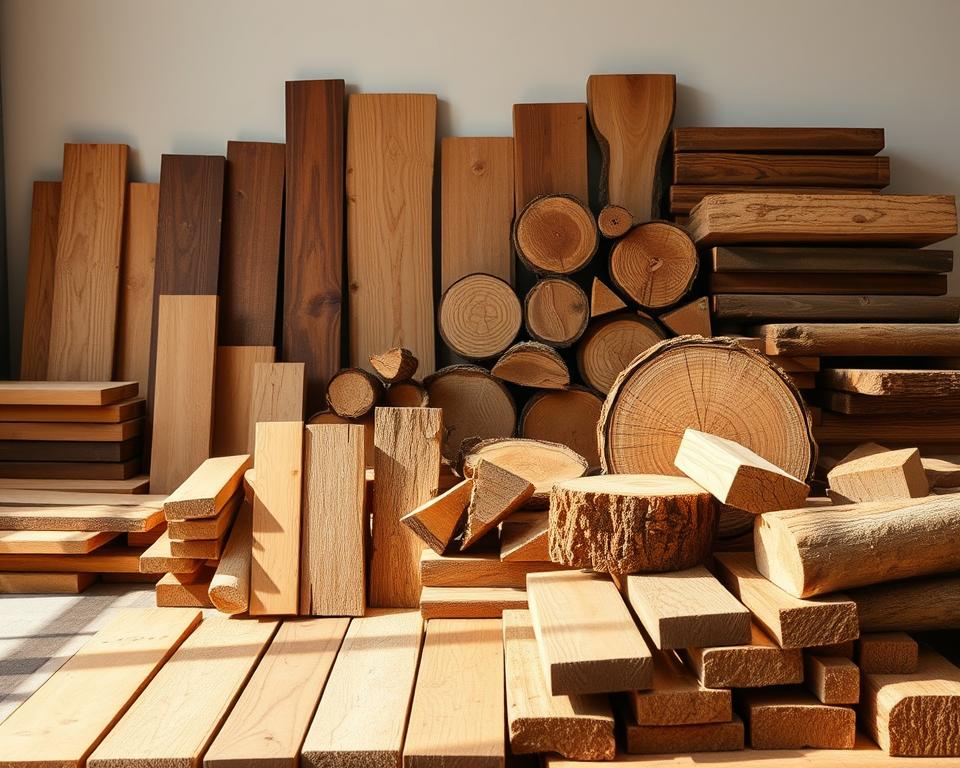
Understanding the different types of wood available is essential for constructing a durable shed. The type of wood you choose affects not only the shed’s durability but also its appearance and overall cost.
Softwoods: Pine, Spruce, and Cedar
Softwoods are a popular choice for shed construction due to their availability and cost-effectiveness. Pine and spruce are commonly used softwoods that offer a good balance between price and performance. Cedar, on the other hand, is prized for its natural resistance to rot and insects, making it a durable option.
Cost Considerations and Availability in the UK
The cost of softwoods can vary depending on the supplier and quality. Generally, pine and spruce are more affordable, while cedar is slightly more expensive due to its durability benefits. In the UK, these softwoods are widely available at most timber merchants.
| Type of Softwood | Cost Range (£/m³) | Durability |
|---|---|---|
| Pine | 150-250 | Moderate |
| Spruce | 120-200 | Moderate |
| Cedar | 250-400 | High |
Hardwoods: Oak, Mahogany, and Teak
Hardwoods are known for their strength and durability, making them an excellent choice for shed construction. Oak is renowned for its robustness, while mahogany offers a rich, attractive appearance. Teak is highly resistant to weathering and requires minimal maintenance.
Longevity and Weather Resistance
Hardwoods generally offer superior longevity and weather resistance compared to softwoods. Oak and teak are particularly noted for their ability to withstand harsh weather conditions, making them ideal for sheds that will be exposed to the elements.
Pressure-Treated Options for Enhanced Durability
Pressure-treated wood is another option for shed construction, offering enhanced durability through chemical treatment. This process involves forcing preservatives into the wood to protect it from rot, decay, and insect damage.
By understanding the characteristics of different types of wood, you can make an informed decision that meets your needs for durability, cost, and aesthetic appeal.
The Ultimate Guide to Wooden Sheds: Durability Meets Design
The longevity of a wooden shed depends on various factors, including the quality of materials, construction methods, and design elements that enhance its structural integrity. When building or purchasing a wooden shed, it’s crucial to consider these aspects to ensure your investment withstands the test of time and the UK’s climate.
Key Factors That Determine Shed Longevity
Several key factors contribute to the longevity of a wooden shed. Material quality is paramount; the type of wood used can significantly impact how well the shed weathers over time. Softwoods like pine and spruce are cost-effective but may require more maintenance than hardwoods like oak or teak, which are more durable.
Another critical factor is the construction technique employed. Properly constructed sheds with robust joints and adequate support structures are better equipped to withstand harsh weather conditions.
Construction Techniques That Enhance Lifespan
Employing traditional craftsmanship and modern construction techniques can significantly enhance the lifespan of your wooden shed. Techniques such as using mortise and tenon joints, ensuring a sturdy frame, and incorporating adequate ventilation all contribute to a shed’s durability.
Additionally, the application of high-quality preservatives and regular maintenance can protect the wood from rot, insect damage, and weathering, further extending the shed’s lifespan.
Design Elements That Enhance Structural Integrity
The design of your wooden shed plays a vital role in its structural integrity. A well-designed shed not only looks appealing but is also better equipped to withstand environmental stresses. For instance, a shed with a pent or apex roof design allows snow to slide off easily, reducing the risk of roof collapse under heavy snow loads.
Finding the Perfect Balance Between Form and Function
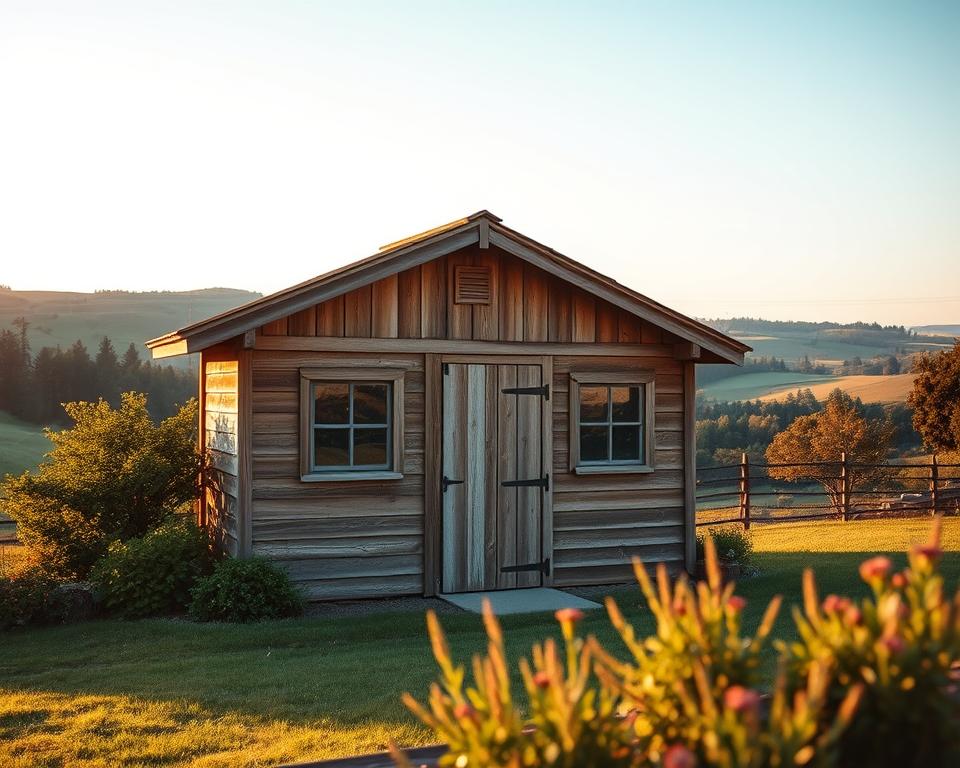
Ultimately, the key to a successful wooden shed is finding the perfect balance between form and function. While aesthetics are important, they should not come at the expense of functionality or durability. By carefully considering your needs and the shed’s intended use, you can create a structure that is both beautiful and practical.
By focusing on these critical aspects, you can ensure that your wooden shed remains a valuable and functional part of your garden for years to come.
Popular Wooden Shed Styles in the UK
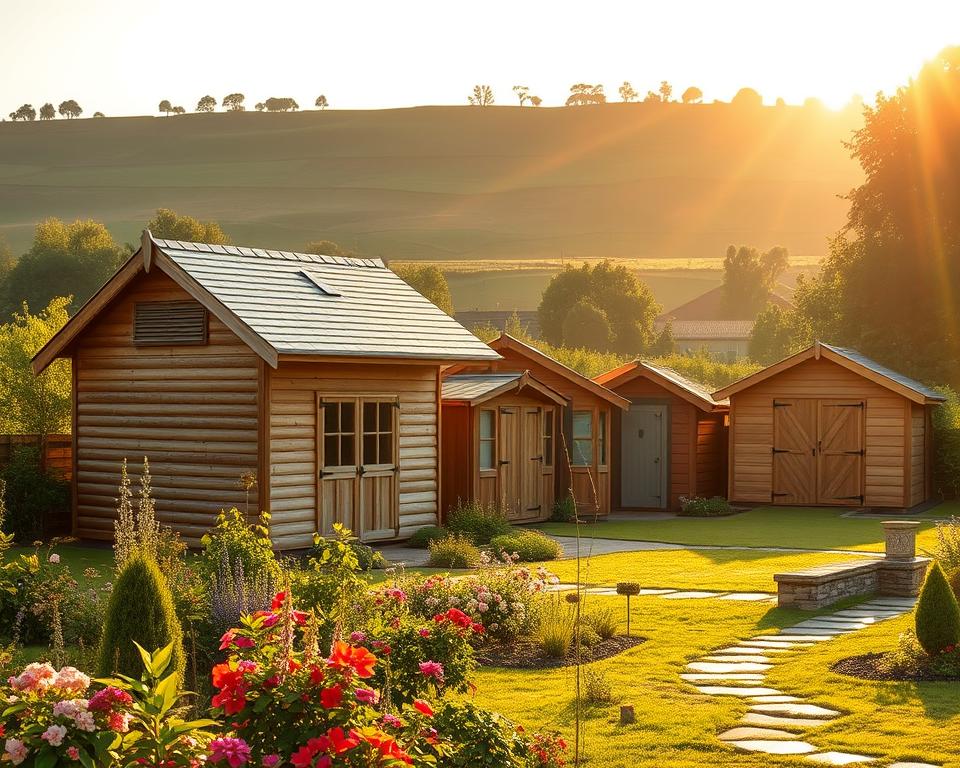
The variety of wooden shed styles available in the UK reflects the country’s diverse architectural tastes and functional requirements. Whether you’re looking for a traditional design that complements an older home or a modern, sleek shed for a contemporary garden, there’s a wide range of options to choose from.
Traditional Apex and Pent Designs
Traditional apex and pent roof designs are staples in UK gardens. The apex design, with its triangular roof, is particularly popular due to its ability to shed rainwater efficiently, making it suitable for the UK’s rainy climate. Pent sheds, on the other hand, offer a more modern look and are ideal for gardens with limited space, as they can be positioned against a wall.
Contemporary and Customised Options
For those looking for something beyond traditional designs, contemporary and customised wooden sheds offer a modern aesthetic. These sheds can be tailored to fit specific garden themes or personal preferences, including unique features like large windows or bespoke sizes.
Regional Variations and Their Practical Benefits
Different regions in the UK have unique weather conditions that can influence the choice of shed style. For instance, areas with heavy snowfall might benefit from steeper roof pitches to prevent snow accumulation.
Weather Considerations for Different UK Regions
Understanding the local climate is crucial when selecting a wooden shed. For example, sheds in coastal areas may require more robust treatments to resist salt corrosion, while those in shaded areas might need better ventilation to prevent moisture buildup.
By considering these factors, you can choose a wooden shed that not only complements your garden’s aesthetic but also withstands the local weather conditions, ensuring durability and functionality.
UK Planning Permissions and Building Regulations
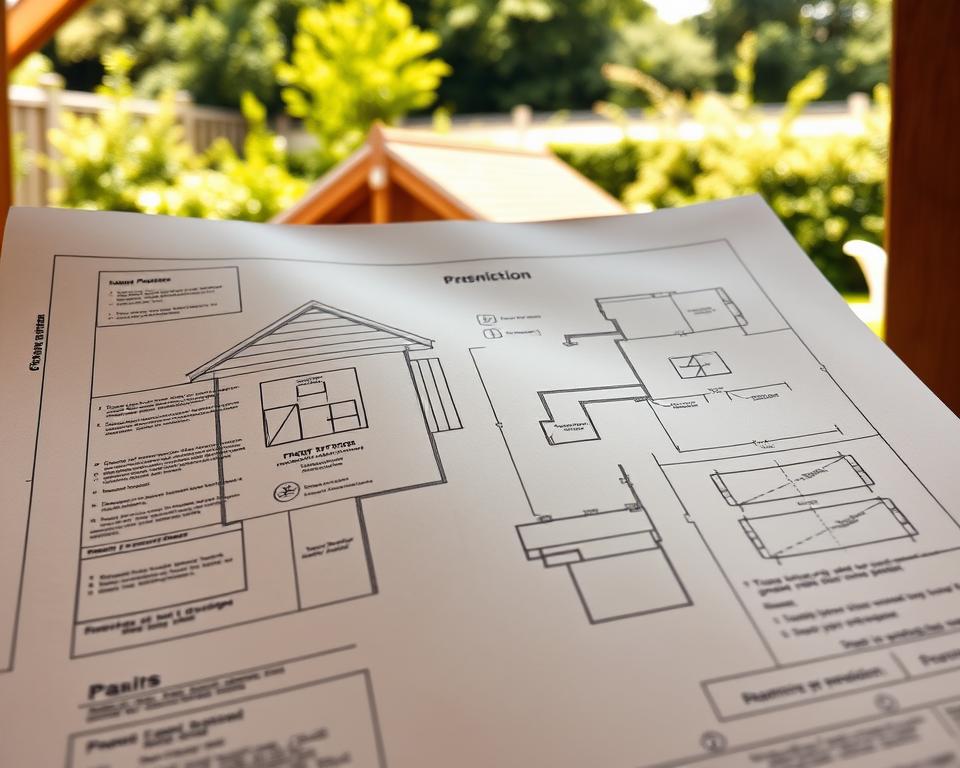
Before you start building or installing a wooden shed, it’s essential to familiarise yourself with the UK’s planning permissions and building regulations. Certain conditions may require you to obtain permission, while size and height restrictions apply to most sheds.
When Planning Permission Is Required
Planning permission is typically required if your shed is to be used for business purposes, is over a certain size, or is to be installed near a highway. It’s also necessary if you’re planning to alter or extend an existing building. For residential sheds, permission is usually not needed if the shed is below a certain size threshold and not used for commercial activities.
Size and Height Restrictions
The size and height of your shed are critical factors in determining whether you need planning permission. Generally, sheds that are less than 15 cubic metres in volume and not within the curtilage of a listed building or within a conservation area do not require permission. However, there are height restrictions to consider; sheds should not exceed 2.5 metres in height if they are within 2 metres of a boundary.
Distance from Boundaries and Other Structures
The distance of your shed from boundaries and other structures on your property is another crucial factor. For sheds that are not near boundaries, the regulations are generally more lenient. However, sheds near boundaries or other structures may be subject to specific restrictions to prevent obstruction or overshadowing.
Local Authority Variations to Consider
It’s important to note that local authorities can have variations in their regulations. Some areas may have stricter rules due to conservation status or other local factors. Therefore, it’s always a good idea to check with your local planning authority before installing a shed to ensure compliance with local regulations.
Sizing Your Wooden Shed: A Practical Approach
To ensure your wooden shed is a valuable addition to your garden, you need to get the size right, balancing storage capacity with available space. A well-sized shed can enhance your garden’s functionality without overwhelming it.
Assessing Your Storage Needs
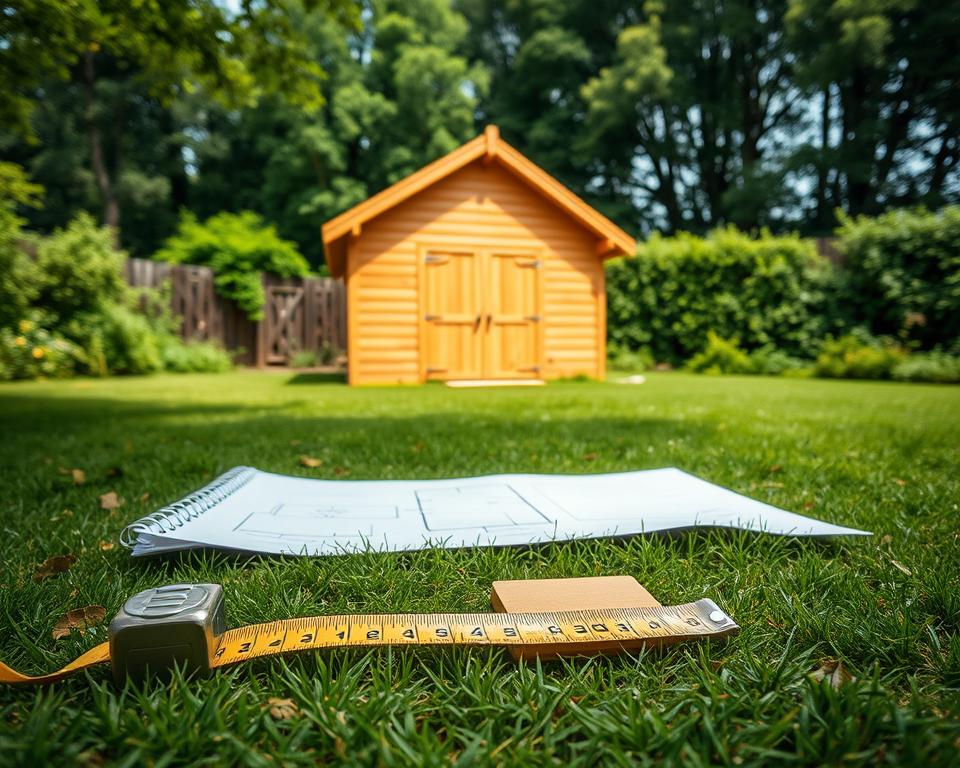
Begin by assessing what you need to store. Consider the items you plan to keep in your shed, such as gardening tools, outdoor furniture, or bicycles. Make a list to help you visualise the required space. This exercise will give you a clearer idea of the shed size that suits your needs.
Garden Proportions and Space Optimisation
The size of your shed should be in proportion to your garden. A large shed in a small garden can look out of place and may require special planning permission. Conversely, a tiny shed in a vast garden might not provide enough storage. Consider the shed’s purpose and how it will be viewed from different parts of your garden.
Future-Proofing Your Shed Size Decision
Think about your future storage needs. Are you likely to acquire more items that will need storing? Consider whether you might need additional space for new hobbies or equipment. Future-proofing your shed size decision can save you from having to upgrade or replace it prematurely.
Common Sizing Mistakes to Avoid
One common mistake is underestimating the space required for future needs. Another is not considering the shed’s height, which can affect its usability and the ease of accessing stored items. Ensure you measure your available garden space accurately and consider the shed’s dimensions, including its height.
Foundation Options for Maximum Stability
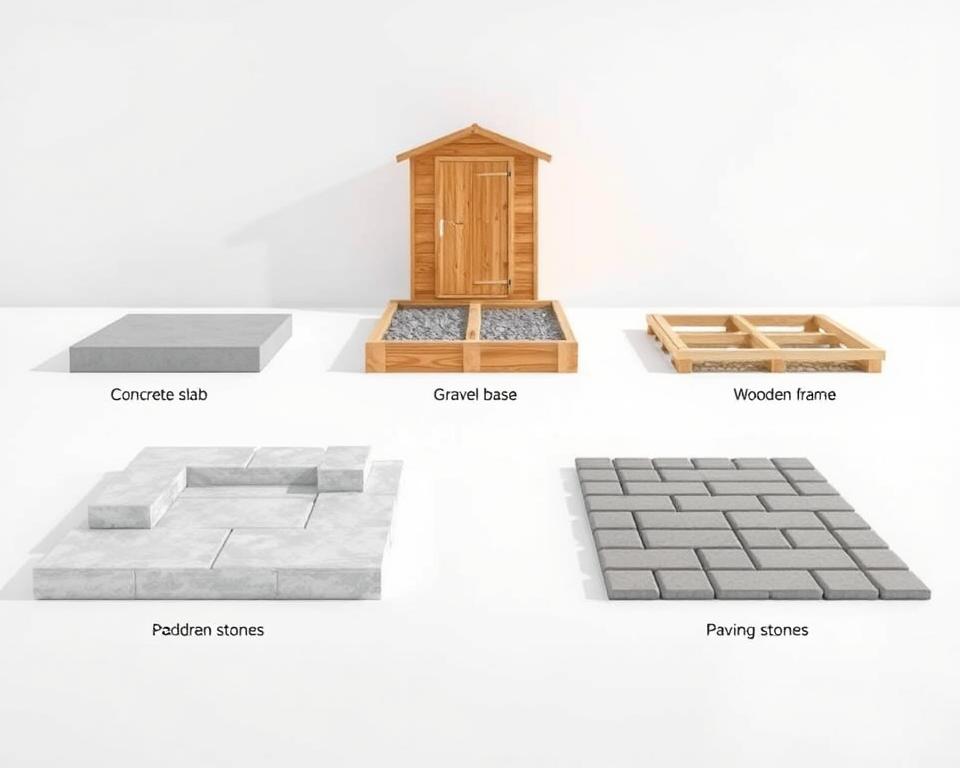
The right foundation can make all the difference in the stability and lifespan of your wooden shed. A well-chosen base not only ensures the structural integrity of your shed but also protects it from potential damage caused by uneven ground or water accumulation.
Concrete Bases: Pros and Cons
Concrete bases are a popular choice for shed foundations due to their durability and strength. They provide a solid, level surface that can support substantial weight. However, they can be costly and time-consuming to install, requiring significant preparation and concrete pouring. “A concrete base is a long-term investment in your shed’s stability,” notes a gardening expert. It’s essential to weigh these factors when deciding on the best foundation for your needs.
Timber Bearers and Paving Slabs
Timber bearers and paving slabs offer alternative foundation solutions that are often less invasive and more budget-friendly than concrete bases. Timber bearers are particularly useful for sheds that require a level base but are situated on uneven ground. Paving slabs, on the other hand, provide a solid, flat surface and can be arranged to facilitate drainage. Both options are relatively easy to install and can be adapted to various garden landscapes.
Ensuring Proper Drainage and Level Installation
Regardless of the foundation type you choose, ensuring proper drainage and a level installation is crucial. Poor drainage can lead to water accumulation around and under your shed, potentially causing rot and structural damage. A level installation, meanwhile, prevents the shed from leaning or experiencing undue stress on its structure.
Dealing with Sloped Garden Challenges
If your garden has a slope, it can complicate the installation of your shed foundation. However, this challenge can be addressed by using adjustable timber bearers or by partially excavating the area to create a level surface. Proper planning and potentially consulting with a professional can help mitigate these challenges and ensure your shed remains stable and secure.
By carefully considering your foundation options and taking steps to ensure proper drainage and level installation, you can significantly enhance the stability and longevity of your wooden shed.
Weatherproofing Your Wooden Shed
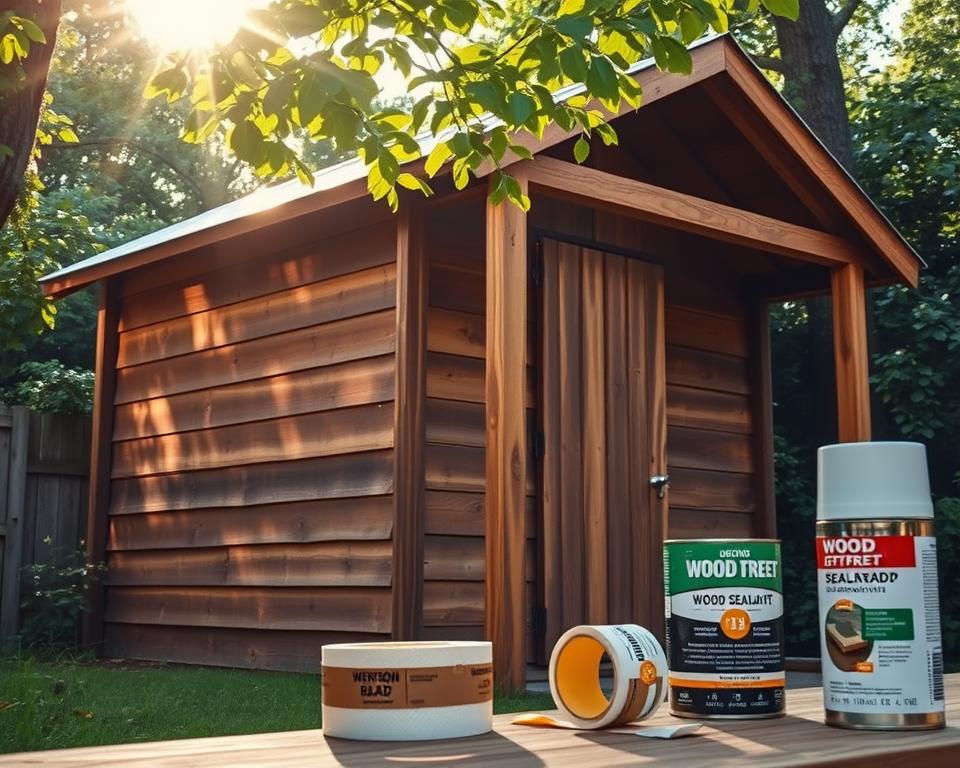
To ensure your wooden shed withstands the UK’s unpredictable weather, proper weatherproofing is essential. This involves a combination of quality roofing materials, appropriate wall treatments, and effective ventilation strategies.
Quality Roofing Materials and Techniques
The roof is your shed’s first line of defence against the elements. Choosing the right roofing material is crucial for preventing water ingress and ensuring the structure’s longevity.
Felt, EPDM, and Shingle Options
There are several roofing materials to consider:
- Felt roofing is a cost-effective option, but it may not be as durable as other materials.
- EPDM (Ethylene Propylene Diene Monomer) rubber roofing is highly durable and resistant to weathering.
- Shingle roofing offers a more traditional appearance and can be very effective if installed correctly.
As noted by experts, “The choice of roofing material can significantly impact the shed’s overall durability and maintenance requirements.”
“A well-roofed shed is the cornerstone of a well-maintained garden.”
Wall Treatments and Preservatives
In addition to a robust roofing system, your shed’s walls require protection from moisture and rot. Applying a suitable preservative can significantly extend the life of your wooden shed.
Types of wall treatments include:
- Water-based preservatives that are environmentally friendly.
- Solvent-based preservatives that offer deep penetration into the wood.
Ventilation Strategies to Prevent Moisture Damage
Adequate ventilation is vital for preventing the buildup of moisture within your shed. This can be achieved through the installation of vents or by ensuring that there are gaps between the shed’s components.
Managing the UK’s Damp Climate
The UK’s damp climate presents unique challenges for shed owners. To manage this, it’s essential to ensure that your shed is designed and maintained with moisture control in mind.
Regular checks and maintenance are crucial to identify any potential issues before they become major problems. By combining quality materials, appropriate treatments, and effective ventilation, you can ensure that your wooden shed remains a valuable and functional part of your garden for years to come.
Insulation and Climate Control Solutions
Insulation and climate control are crucial elements in making your wooden shed a versatile and enjoyable space all year round. By implementing the right solutions, you can regulate the temperature and maintain a comfortable environment within your shed.
Year-Round Usability Considerations
To ensure your shed remains usable throughout the year, consider the following factors:
- The shed’s orientation and exposure to sunlight
- The type of activities you plan to undertake within the shed
- The local climate and weather conditions
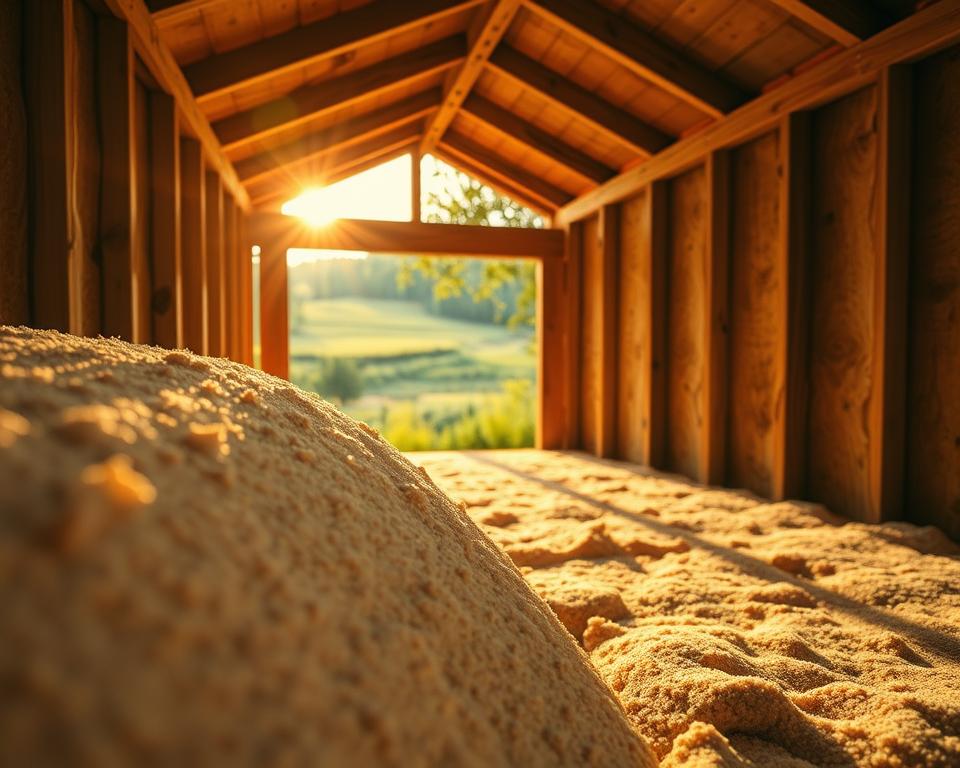
Eco-Friendly Insulation Options
Eco-friendly insulation materials not only reduce environmental impact but also provide effective thermal regulation. Some popular options include:
- Recycled denim insulation
- Sheep’s wool insulation
- Fibre insulation made from natural materials
Heating and Cooling for Workshop Sheds
For workshop sheds, maintaining a comfortable temperature is essential. Consider installing:
- Electric heaters for cold weather
- Ventilation systems or fans for cooling
Energy-Efficient Solutions for Powered Sheds
For sheds that require power, energy-efficient solutions can significantly reduce energy consumption. Look into:
- LED lighting
- Energy-efficient heating and cooling systems
By incorporating these insulation and climate control solutions, you can transform your wooden shed into a functional and comfortable space that meets your needs throughout the year.
Security Features for Wooden Sheds
To ensure your wooden shed remains a safe and secure storage solution, several security measures should be considered. A well-secured shed not only protects your belongings but also enhances the overall safety of your garden.
Lock Types and Installation
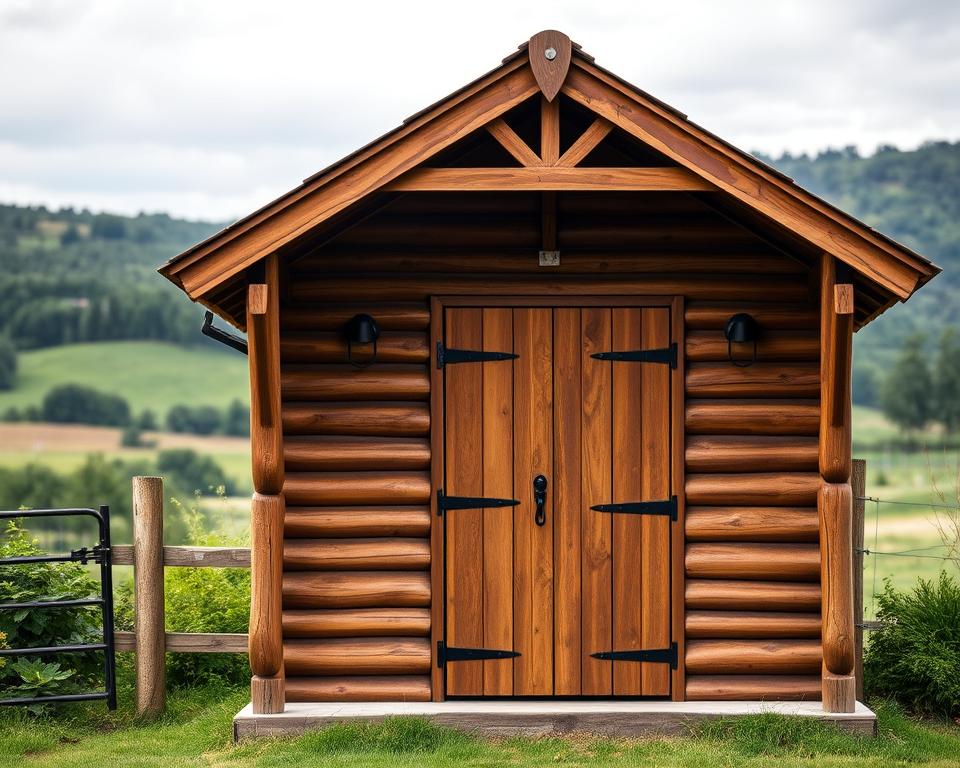
Choosing the right lock for your wooden shed is a critical decision. There are various types of locks available, including hasp and staple locks, deadlocks, and electronic locks. Each has its advantages and is suited to different types of sheds and security needs.
When installing a lock, it’s essential to ensure it’s fitted correctly to prevent it from being forced or broken. Consider consulting a professional if you’re unsure about the installation process.
Window Considerations for Privacy and Security
Windows can be both a functional and security feature of your wooden shed. Consider using obscure glass or barred windows to enhance privacy and deter intruders. The placement of windows is also crucial; avoid placing them in areas that are easily accessible or visible to potential thieves.
Alarm Systems and Deterrents
Installing an alarm system can significantly enhance the security of your wooden shed. Modern shed alarm systems can be integrated with your home security system, providing an additional layer of protection. Other deterrents include motion-sensitive lighting and security cameras.
Insurance Considerations for Shed Contents
While securing your shed is vital, insuring the contents is equally important. Check with your insurance provider to see if your shed and its contents are covered under your home insurance policy. If not, consider taking out a separate policy to protect against loss or damage.
| Security Measure | Benefits | Considerations |
|---|---|---|
| High-Quality Locks | Effective deterrent against theft | Proper installation is crucial |
| Alarm Systems | Immediate alert in case of breach | May require professional installation |
| Security Cameras | Visual deterrent and evidence | Power supply and maintenance required |
By implementing these security features, you can significantly reduce the risk of theft and damage to your wooden shed and its contents.
Interior Design and Organisation
Creating an organised and efficient interior for your wooden shed is crucial for maximising its potential. A well-designed interior can enhance the functionality and usability of the space.
Shelving and Storage Solutions
Effective shelving and storage are key to maintaining a clutter-free and organised shed. Consider installing sturdy shelving units that can hold a variety of items, from gardening tools to storage bins.
Using wall-mounted storage solutions can also help keep the floor clear, making it easier to move around the shed. You can install hooks, bins, or baskets to store items like bicycles, tools, and equipment.
| Storage Solution | Description | Benefits |
|---|---|---|
| Shelving Units | Sturdy units for storing various items | Maximises vertical space, keeps floor clear |
| Wall-Mounted Hooks | Hooks for hanging tools and equipment | Easily accessible, saves floor space |
| Storage Bins | Bins for storing smaller items like nails and screws | Keeps items organised, easy to label |
Workbench Designs for Practical Use
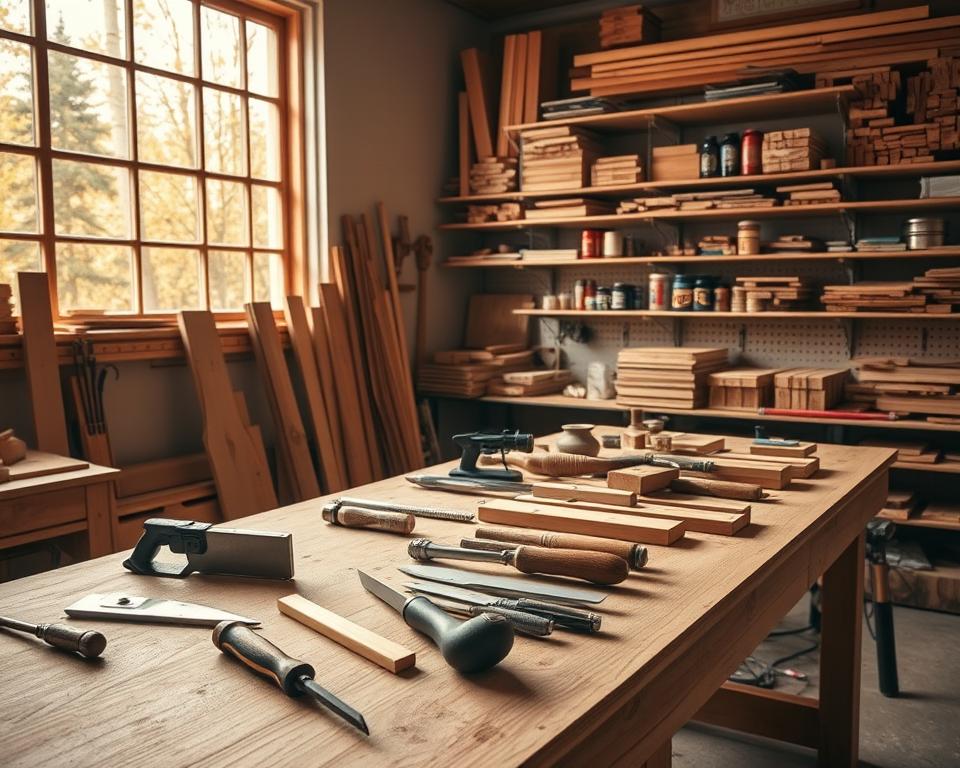
A well-designed workbench is essential for any shed used as a workshop or DIY area. Consider a workbench with built-in storage for tools and materials.
When designing your workbench, think about the tasks you’ll be performing and the space you’ll need. A sturdy, ergonomic workbench can improve productivity and comfort.
Lighting and Electrical Considerations
Adequate lighting is vital for safety and productivity in your shed. Consider installing LED lighting, which is energy-efficient and provides bright illumination.
Multi-Purpose Shed Layouts
For sheds that serve multiple purposes, such as storage and workspace, a flexible layout is key. Consider using modular storage solutions and movable workbenches to create a versatile space.
By incorporating these interior design and organisation tips, you can create a wooden shed that is both functional and enjoyable to use.
DIY vs Professional Installation
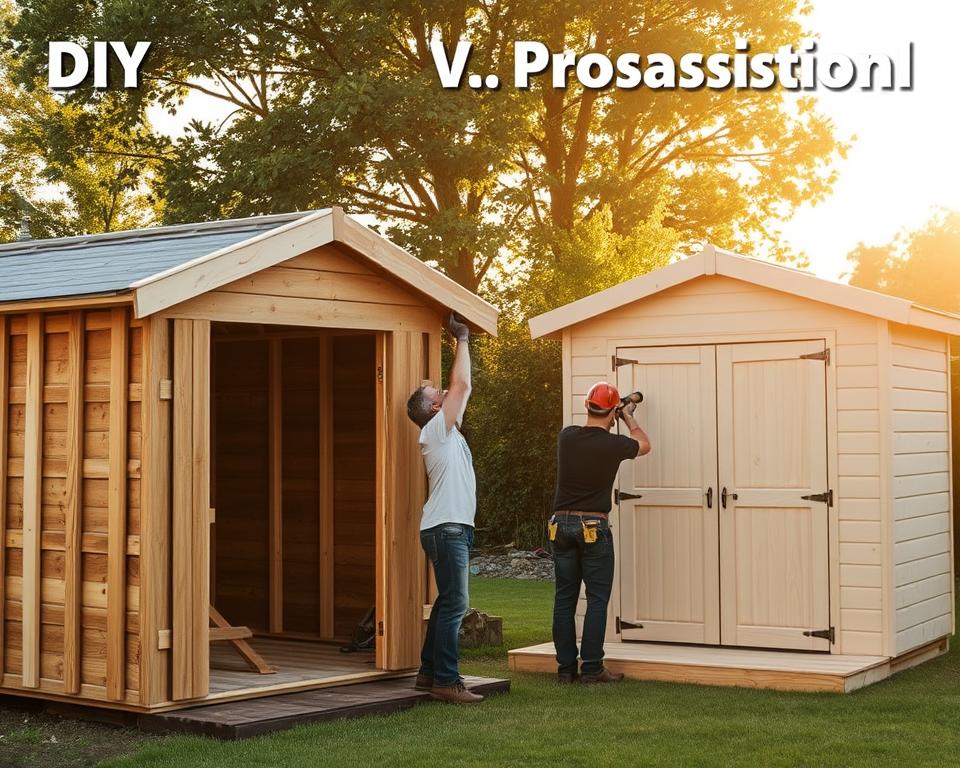
The choice between DIY installation and hiring professionals for your wooden shed can significantly impact both the project’s cost and its overall quality. Your decision should be based on a thorough assessment of your skills, available time, and budget.
Assessing Your Skills and Available Time
Before deciding on a DIY installation, consider your level of expertise and the time you can dedicate to the project. Installing a wooden shed involves various tasks, including preparing the foundation, assembling the shed, and ensuring it’s properly secured and weatherproofed.
- Evaluate your experience with similar projects.
- Consider the complexity of the shed design you’ve chosen.
- Assess the time required for each stage of the installation.
Cost Comparisons and Value Analysis
While DIY installation may seem cost-effective initially, it’s essential to factor in the potential costs of mistakes or the need for additional tools. On the other hand, professional installers come with the advantage of experience and efficiency.
Key cost considerations include:
- The cost of materials and tools.
- Labor costs if you decide to hire professionals.
- Potential costs associated with rectifying DIY errors.
Finding Reputable Shed Installers in the UK
If you decide against a DIY installation, finding a reputable and experienced shed installer is crucial. Look for installers with good customer reviews and a portfolio of previous work.
What to Look for in Installation Warranties
When hiring professionals, ensure they offer a comprehensive warranty that covers both materials and labor. A good warranty provides peace of mind and protects your investment.
- Check the duration of the warranty.
- Understand what is covered under the warranty.
- Review the process for making claims.
Maintenance Schedule for Longevity
Regular upkeep is essential to extend the life of your wooden shed and keep it looking its best. A well-planned maintenance schedule can help prevent damage and ensure your shed remains a valuable and attractive addition to your garden.
Seasonal Checks and Treatments
Conducting seasonal checks is vital to identify potential issues before they become major problems. In the spring and autumn, inspect your shed for signs of wear and tear, such as cracks, rot, or pest damage.
Spring and Autumn Maintenance Checklists
- Inspect the roof for damaged or missing tiles.
- Check the walls for signs of rot or insect infestation.
- Ensure doors and windows are functioning properly.
- Apply a protective treatment to the wood to prevent rot and decay.
In the spring, consider applying a fresh coat of paint or varnish to protect the wood from the upcoming summer weather. In the autumn, clear leaves and debris from the roof and surrounding areas to prevent water accumulation.
Addressing Common Issues Before They Worsen
Regular inspections will help you identify common issues such as rot, pest damage, or structural weaknesses. Addressing these problems promptly can prevent them from becoming major repairs.
Common issues to watch out for include:
- Rot or decay in the wood.
- Pest infestations, such as termites or carpenter ants.
- Structural weaknesses, such as cracked or broken beams.
Refinishing and Restoration Techniques
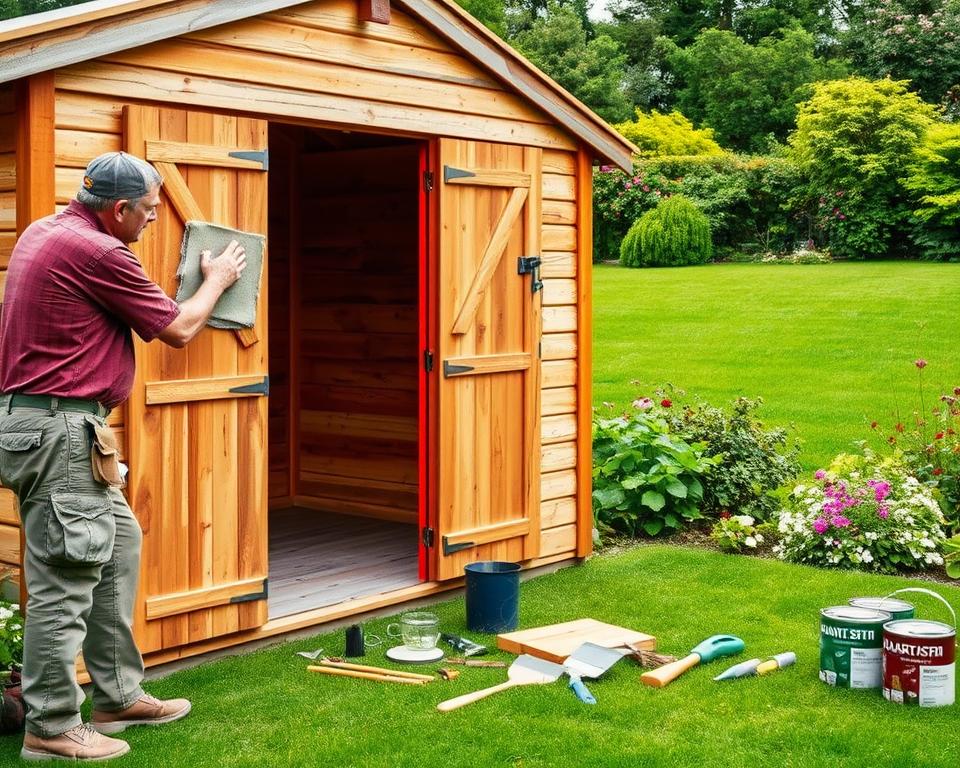
Refinishing your shed can not only improve its appearance but also provide an additional layer of protection against the elements.
Extending the Life of an Older Shed
For older sheds, restoration may involve more extensive work, such as replacing rotten wood or repairing structural damage. However, with the right techniques and materials, you can breathe new life into your shed and extend its lifespan.
By following a regular maintenance schedule and addressing issues promptly, you can ensure your wooden shed remains a durable and attractive feature in your garden for years to come.
Conclusion: Investing in Quality for Years of Enjoyment
Investing in a high-quality wooden shed is a decision that pays off in the long run. Not only does it provide a durable storage solution, but it also enhances your garden’s aesthetic appeal. By choosing a well-designed wooden shed, you’re making a valuable garden investment that will bring you years of enjoyment.
A well-maintained wooden shed can be a beautiful addition to your outdoor space, providing a functional area for storage, hobbies, or relaxation. When you invest in quality, you’re ensuring that your wooden shed remains a valuable asset for years to come.
To get the most out of your wooden shed, consider factors such as durability, design, and maintenance. By doing so, you’ll be able to enjoy your shed for years to come, while also enhancing the overall value of your garden investment.
FAQ
What types of wood are commonly used for shed construction in the UK?
Softwoods like pine, spruce, and cedar, as well as hardwoods such as oak, mahogany, and teak, are popular choices for shed construction in the UK.
Do I need planning permission to install a wooden shed in my garden?
It depends on the size and location of the shed. Certain conditions may require you to obtain permission, so it’s essential to check with your local authority.
How do I ensure my wooden shed is secure?
You can secure your shed by choosing the right lock, considering window design for privacy and security, and potentially installing alarm systems.
What foundation options are available for wooden sheds?
You can choose from concrete bases, timber bearers, and paving slabs, each with its pros and cons, to provide a stable foundation for your shed.
How can I weatherproof my wooden shed?
Protecting your shed from the elements involves selecting the right roofing materials, applying appropriate wall treatments, and ensuring adequate ventilation.
Can I use my wooden shed throughout the year?
Yes, by considering insulation and climate control solutions, you can make your shed usable year-round.
What maintenance is required to extend the life of my wooden shed?
Regular maintenance includes seasonal checks, applying protective treatments, and addressing any issues promptly to keep your shed in good condition.
Should I install my wooden shed myself or hire professionals?
It depends on your skills, available time, and budget. Weighing the pros and cons of each approach will help you make an informed decision.
How do I choose the right size for my wooden shed?
Assessing your storage needs, considering garden proportions, and optimising space will help you choose the right size for your shed.
What are the benefits of using wooden sheds?
Wooden sheds offer a natural, aesthetically pleasing appearance, durability, and sustainability, making them a popular choice for garden storage and retreats.